Glossary
290 terms in the arena
A
Adaptive suspension uses electronically controlled dampers that adjust their stiffness in real time, letting a car shift between a comfortable ride and firmer, more responsive handling.
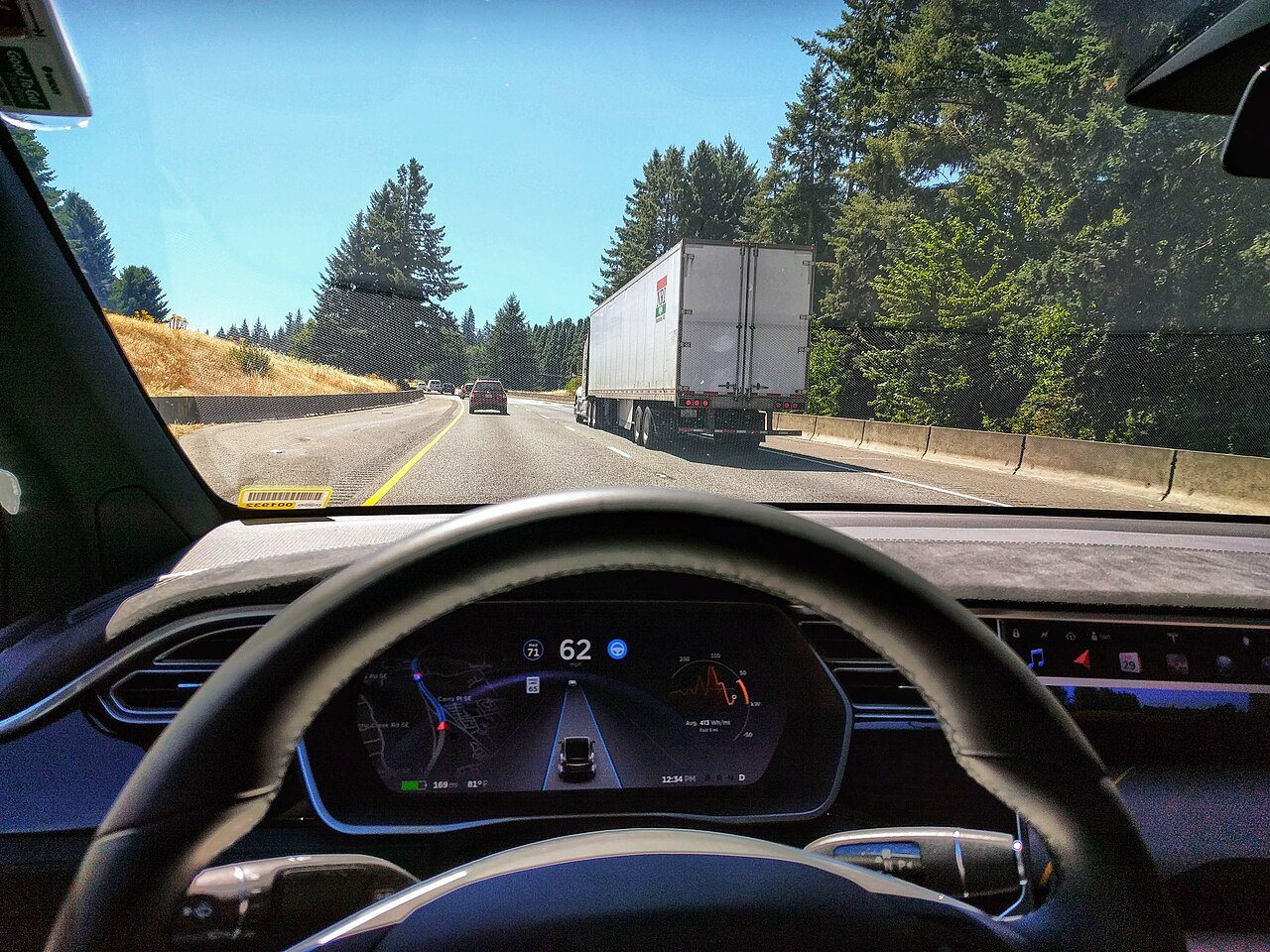
ADAS, or Advanced Driver Assistance Systems, is the umbrella term for technologies like adaptive cruise control, lane keeping, and automatic emergency braking.
Air-fuel ratio. The ratio of air to fuel by mass in the engine combustion chamber. 14.7:1 is stoichiometric for gasoline.
An adjustable suspension system using air bags instead of metal springs. Allows variable ride height with the push of a button.
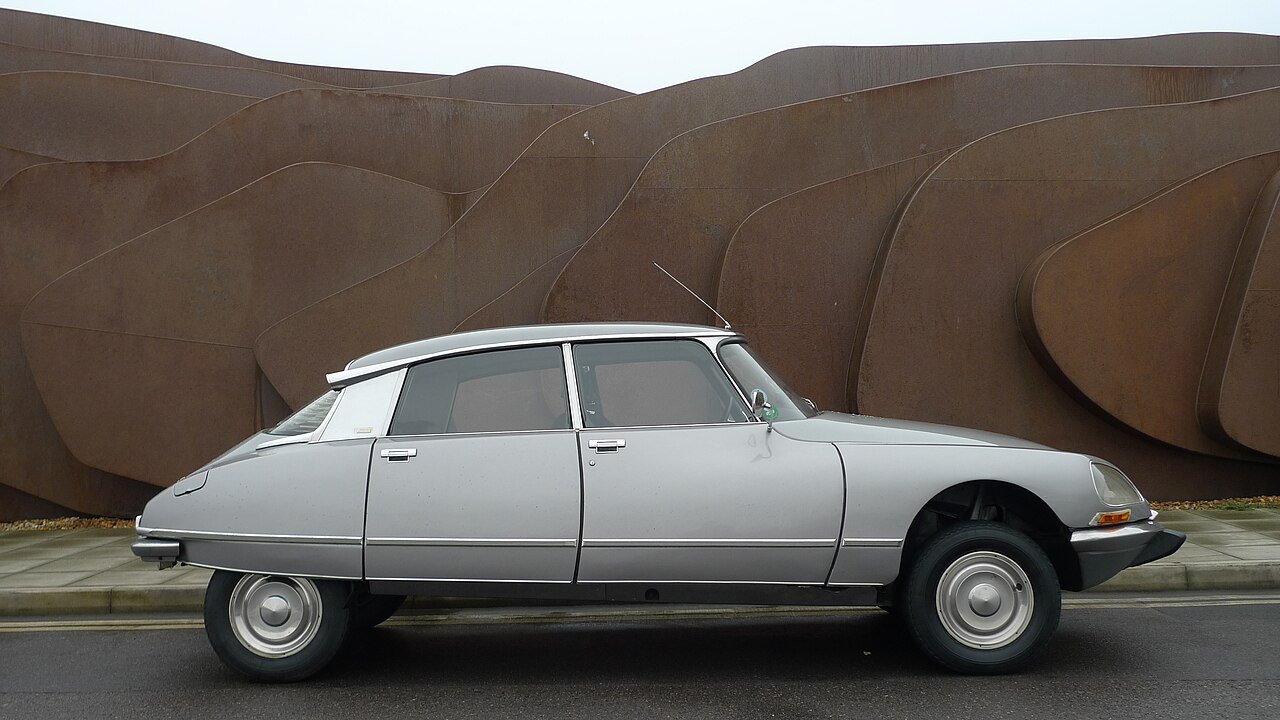
Suspension that uses inflatable air springs instead of conventional coil springs, letting ride height be adjusted on demand.
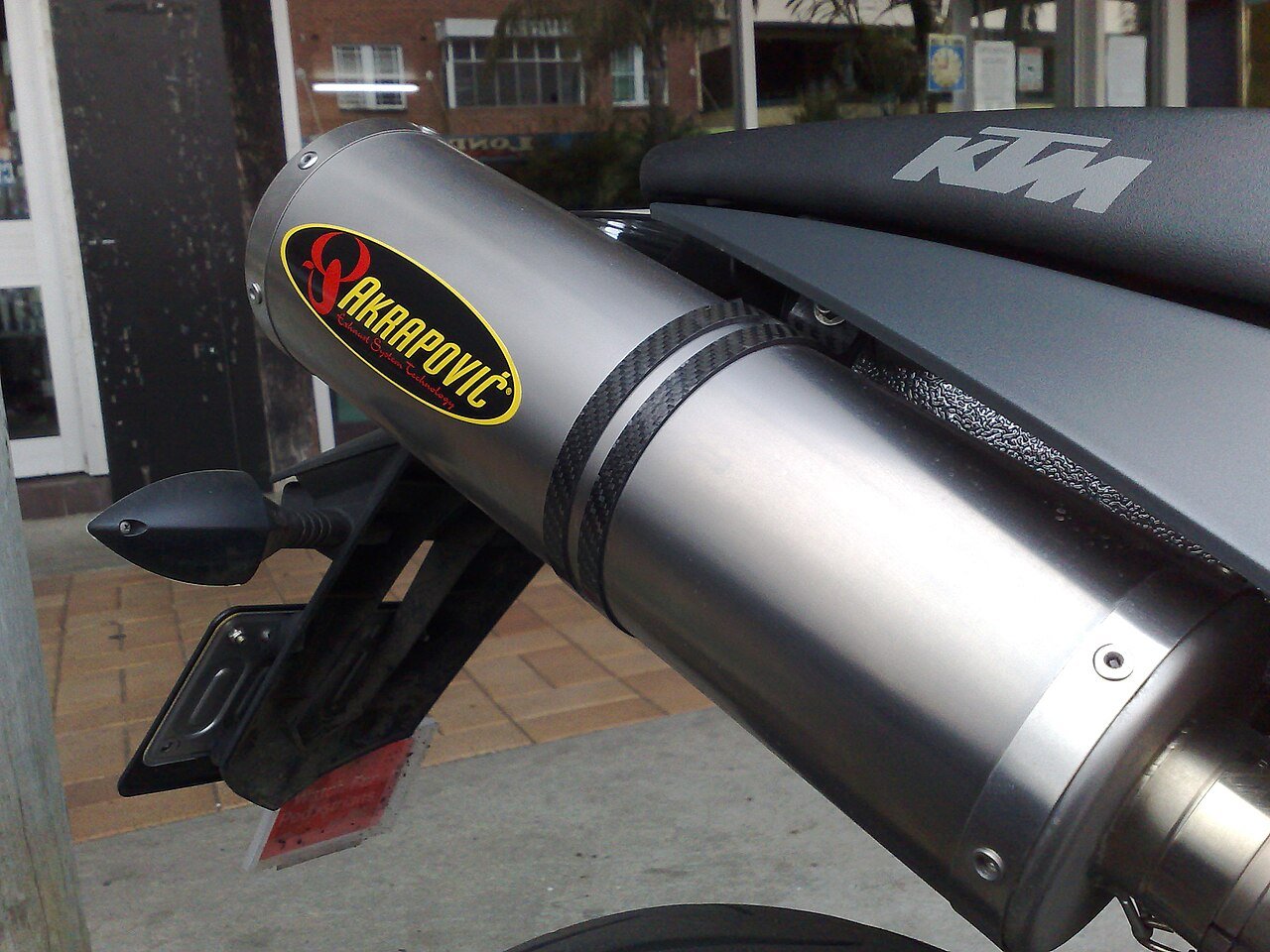
Akrapovic is a Slovenian aftermarket exhaust manufacturer known for lightweight titanium systems used on motorcycles and performance cars.
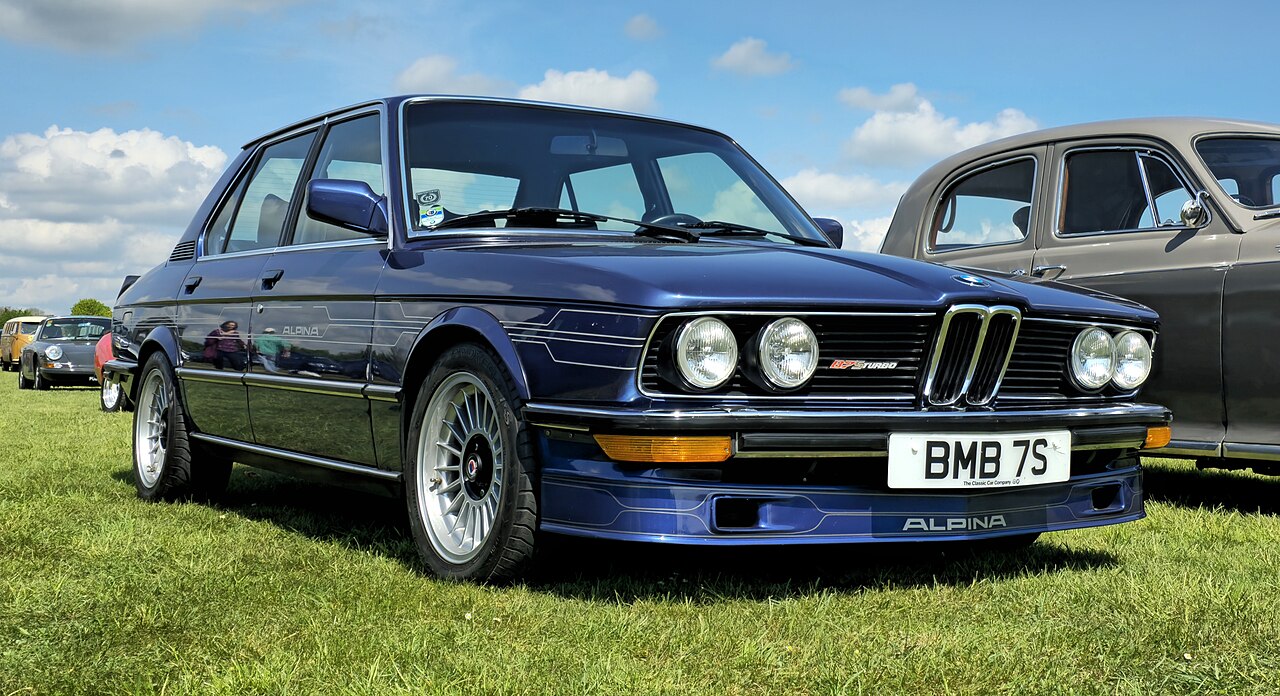
German BMW tuner founded 1965 by Burkard Bovensiepen. Operates as a niche manufacturer producing limited-edition BMW variants with a unique character.
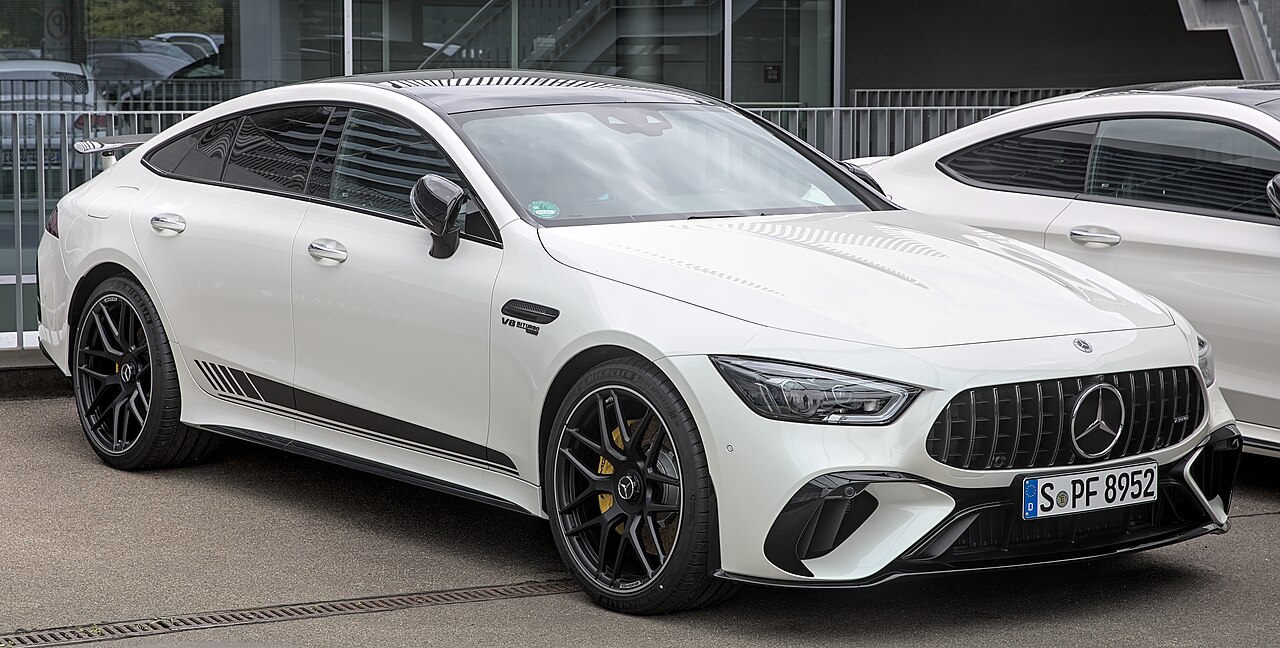
Mercedes-Benz's high-performance division, responsible for the most powerful and track-focused versions of the brand's road cars.
A turbocharger control system that maintains turbo speed during throttle lift, eliminating turbo lag during reapplication of throttle.
The apex is the innermost point of a corner where a driver's line touches the inside edge of the track, the central reference point of racing line theory.
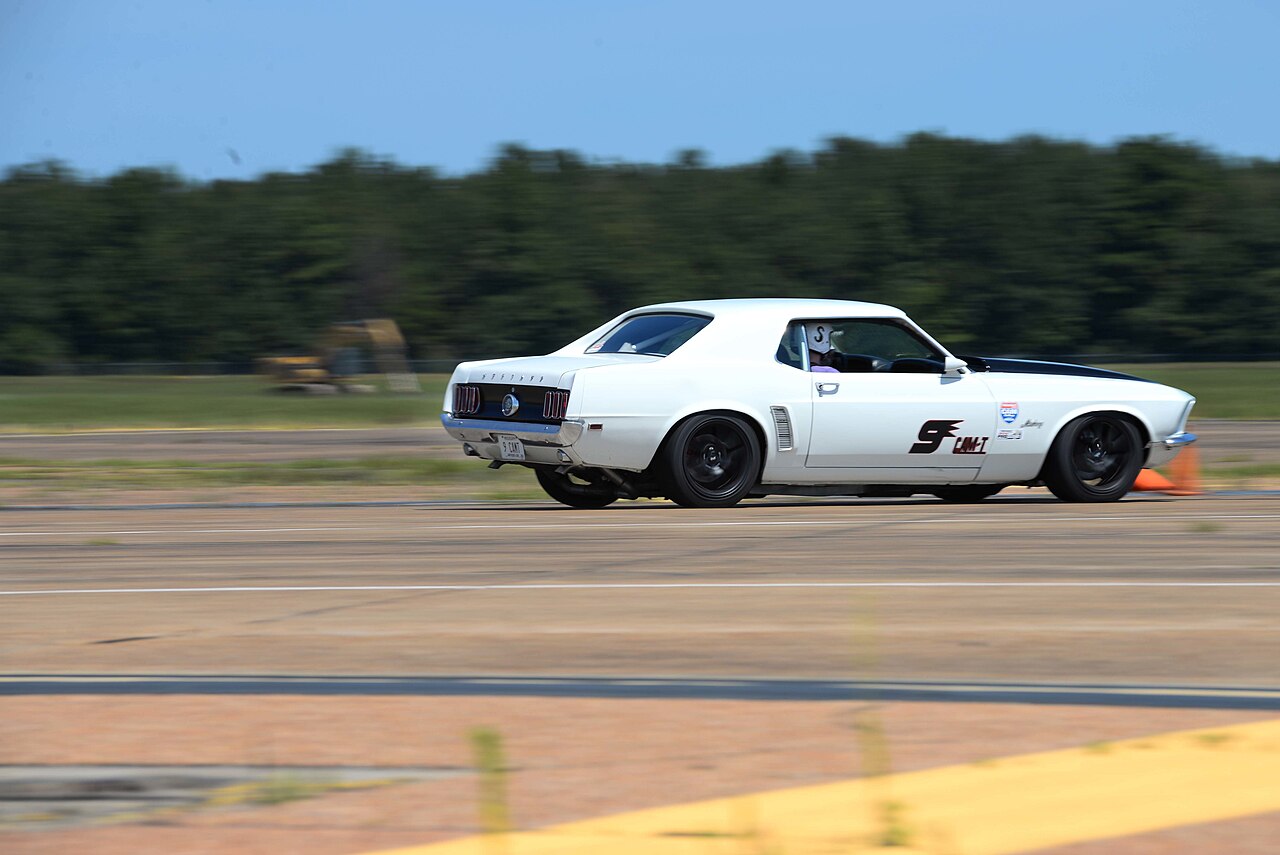
A motorsport format using cones to define a course on a parking lot or airfield. Drivers compete one at a time for fastest lap.
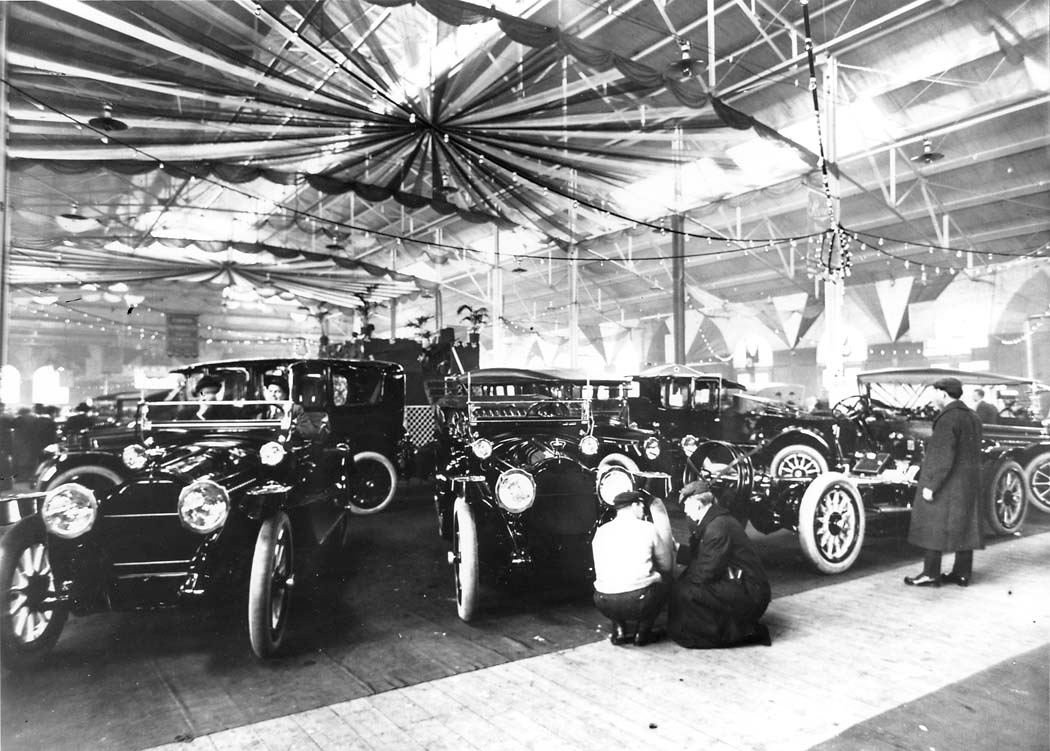
A public exhibition where automakers display production models, debut new cars, and show concept vehicles to press and buyers.
All-wheel drive. Power is delivered to all four wheels, either continuously or on demand based on traction needs.
B
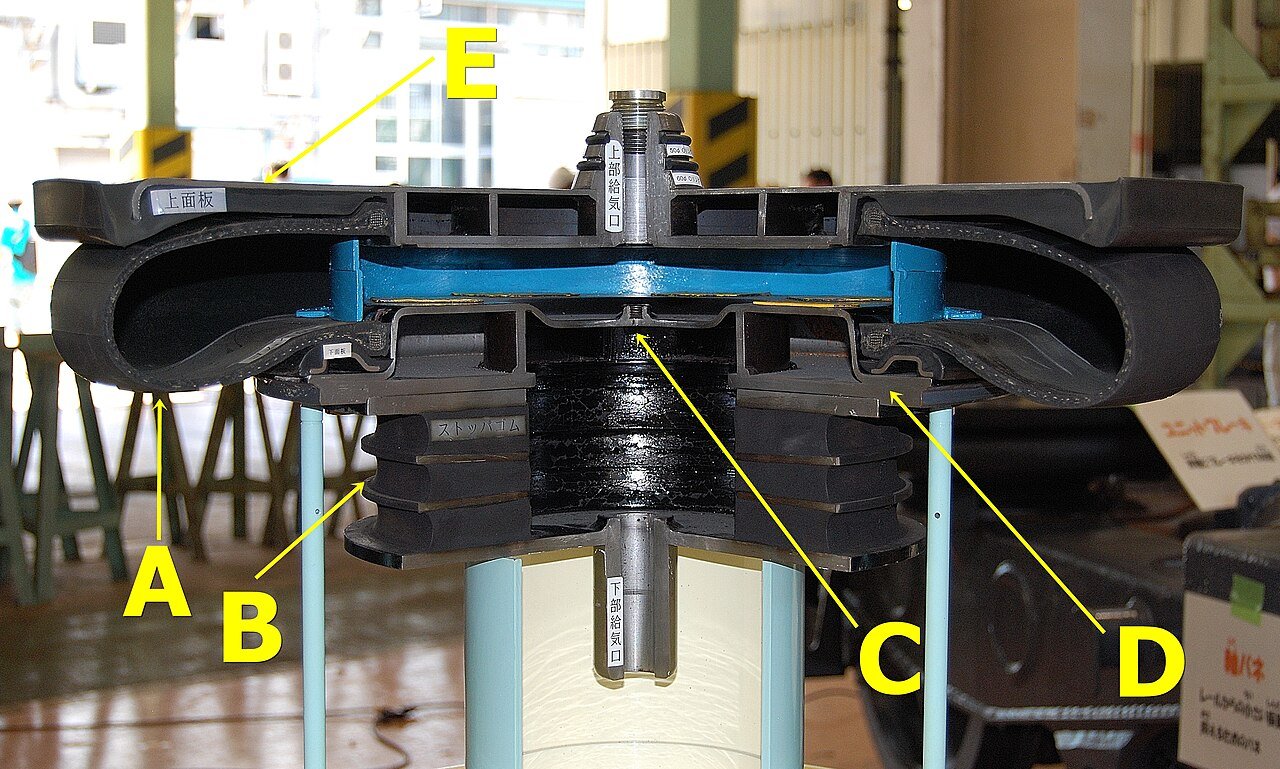
An air suspension system that uses inflatable rubber air bags in place of conventional coil springs, allowing ride height to be adjusted via a compressor and air management system.
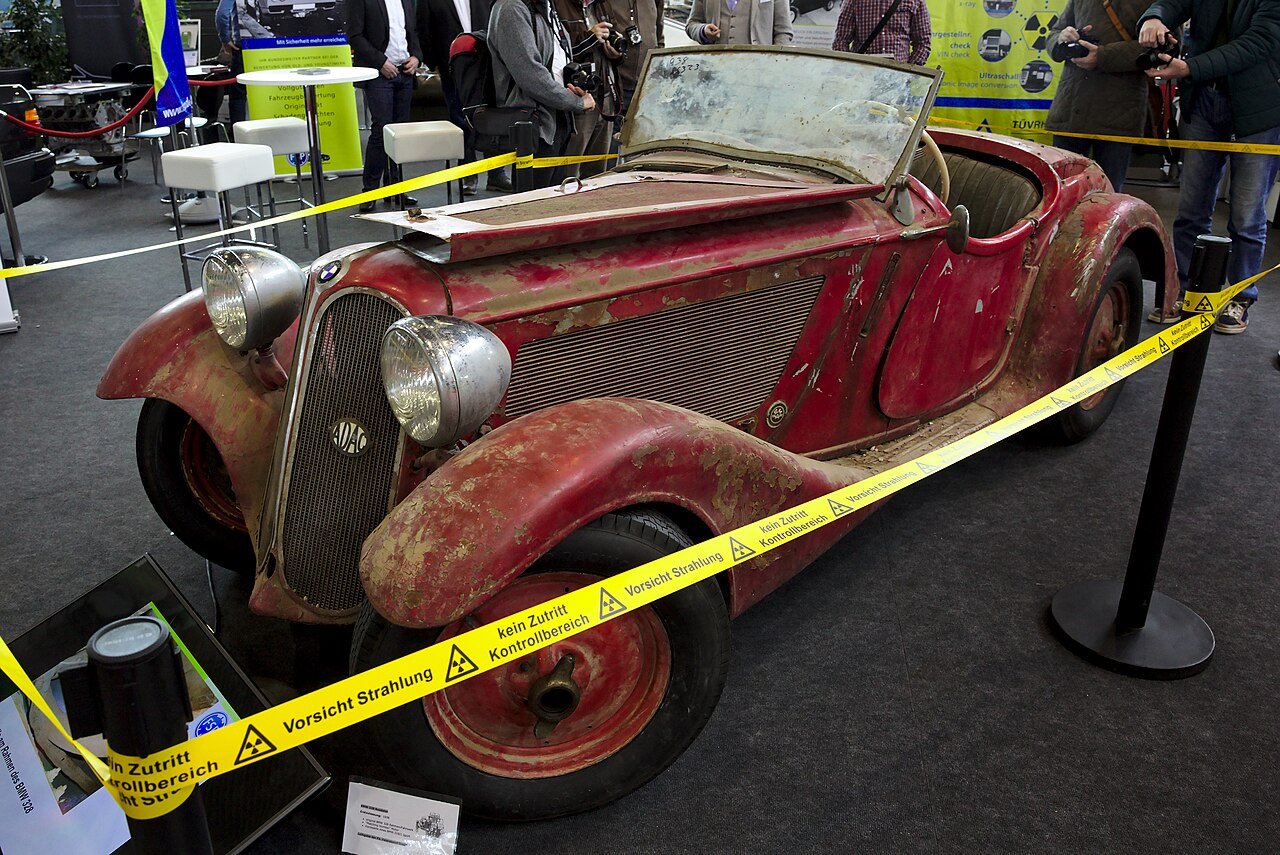
An old, neglected vehicle discovered in storage (often a barn, garage, or shed) after years or decades of inactivity. Often valuable for restoration.
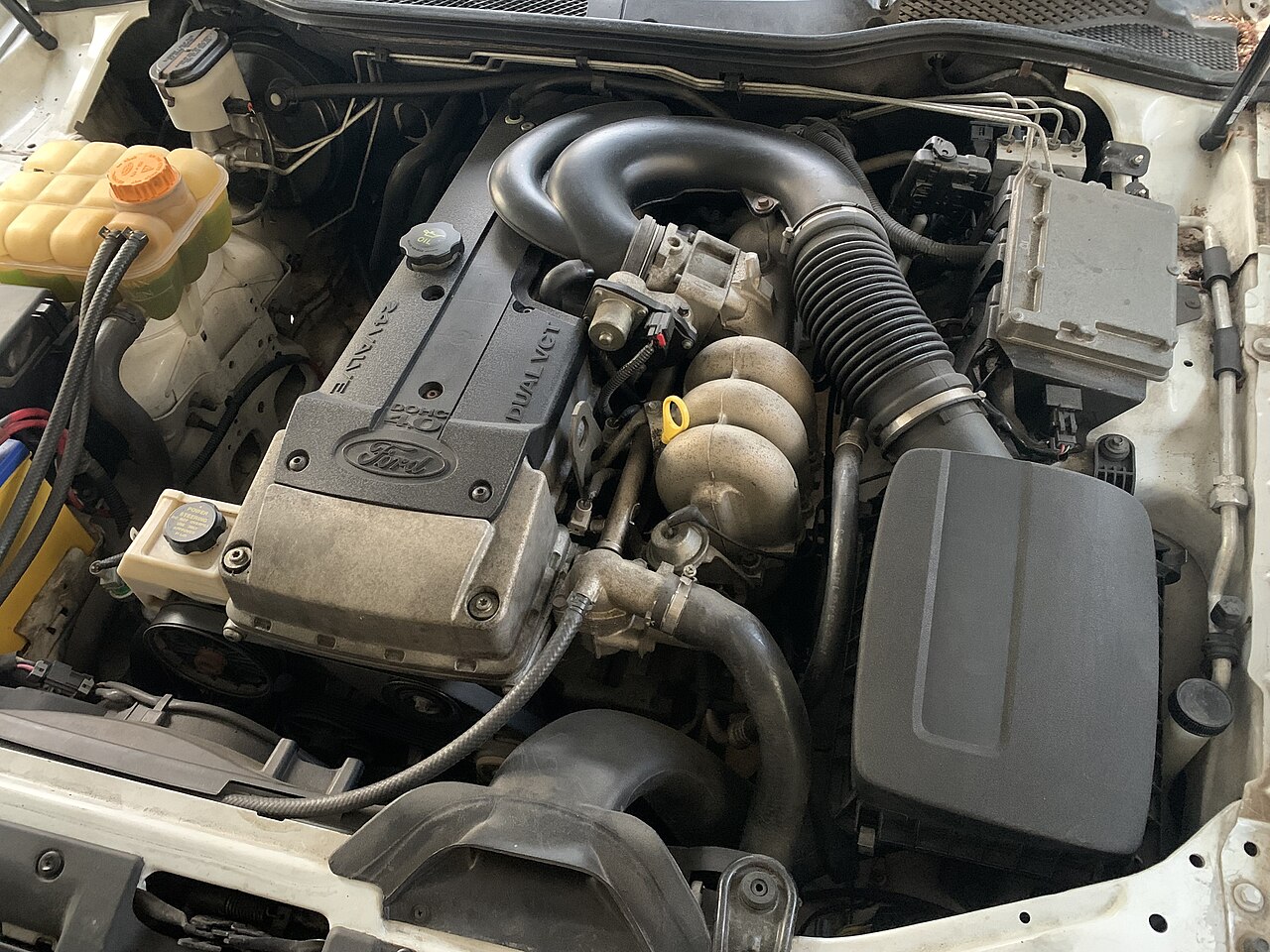
Ford Australia's turbocharged 4.0-litre inline-six, famous for immense strength and a cult following for big-power builds.
A wheel with a clamping mechanism that locks the tire bead to the wheel rim, allowing low tire pressures without losing the bead. Used in off-road and racing.
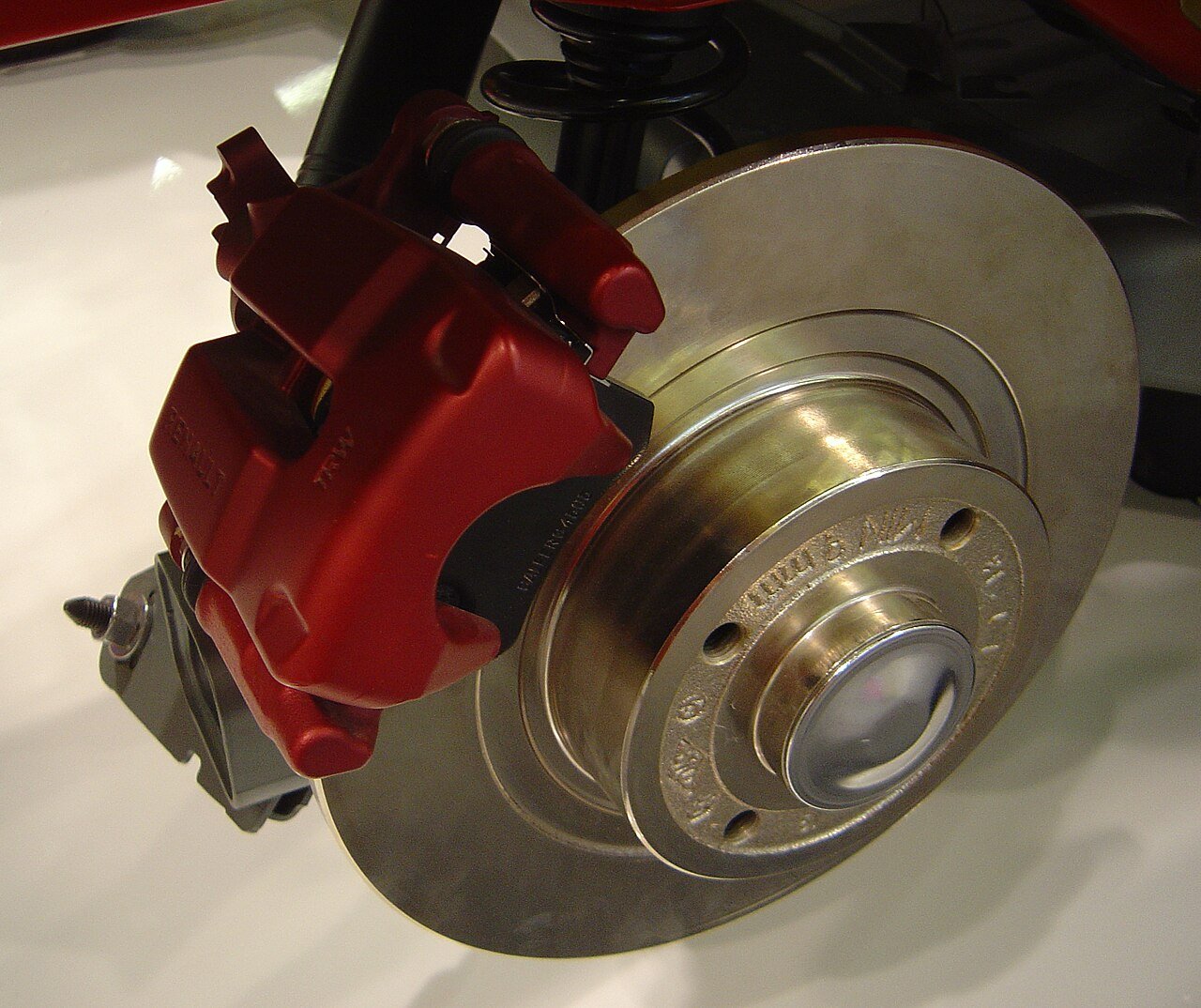
An aftermarket brake upgrade with larger rotors, multi-piston calipers, and stainless steel braided lines. Common in track-focused builds.
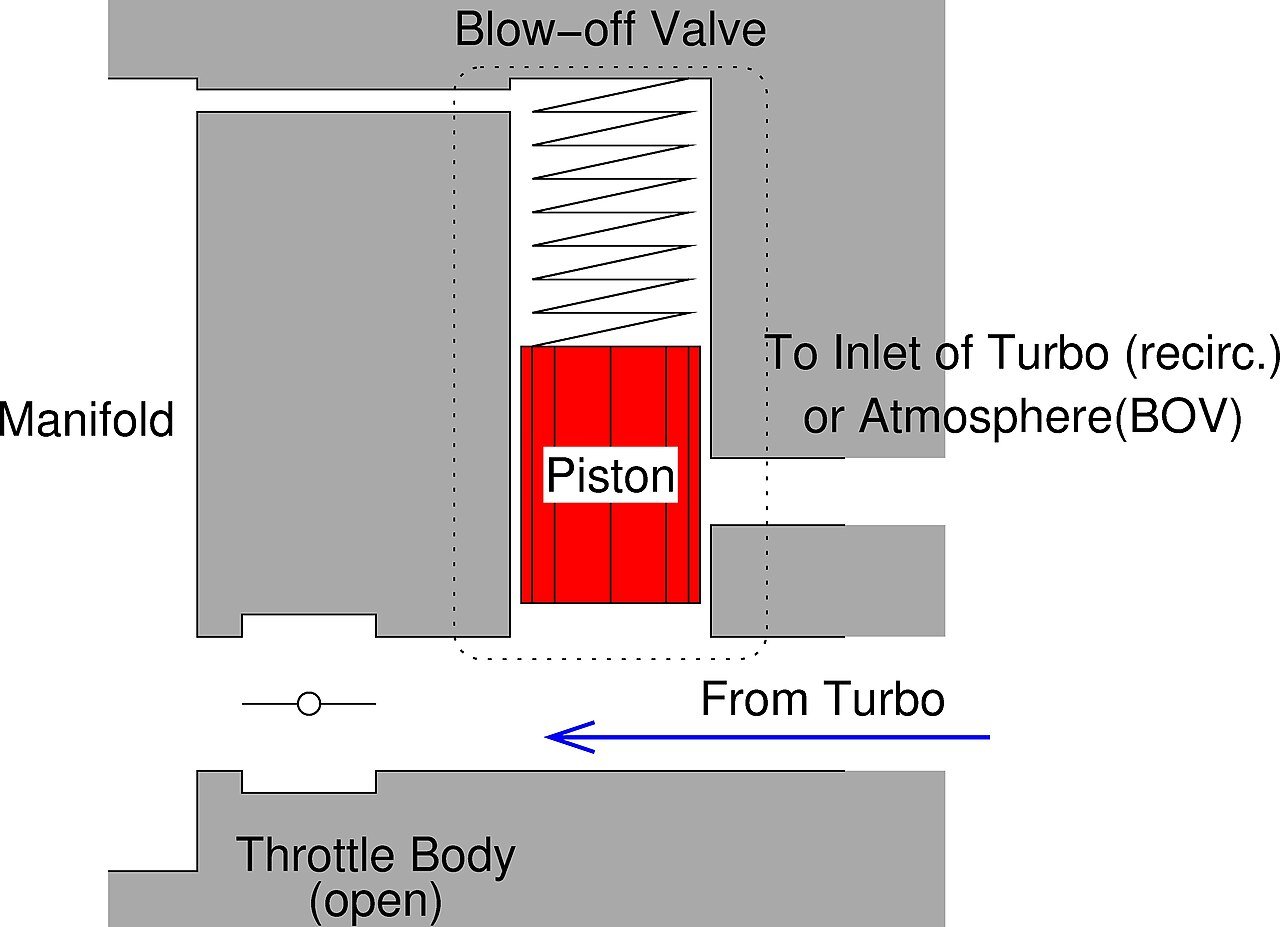
A valve that vents pressurized intake air when the throttle closes on a turbocharged engine, producing the familiar whoosh.
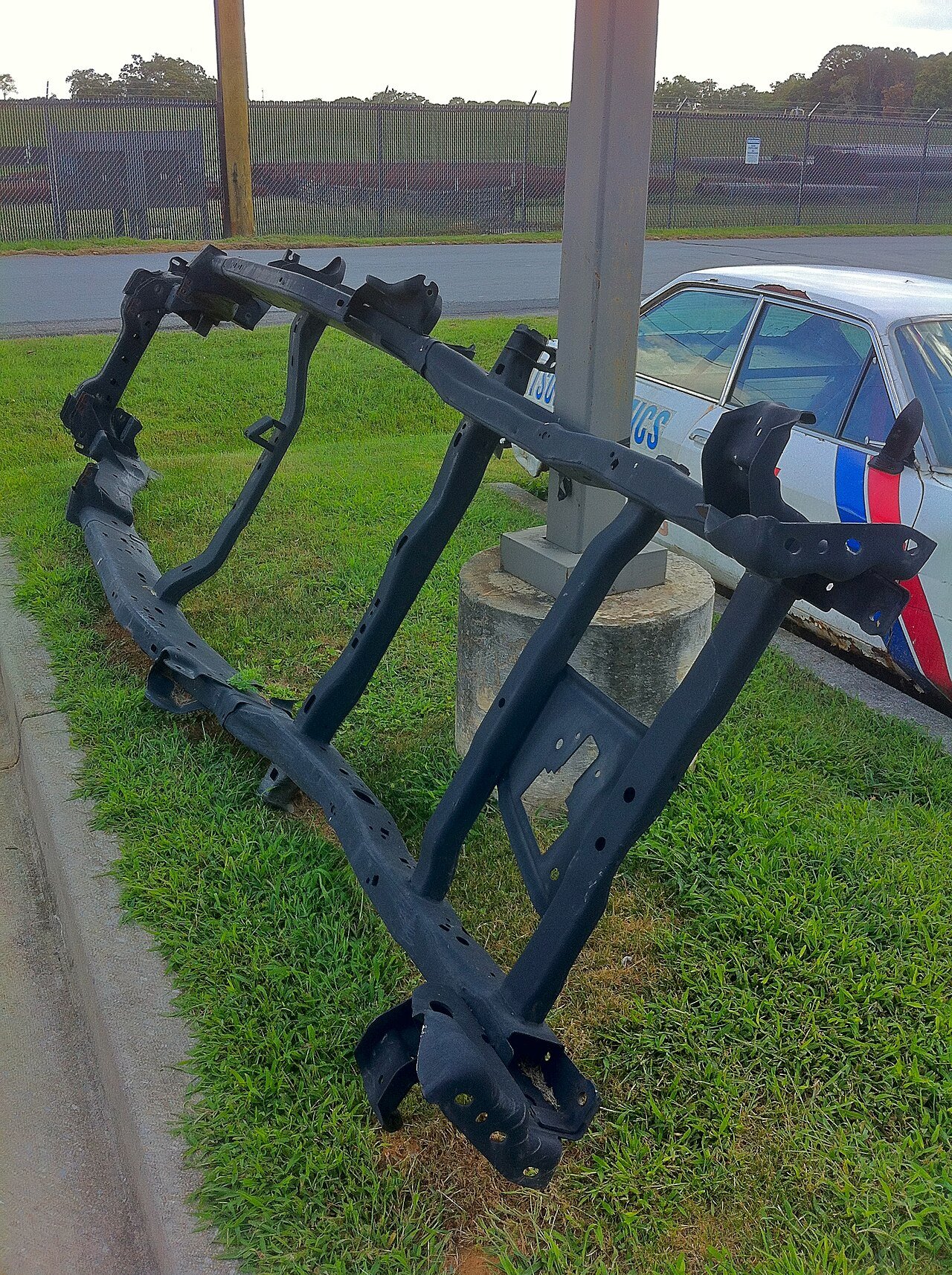
A vehicle structure where the body sits on a separate ladder frame. Common in trucks, traditional SUVs, and serious off-roaders.
Body roll is the lean of a car's body toward the outside of a corner, caused by weight transfer compressing the outside suspension and extending the inside suspension as the car turns.
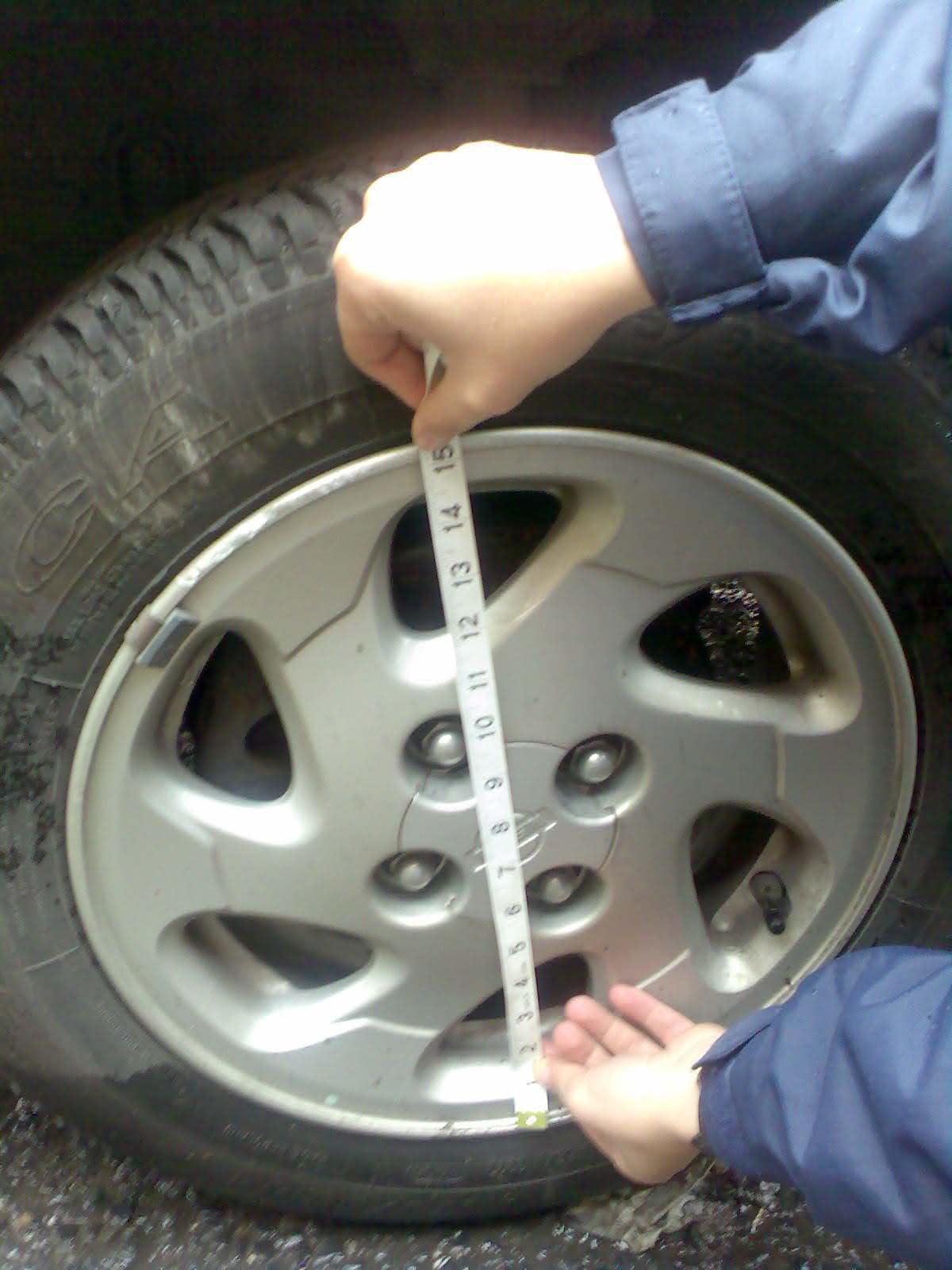
The number of lug bolts and the diameter of the circle on which they are arranged. Determines wheel-to-vehicle compatibility.
Bore is a cylinder's internal diameter and stroke is the distance the piston travels inside it; together they set displacement and shape whether an engine leans toward high revs or strong low-end torque.
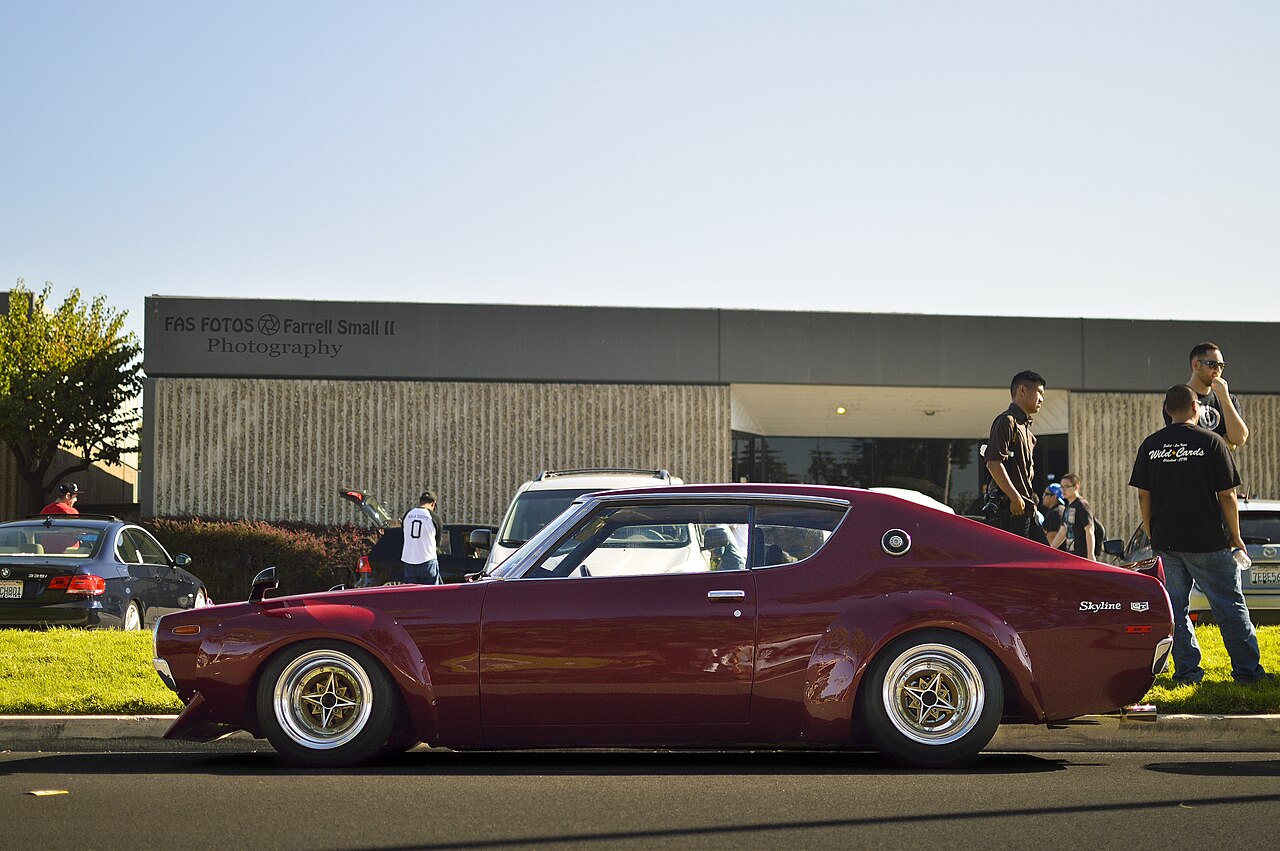
Japanese motorcycle gang culture from the 1970s-1980s, with a related car styling subculture featuring aggressive aero, exhaust, and paint schemes.
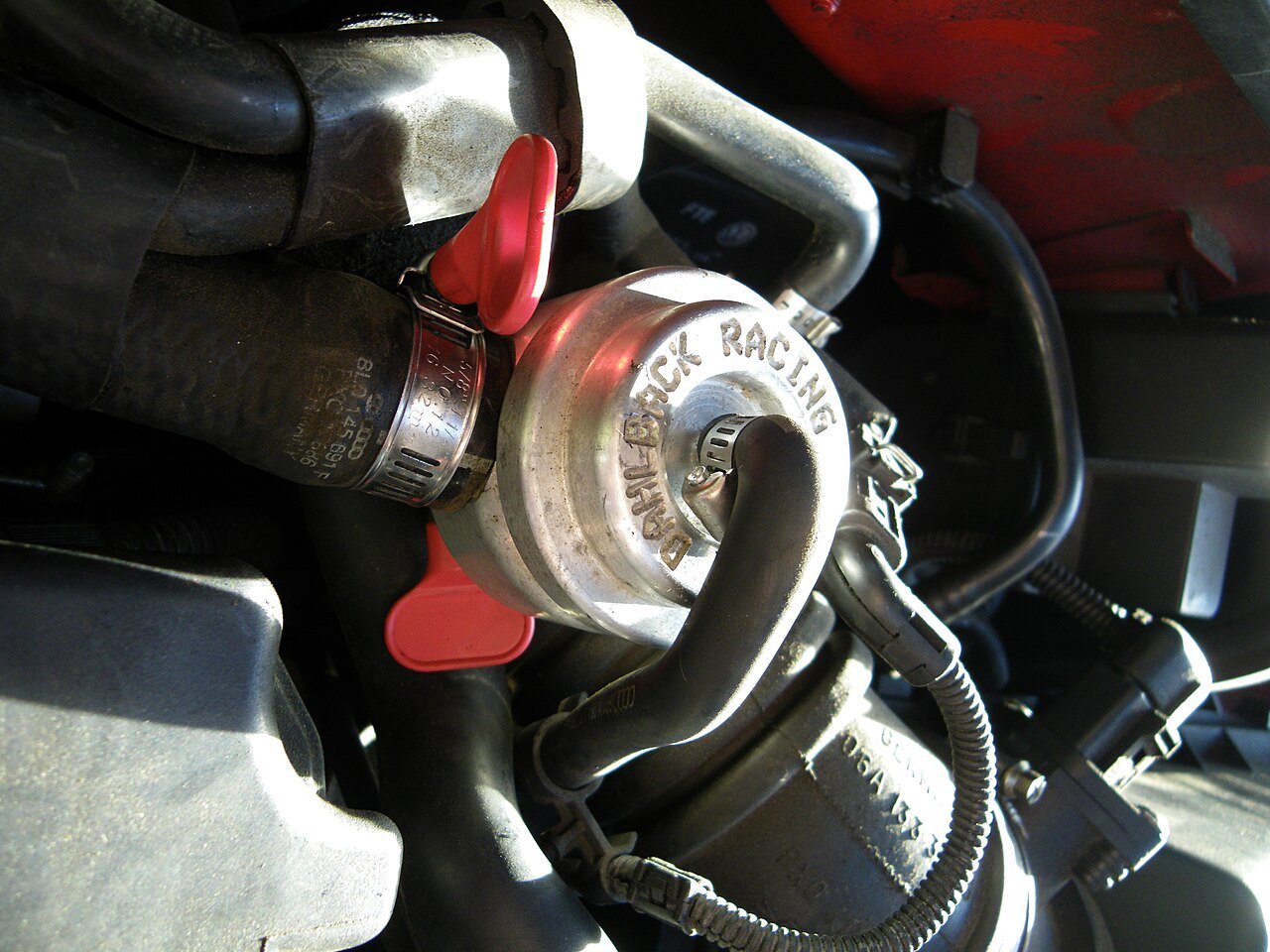
Blow-off valve. A valve that releases boost pressure when the throttle closes, preventing compressor surge in turbocharged engines. The famous "psh" sound.
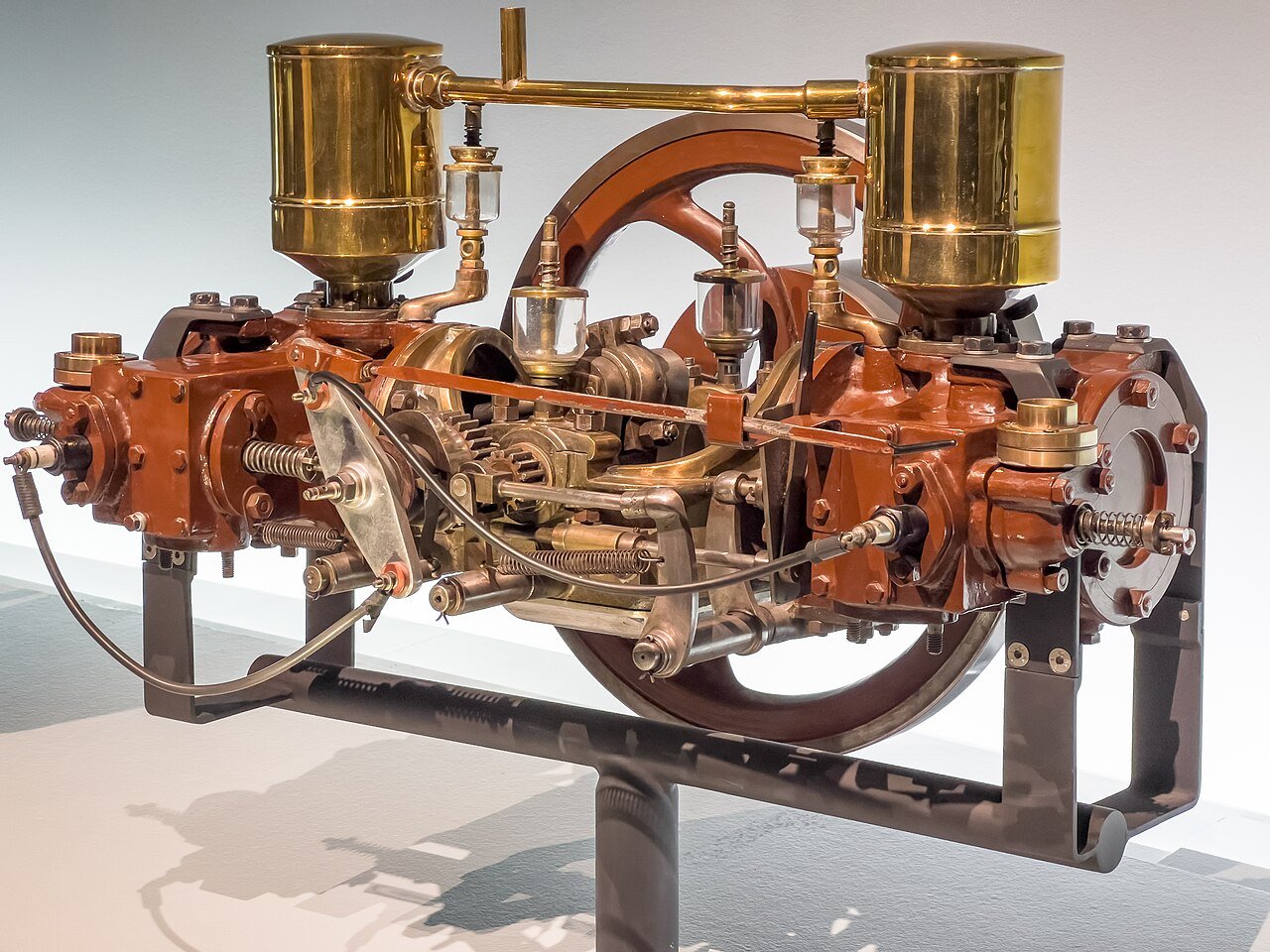
A boxer engine places its cylinders in two flat, horizontally opposed banks that punch outward like a boxer's fists, rather than in a V or inline layout.
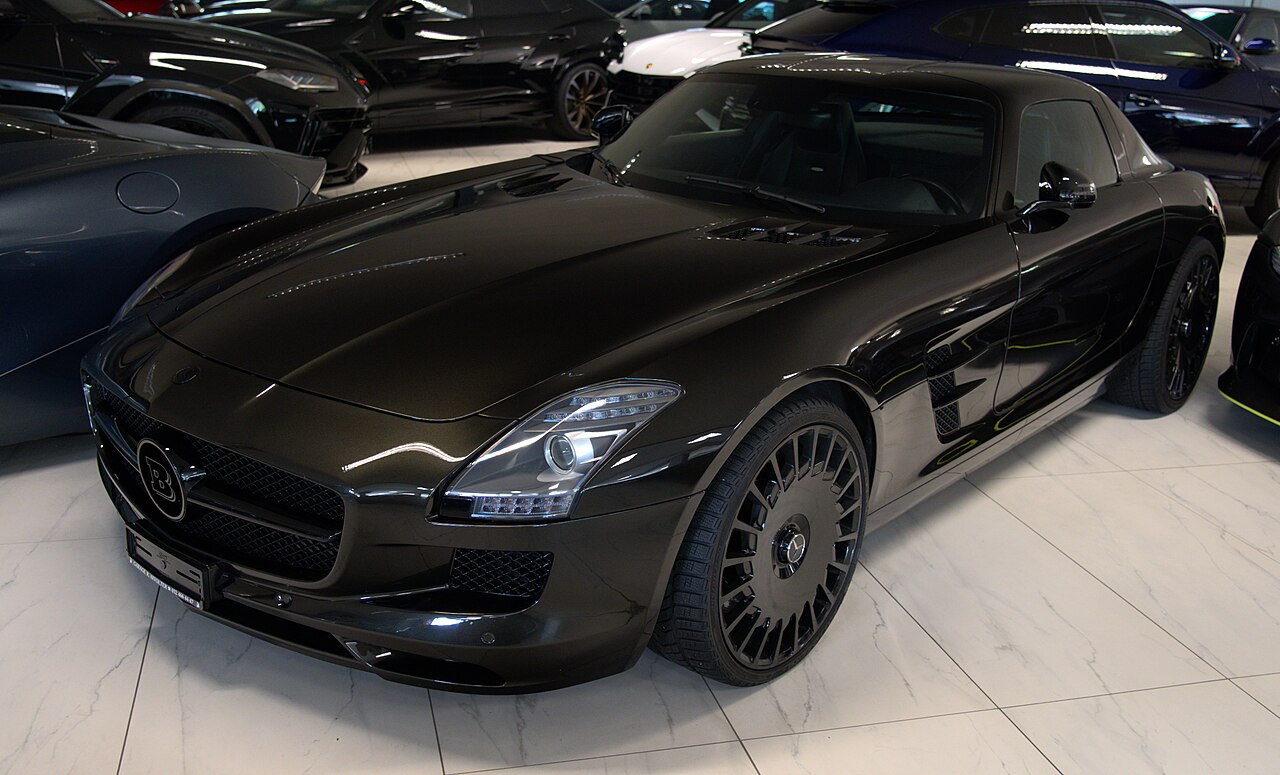
German Mercedes-Benz tuner founded 1977. Specializes in extreme performance and luxury modifications for Mercedes models, including the famous Brabus Rocket.
Brake bias is the front-to-rear split of braking force in a car, tuned so the front brakes do more of the work because weight shifts forward under braking.
Brake fade is a temporary loss of stopping power caused by overheated brake pads, rotors, or fluid, common during track days and long mountain descents.
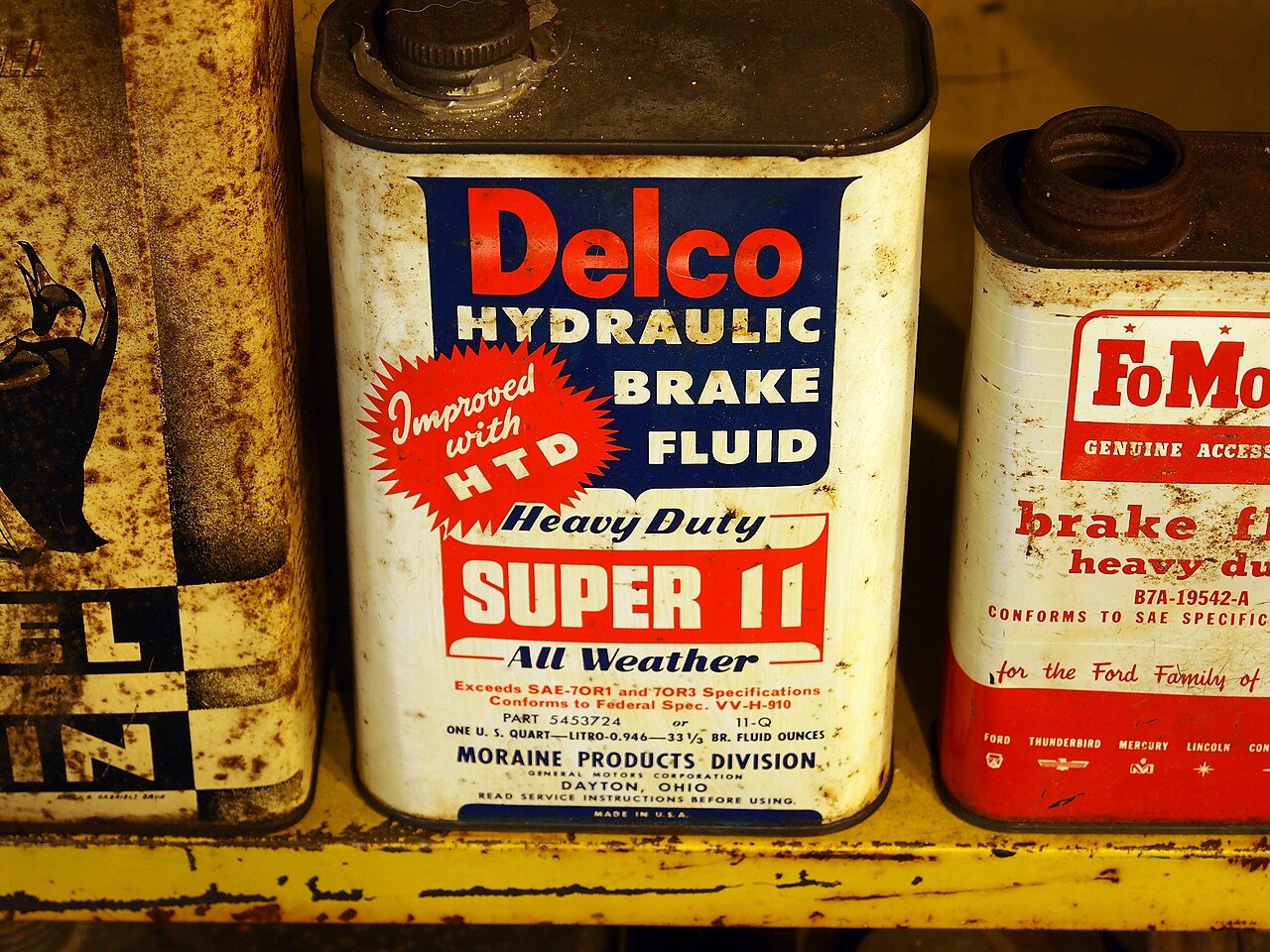
Hydraulic fluid that transfers force from the brake pedal to the brake calipers. Must be replaced periodically due to moisture absorption.
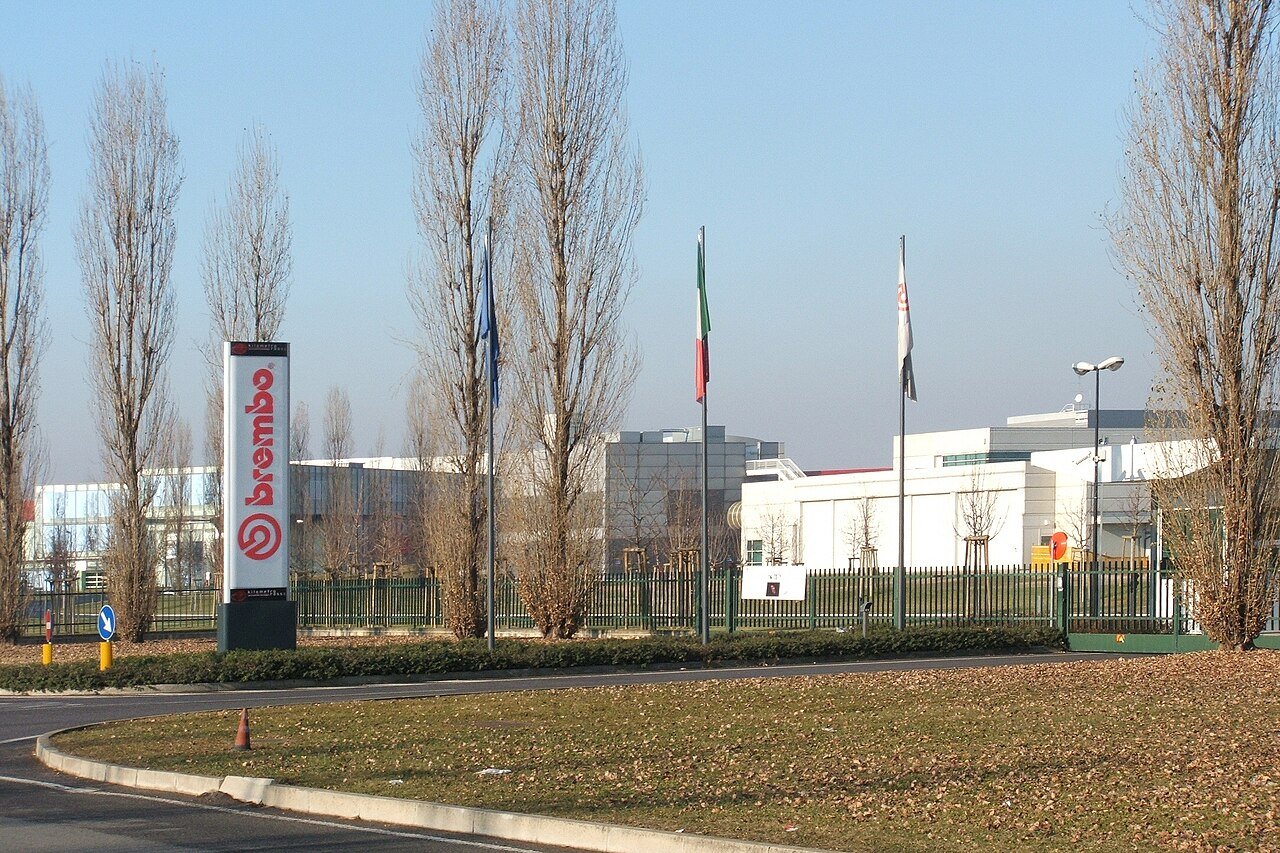
Brembo is an Italian brake systems manufacturer that supplies both OEM and aftermarket high-performance brakes, including big brake kits and Formula 1 components.
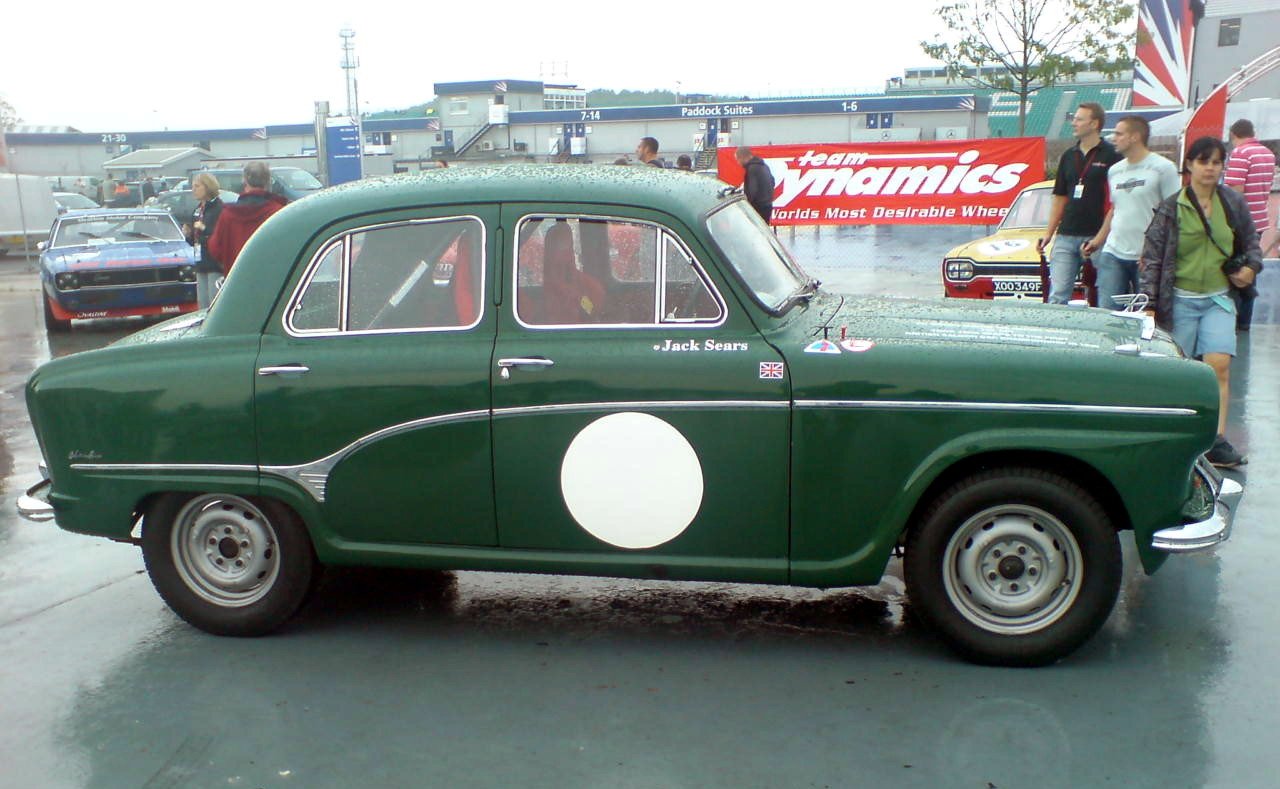
BTCC, the British Touring Car Championship, is a long-running UK racing series known for its close, contact-heavy racing among modified production-based cars.
C
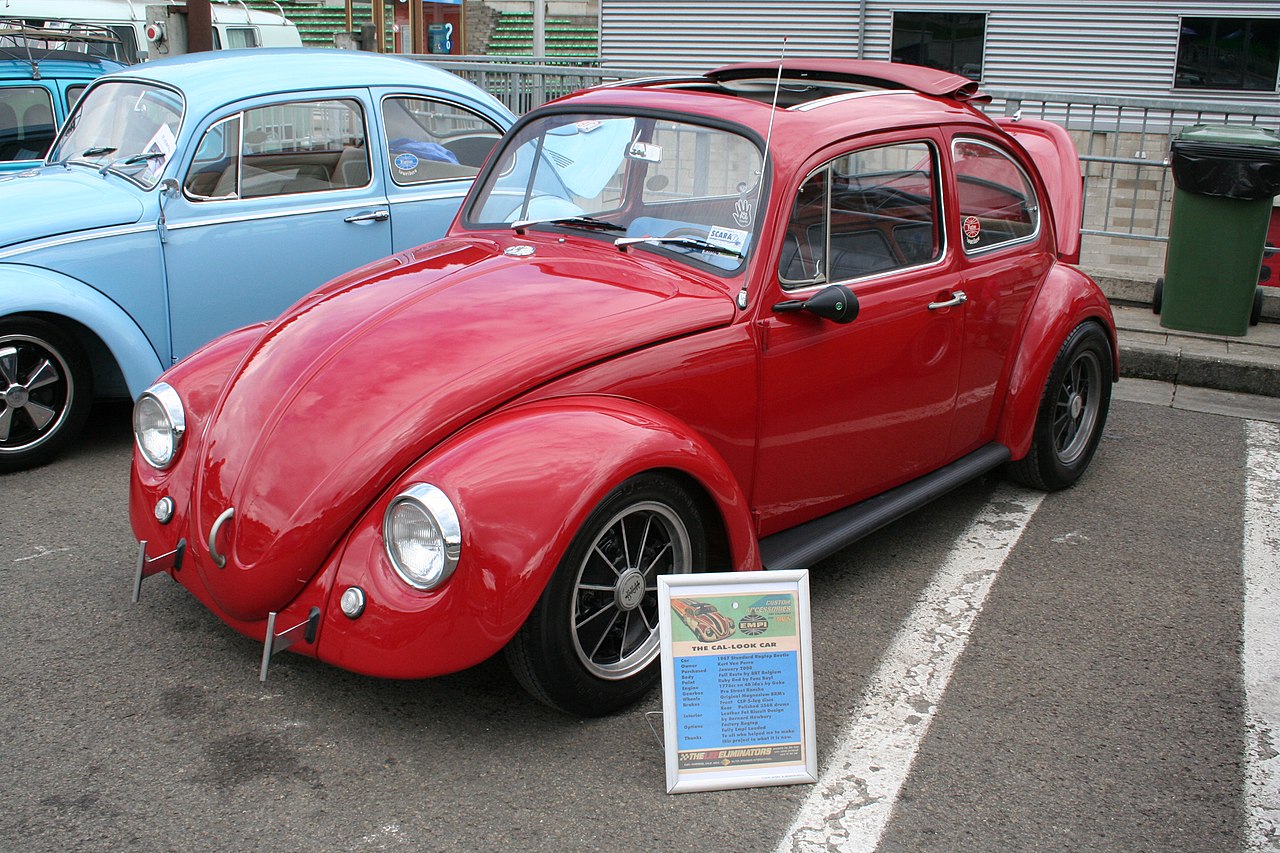
A 1960s and 1970s Volkswagen Beetle modification style. Lowered, fenderless or with cut fenders, with specific wheels and clean detailing. California origin.
The angle of the wheel relative to vertical when viewed from the front. Negative camber tilts the top of the wheel toward the car center.
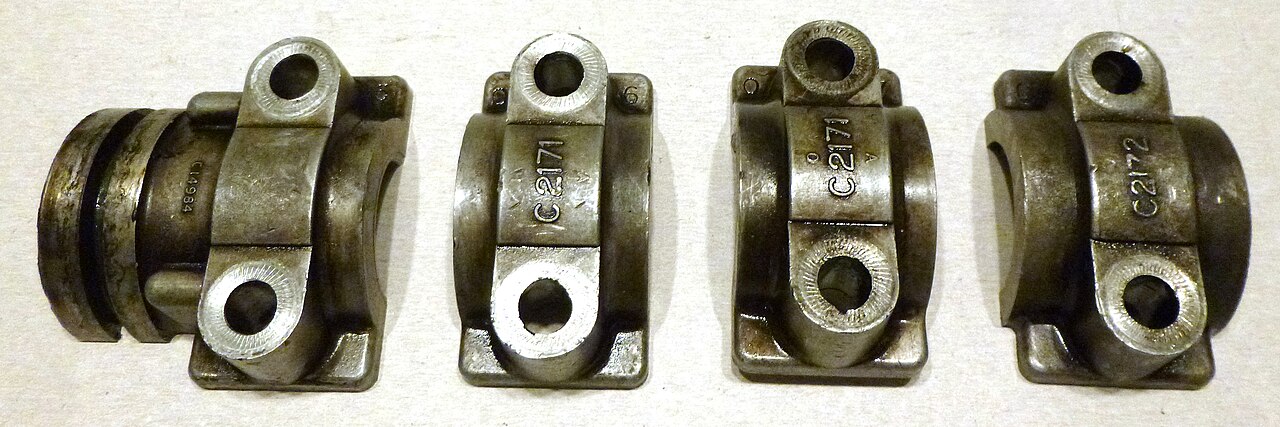
The shaft with lobes that operate intake and exhaust valves. Camshaft profile (lift, duration, timing) determines engine power characteristics.
A truck modification that raises the front end and leaves the rear low, so the vehicle drives nose-up. Banned in several states.
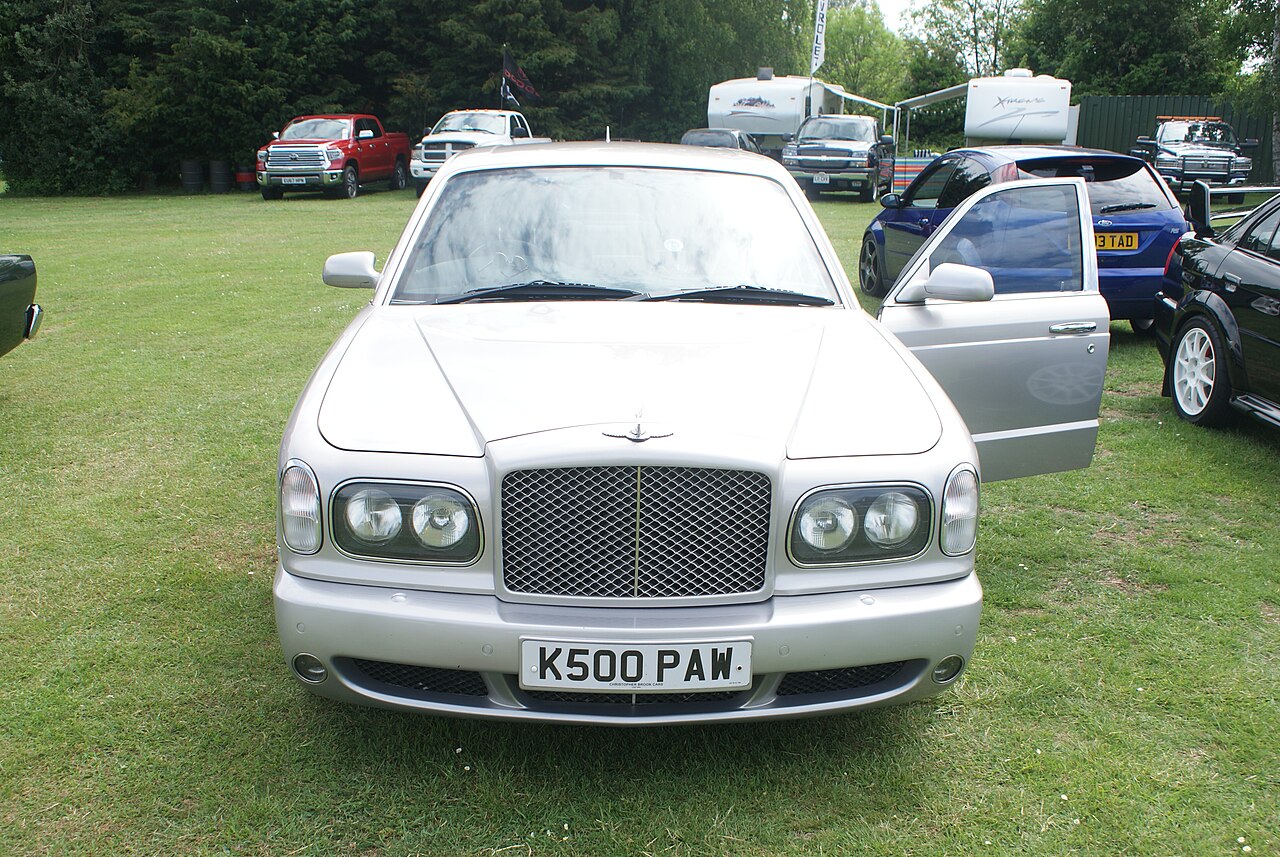
An informal grassroots car meet format held in parking lots on weekend mornings, where enthusiasts gather to display and discuss their vehicles over coffee with no registration or entry fee required.
The rearward or forward tilt of the steering axis when viewed from the side of the vehicle, affecting straight-line stability, steering return-to-center, and high-speed handling.
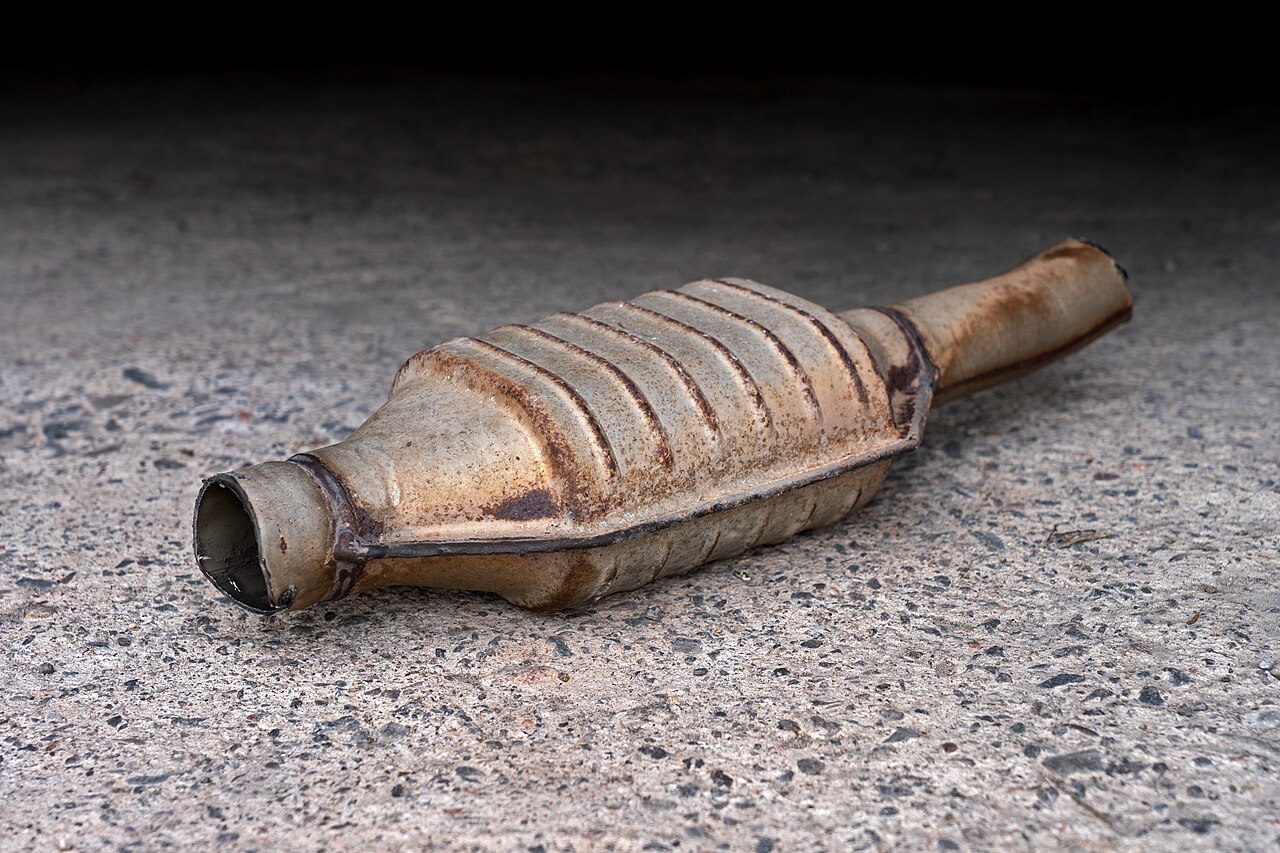
An emissions device that converts exhaust pollutants into less harmful gases. Required for emissions compliance; often replaced or removed in racing.
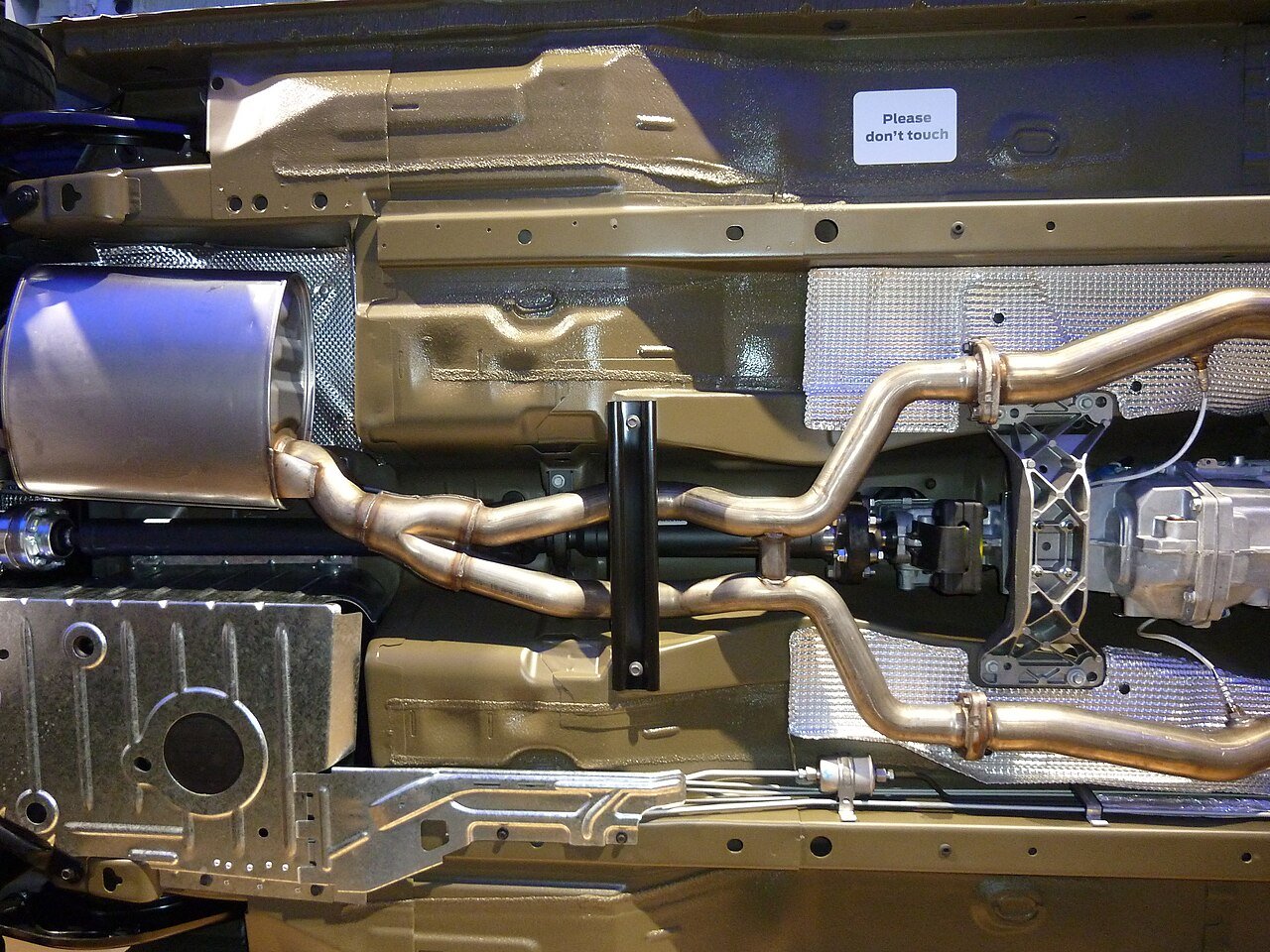
An aftermarket exhaust system replacing everything from the catalytic converter back. The most common exhaust upgrade.
A chicane is a tight, S-shaped sequence of turns added to a track to slow cars down, often placed before a straight for safety or to create overtaking opportunities.
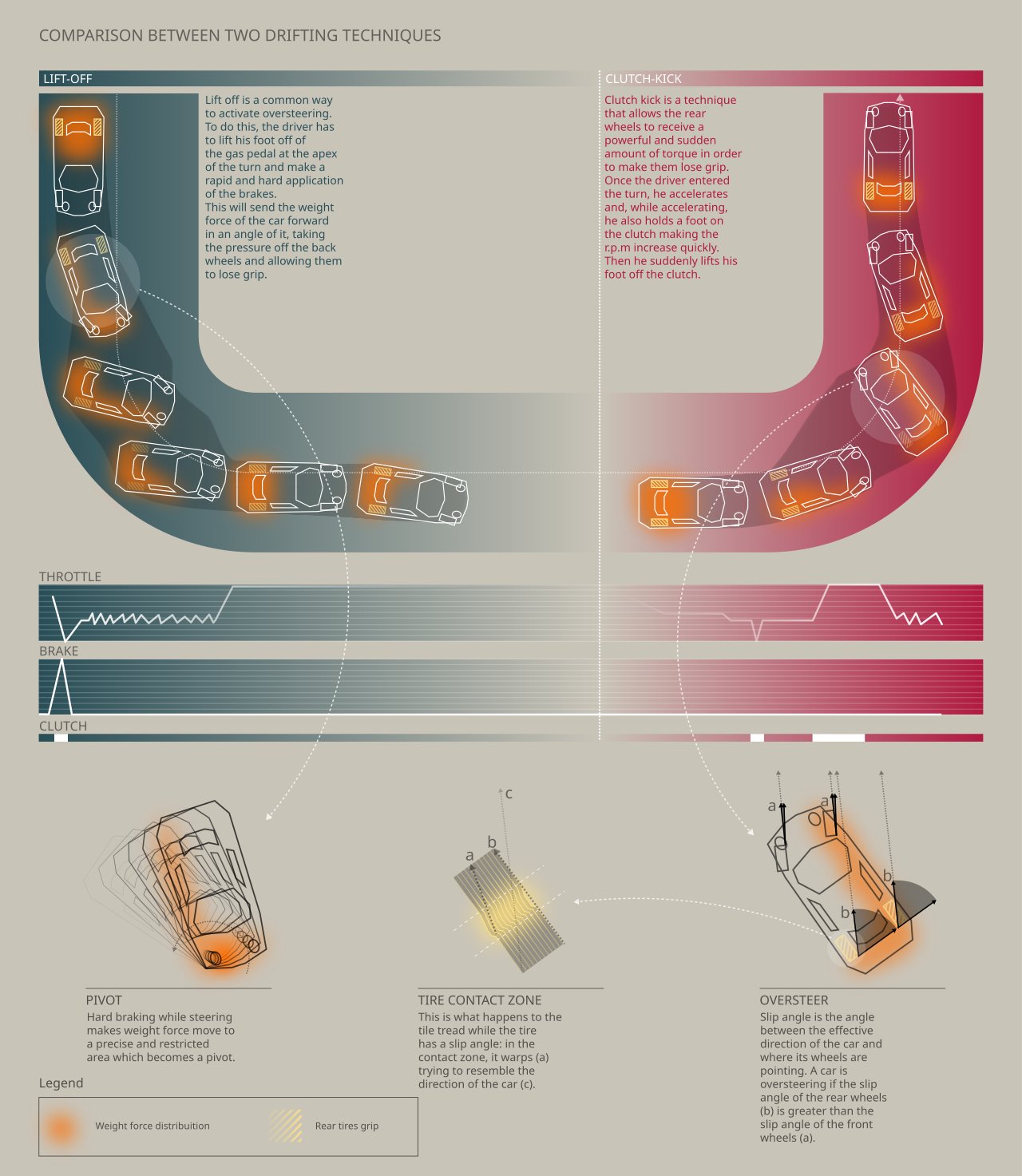
A drift initiation technique where the driver rapidly depresses and releases the clutch to spike engine RPM and send a sudden torque pulse to the rear wheels, breaking traction to start a slide.
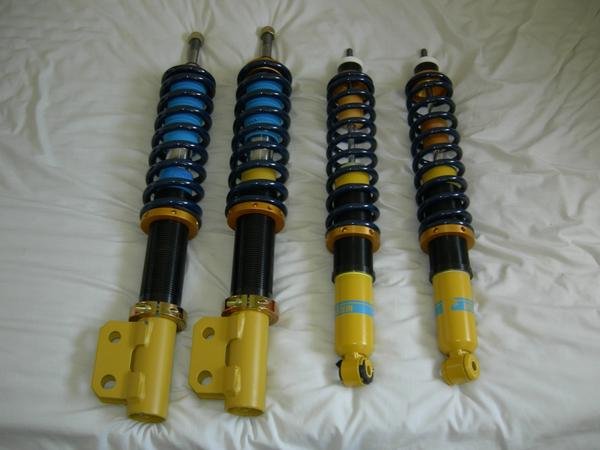
An adjustable suspension system combining the coil spring and damper into one unit, with adjustable height and damping rate.
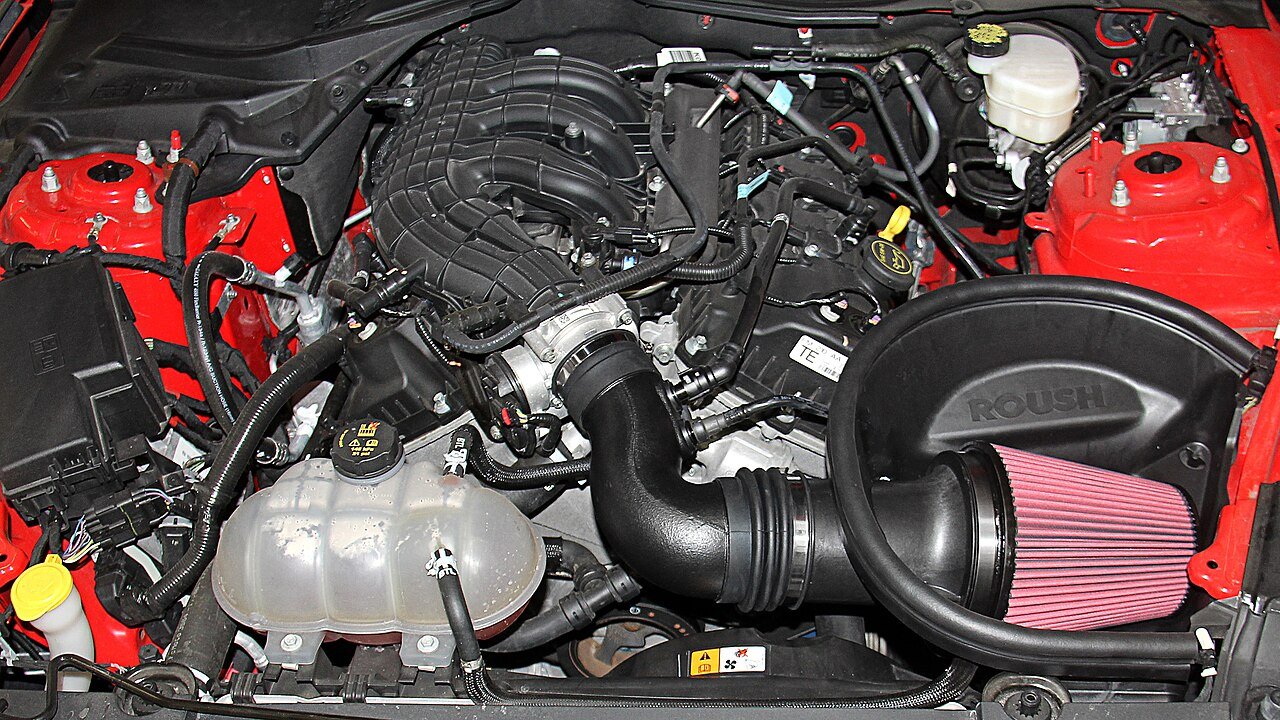
An aftermarket air intake system designed to draw cooler air from outside the engine bay, increasing engine power slightly.
The ratio between the cylinder volume at BDC (bottom dead center) and at TDC (top dead center). Higher ratios make more power but require higher octane fuel.
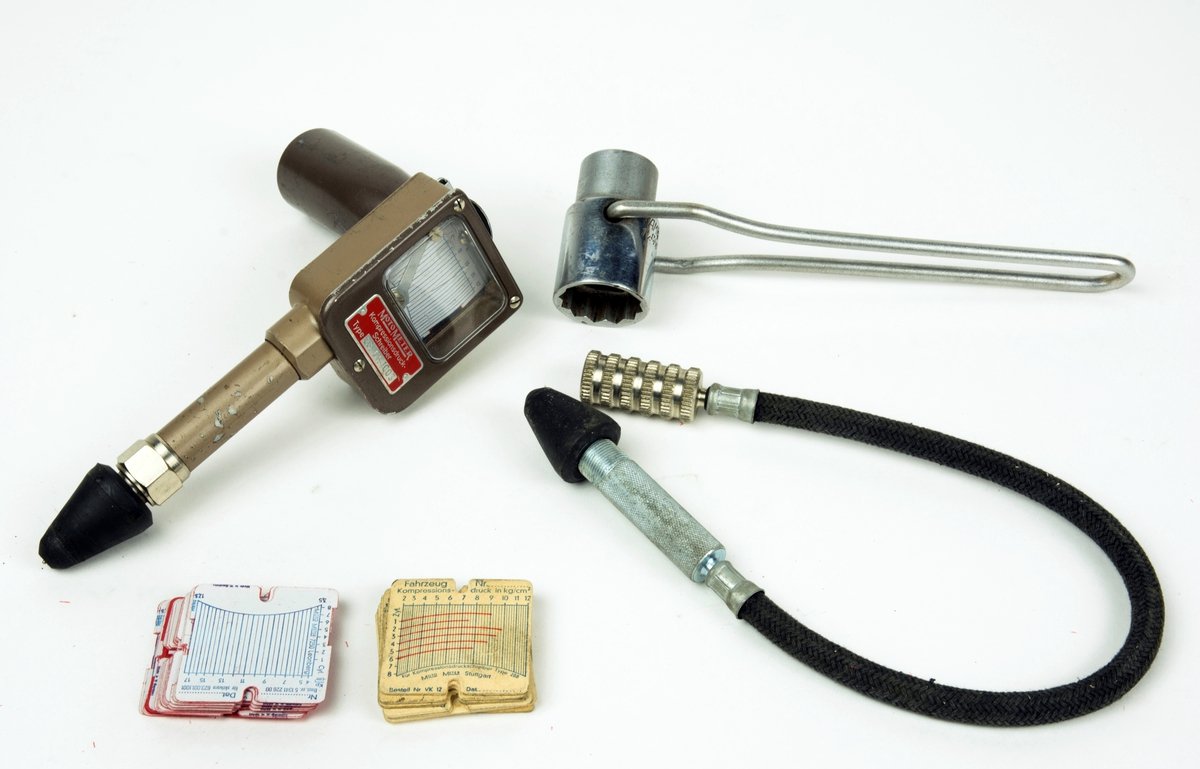
Measuring cylinder compression pressure to assess engine health. Compares each cylinder peak pressure to identify problems.
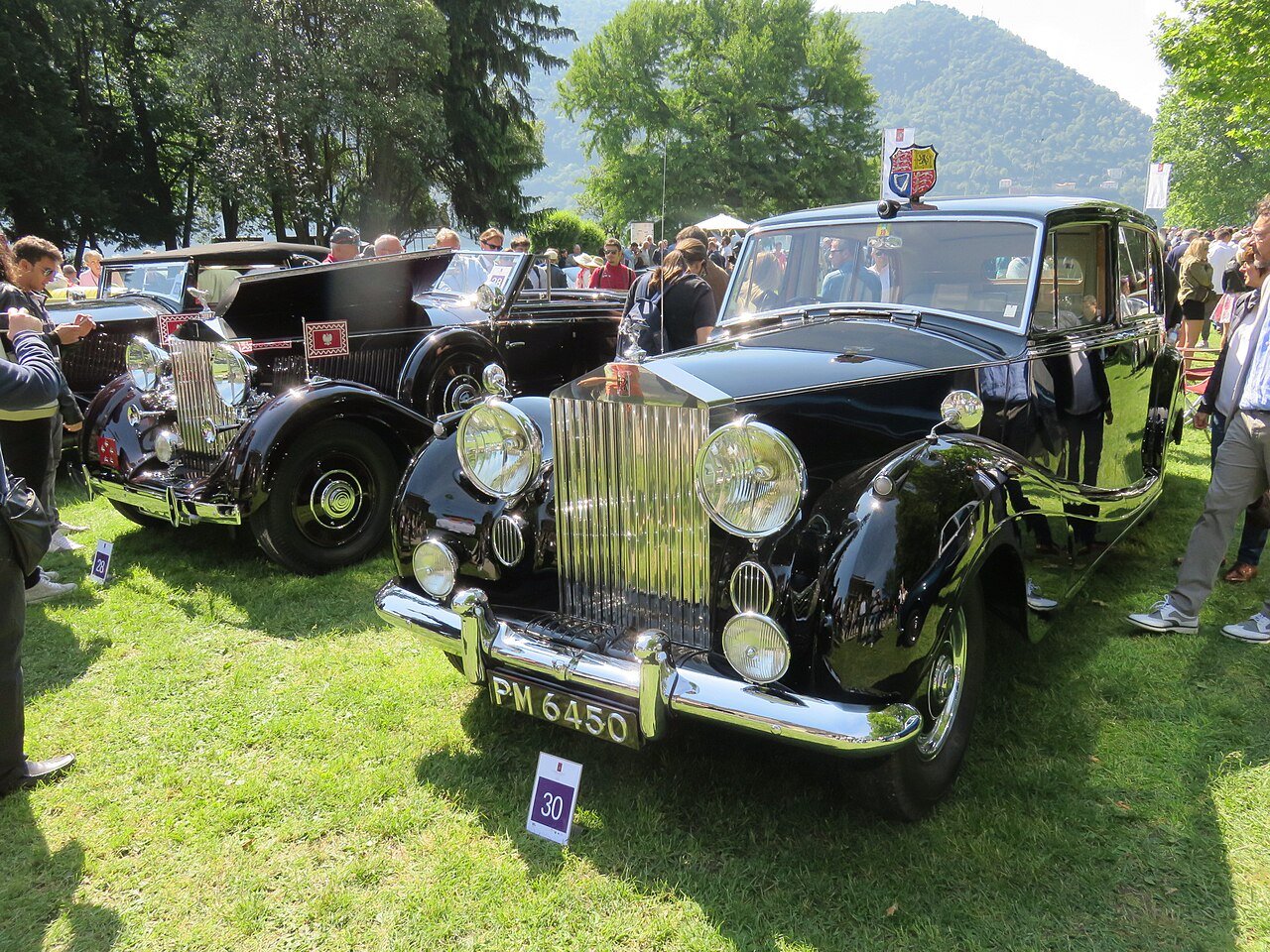
A concours d'elegance is a judged car show that scores entries on historical accuracy, originality, and condition rather than speed, with Pebble Beach as the most famous example.
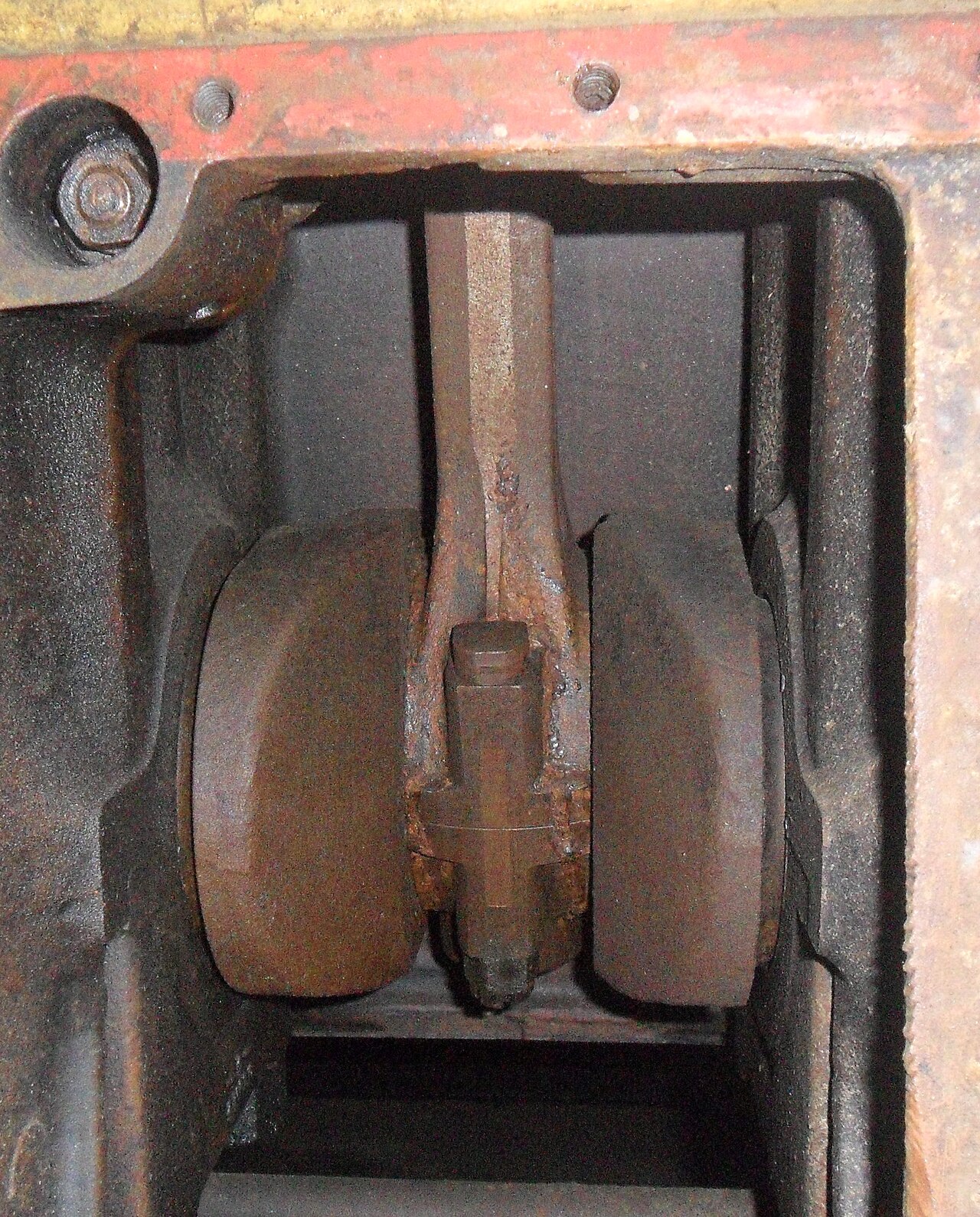
The rods connecting the pistons to the crankshaft. Stronger forged or billet rods are common in built engines for forced induction or high RPM.
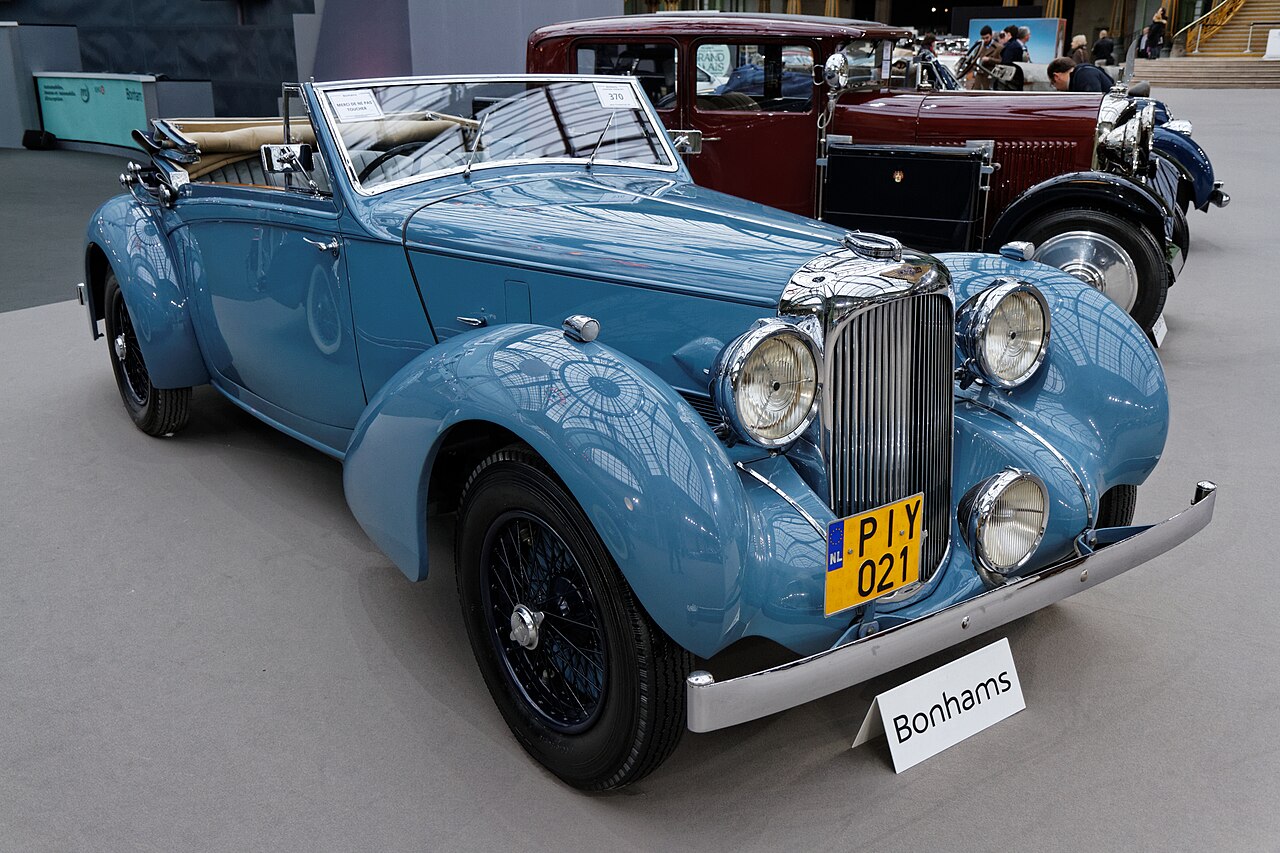
A car with a fully retractable roof that converts the body from coupe configuration to fully open-air. Soft-top, hard-top, or retractable hard-top variants exist.
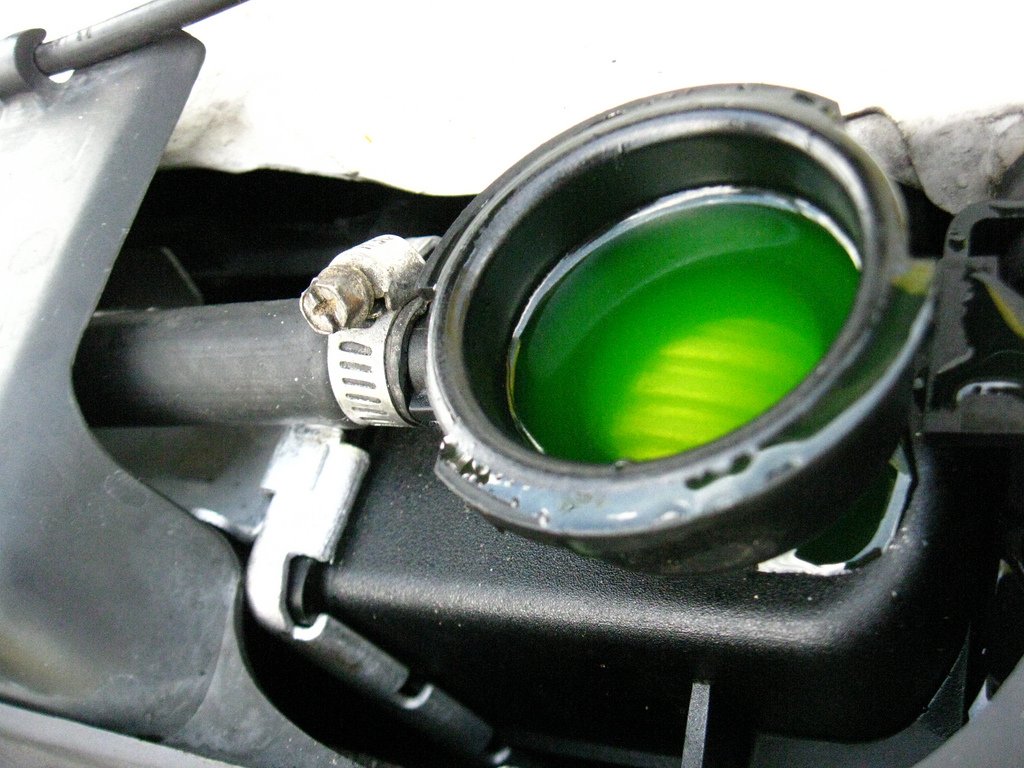
Removing old coolant and replacing it with fresh coolant. Required periodically to prevent corrosion and overheating.
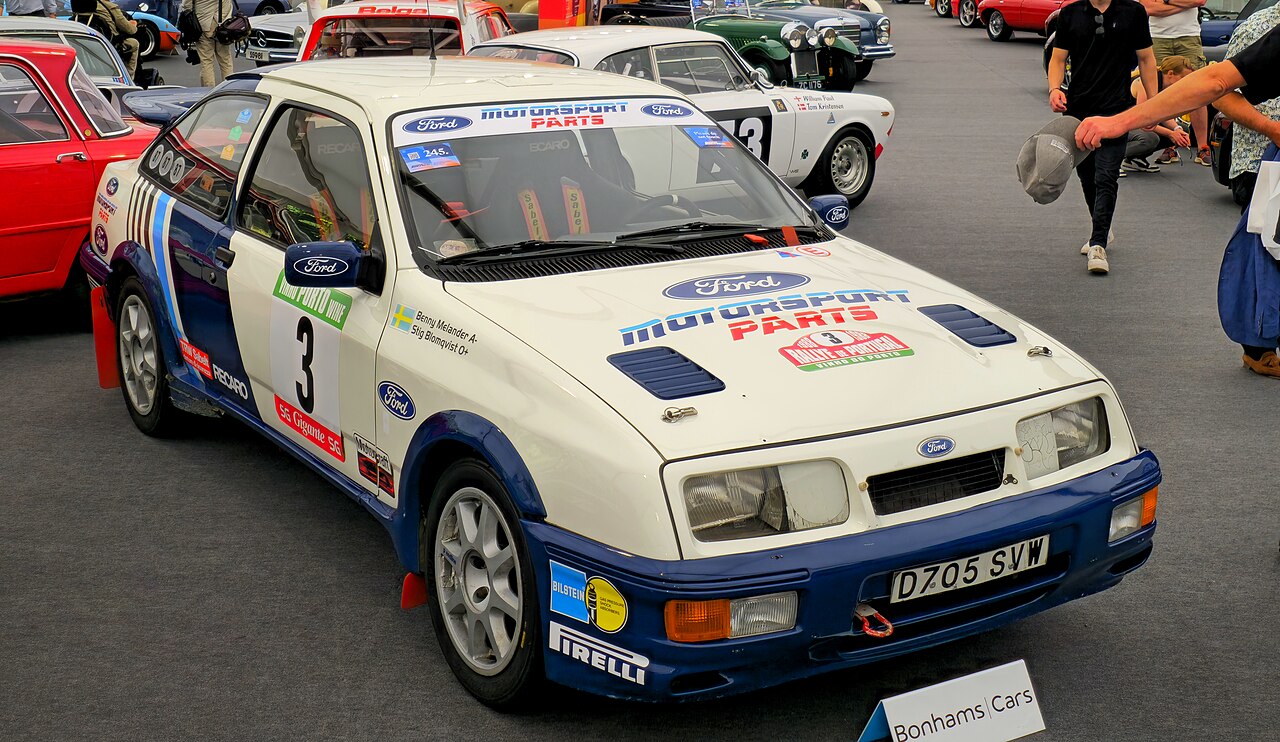
A British high-performance engineering company famous for its Formula 1 engines and for tuned road-car engines like the Ford Sierra Cosworth.
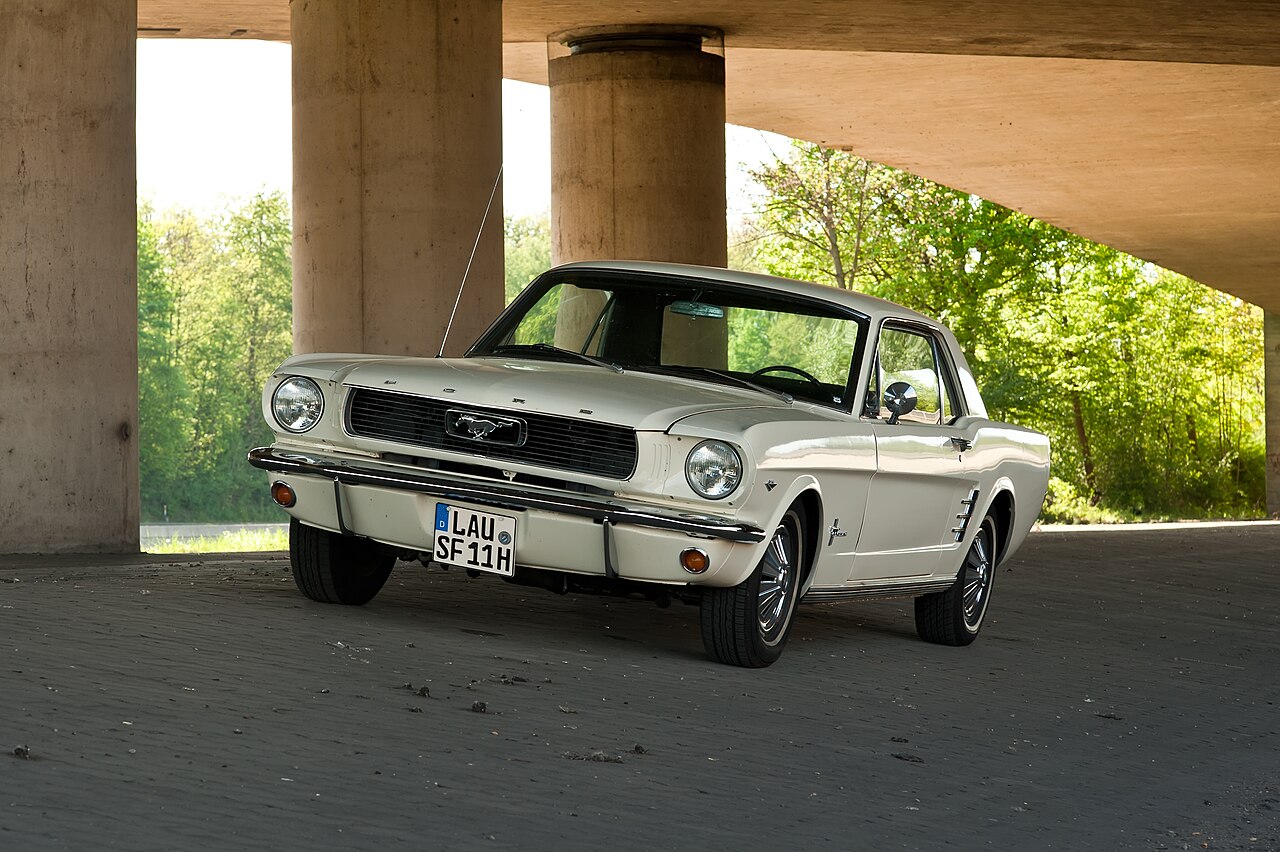
A two-door car body style, typically with a sport-oriented design. Distinct from sedan (four-door) and hatchback (rear hatch).
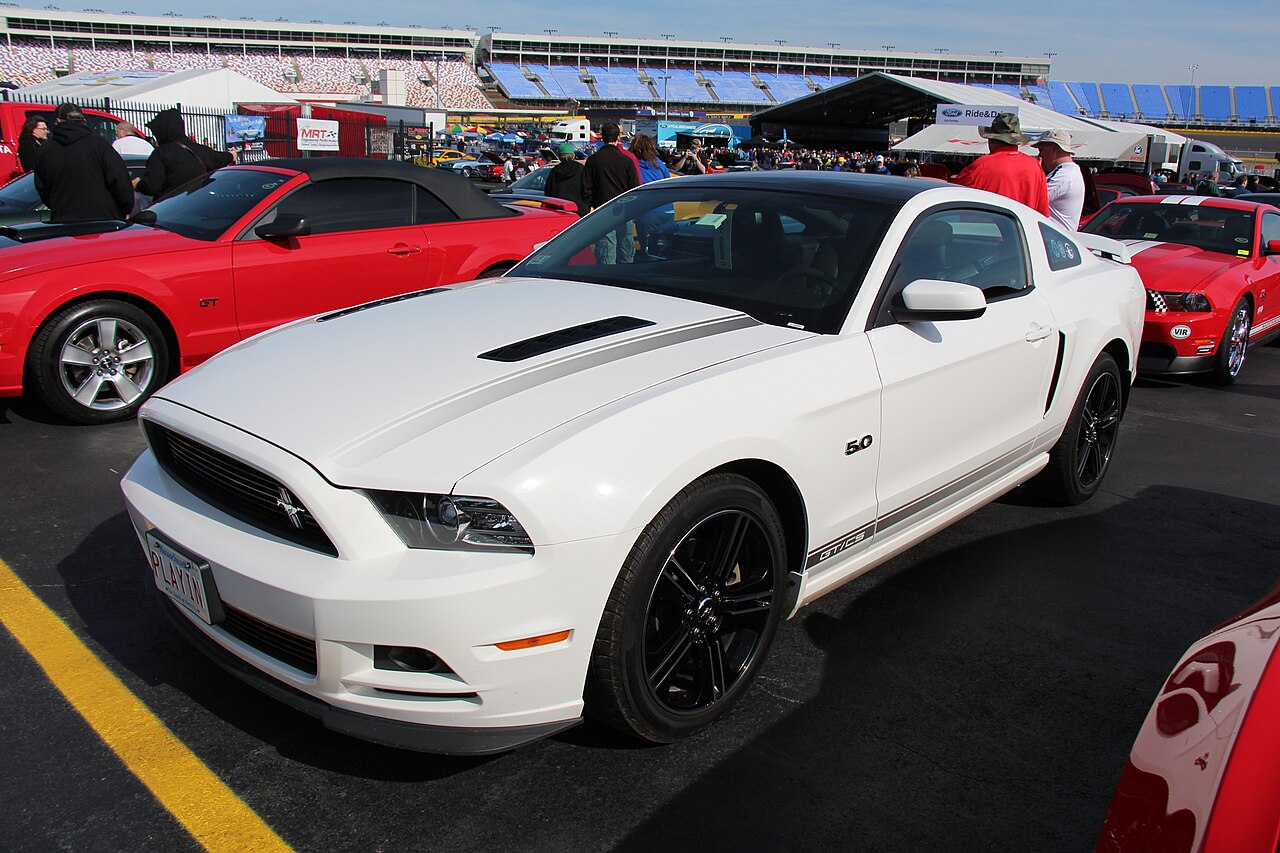
Ford's modern 5.0-litre naturally aspirated V8, introduced in the 2011 Mustang GT and known for high revs and strong tuning potential.
A crate engine is a complete, ready-to-install engine sold as a standalone unit, widely used for restomods, engine swaps, and replacement builds.
A CVT, or Continuously Variable Transmission, uses a belt and pulley system to provide an infinite range of gear ratios instead of a fixed set of gears.
D
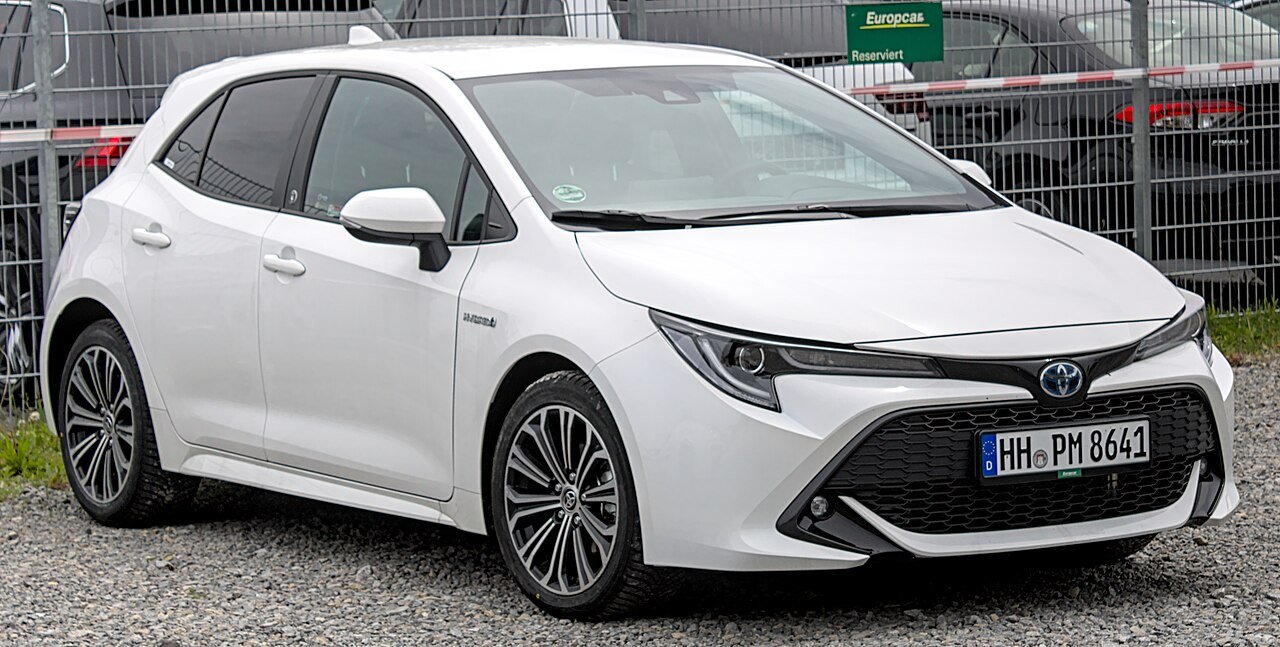
A car driven regularly for everyday transportation, as distinct from a weekend, project, or show car. Often abbreviated DD.
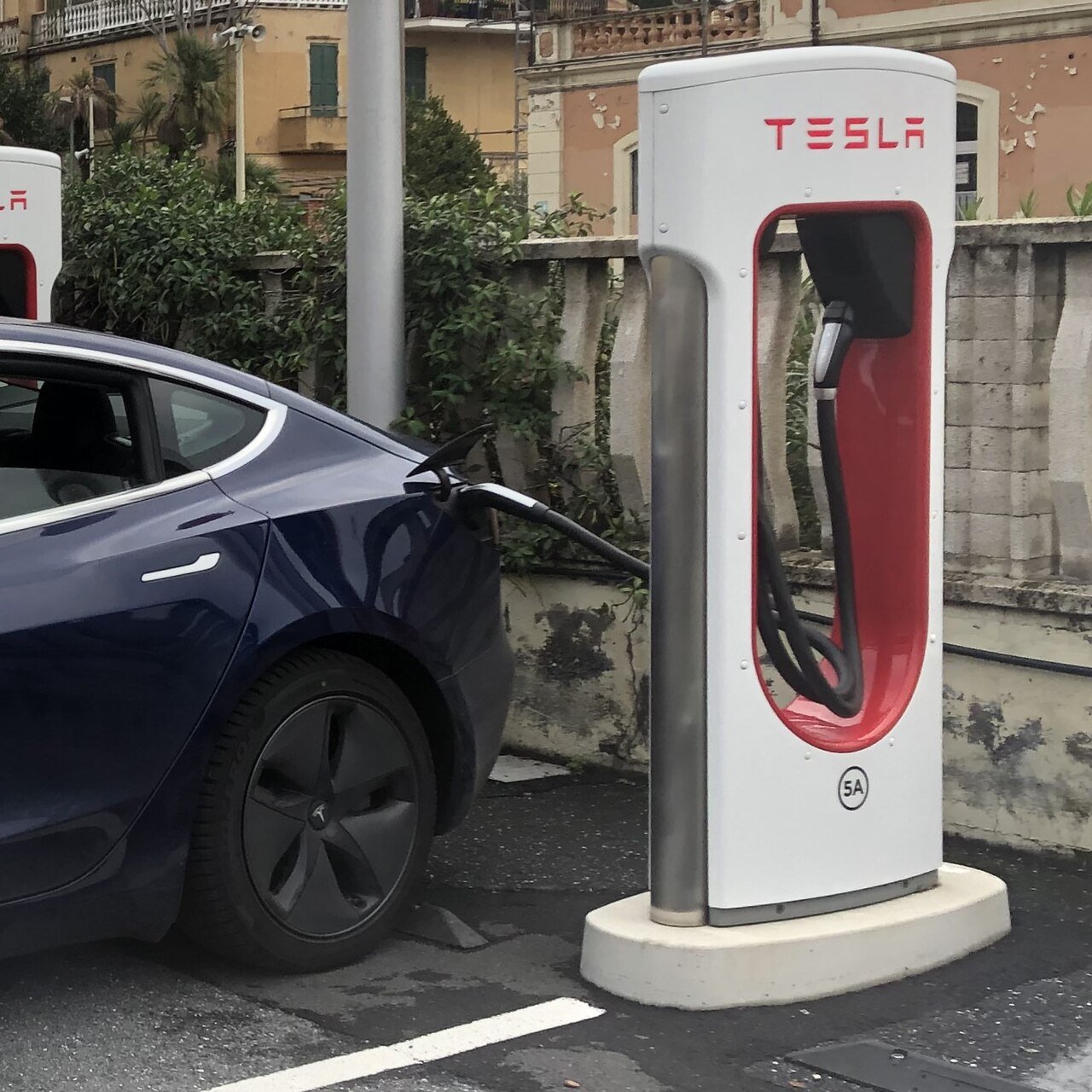
High-power EV charging that delivers direct current straight to the battery, adding significant range in minutes rather than hours.
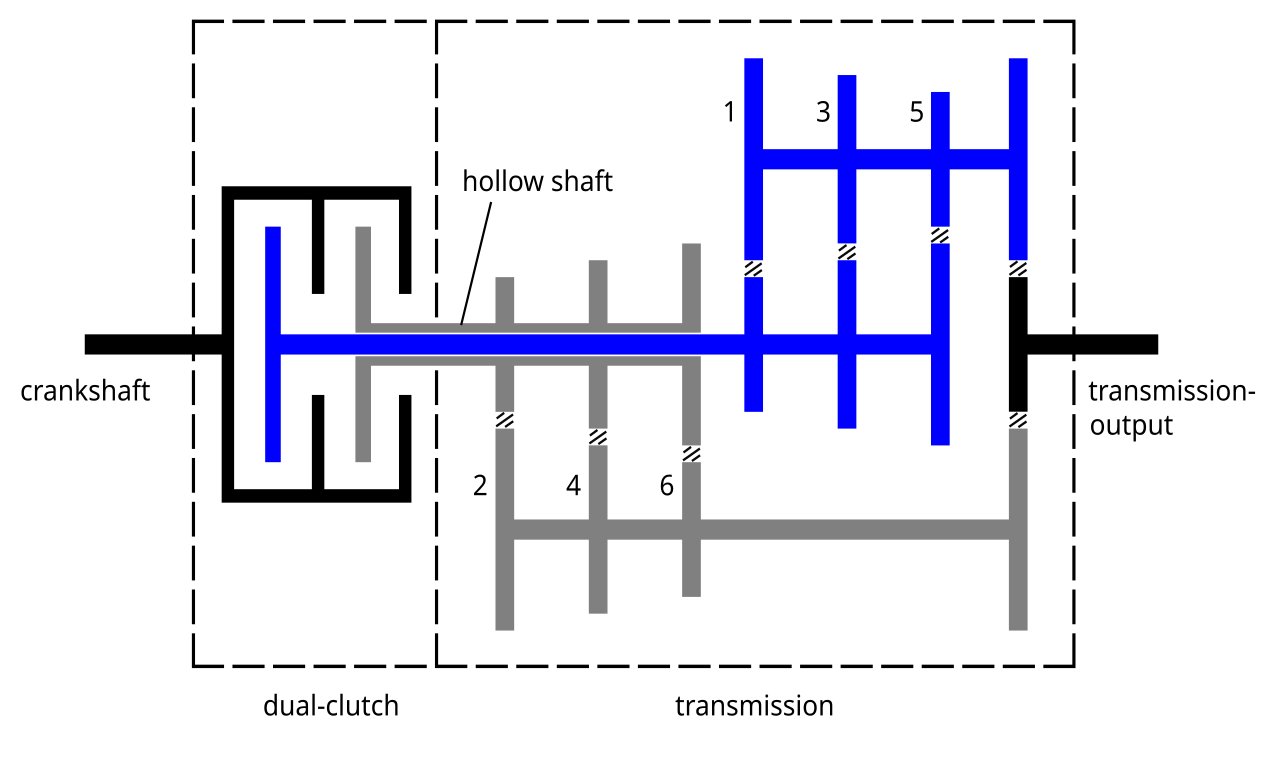
Dual-clutch transmission. An automated manual transmission using two separate clutches for odd and even gears, allowing fast shifts.
A wheel design where the outer lip extends significantly outward from the barrel, creating a concave face profile with a pronounced outer lip.
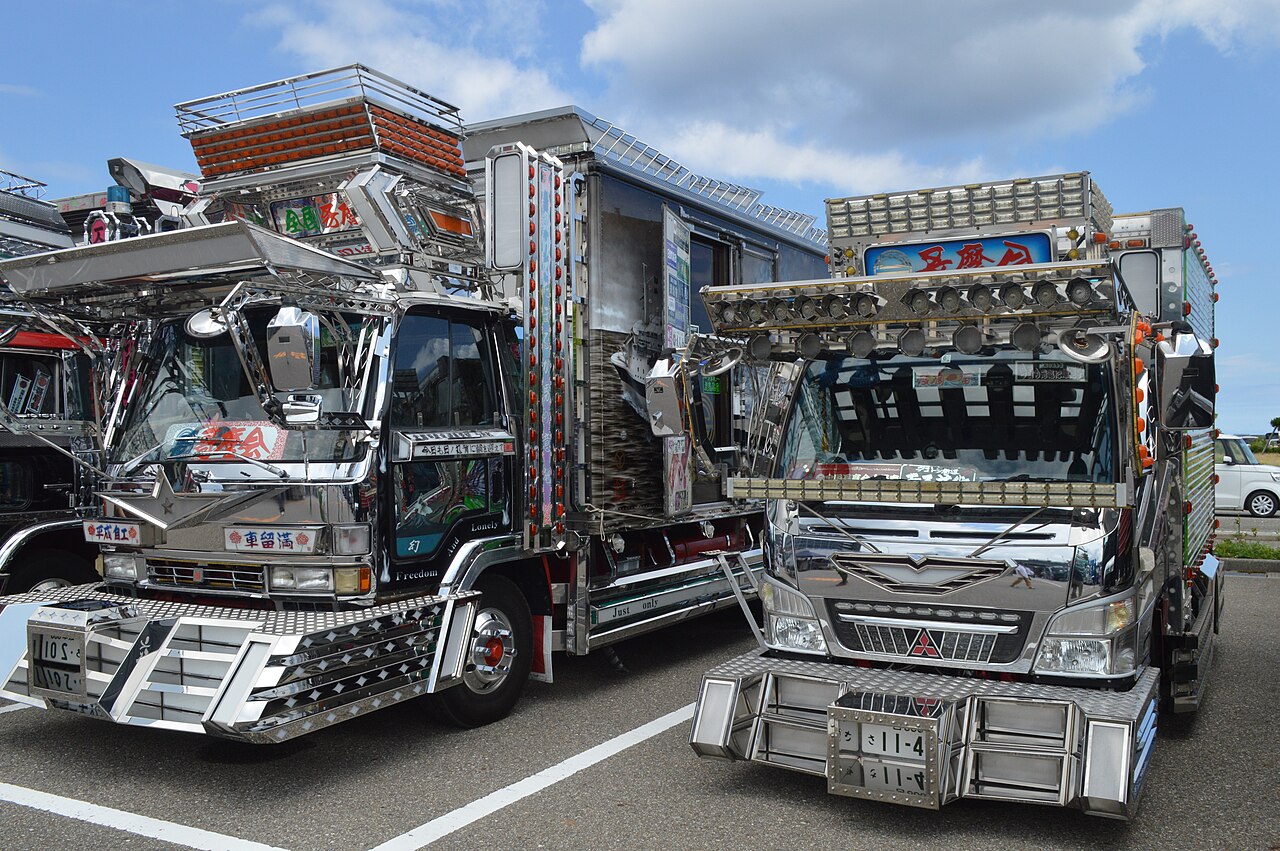
Japanese decorated truck culture. Trucks fitted with elaborate chrome, neon lighting, and custom paint, originally for commercial use.
The most extreme variant of the Hellcat 6.2 supercharged HEMI V8. Demon (2018) and Demon 170 (2023) make 808 and 1,025 horsepower respectively.
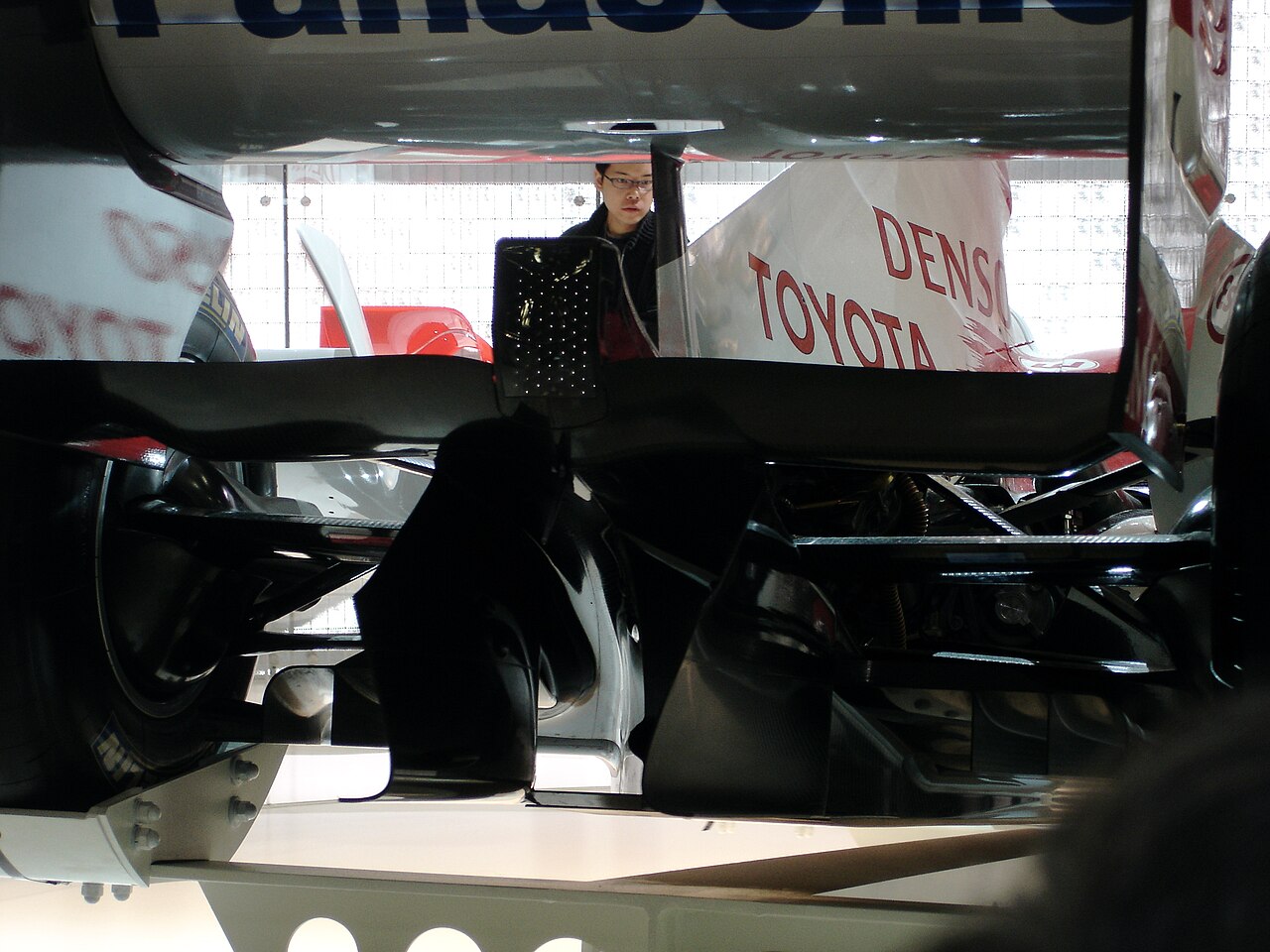
A rear underbody aerodynamic surface that accelerates air leaving the underbody, creating low pressure and downforce at the rear.
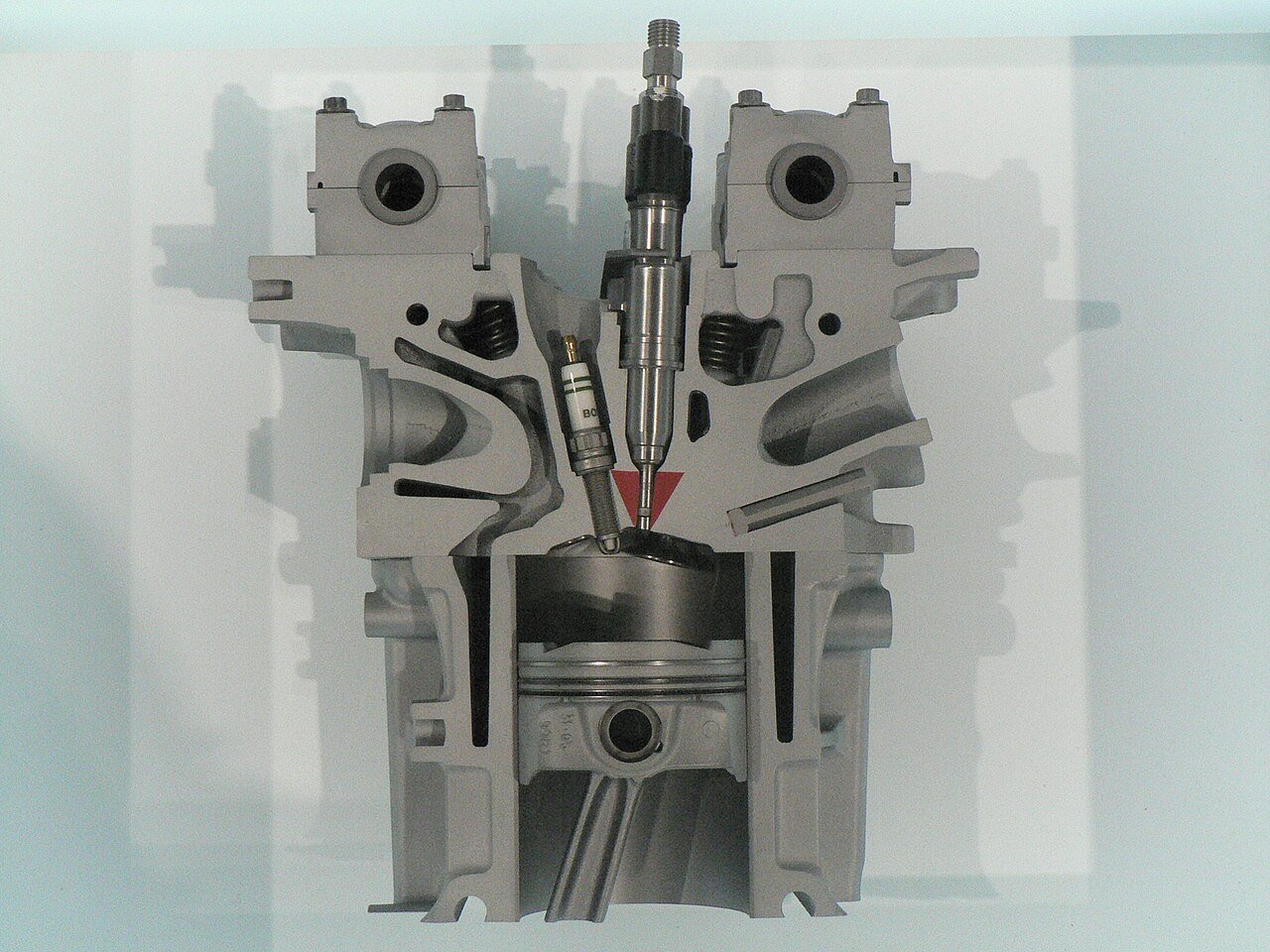
A fuel delivery method that injects gasoline directly into the combustion chamber rather than the intake port, enabling higher compression ratios, better fuel economy, and more power per liter.
Displacement is the total volume swept by all of an engine's pistons during one full stroke, expressed in liters or cubic centimeters/cubic inches, and used as a rough gauge of an engine's potential output.
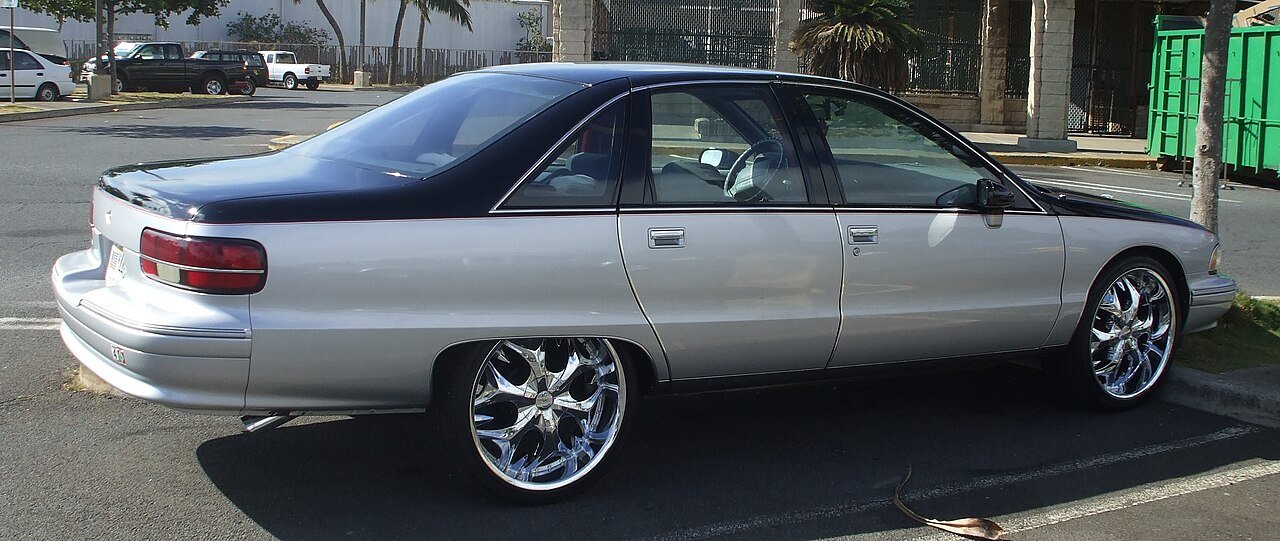
A 1971-1976 Chevrolet Caprice or Impala with extreme oversized wheels (24+ inches), often with massive lifts and elaborate paint. American sub-genre.
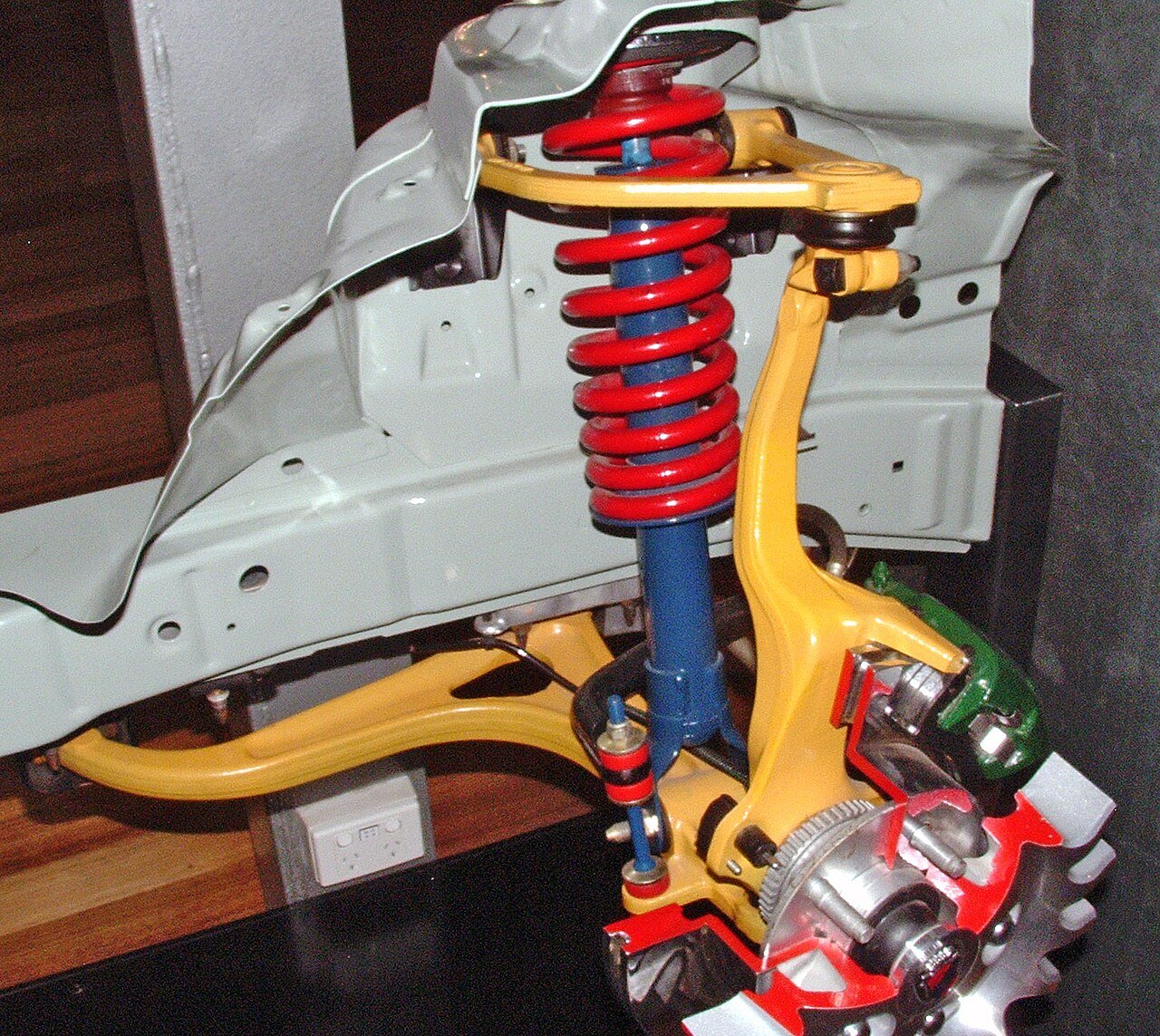
Double wishbone is a suspension design using two triangular control arms per wheel, offering more precise geometry control than a MacPherson strut.
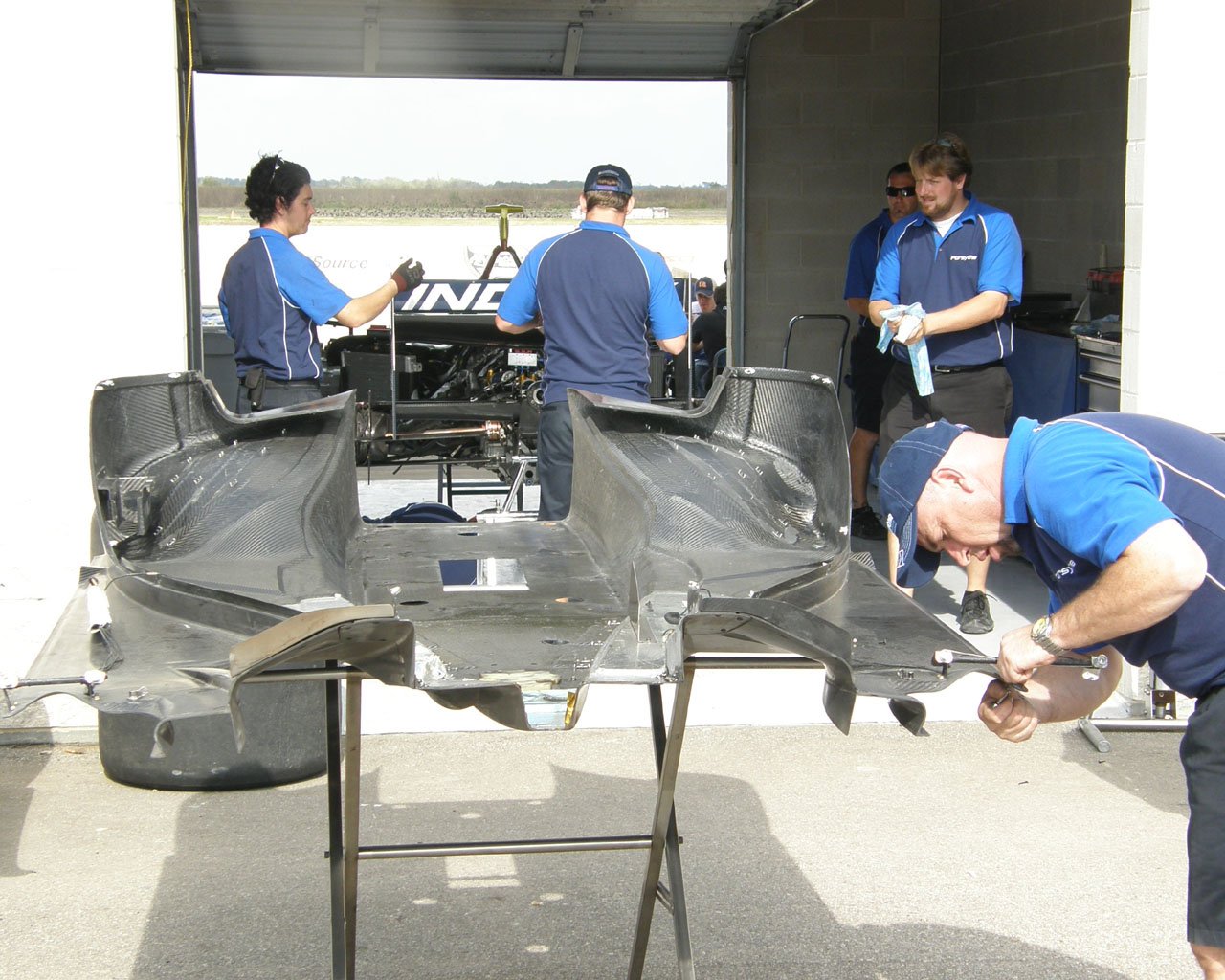
Aerodynamic force pressing a car downward at speed, increasing tire grip. Generated through wings, splitters, diffusers, and underbody design.
The exhaust pipe immediately after the turbocharger. Aftermarket downpipes reduce restriction and boost lag, often used with tunes.

A motorsport where two cars accelerate from a standing start over a quarter-mile or eighth-mile straight course. The fastest car wins.
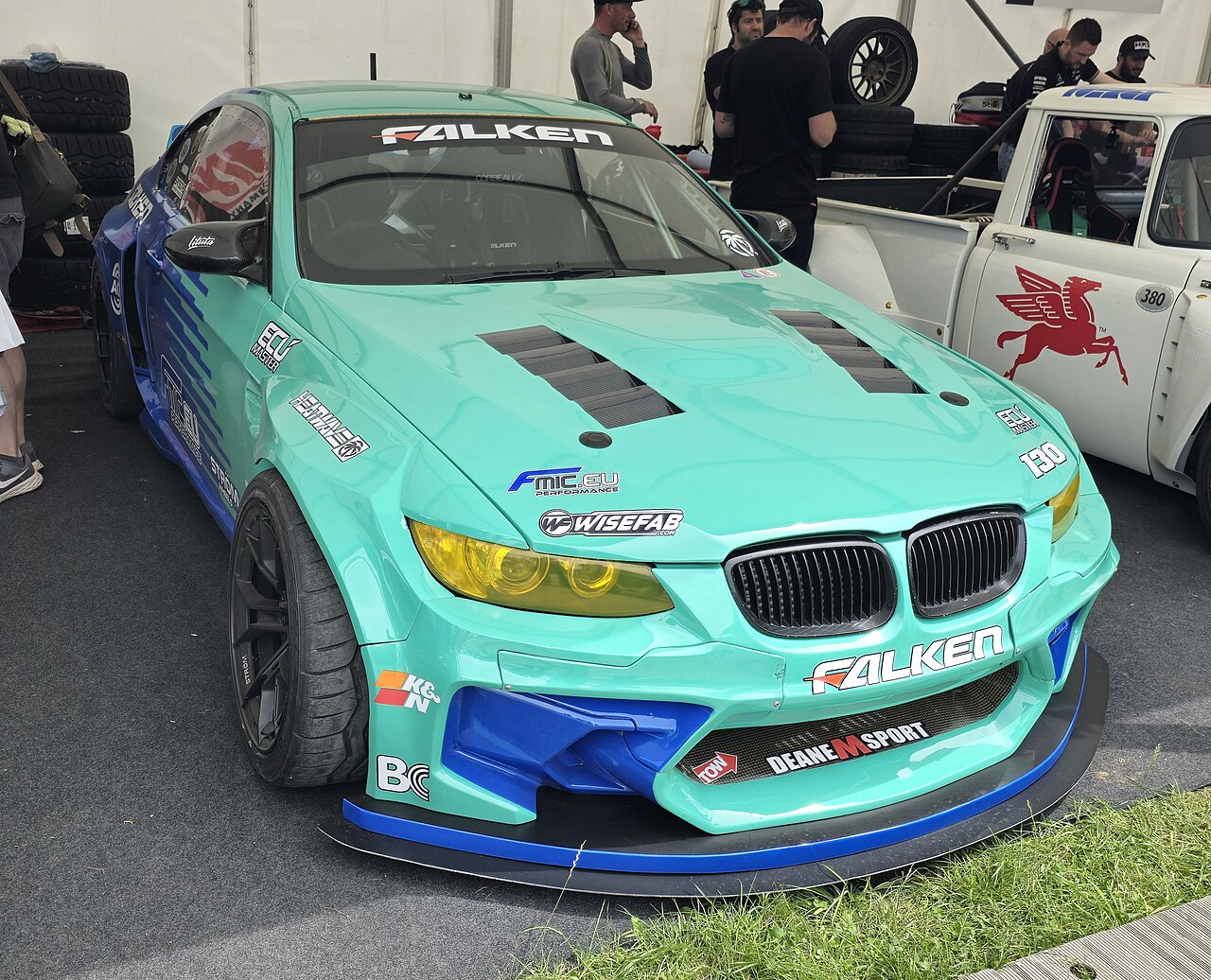
A driving technique where the rear wheels exceed grip and slide laterally, with the driver controlling the slide through steering, throttle, and clutch.
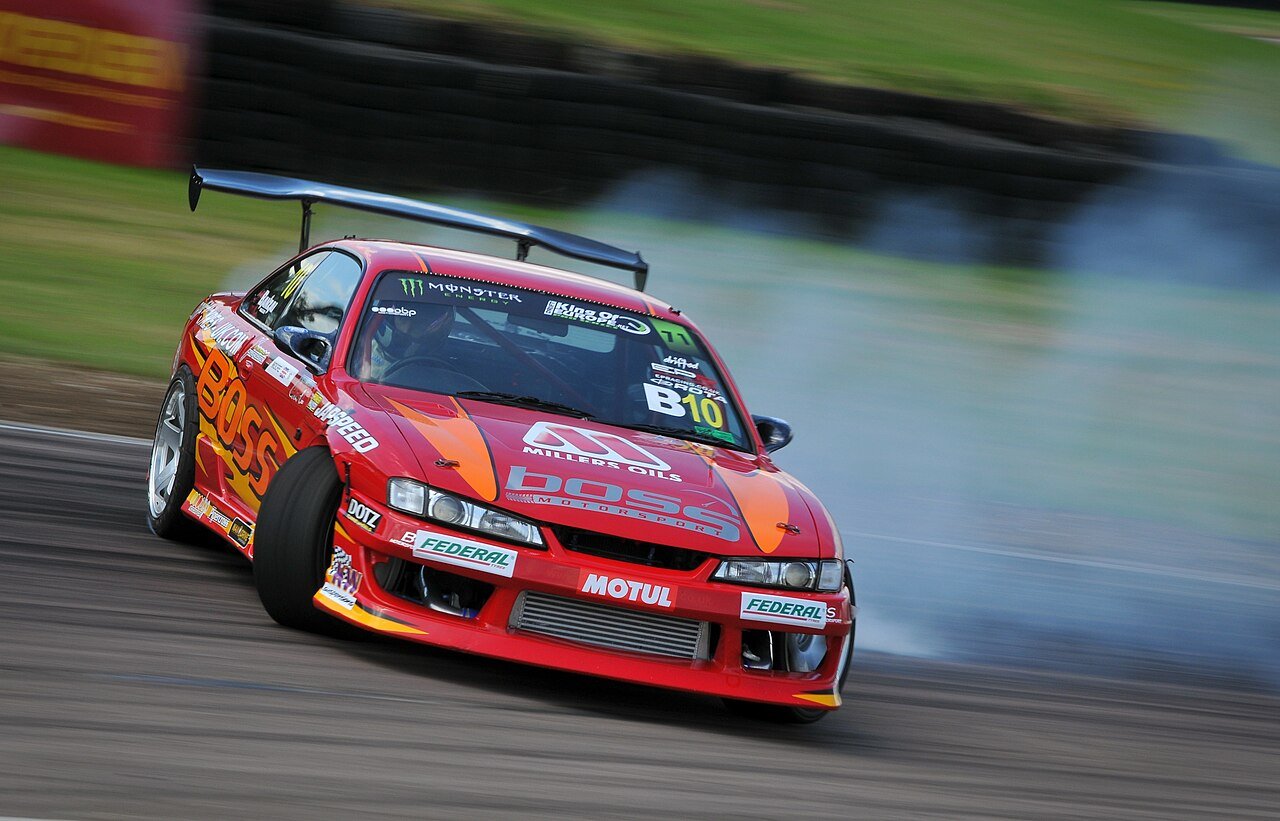
A drift car built specifically for daily practice and abuse, often with cosmetic damage and minimal interior. The opposite of a show car drift build.
A high-performance composite manufacturing method that produces carbon fiber parts with a higher fiber-to-resin ratio than wet-layup carbon, resulting in stronger, lighter, and more expensive components.
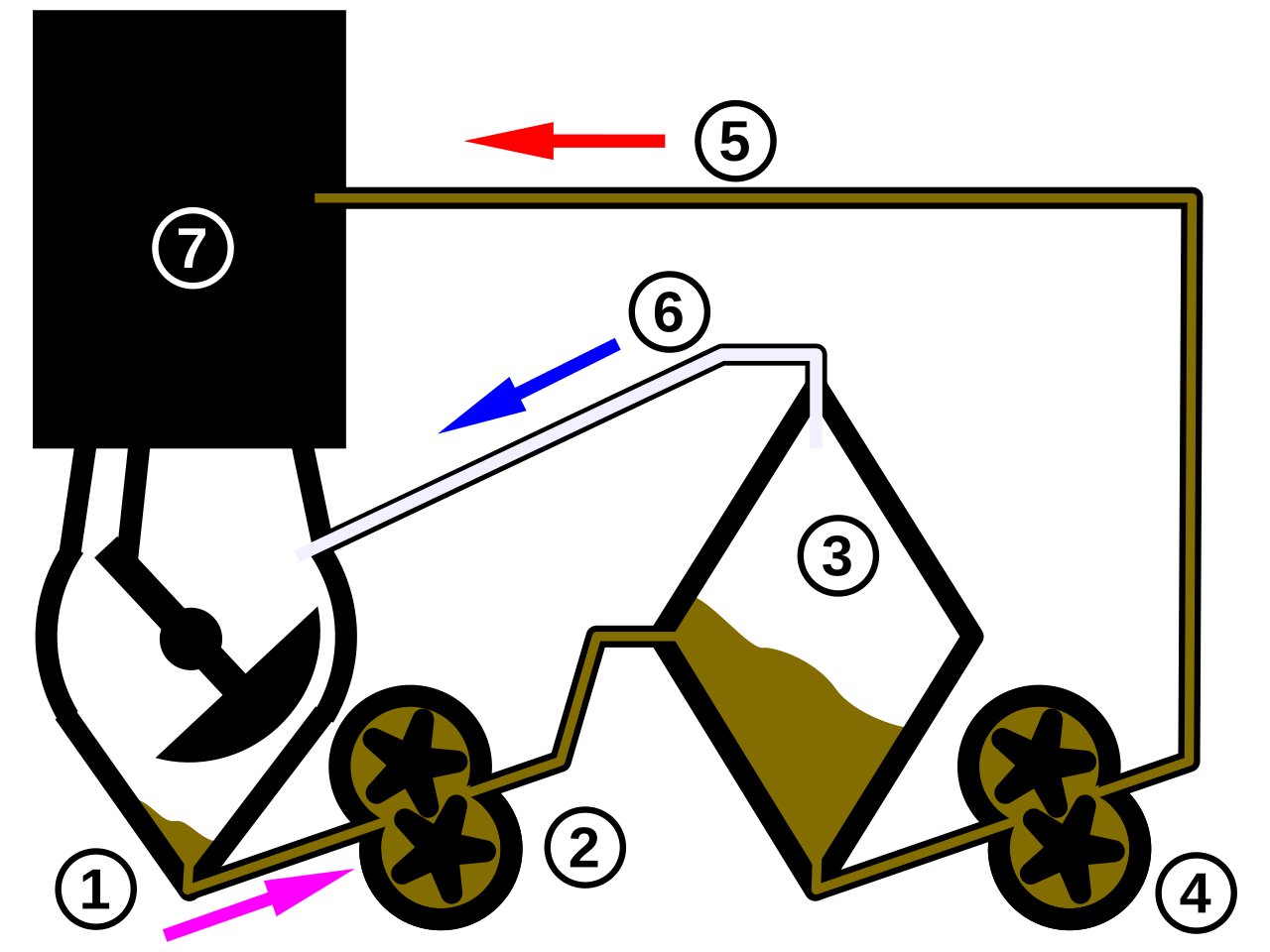
An engine lubrication system that stores oil in a separate external tank rather than in a pan below the engine, allowing lower engine mounting, better oil control under cornering, and improved reliability under sustained hard driving.
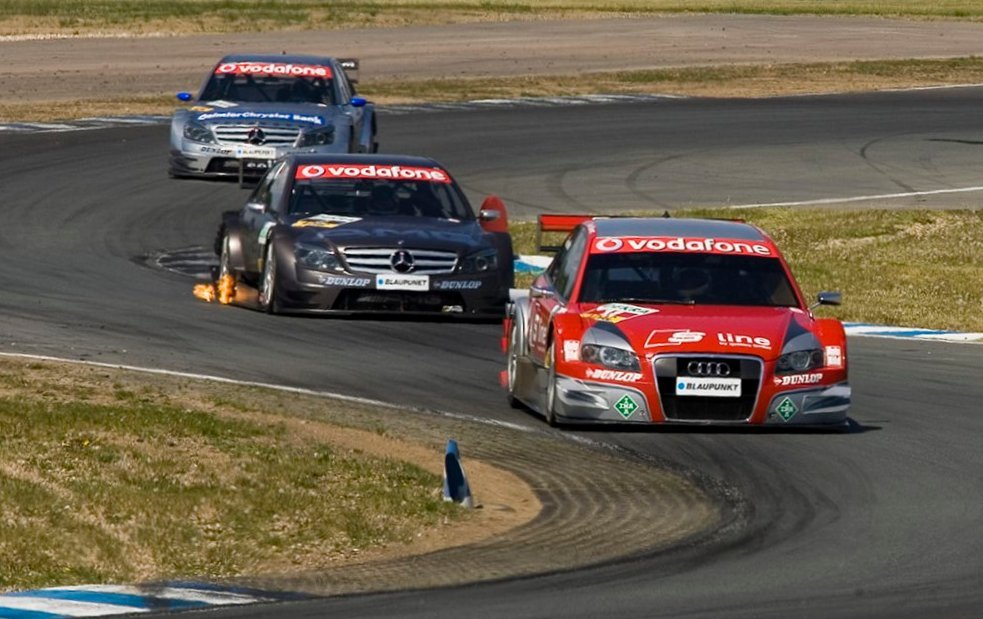
DTM, or Deutsche Tourenwagen Masters, is a German touring car racing series known for close, aggressive wheel-to-wheel competition.
A small lipped extension on the trailing edge of a trunk lid, named for its resemblance to a duck tail. Used on classic Porsche 911 RS variants.
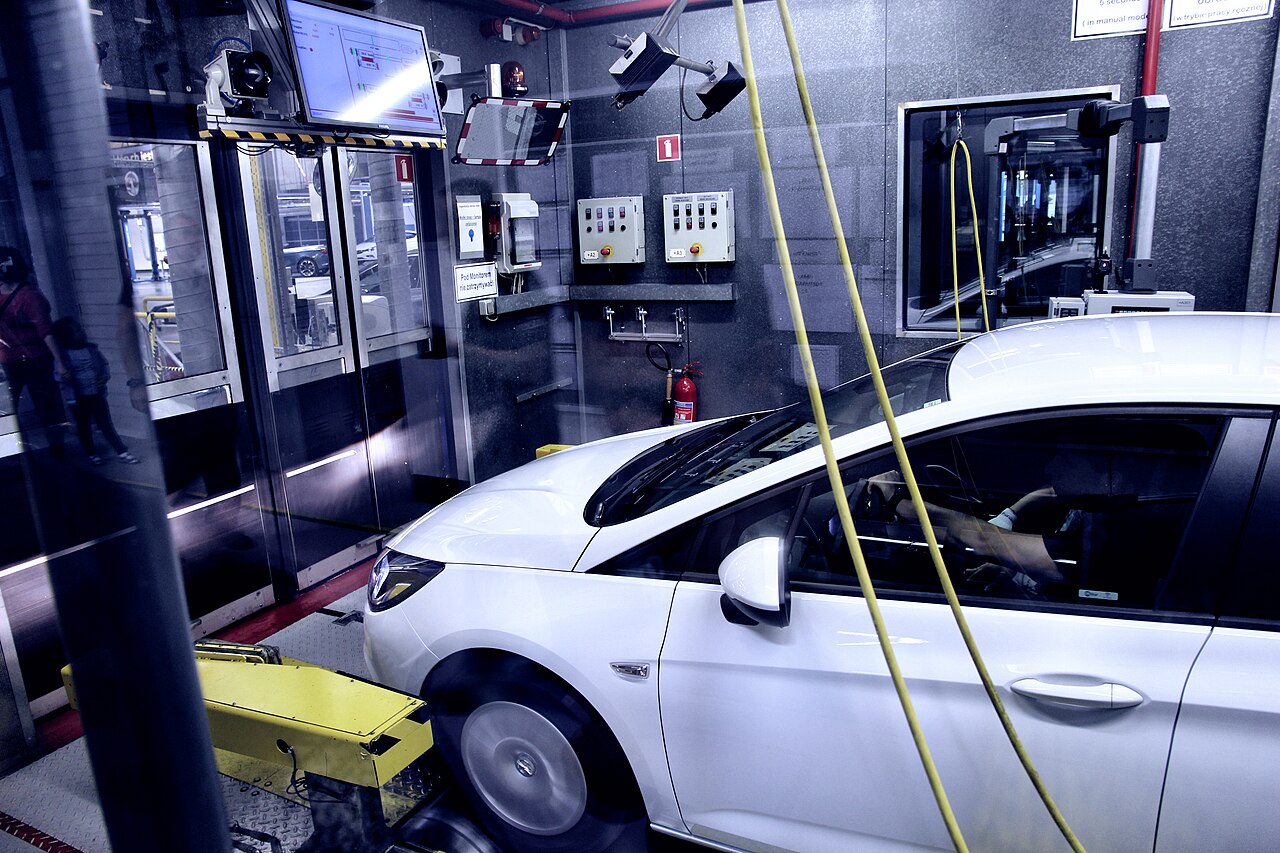
A device that measures engine power output (horsepower and torque) by applying load to the wheels or crankshaft.
E
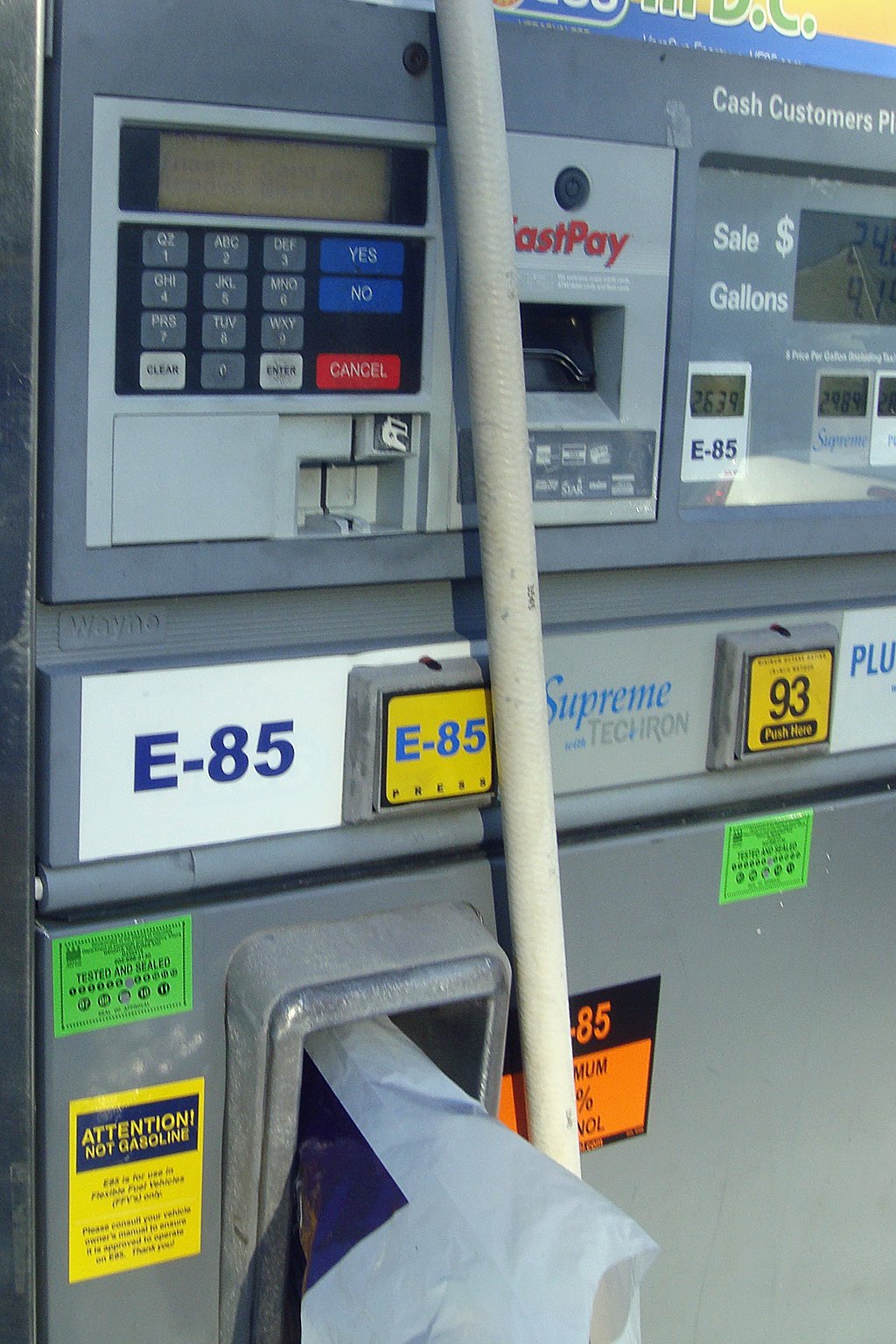
A fuel blend of 85% ethanol and 15% gasoline. Higher effective octane than gasoline. Common in performance tuning for additional power.
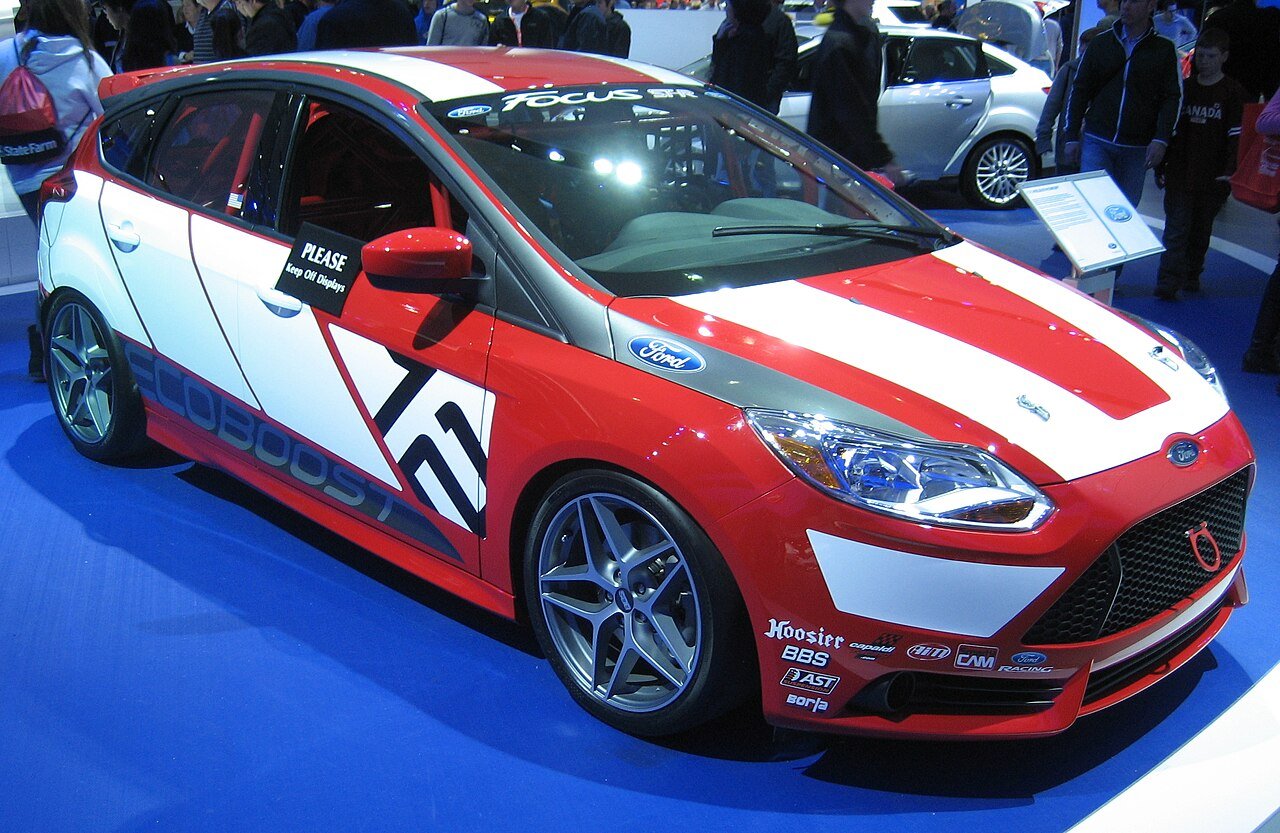
EcoBoost is Ford's brand name for its family of turbocharged, direct-injection engines designed to deliver V6 or V8-like power from smaller displacement.
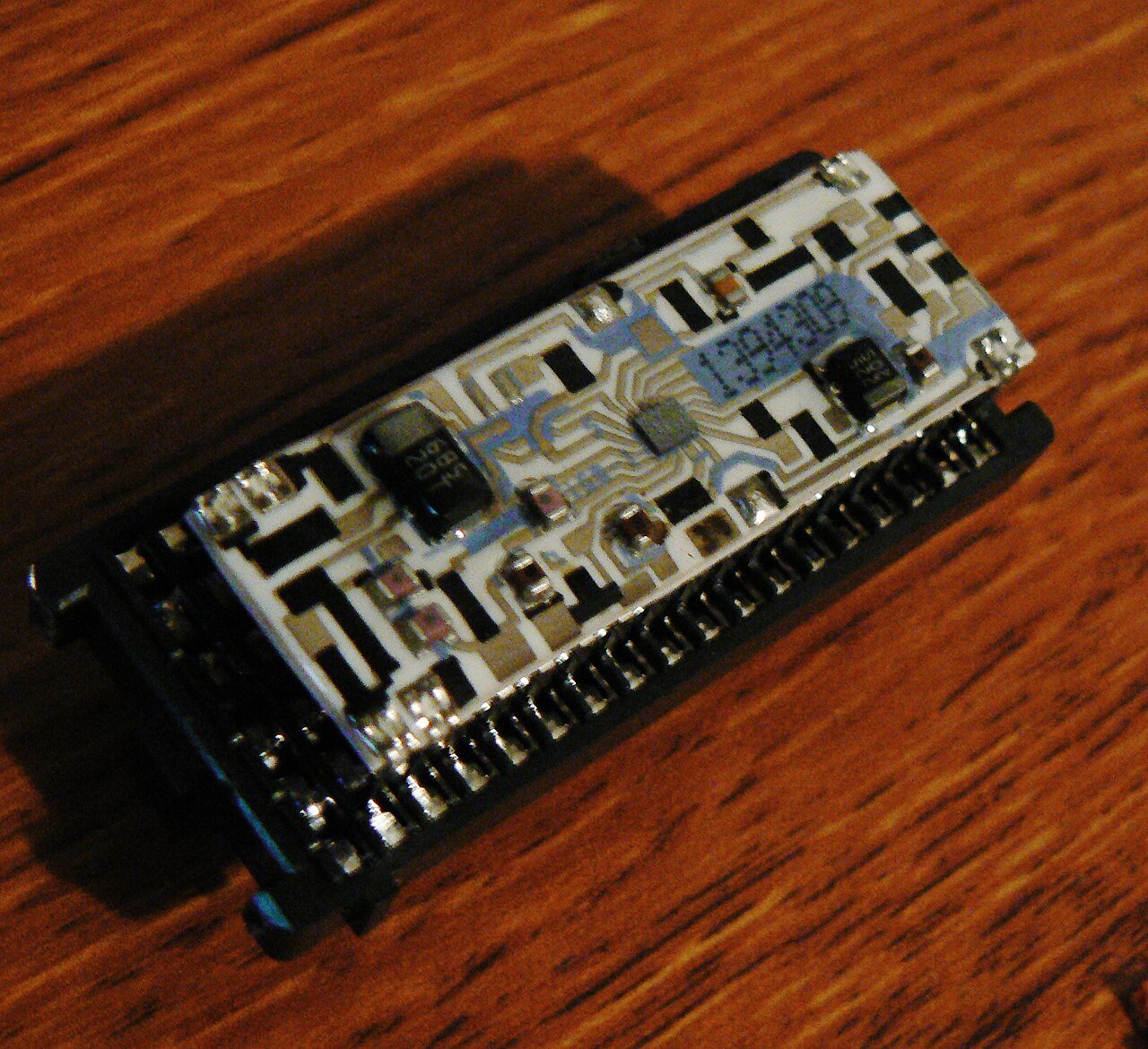
Modifying the engine control unit (ECU) software to optimize fuel, ignition, and boost parameters for more power.
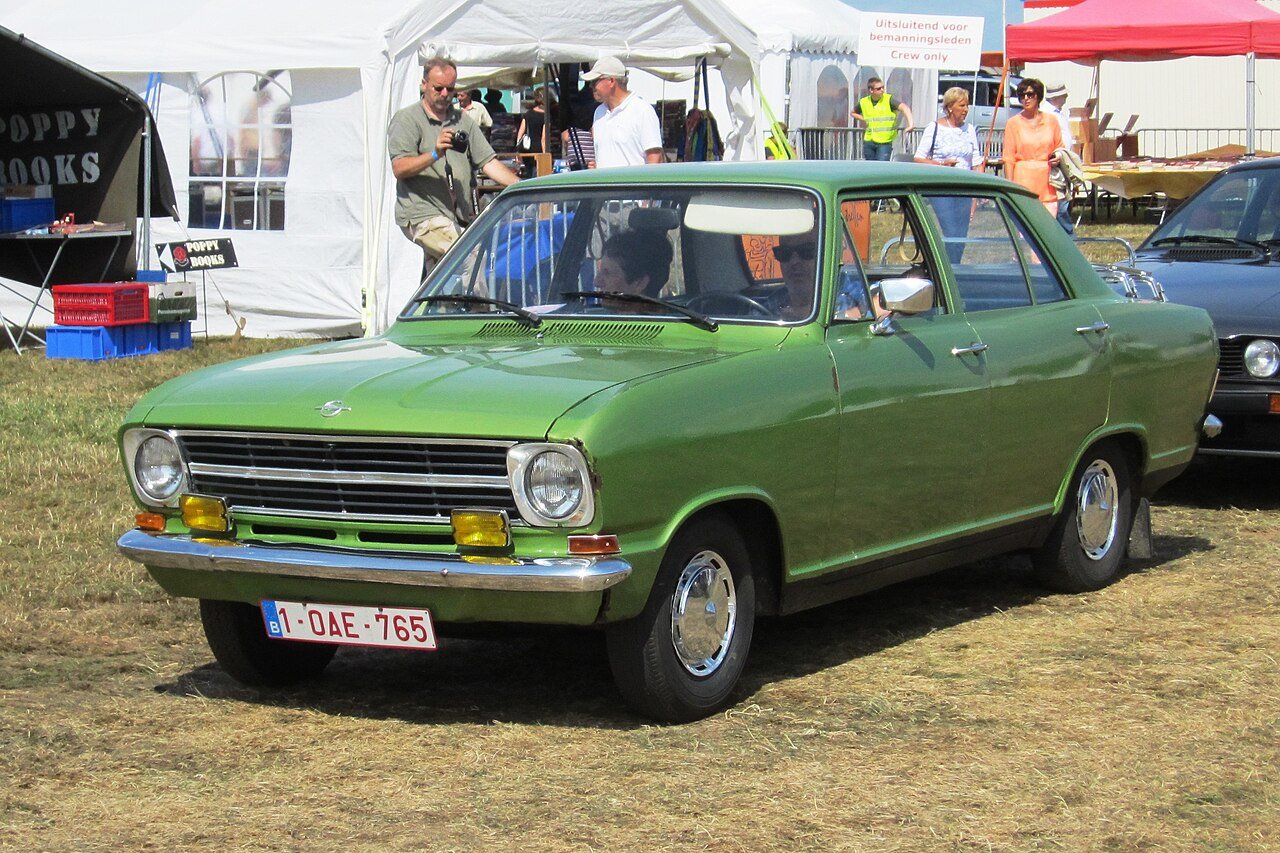
European Domestic Market. Refers to vehicles, parts, and styling sold or used in Europe. Counterpart to JDM and USDM.
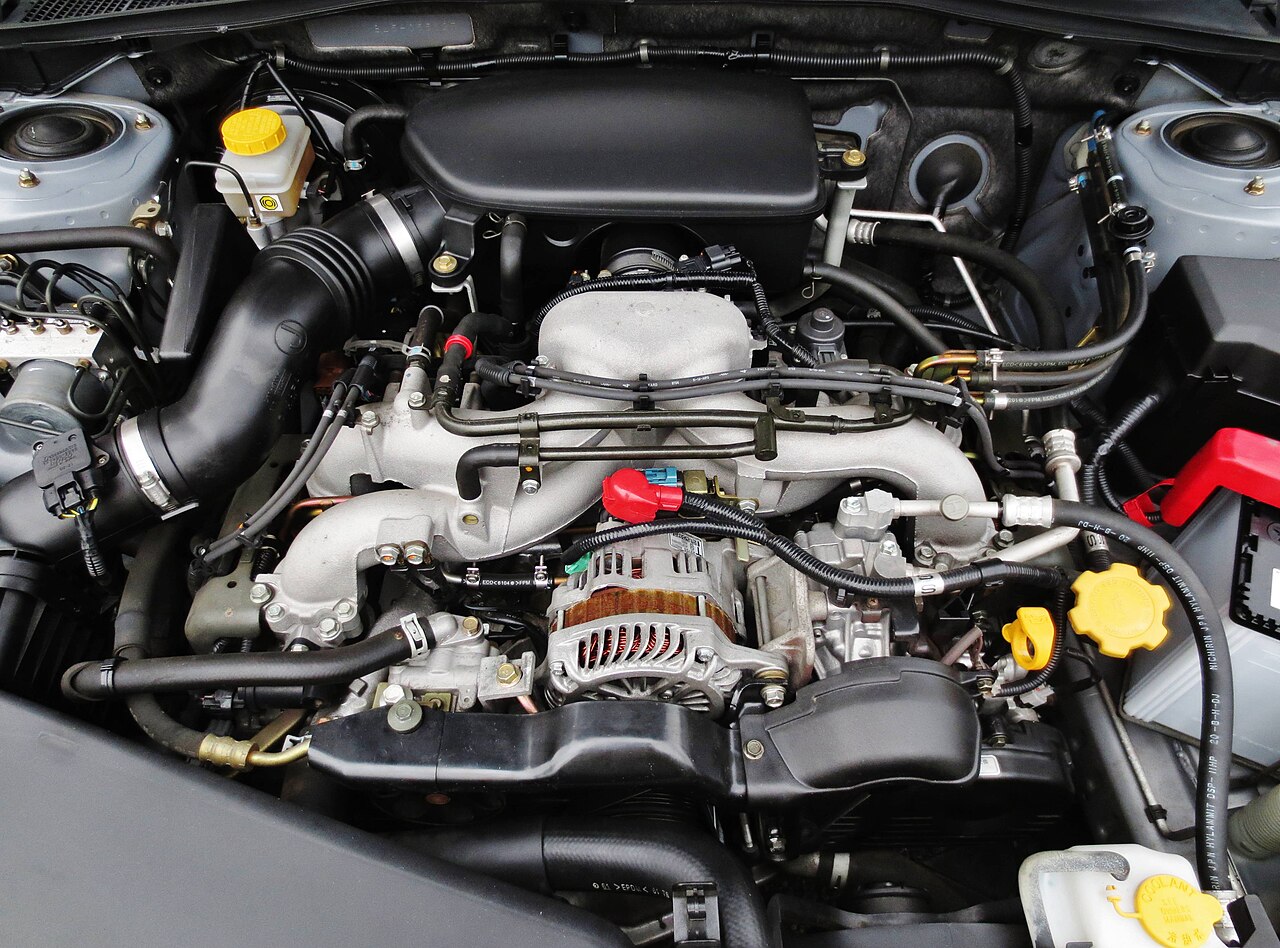
Subaru's 2.0-litre turbocharged boxer engine, the heart of the Impreza WRX and STI and a rally and tuning icon.
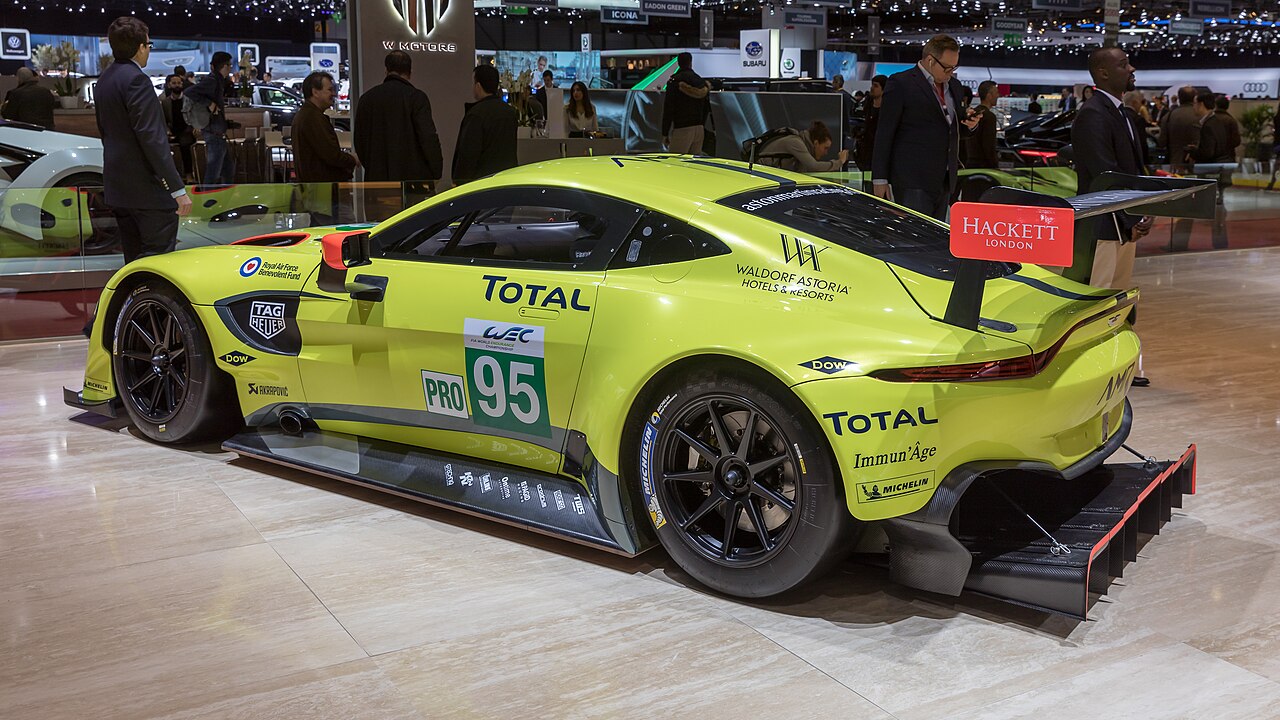
Auto racing where cars compete over long distances or times (typically 4-24 hours), prioritizing reliability and pace consistency over outright speed.
F
Exhaust-shaped trim molded into or bolted onto the rear bumper, with the real tailpipe hidden behind or below it.
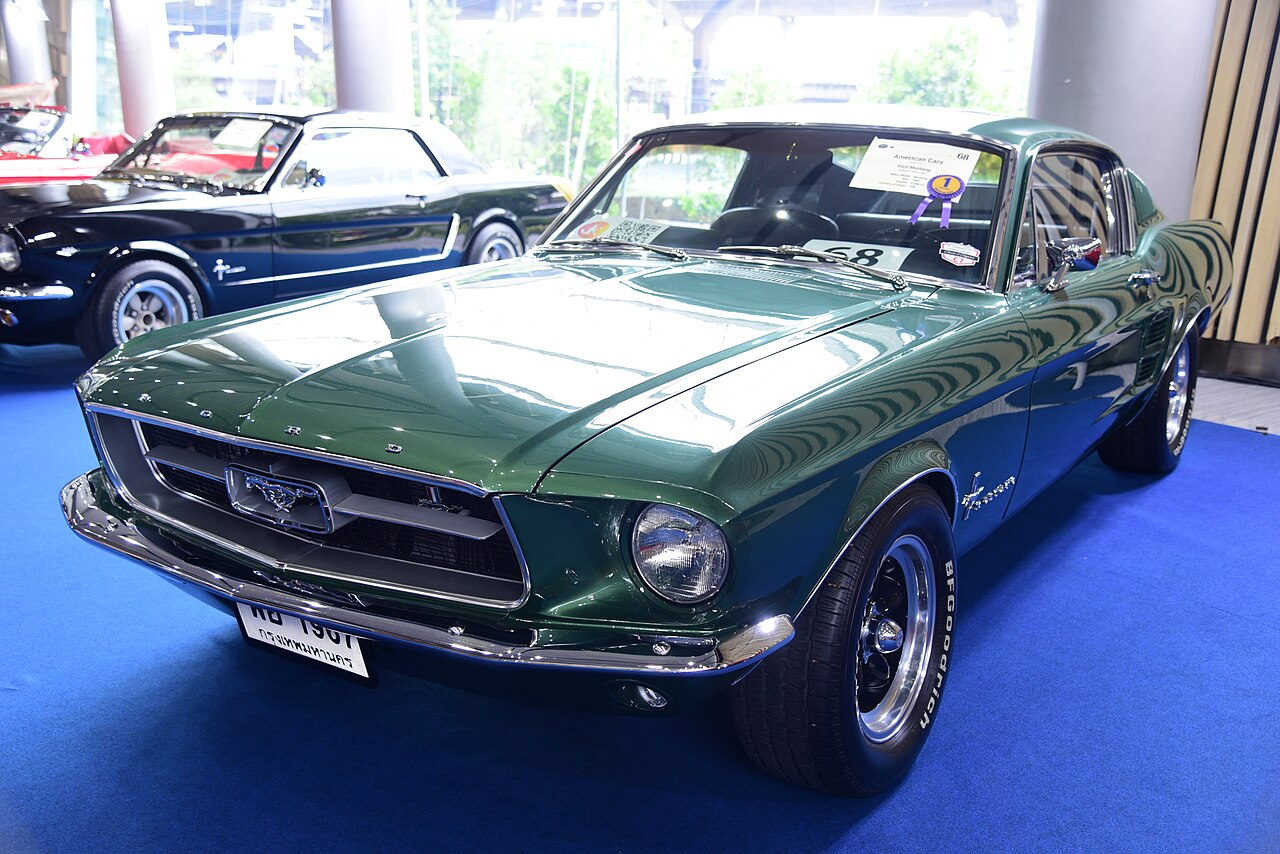
A body style with a continuously sloping rear roof line that extends to the trunk lid or rear hatch. Common in classic muscle cars and modern sport coupes.
Aftermarket extensions added to the wheel arches to accommodate wider wheels and tires than the original body would allow.
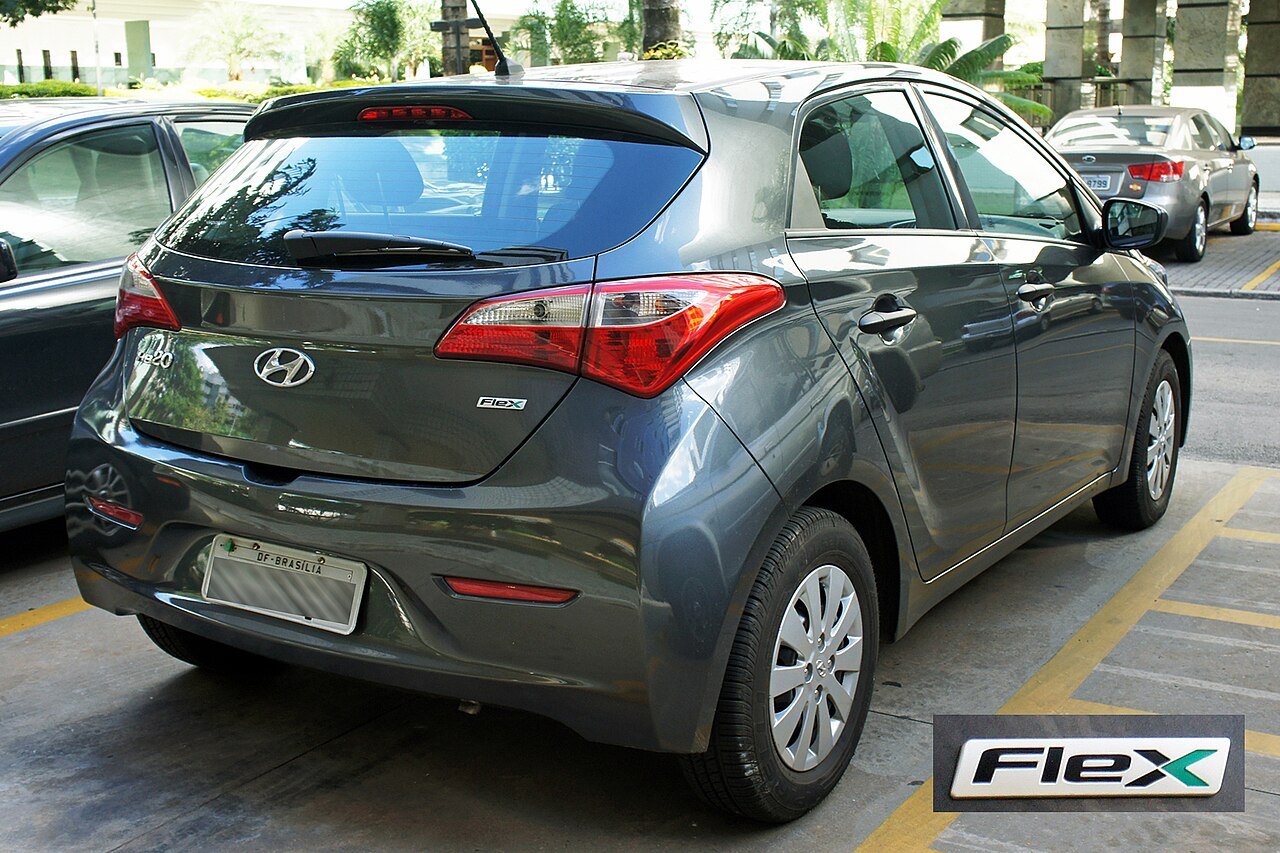
A calibration strategy that allows an engine to run optimally on any blend of gasoline and ethanol, automatically adjusting ignition timing, fuel delivery, and boost based on the ethanol content measured by a sensor.
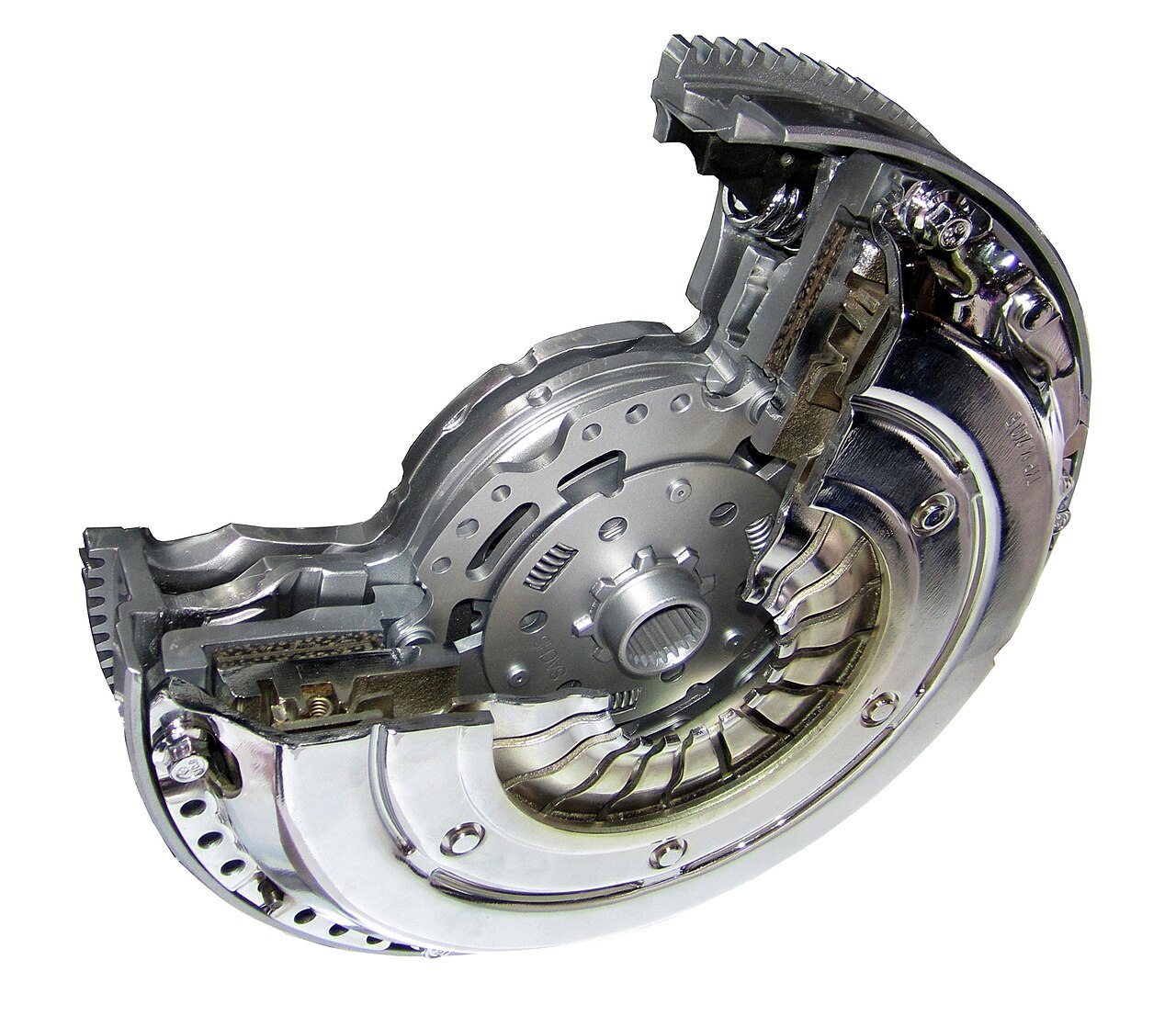
The disc connecting the engine crankshaft to the clutch (in manual transmissions) or torque converter (in automatic). Lighter flywheels improve throttle response.
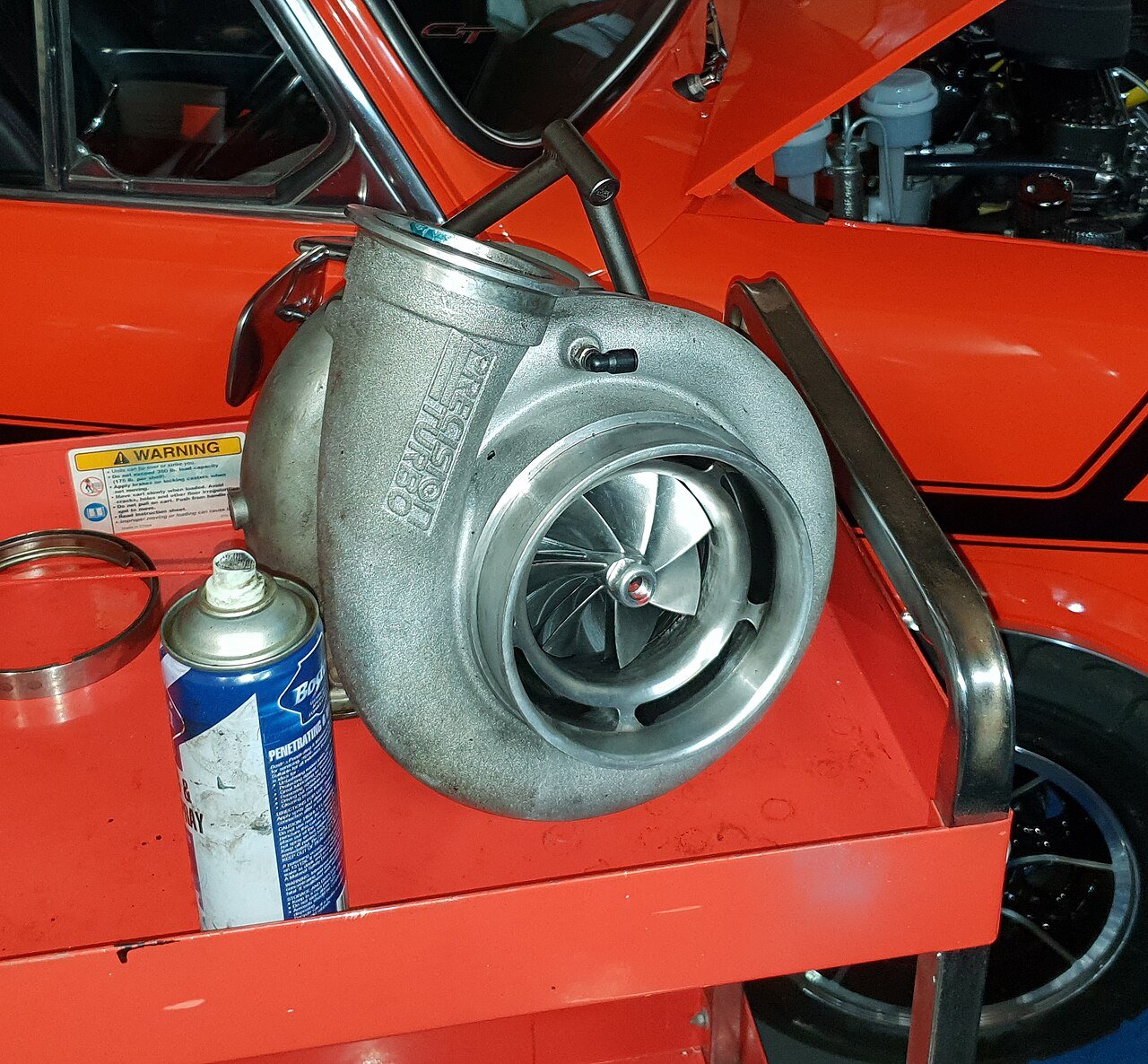
Forced induction is the umbrella term for any system, such as a turbocharger or supercharger, that compresses air before it enters the engine to make more power than the engine could produce naturally.
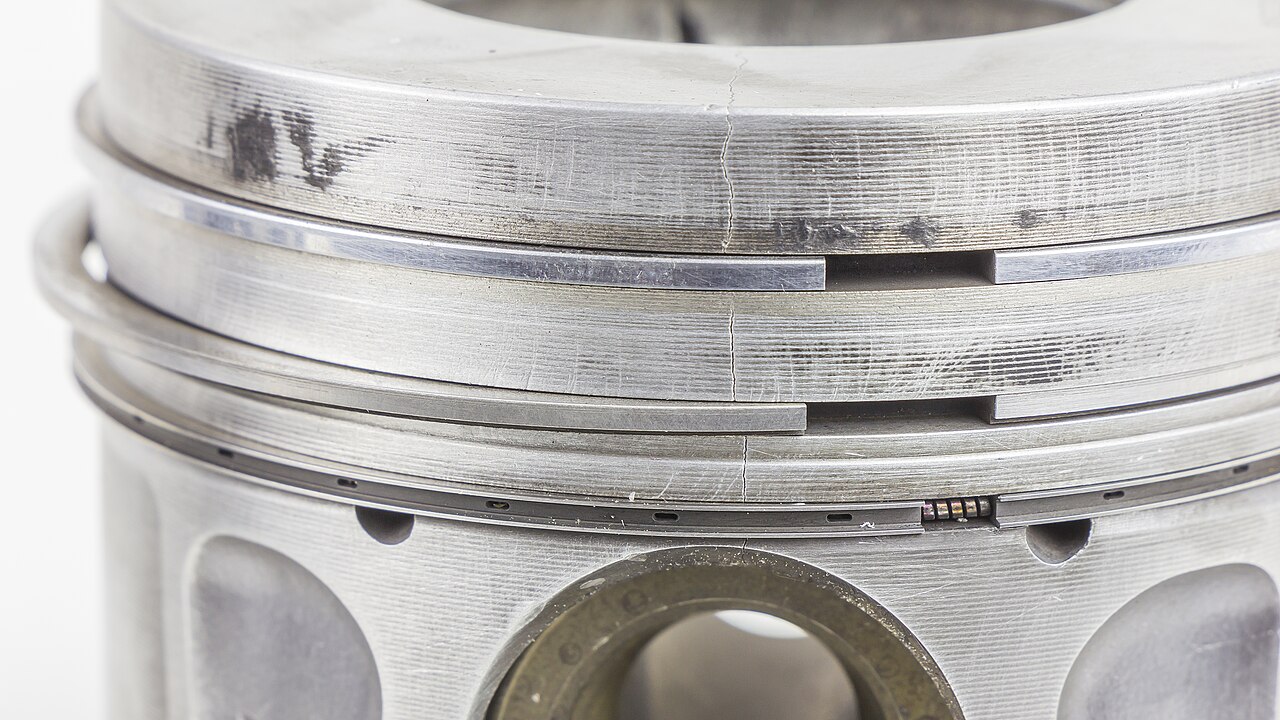
Engine pistons made by forging billet aluminum rather than casting molten aluminum into a mold. Stronger than cast pistons, used in high-performance builds.
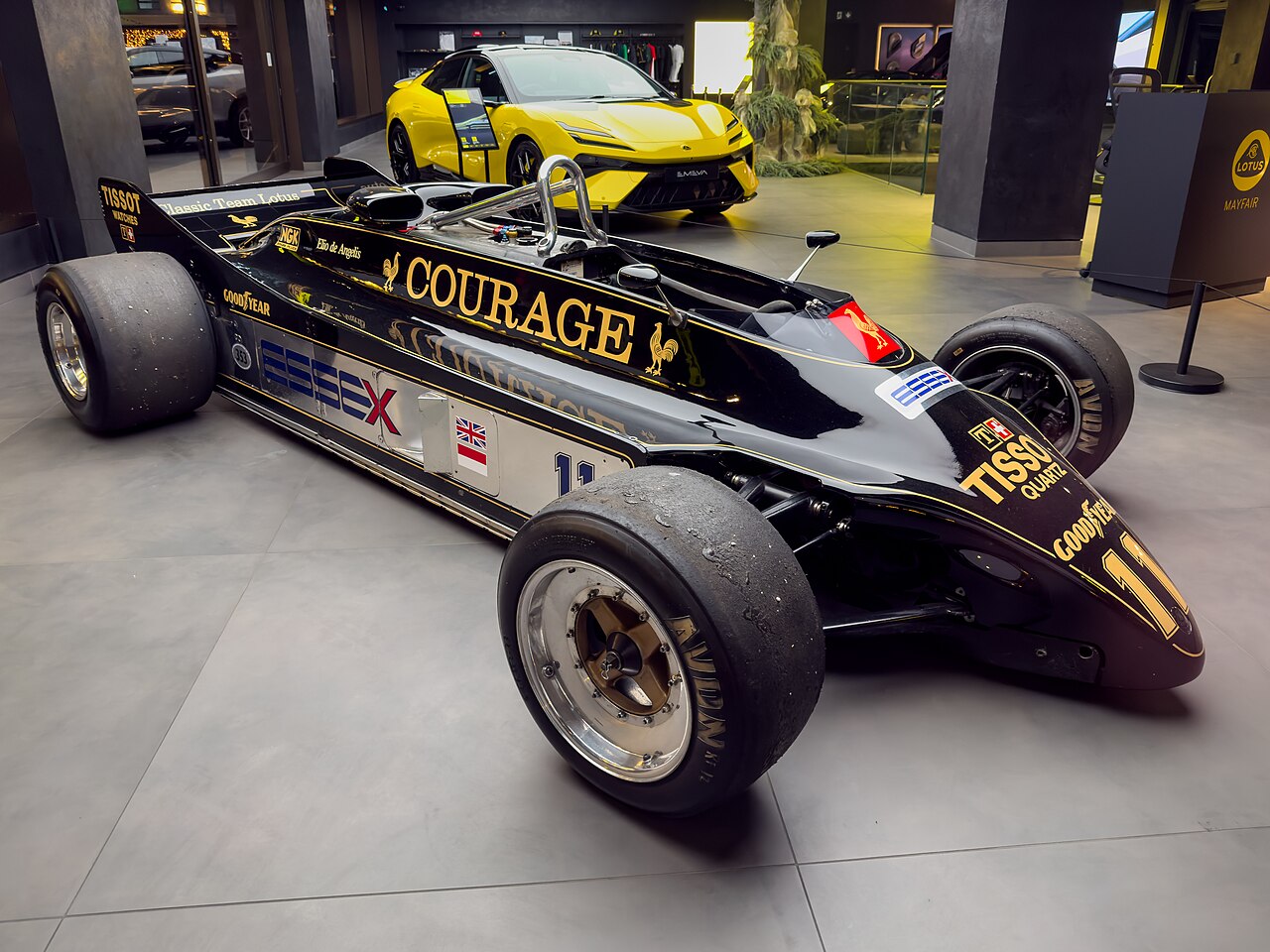
The pinnacle of single-seater motorsport. Annual world championship for purpose-built open-wheel racing cars. Founded 1950.
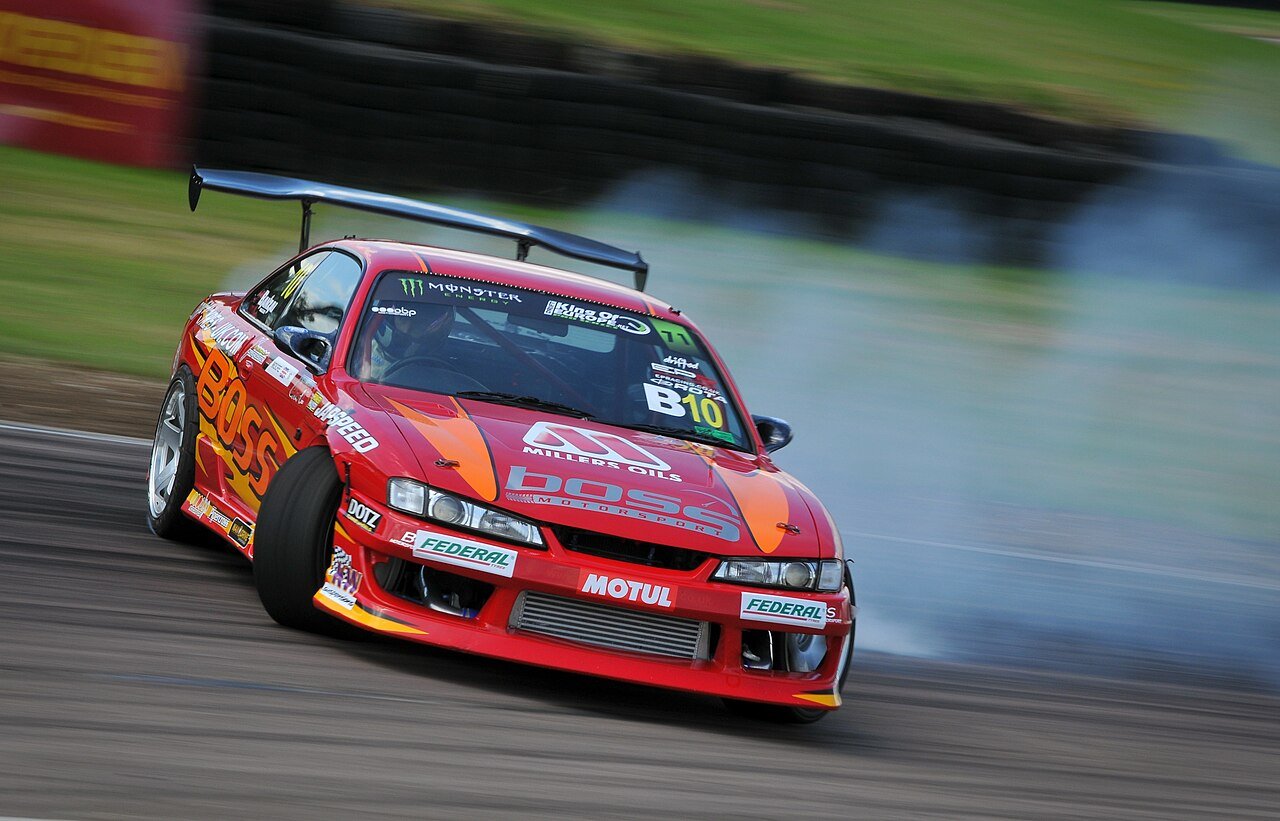
The leading professional drifting championship in North America, where cars are judged on style, angle and speed rather than lap times.
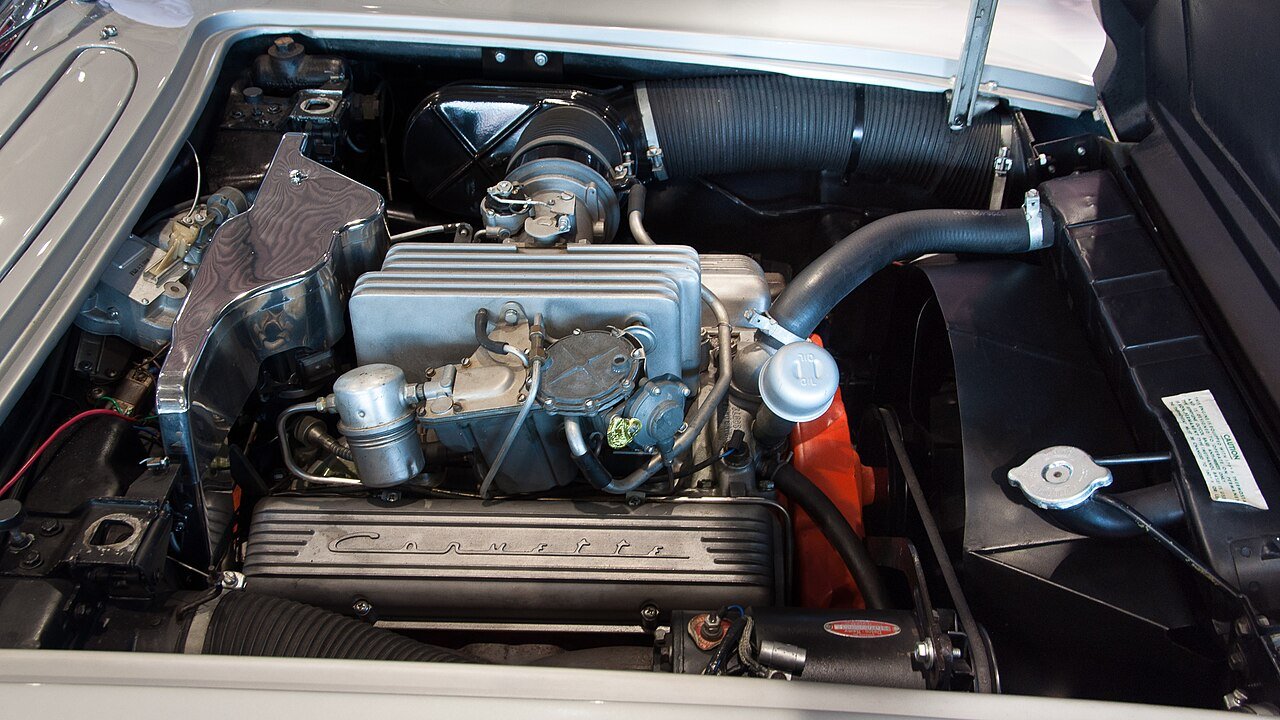
Devices that inject fuel into the engine. Sized in pounds-per-hour or cc/min. Larger injectors required for higher horsepower applications.
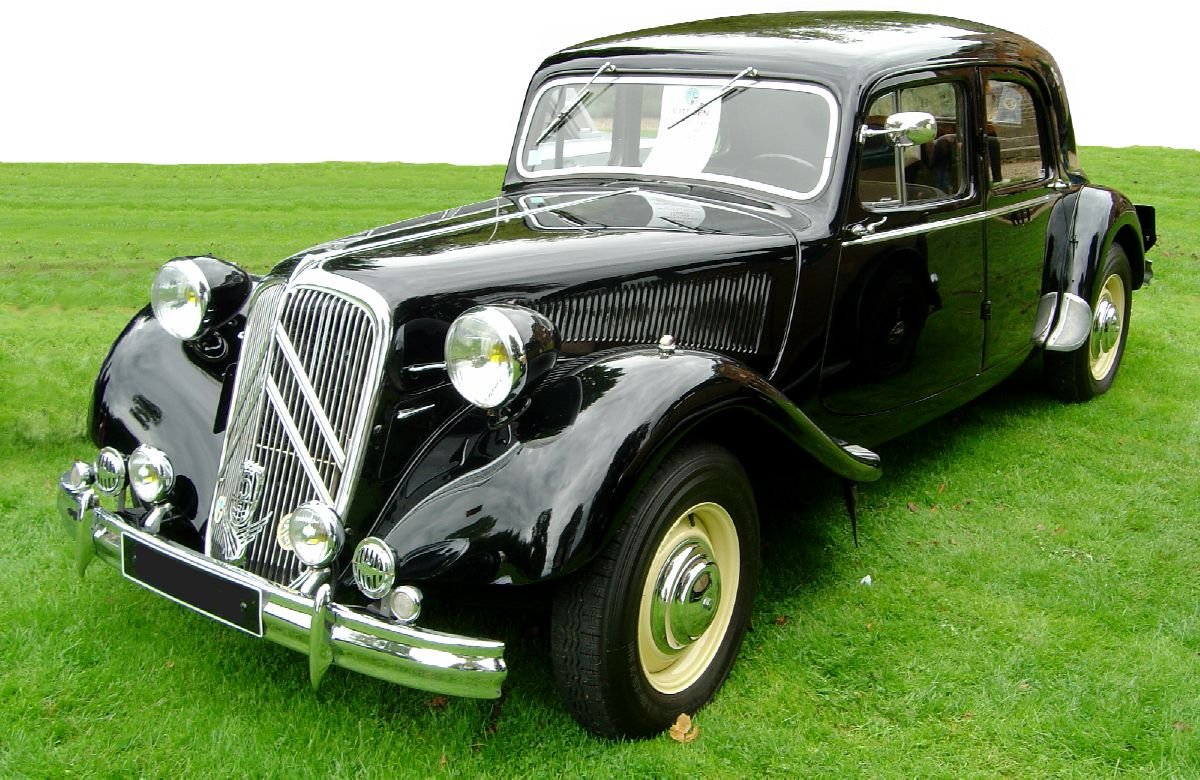
Front-wheel drive. Power is delivered exclusively to the front wheels. Common in economy cars and the foundation for hot hatch culture.
G
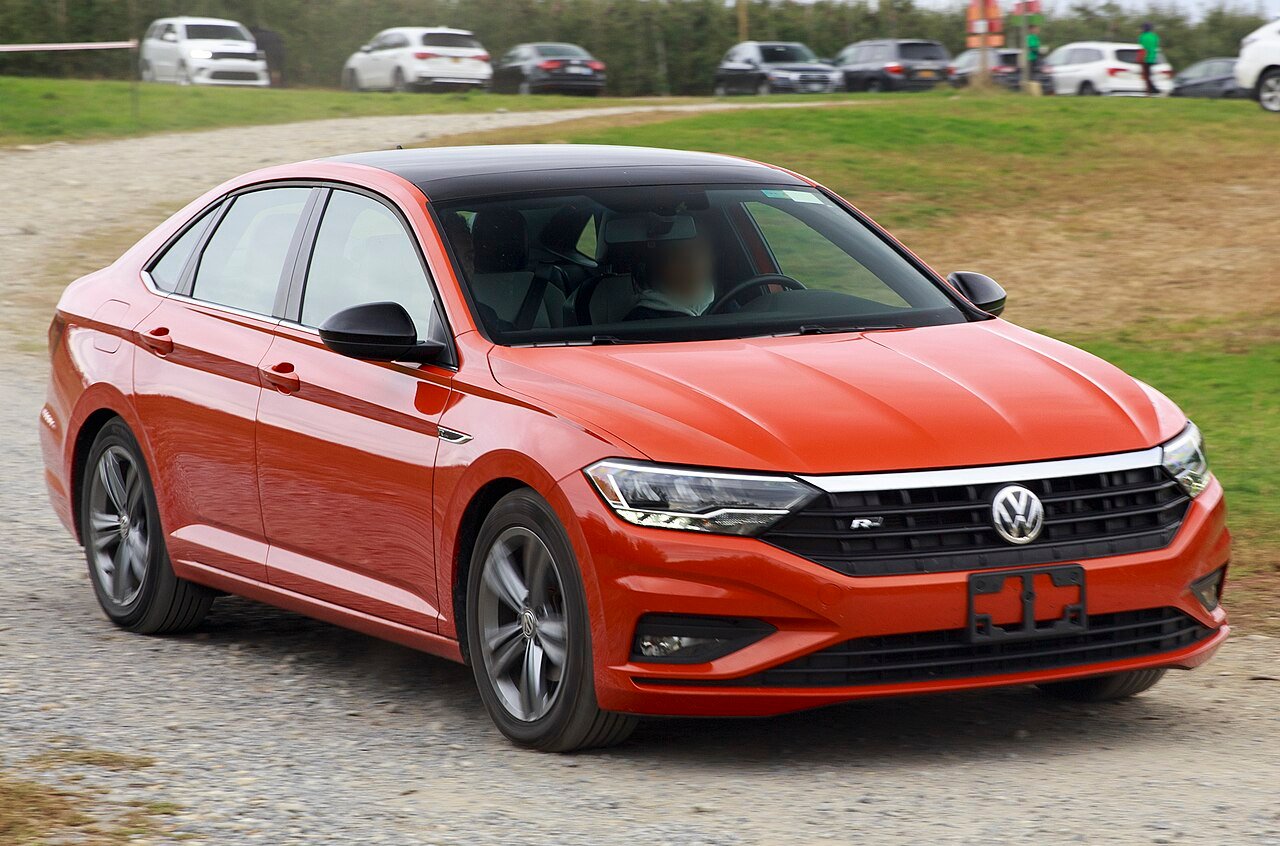
Volkswagen's performance badge for the Jetta sedan, essentially a GTI in four-door form.
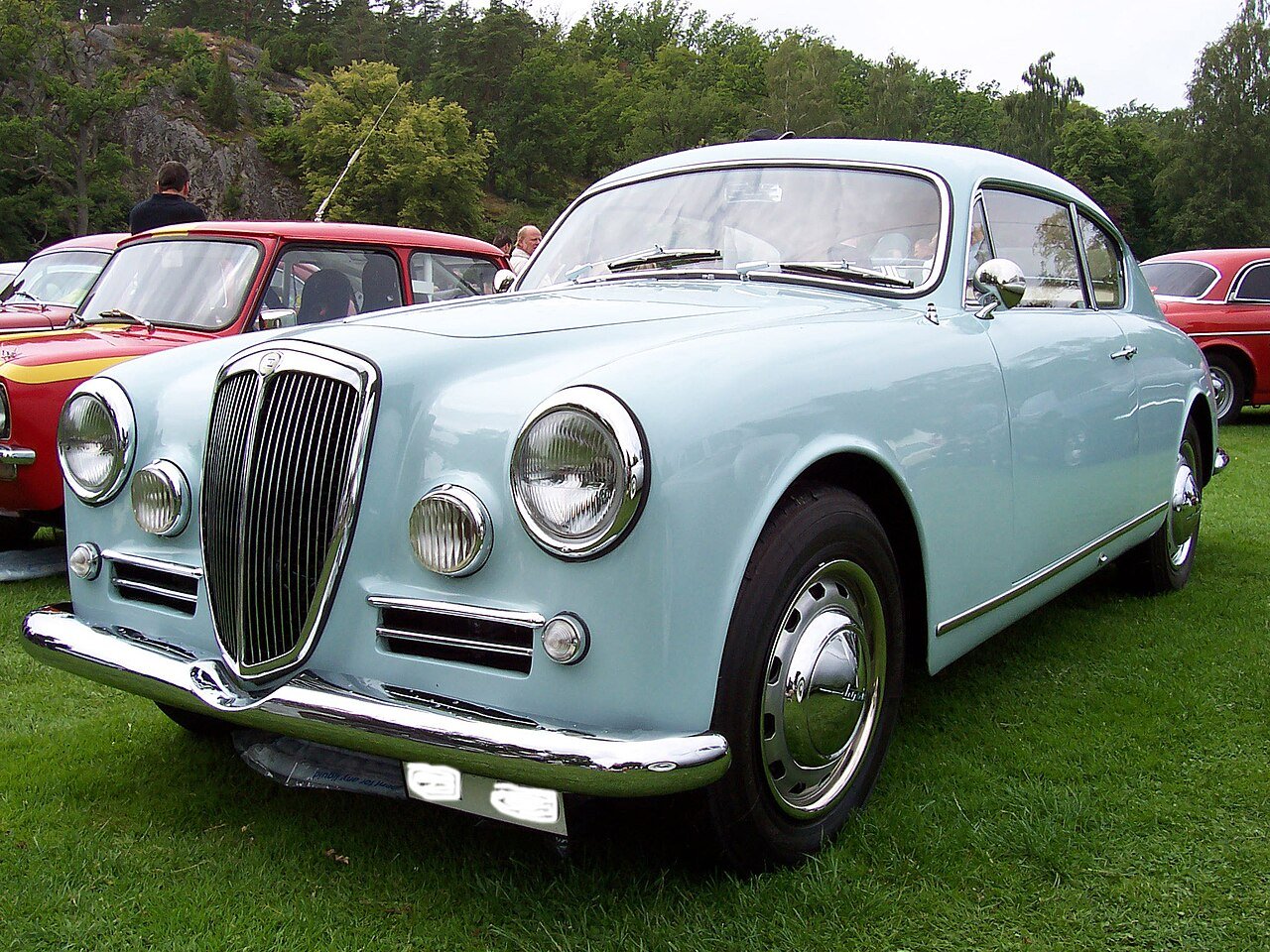
A two-seat or 2+2 high-performance car designed for high-speed long-distance travel, balancing comfort and performance.
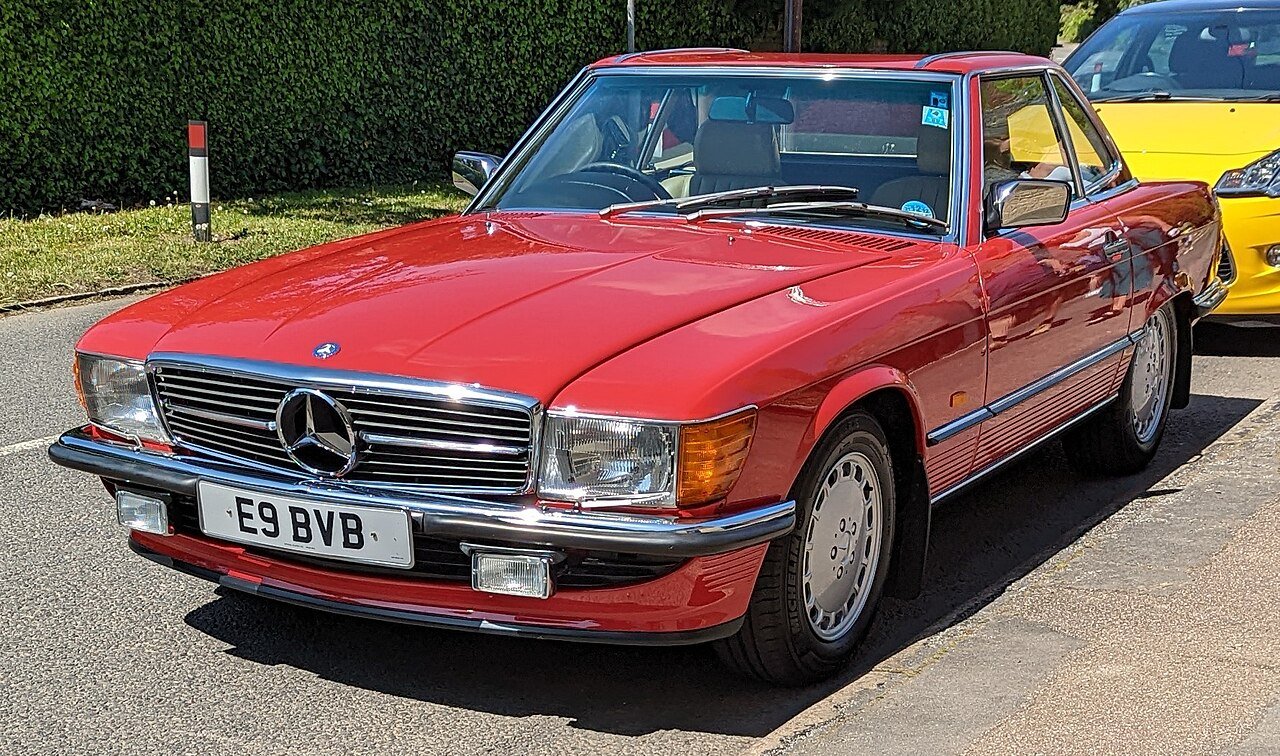
A gray market import is a vehicle brought into a country outside official manufacturer distribution channels, commonly legalized in the US once a car reaches 25 years old under federal import rules.
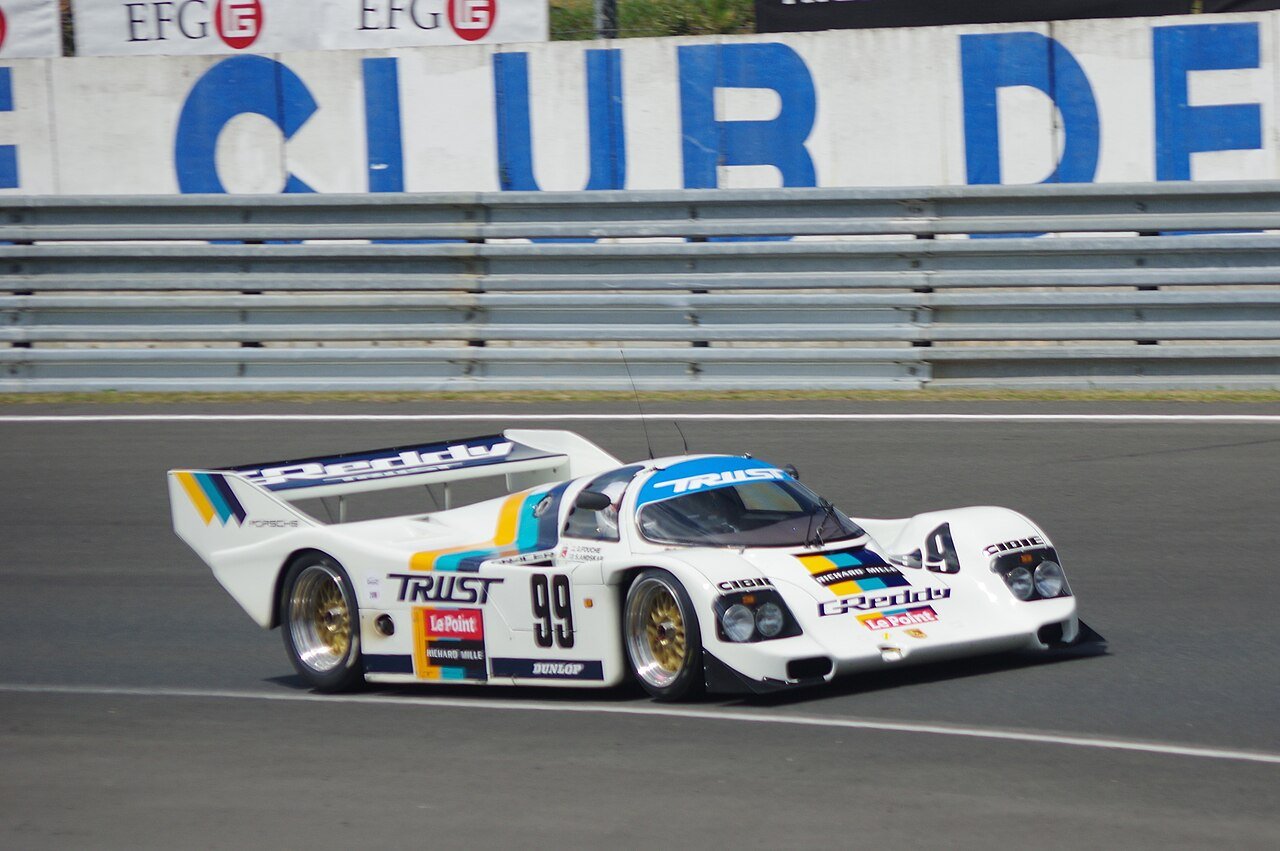
Trust Co., Ltd. - Japanese tuning company famous for turbochargers, intercoolers, intake manifolds, and the iconic Greddy Type-RS blow-off valve.
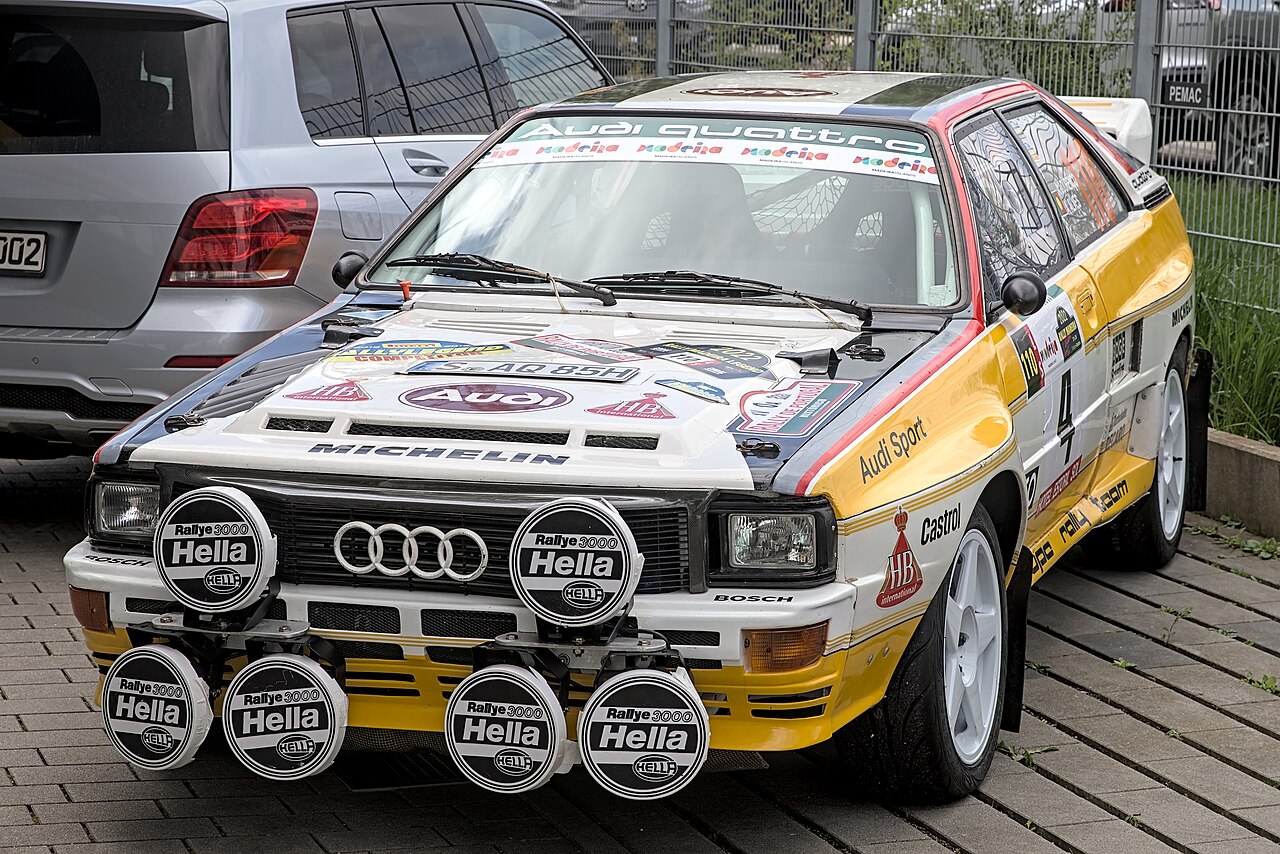
An infamous 1980s rally category whose lightly regulated, extremely powerful cars became legends before safety concerns ended it in 1986.
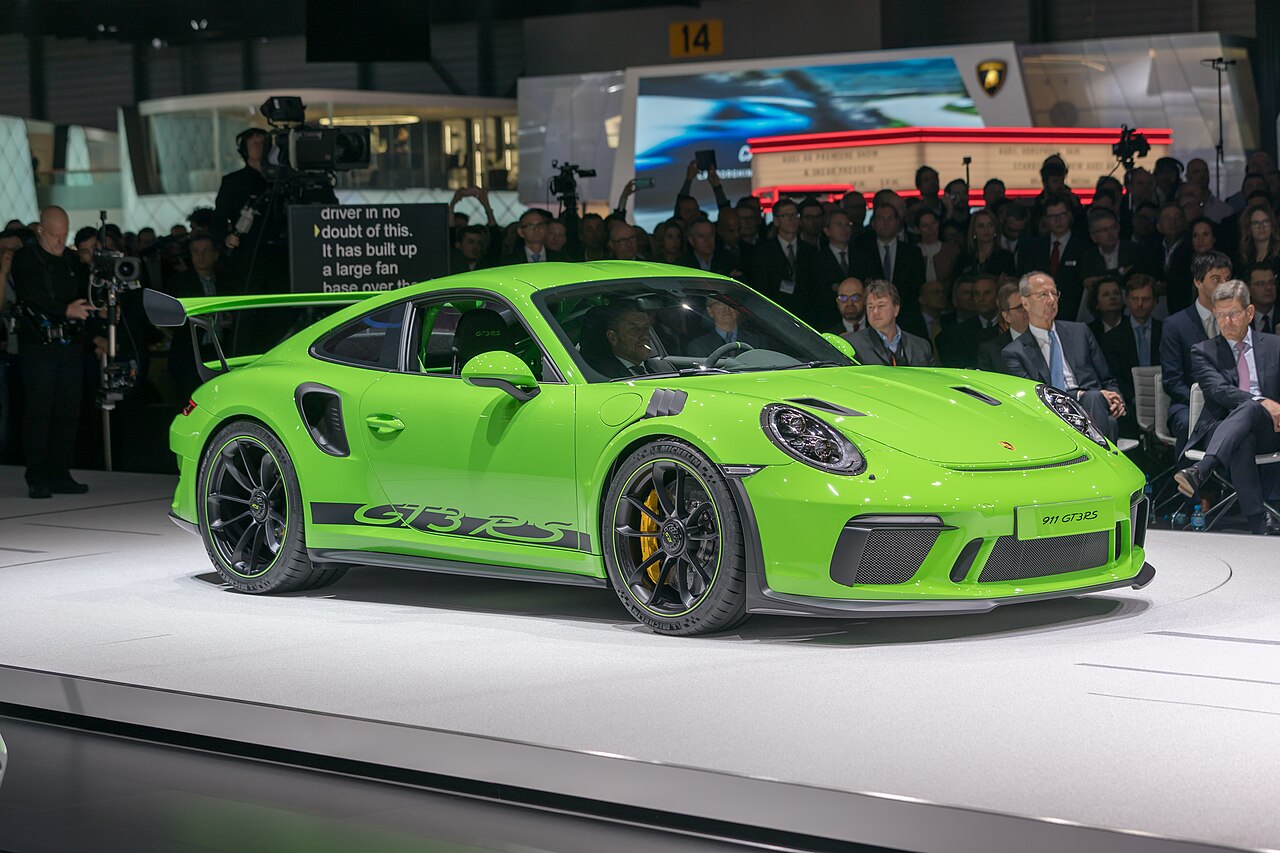
A globally popular class of production-based GT race cars, balanced so that many different manufacturers can compete on near-equal terms.
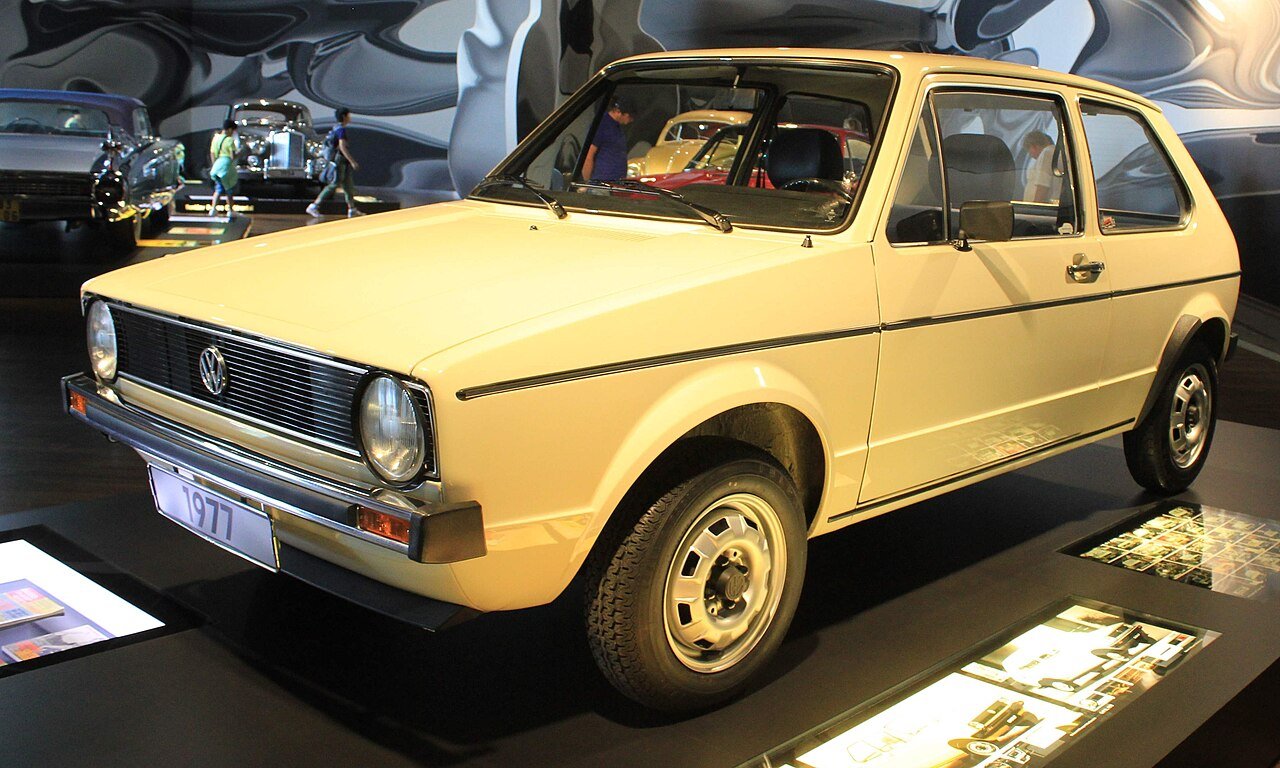
Volkswagen's performance badge, short for Grand Touring Injection, and the name most associated with the hot hatch.
A large rear wing typically mounted on a separate platform above the trunk lid, designed for maximum downforce in track and racing applications.
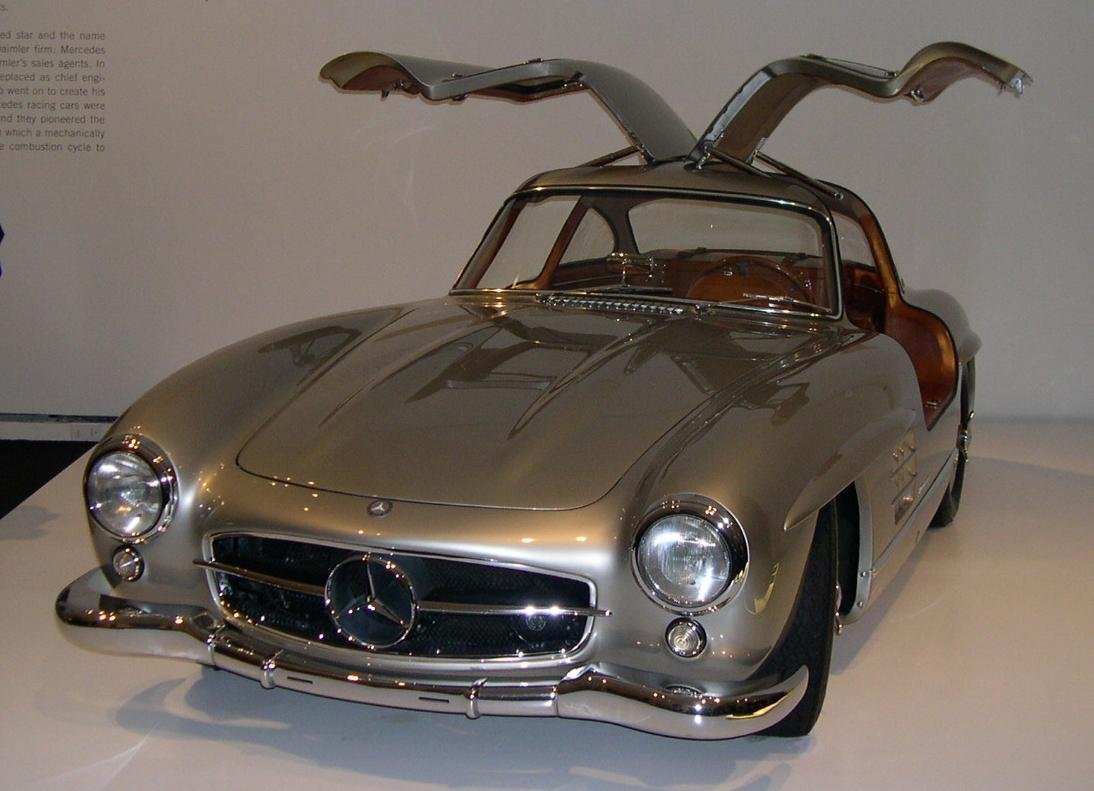
Gullwing doors hinge along the roofline and swing upward instead of outward, opening like a bird's wings, most famously on the Mercedes-Benz 300SL and DeLorean DMC-12.
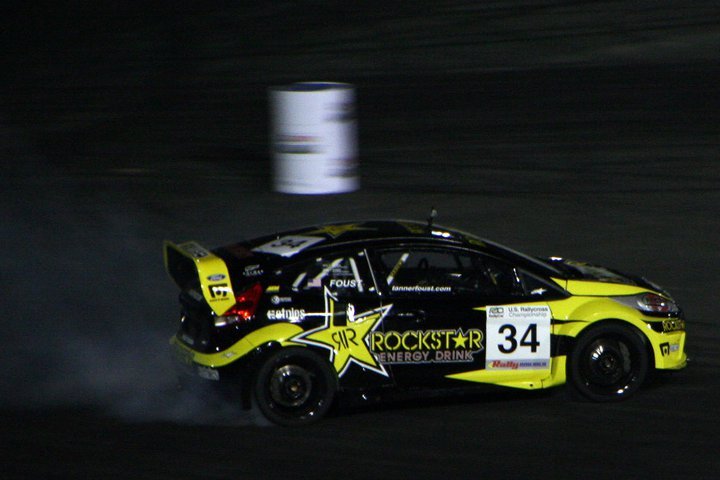
A driving discipline where drivers navigate a tight course with specific maneuvers (donuts, slides, reverses). Made famous by Ken Block.
H
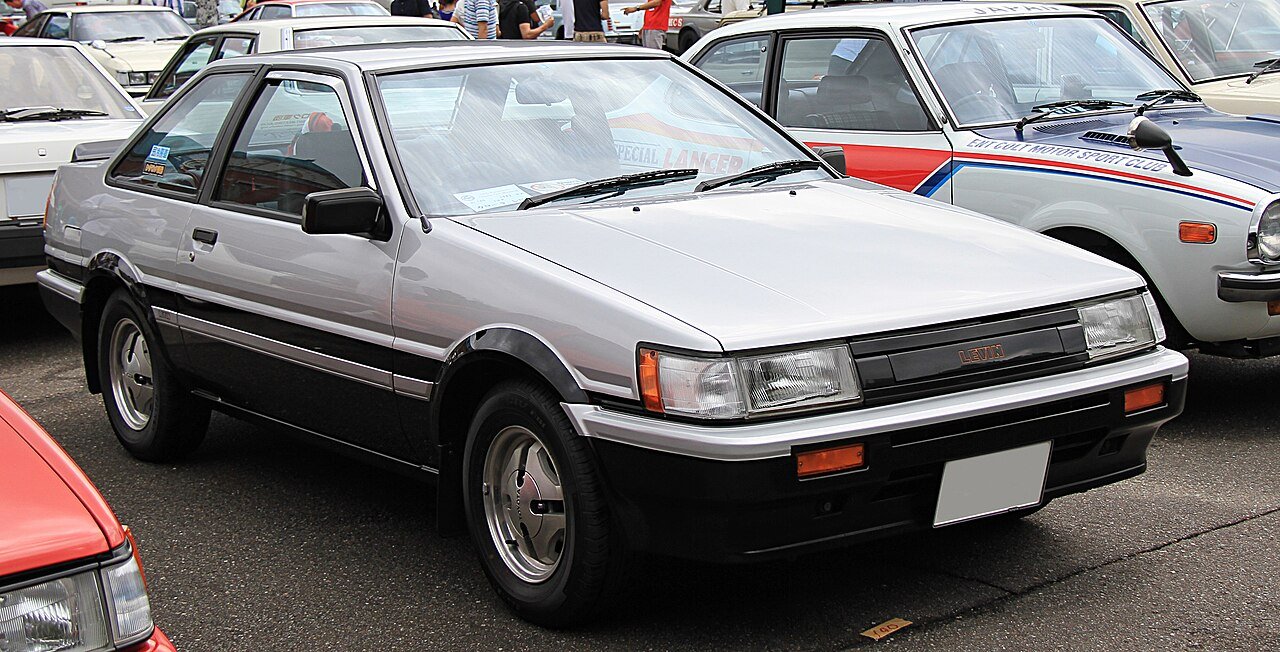
Japanese slang for the Toyota AE86. Means "eight-six" in Japanese. The car made famous by Initial D and the modern GR86 / BRZ revival.
Japanese term for street racer. Drivers who race on public roads at night, often associated with touge mountain pass driving.
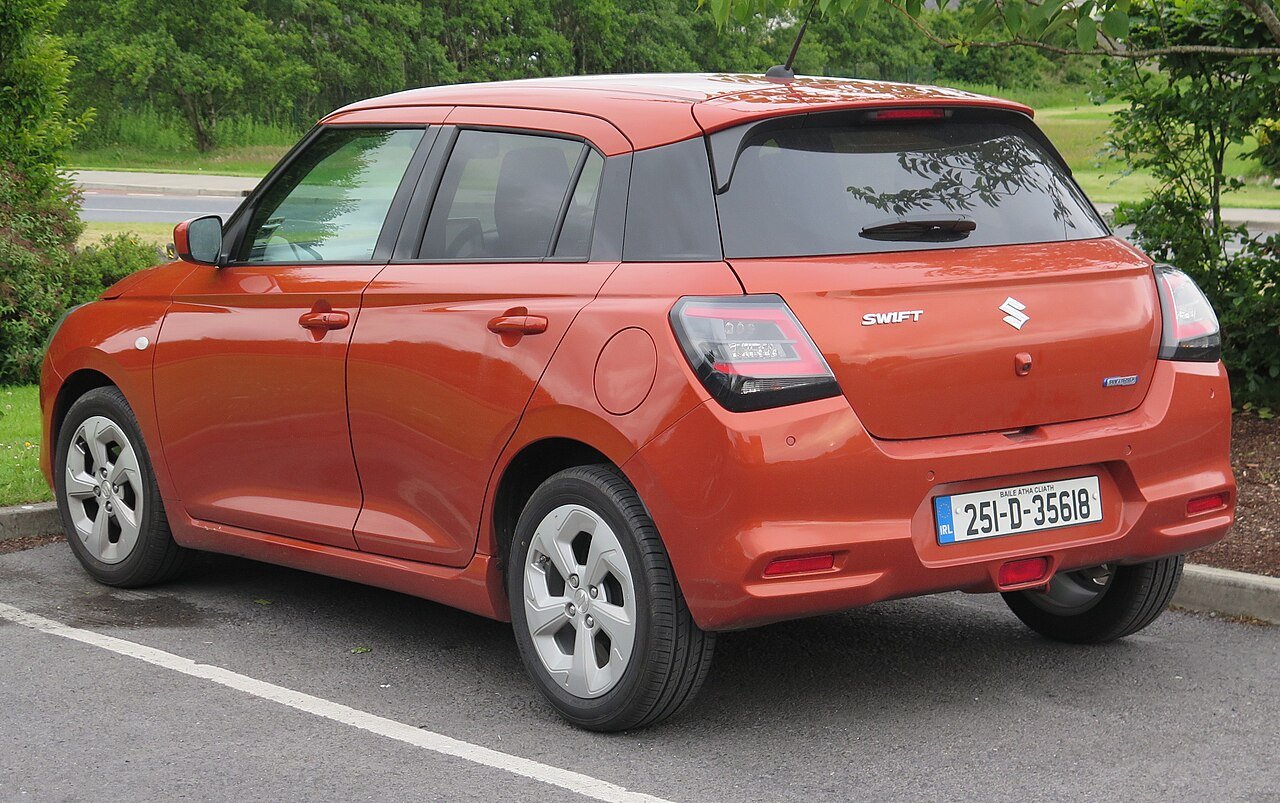
A car body style with a rear hatch that opens to access the cargo area. Common in compact cars, hot hatches, and crossover designs.
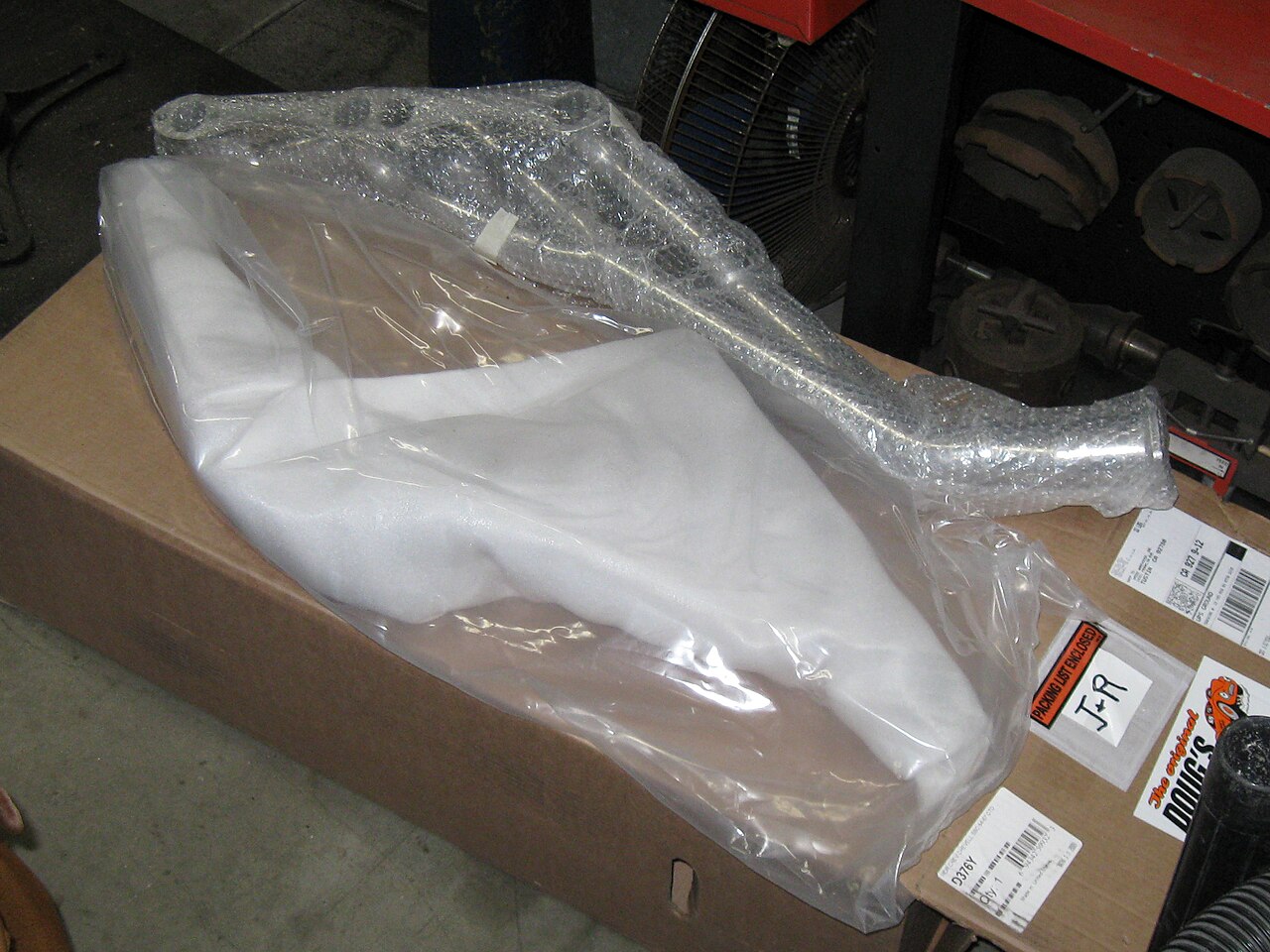
An aftermarket exhaust manifold designed to optimize exhaust flow from the cylinder head to the rest of the exhaust system. Increases power.
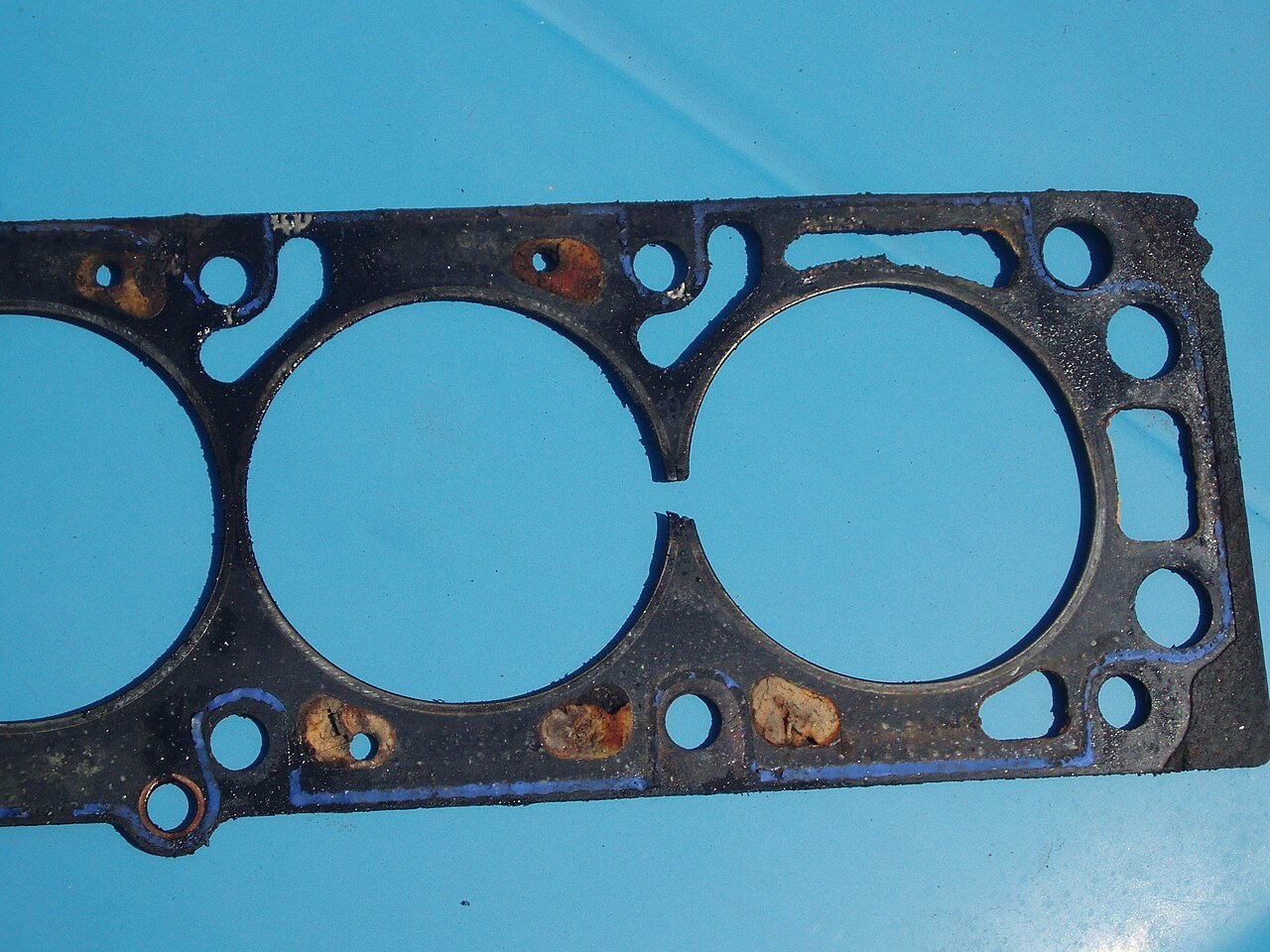
The seal between the engine cylinder head and engine block. Critical for compression and coolant containment. Failure is a major engine repair.
A driving technique using the right foot to brake with the toe and blip the throttle with the heel during downshifts. Essential for fast manual driving.
Wheel fitment style where the wheel face sits flush with the fender lip. Origin of the broader stance movement.
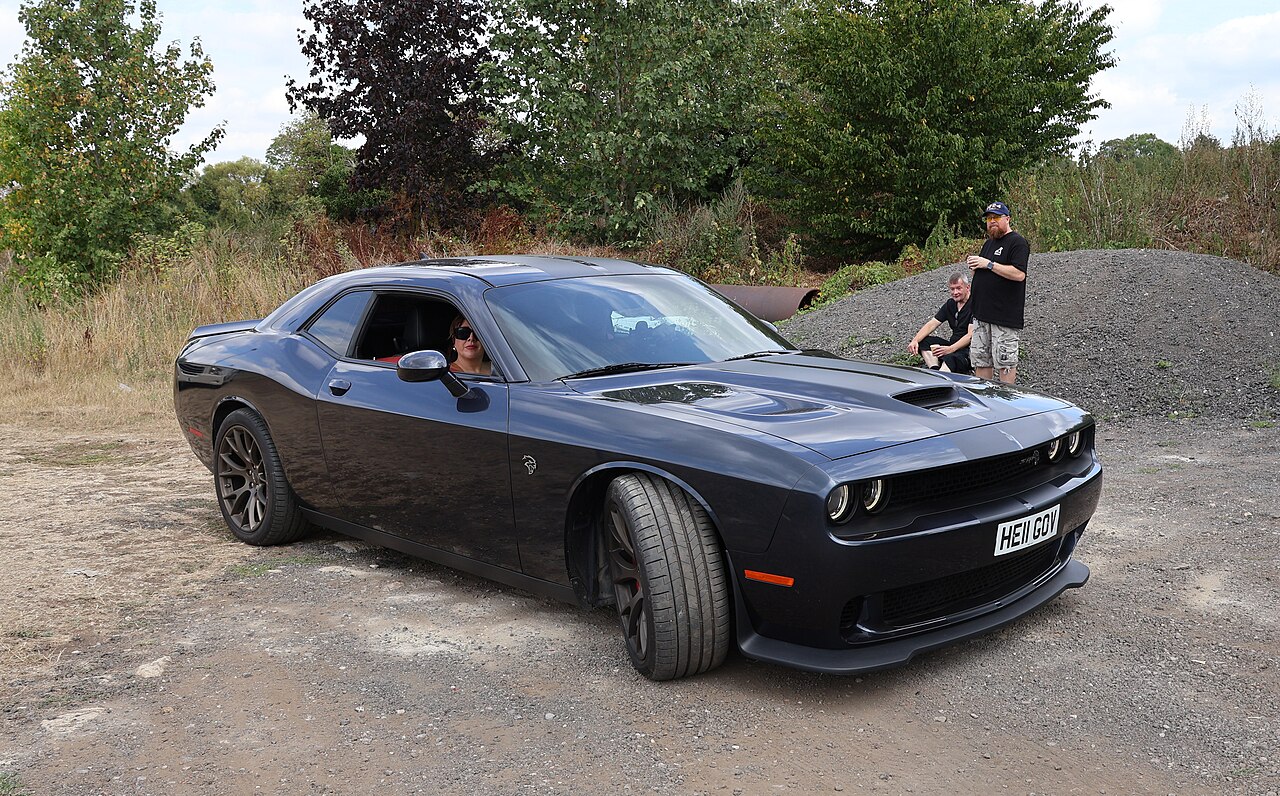
The 6.2-liter supercharged HEMI V8 engine produced by Stellantis from 2015 to 2024. Power outputs from 707 to 807 horsepower across various Mopar applications.
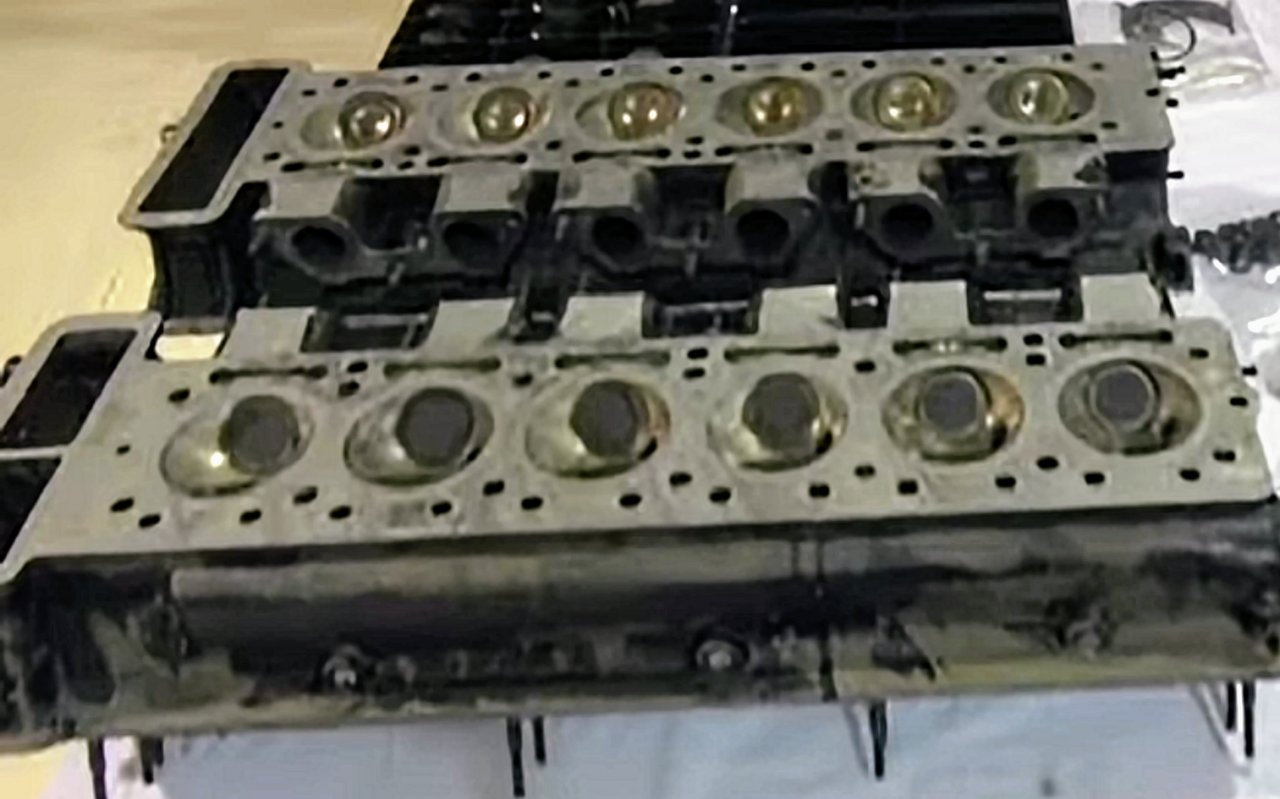
Hemi refers to Chrysler's line of V8 engines built with hemispherical combustion chambers, a design tied to some of the most iconic muscle cars and modern trucks.
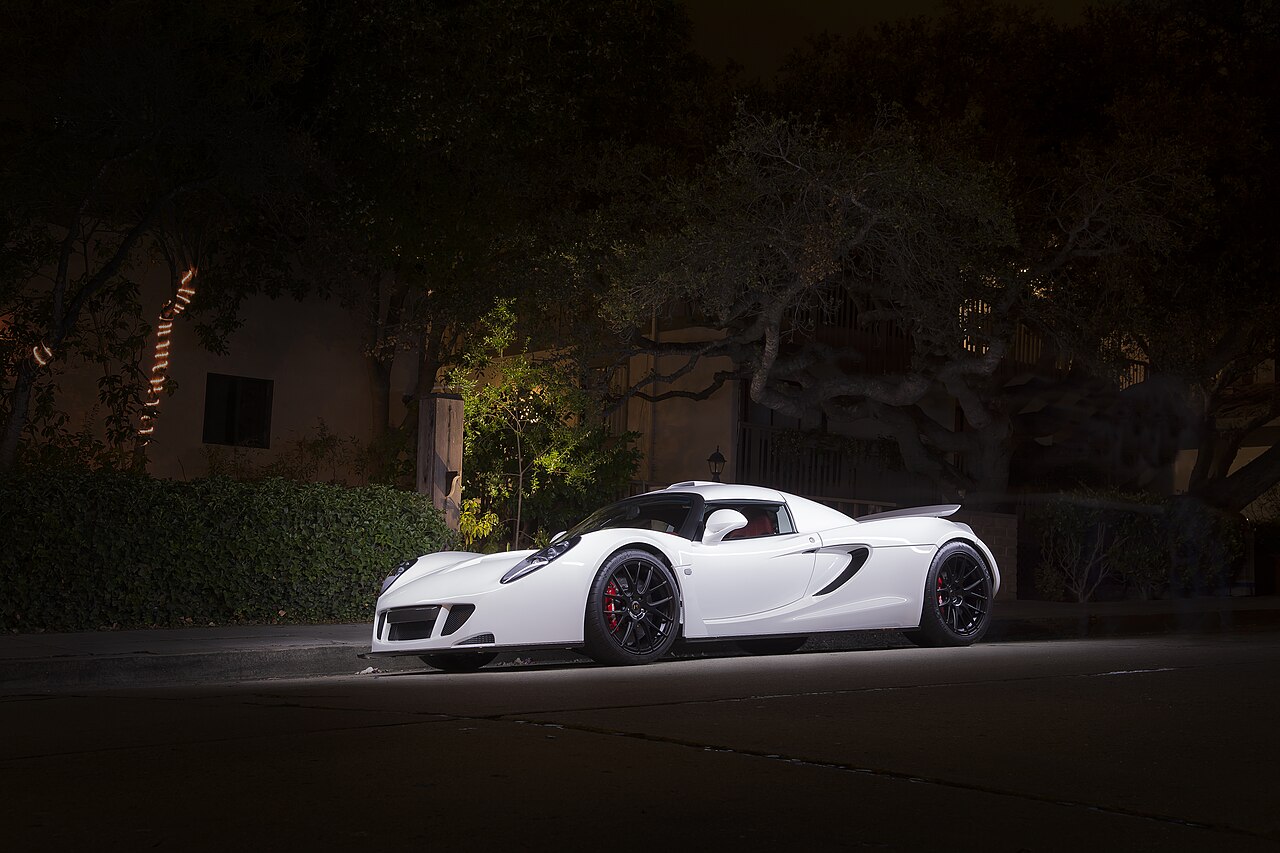
American performance house founded 1991 by John Hennessey. Famous for Hennessey Venom GT and Venom F5 hypercars, and extreme tuning of various platforms.
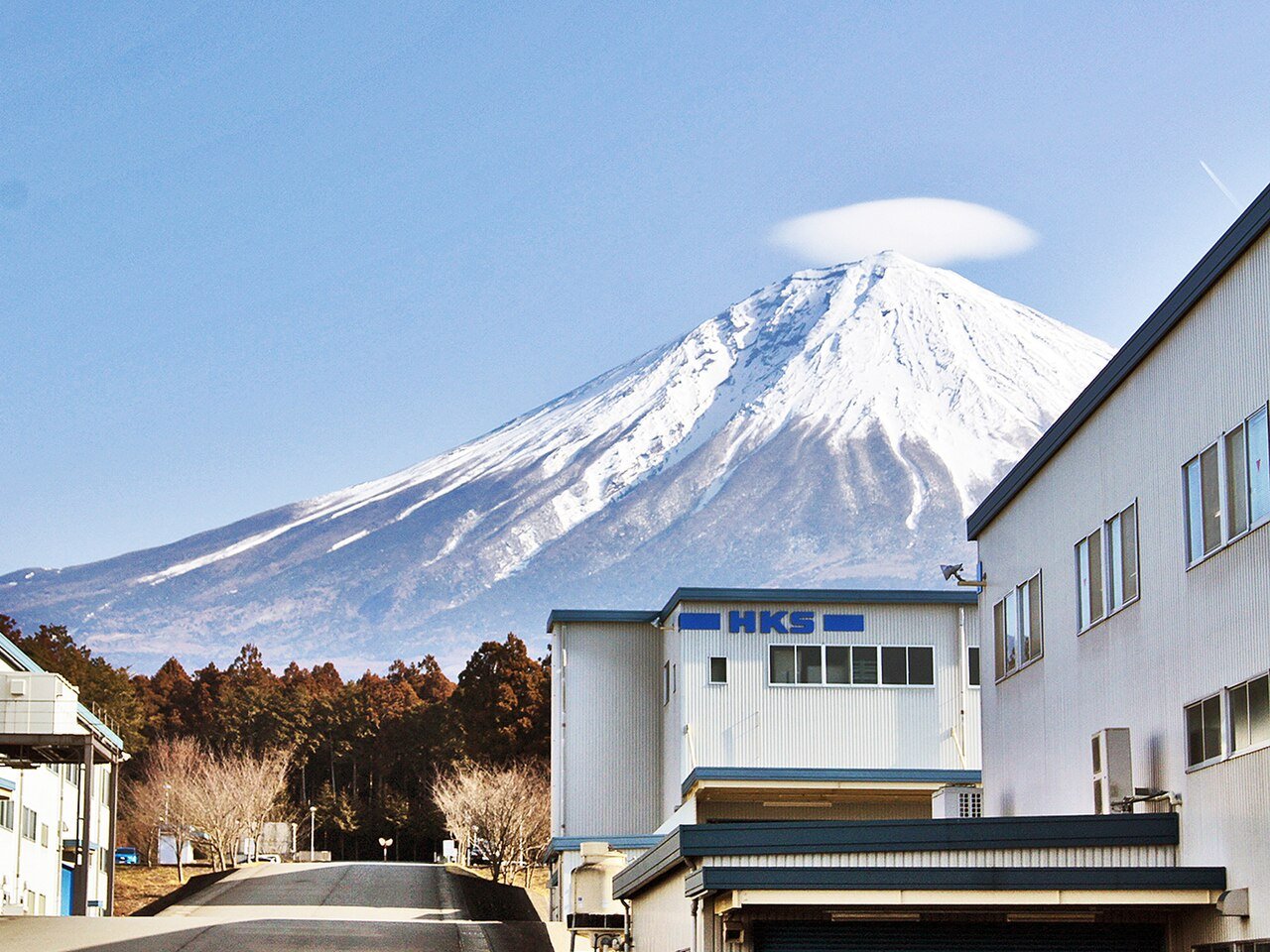
Hasegawa Kotaro Specialist - Japanese tuning company founded 1973. Famous for turbocharger systems, exhausts, and the iconic SSQV blow-off valve.
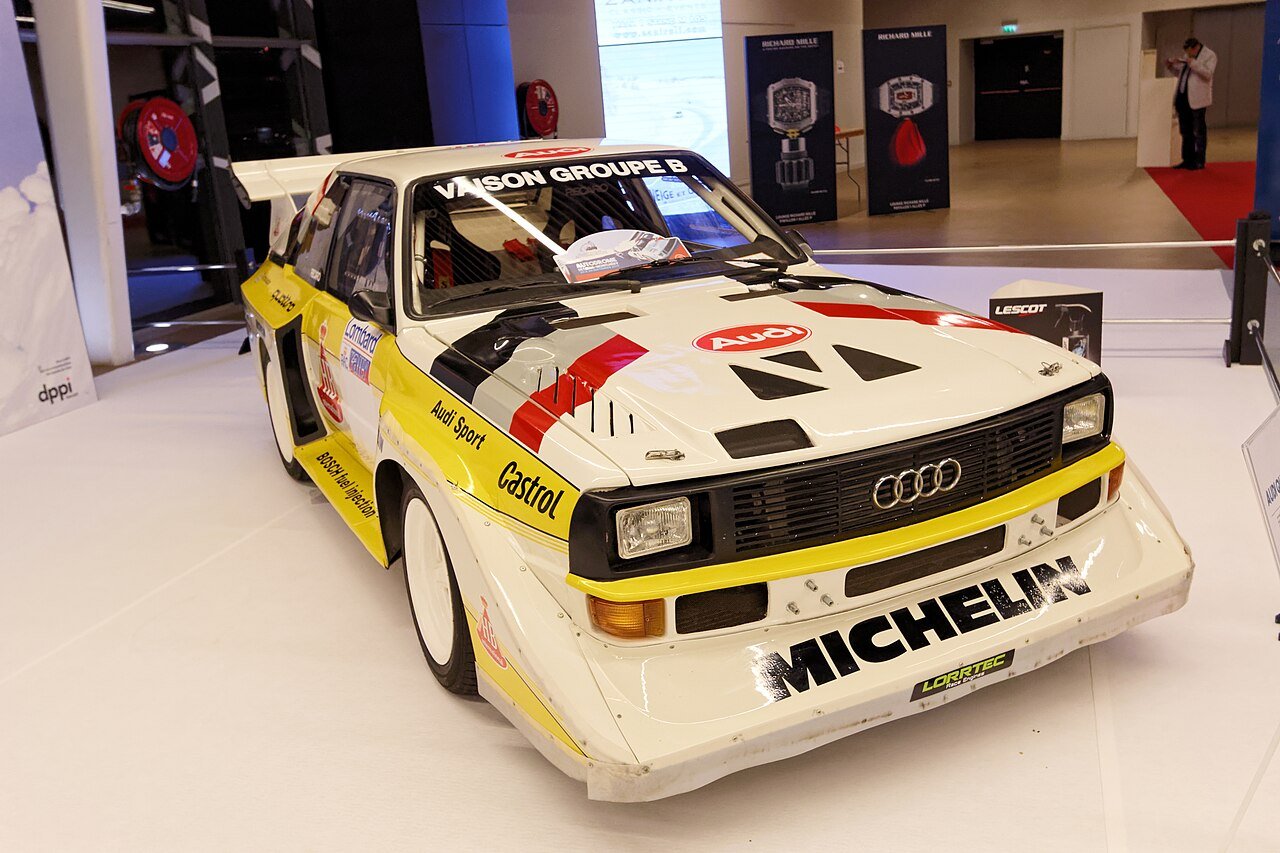
The process of building enough road-legal versions of a car to make a related model eligible to race in a given category.
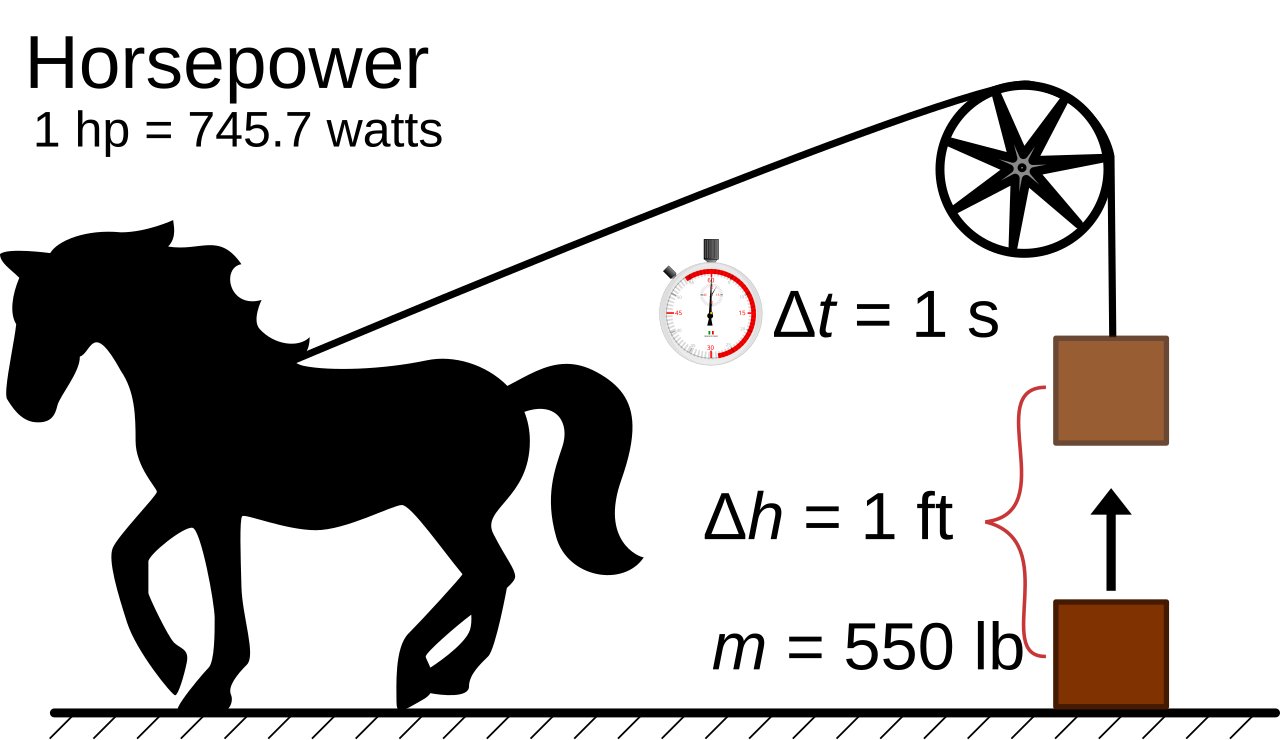
Horsepower is a unit of power that measures how quickly an engine can do work, most commonly used to describe an engine's peak output.
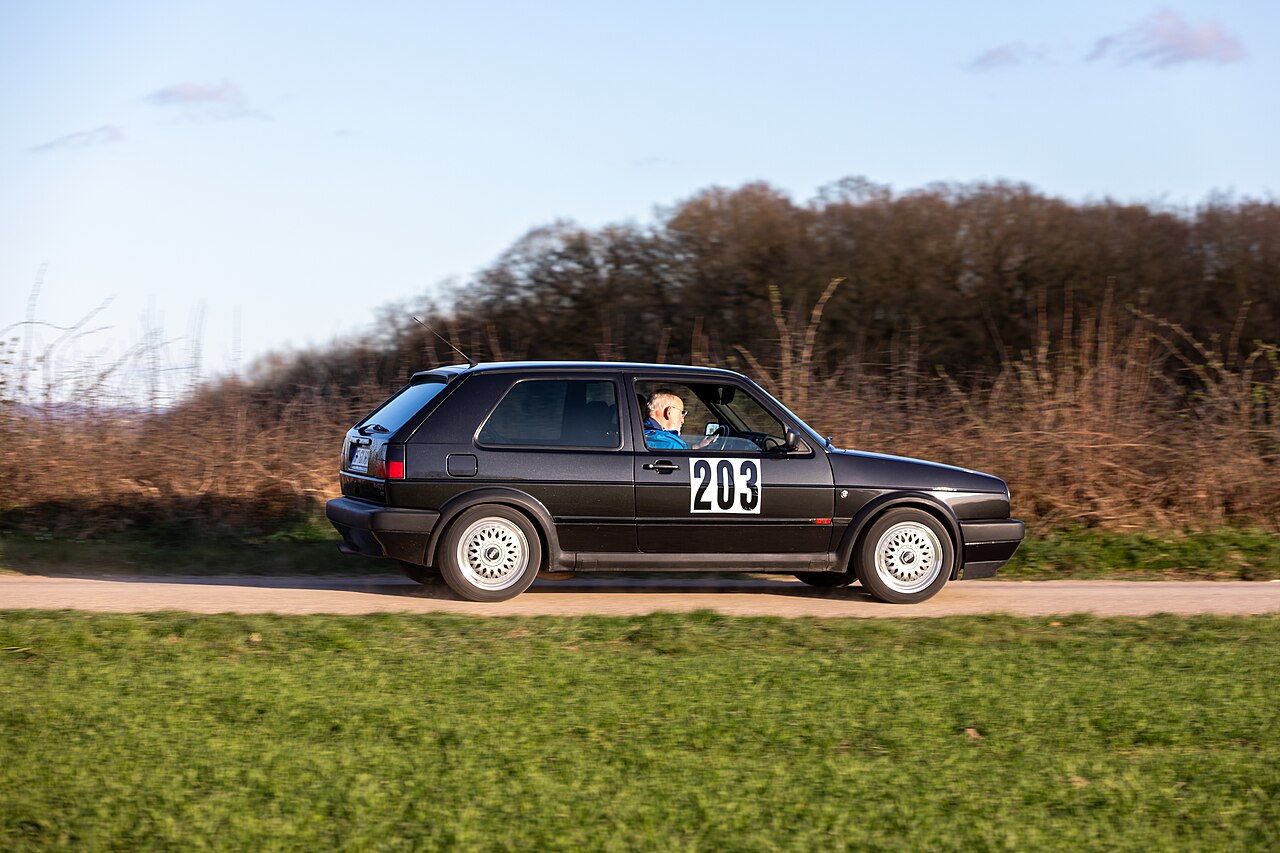
A high-performance variant of a compact hatchback. The category began with the 1976 Volkswagen Golf GTI.
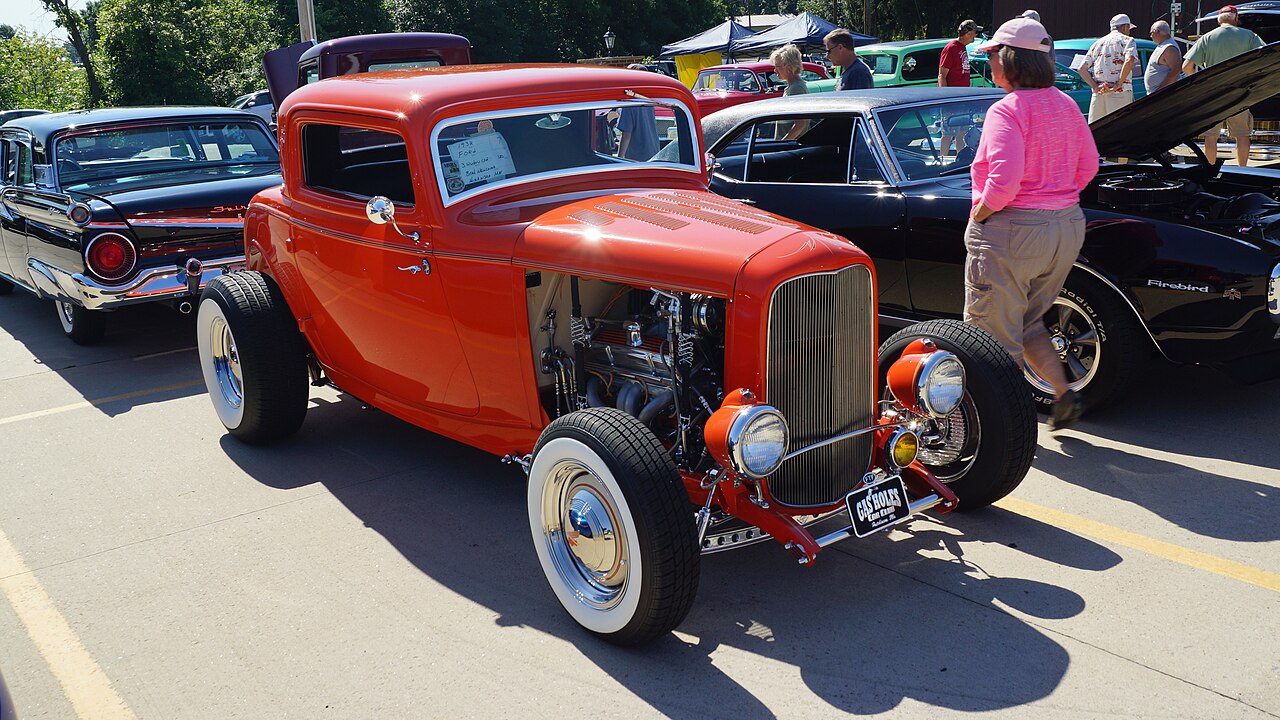
An older American car (typically pre-1949) modified for performance and individualistic style. The original DIY car culture.
A plastic or aluminum insert that fills the gap between a wheel's center bore and the vehicle's hub, ensuring the wheel centers on the hub rather than the lug bolts.
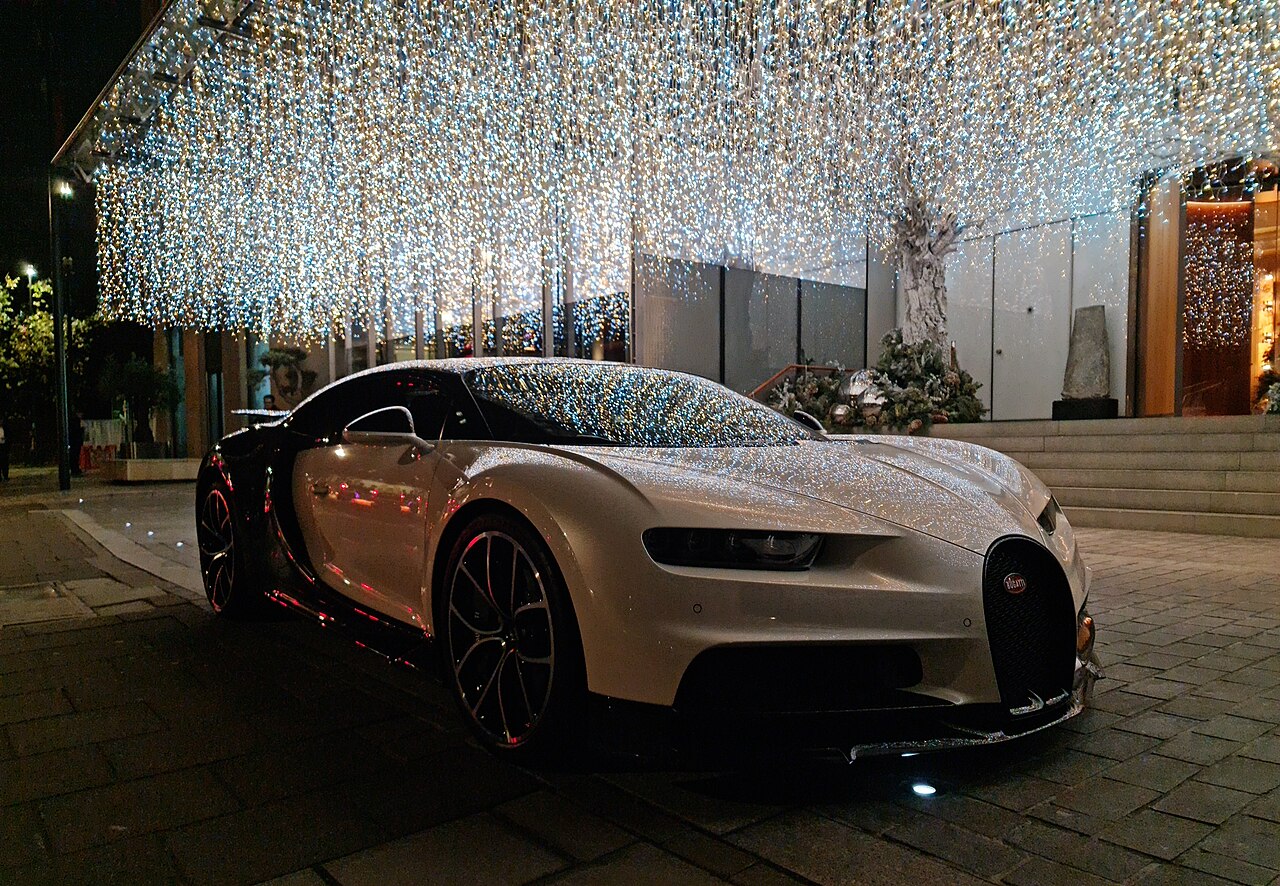
The most extreme tier of supercars, characterized by carbon fiber construction, 900+ horsepower, and prices typically over $1 million.
I
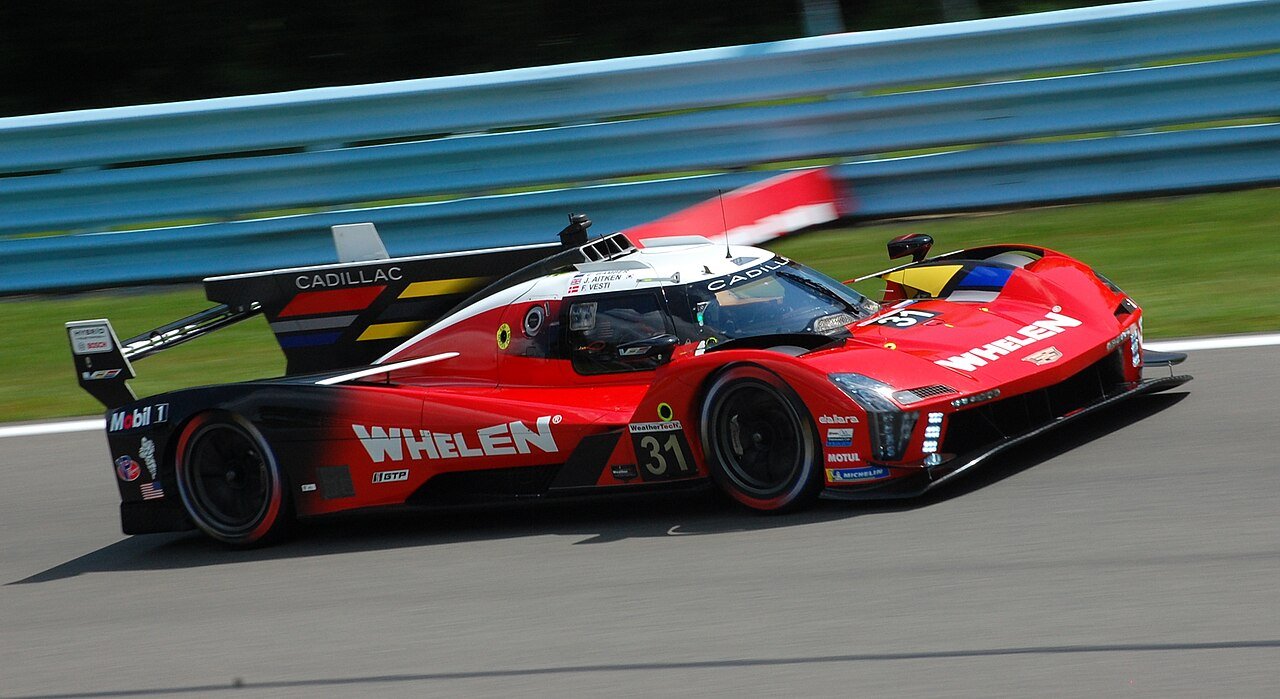
IMSA is the International Motor Sports Association, the main sanctioning body for sports car endurance racing in North America.
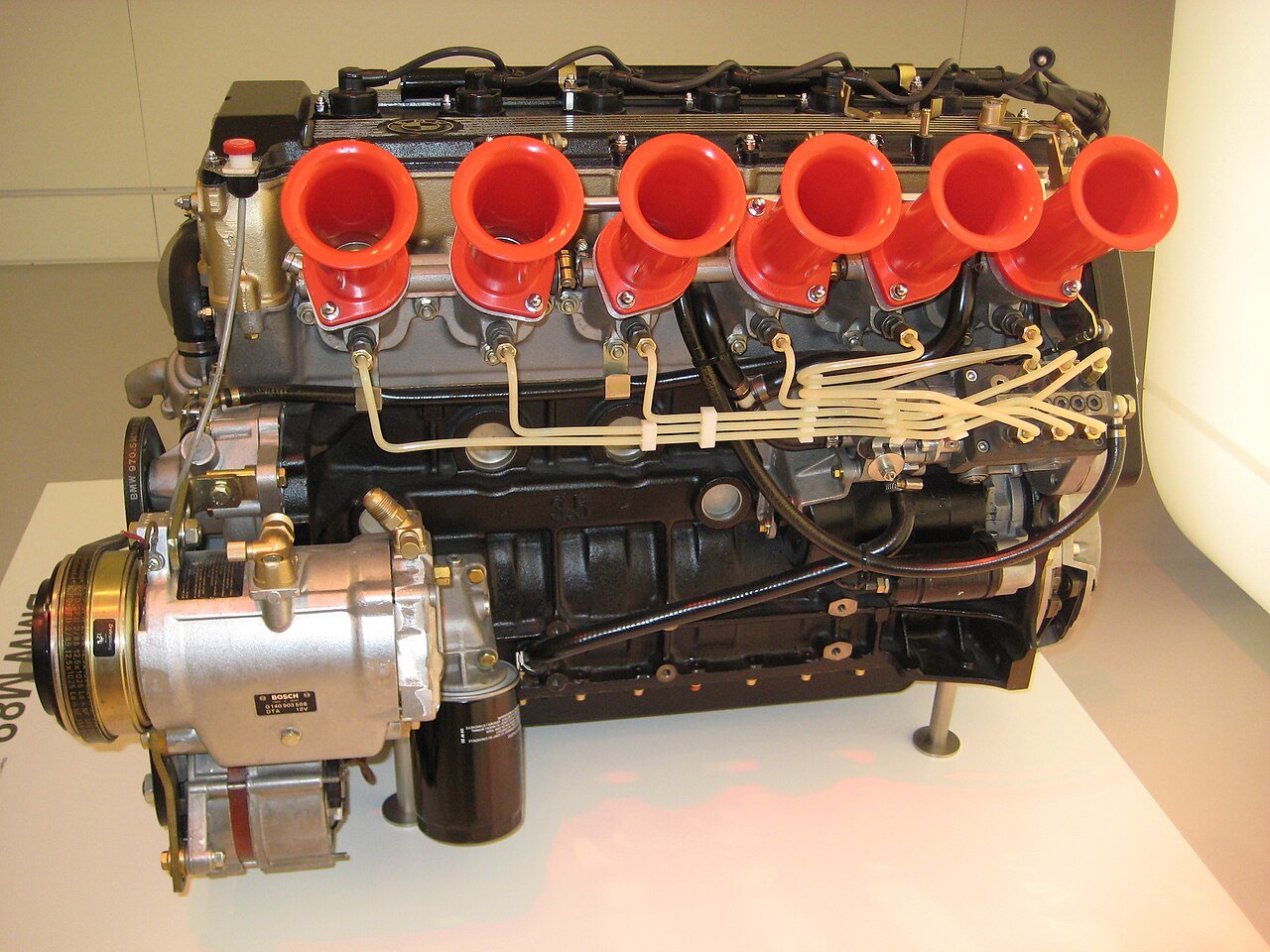
A carburetor-inspired induction system with a separate throttle body for each engine cylinder, providing instantaneous throttle response and a distinctive intake sound.
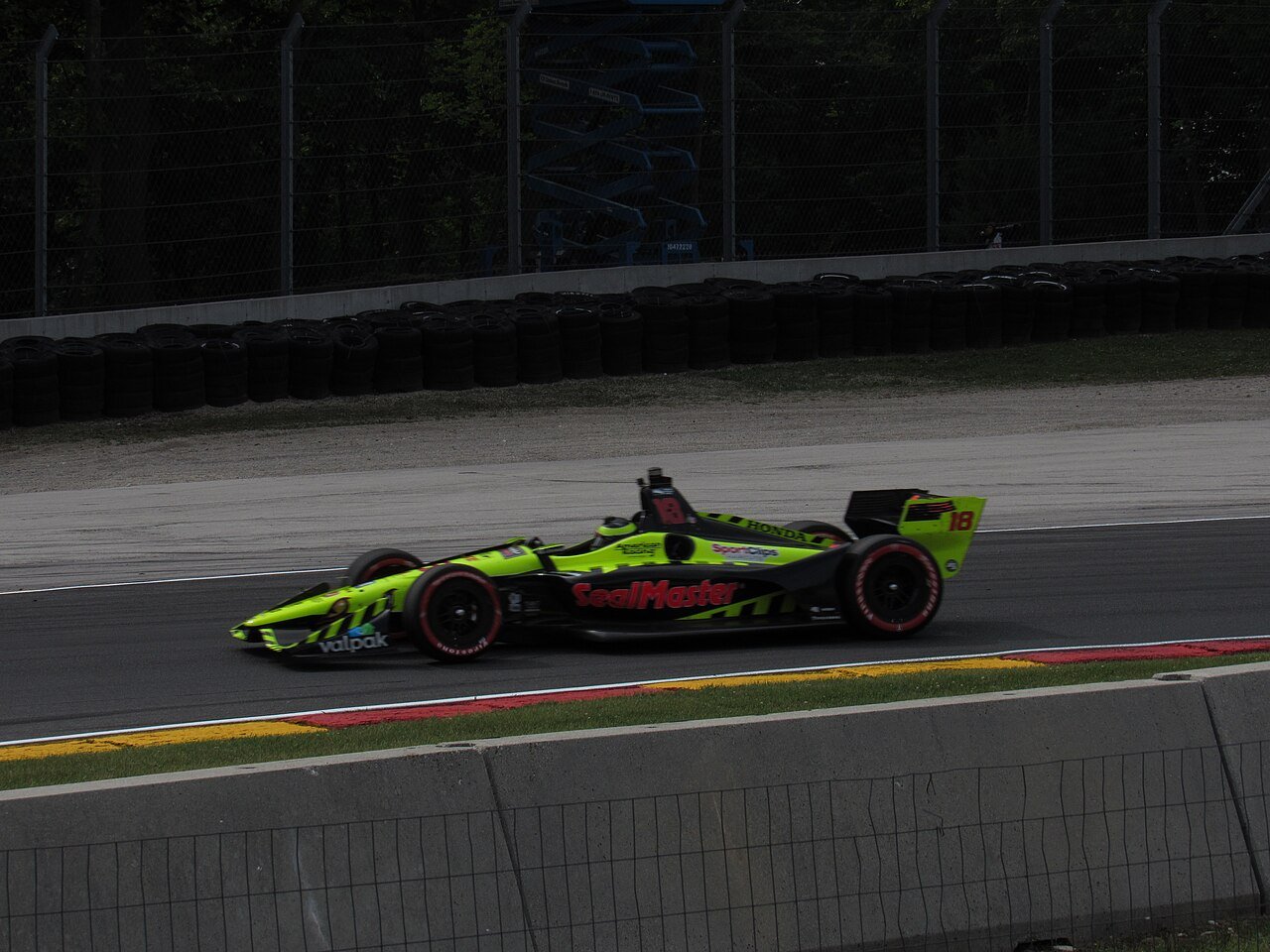
IndyCar is the top level of American open-wheel racing, best known for the Indianapolis 500 and its mix of oval, road, and street circuits.
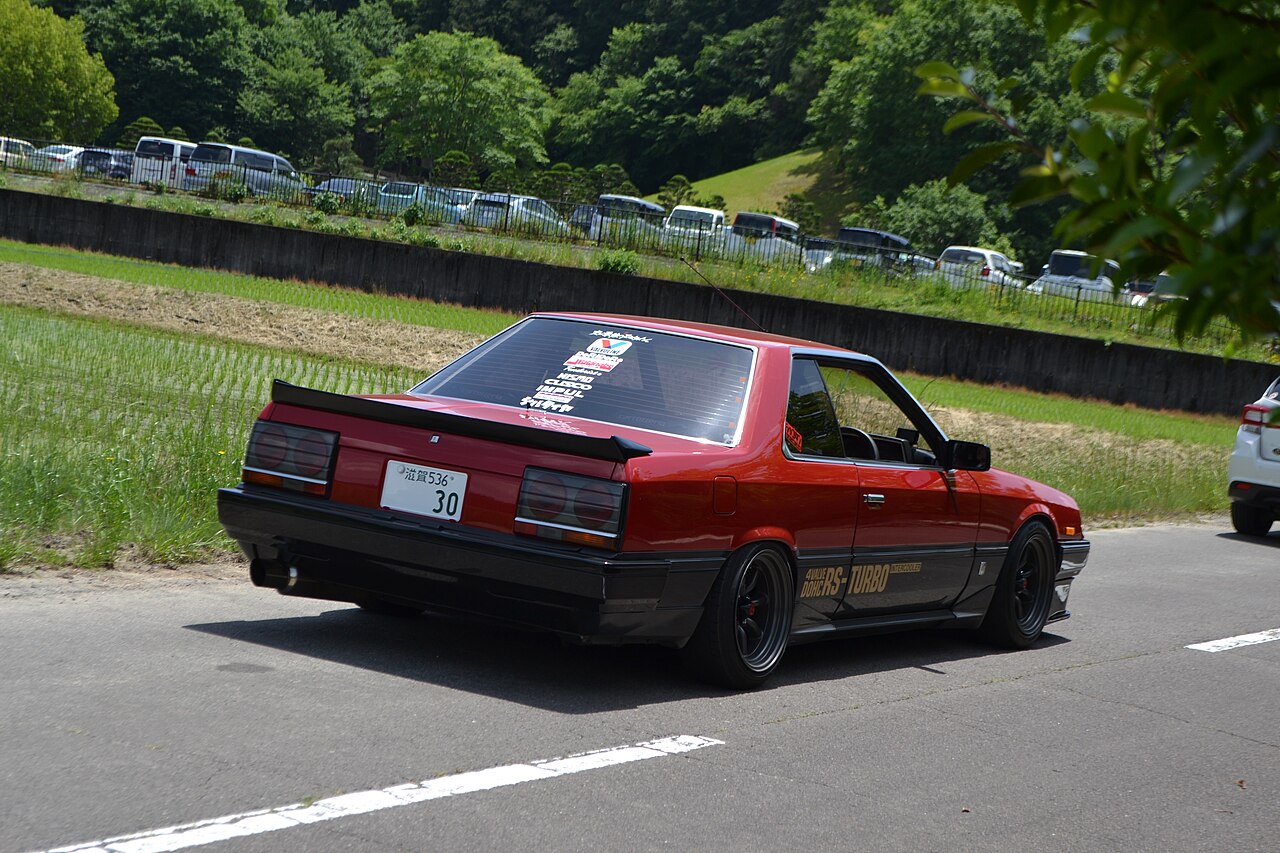
A heat exchanger that cools the air leaving a turbocharger or supercharger before entering the engine, increasing density and power.
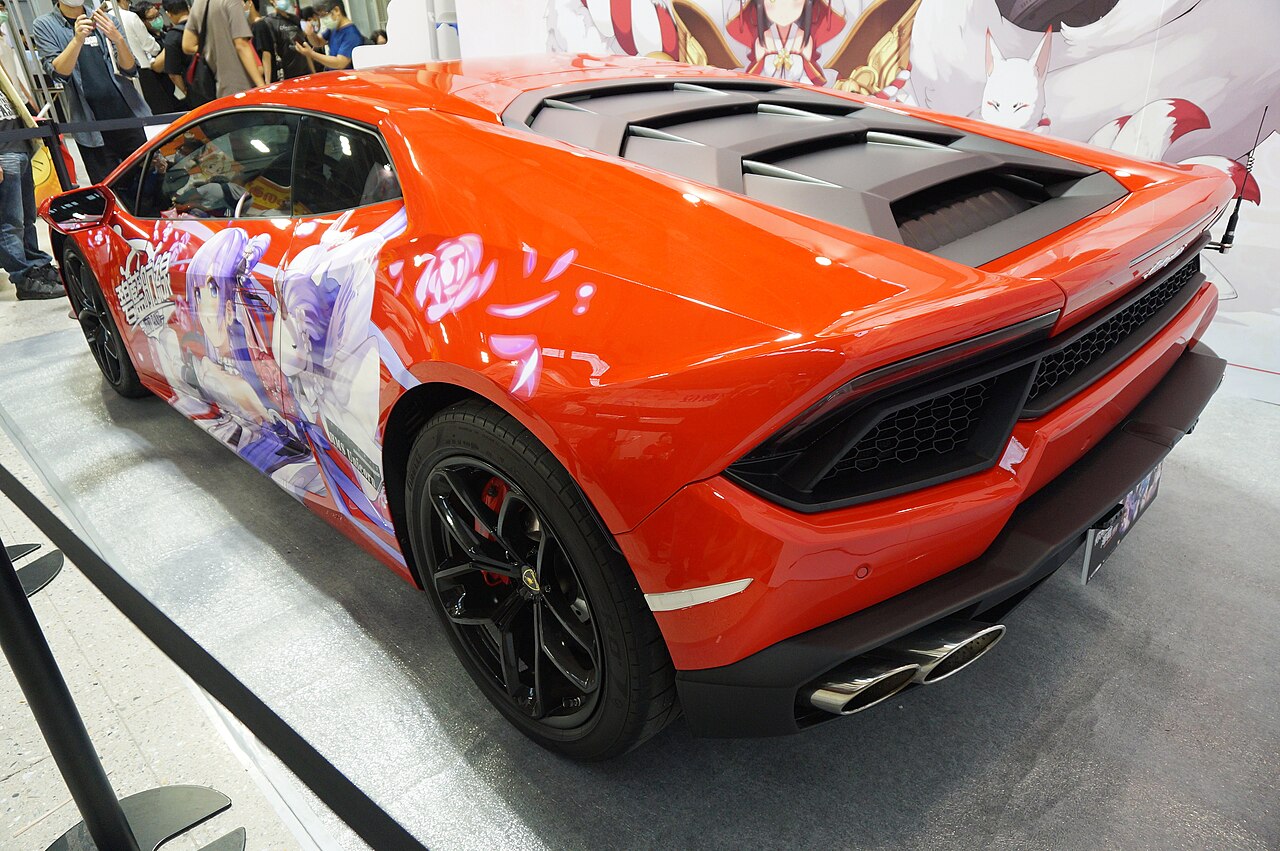
A Japanese vehicle decorated with anime, manga, or video game characters and graphics. The term combines "itai" (painful) and "sha" (vehicle).
J
K
Japanese street racing subculture in Osaka, racing modified Honda Civics on the Kanjo highway loops. Active since the 1990s.
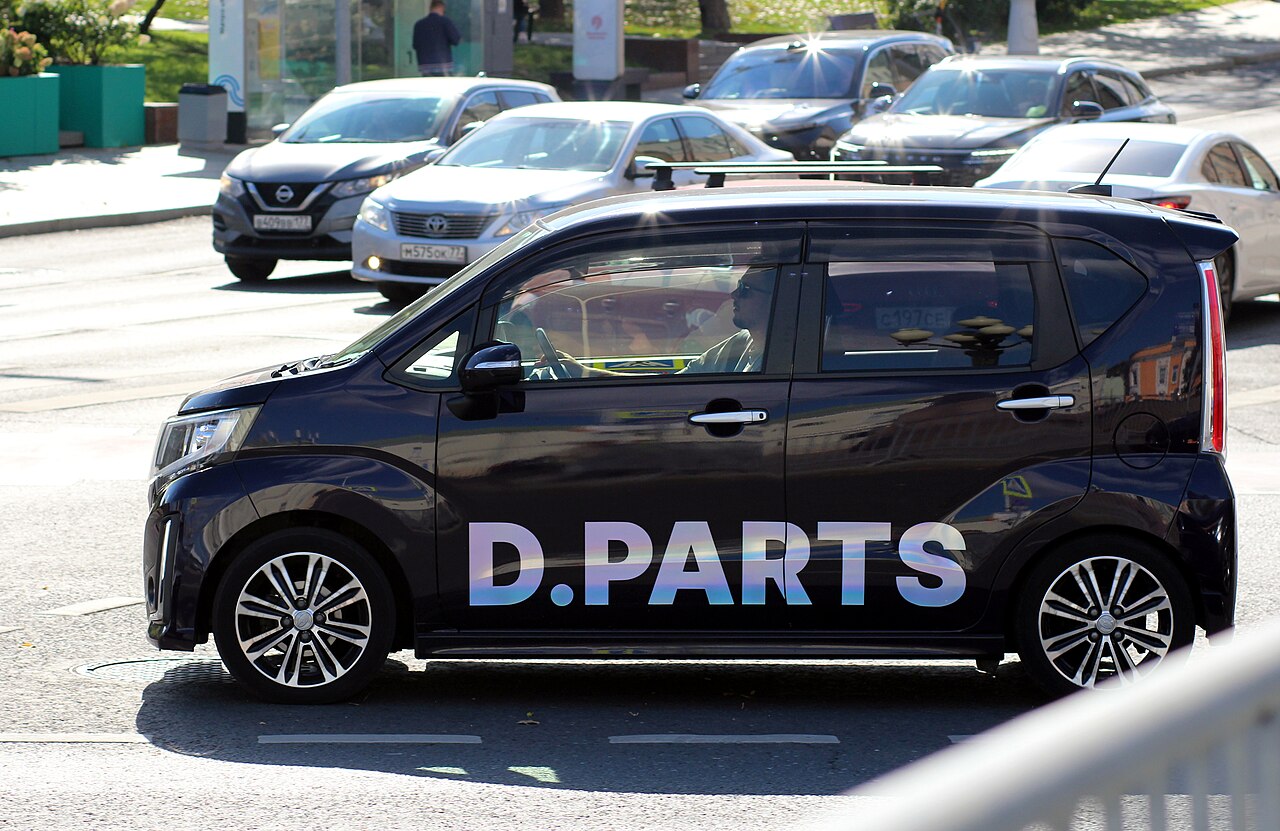
Japanese vehicle classification with strict size and engine displacement limits (currently 660cc maximum). Includes commuter cars, vans, trucks, and a sports segment.
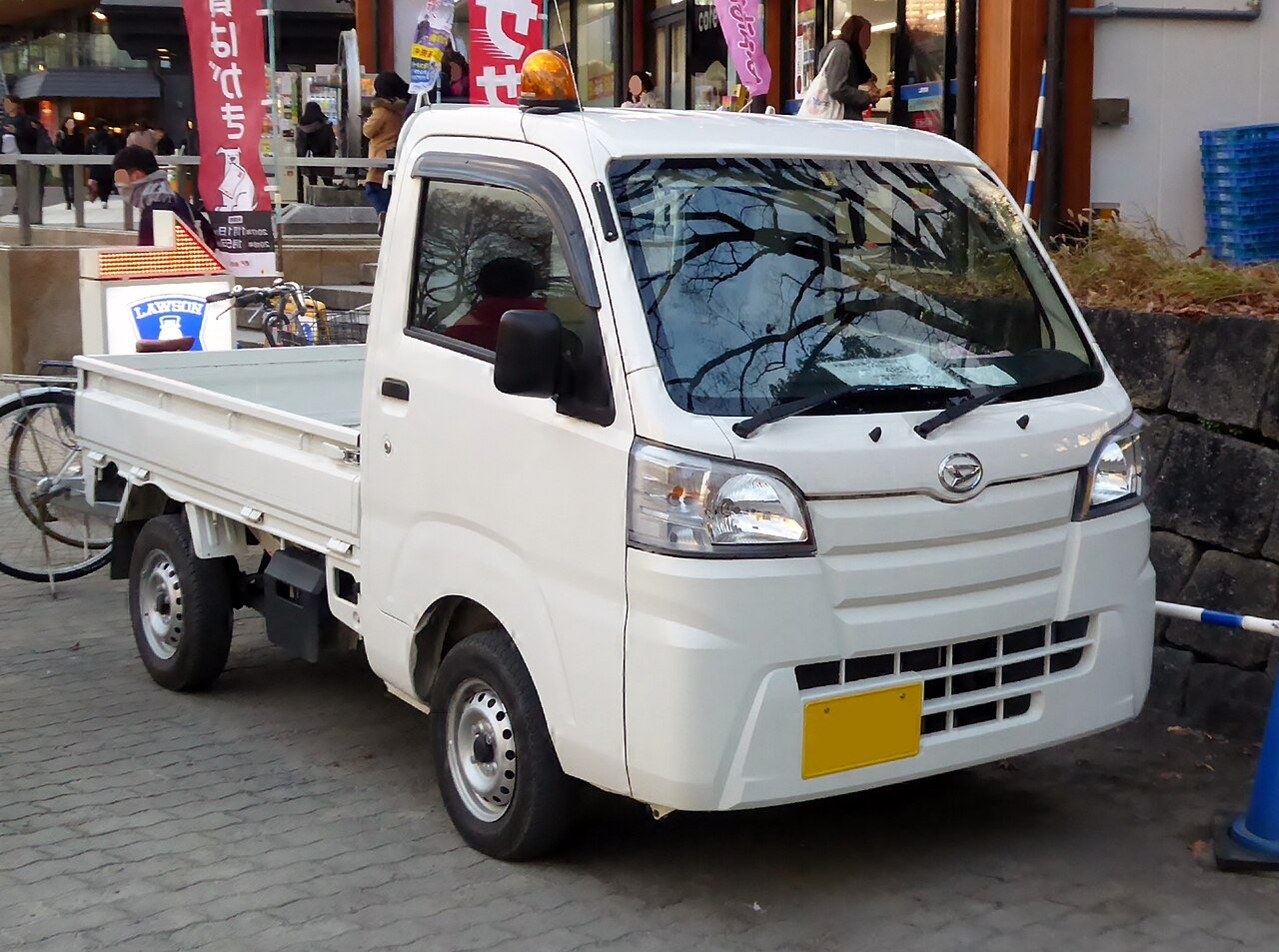
A kei truck is a tiny Japanese pickup built to kei-class size and engine limits, prized for its practicality and low running costs, and increasingly popular in the US as a legal 25-year import.
Engine detonation outside of the normal combustion event. Causes pinging or knocking sound. Damages engine if sustained.
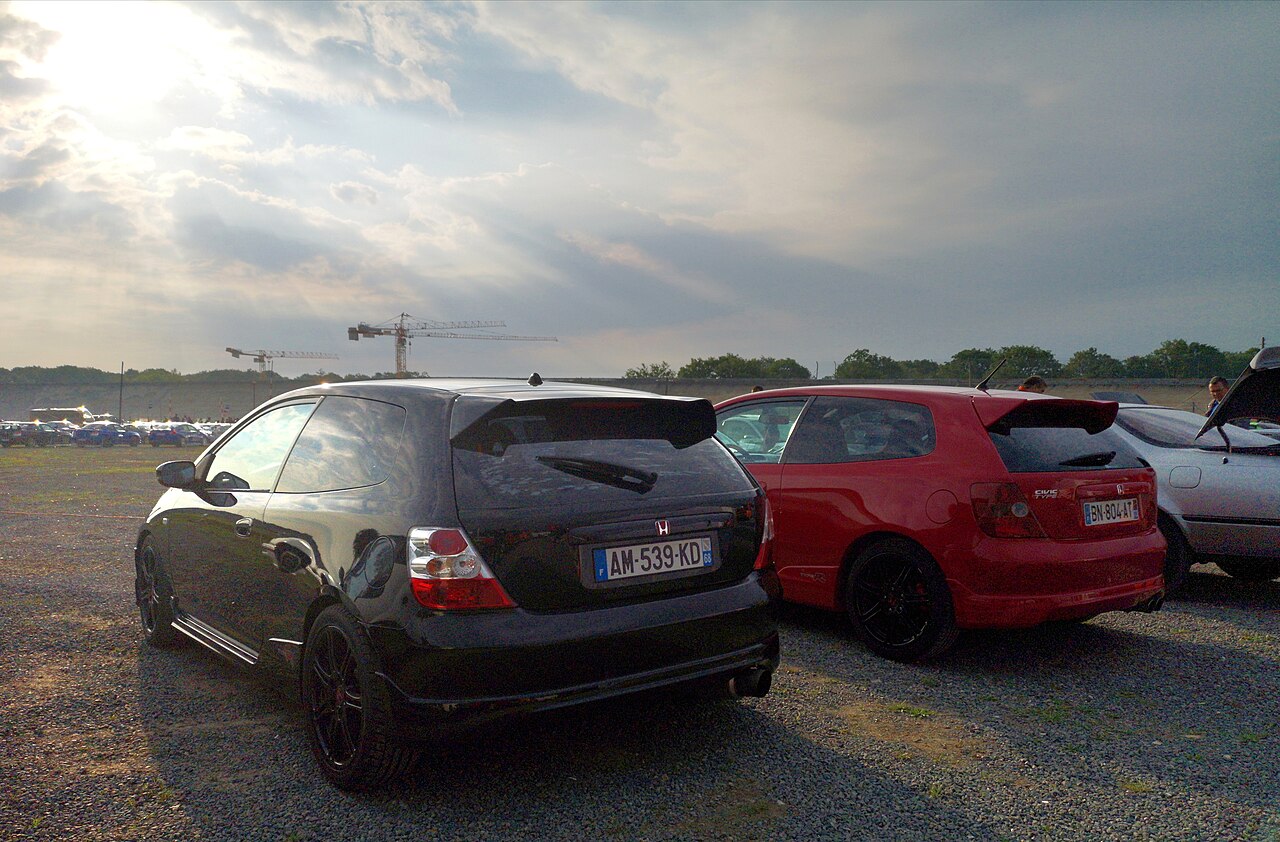
Swapping a Honda K-series engine (K20, K24, etc.) into a chassis that did not come with one originally. Most common in older Civic and CR-X chassis.
L
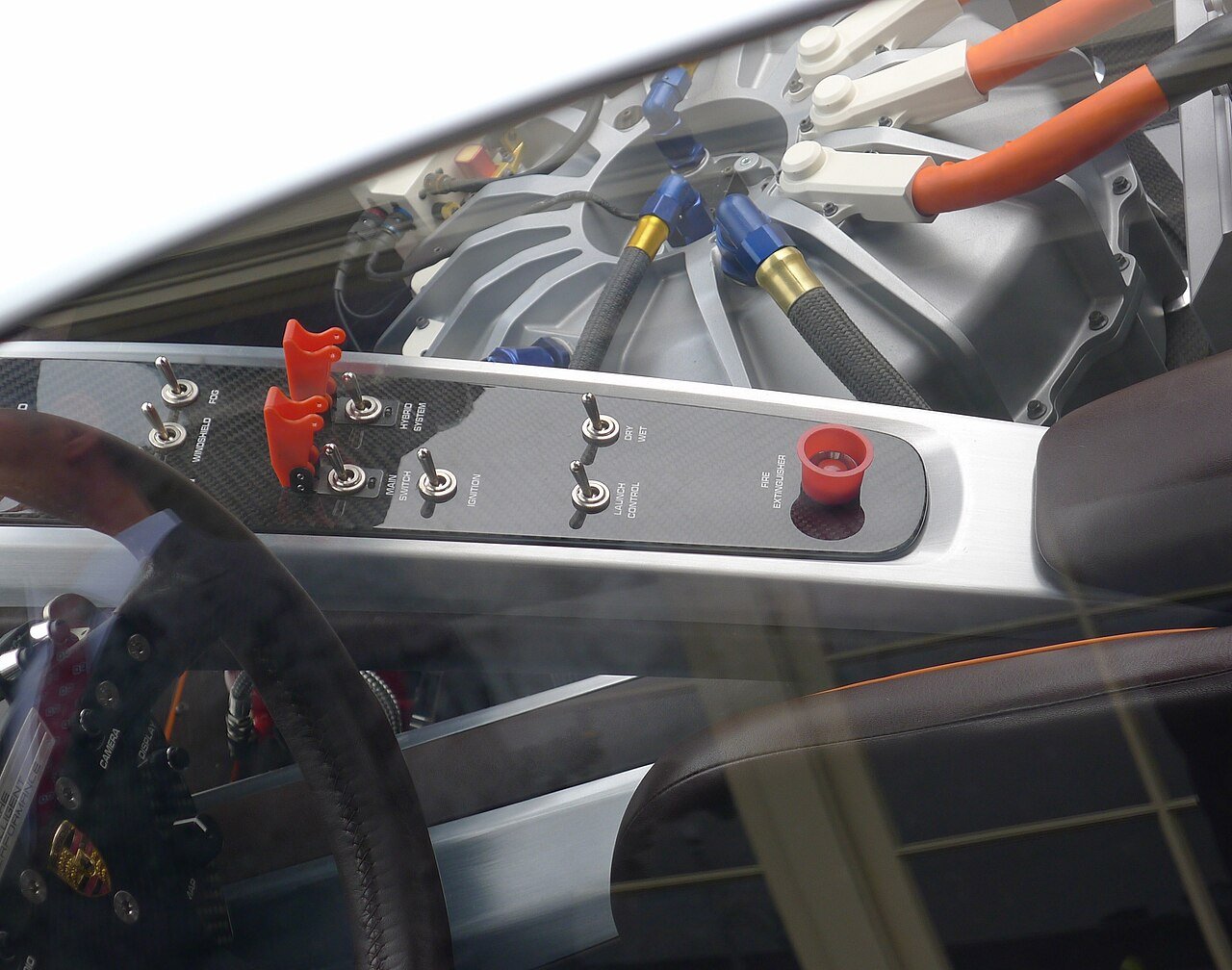
An electronic system that holds engine RPM at an optimal level for the fastest possible standing start, then releases for maximum acceleration.
A diagnostic test that measures cylinder air leakage by introducing pressurized air. Identifies the location of compression problems (rings, valves, head gasket).
Using the left foot for the brake pedal (instead of the typical right foot) to allow simultaneous throttle and brake input. Common in rally and AWD performance driving.
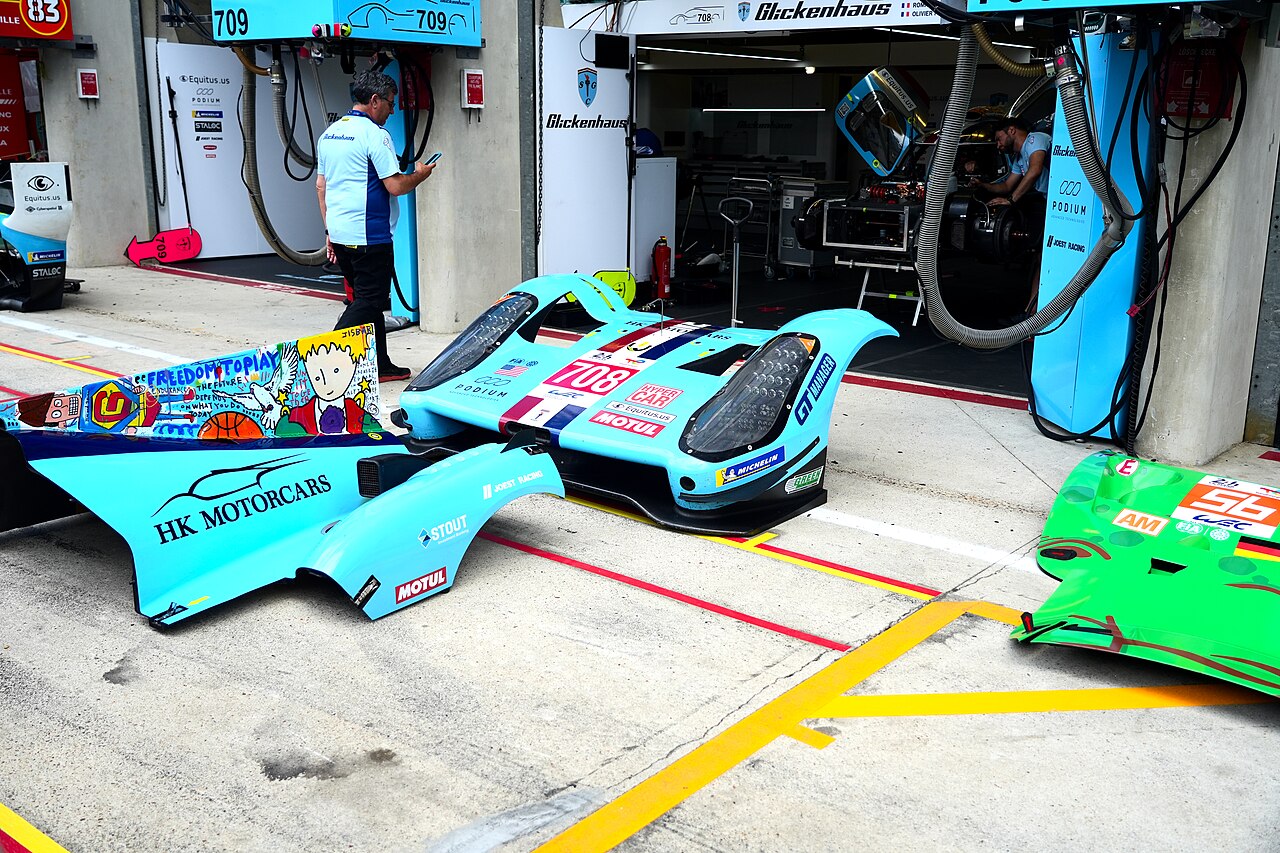
The 24 Hours of Le Mans. The most famous endurance race in the world, run annually since 1923 at Circuit de la Sarthe in France.
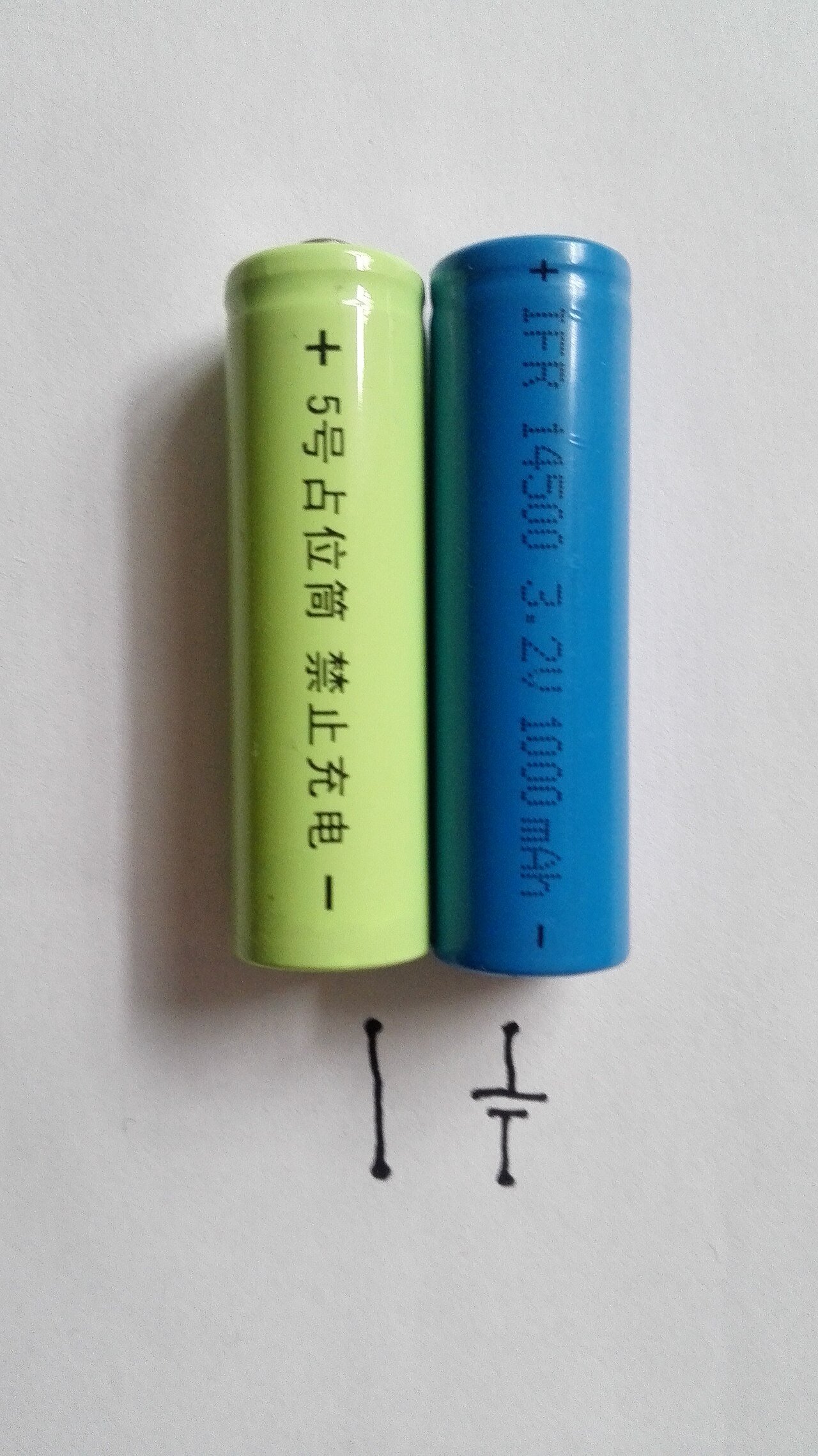
A lithium iron phosphate EV battery chemistry valued for long life, safety and low cost, at the expense of some energy density.
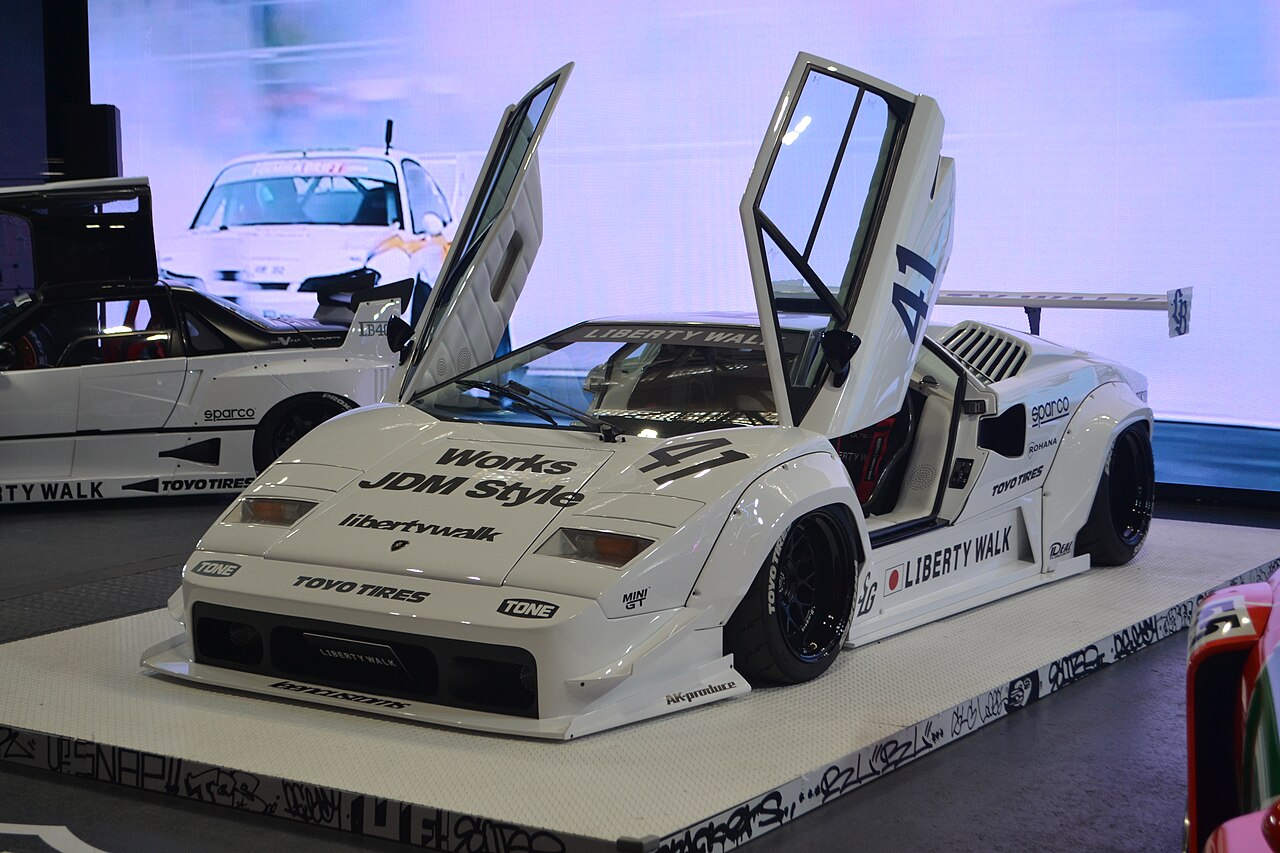
Japanese tuner house founded by Wataru Kato. Famous for aggressive bolt-on widebody kits with riveted flares for supercars and performance cars.
Lidar is a laser-based sensing technology that measures distance by timing reflected light pulses, used in autonomous driving and advanced driver assistance systems.
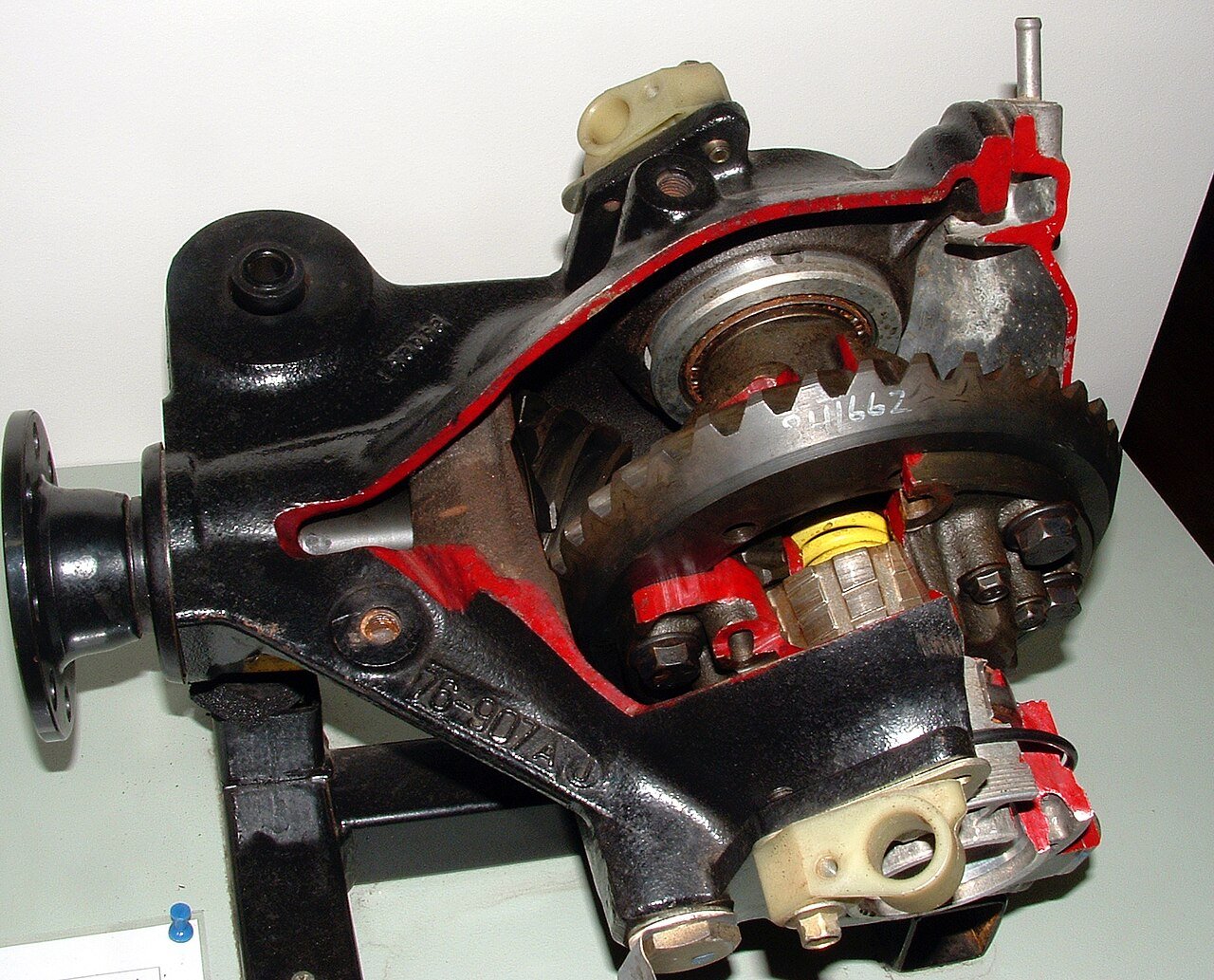
A differential that limits how much the driven wheels can spin at different speeds, sending power to the wheel with grip.
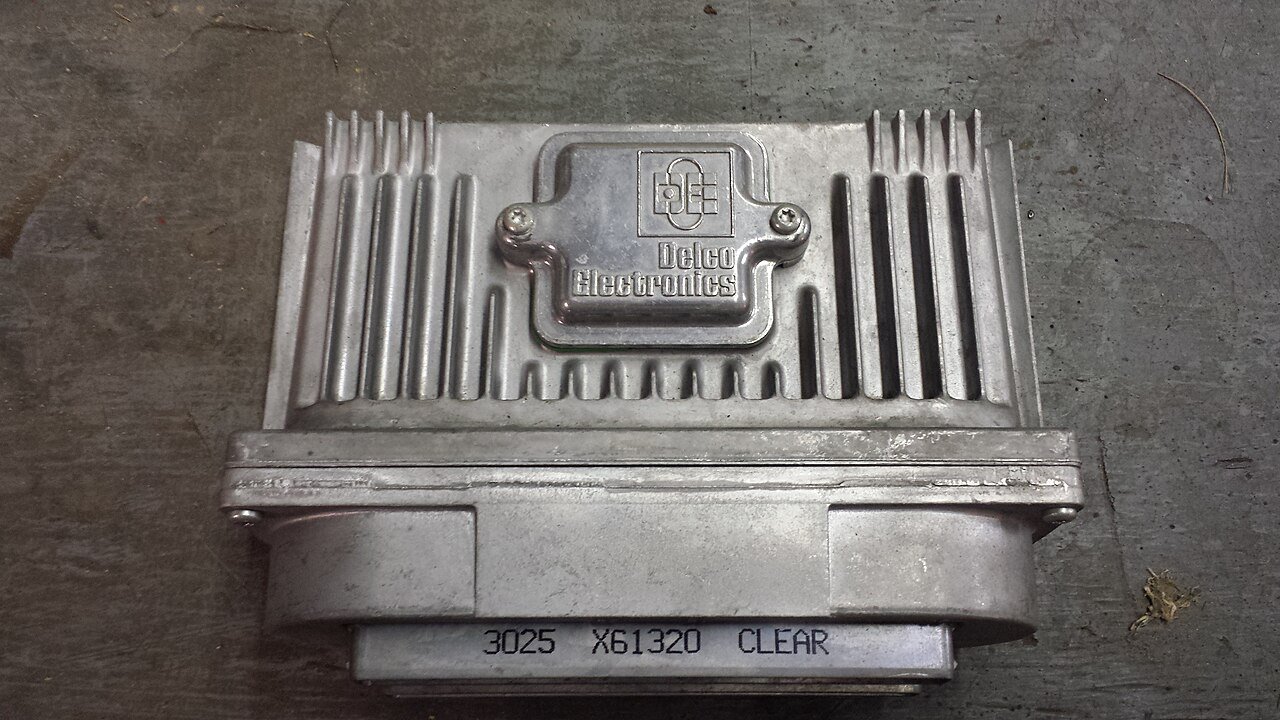
Limp mode is a self-protective failsafe the engine or transmission control unit triggers when it detects a serious fault, cutting power and limiting RPM so the car can still be driven cautiously to a repair shop.
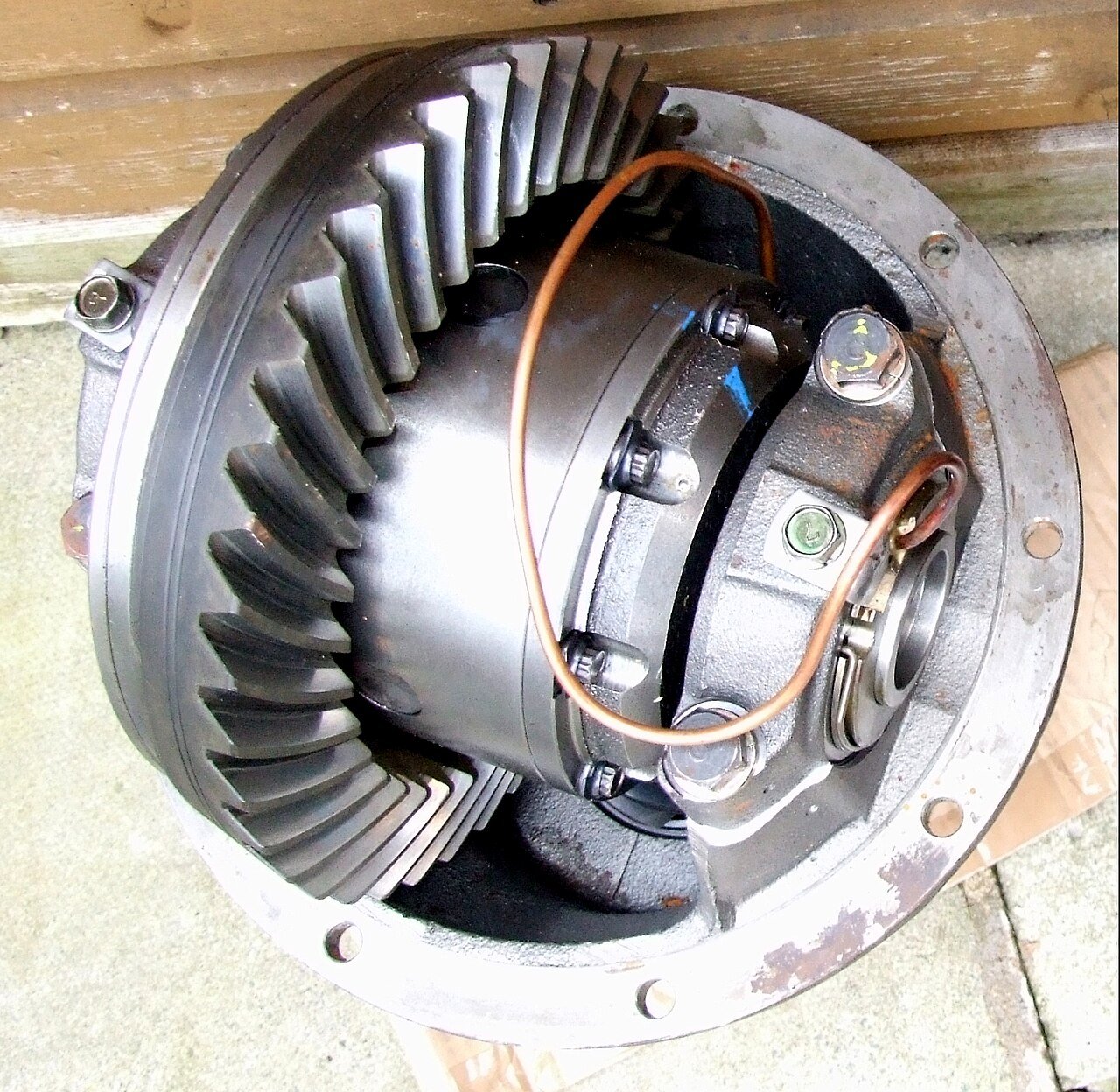
A locking differential that mechanically or electronically locks both wheels on an axle to spin together. Used in off-road and drag racing applications.
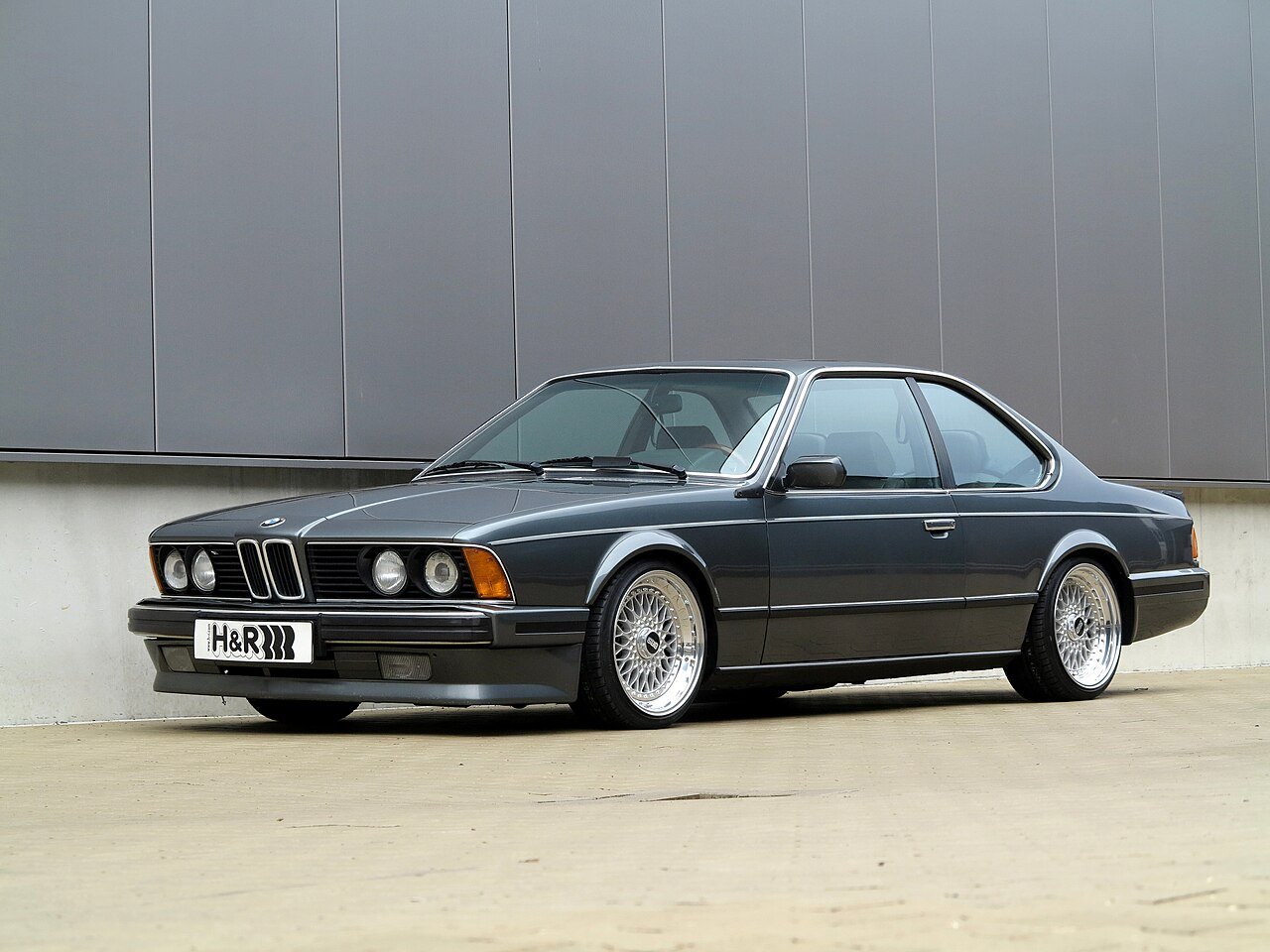
Stiffer, shorter replacement coil springs that reduce a vehicle's ride height, improving handling and aesthetics without the cost of a full coilover system.
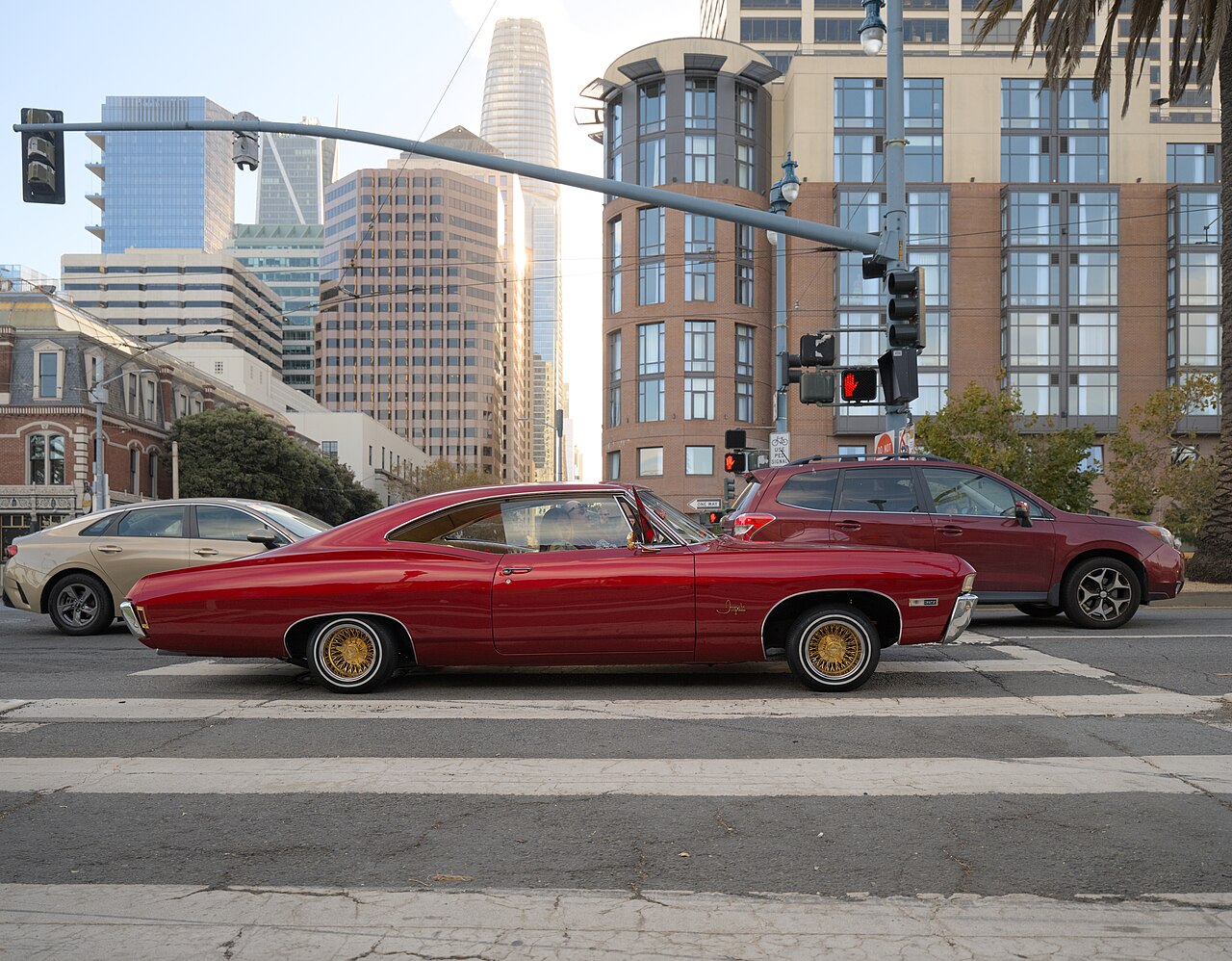
A car modified with hydraulic or air suspension allowing dramatic ride height changes, often with elaborate paint and interior. Mexican-American cultural origin.
Limited-slip differential. A differential that distributes power between the left and right wheels to reduce wheel spin under acceleration.
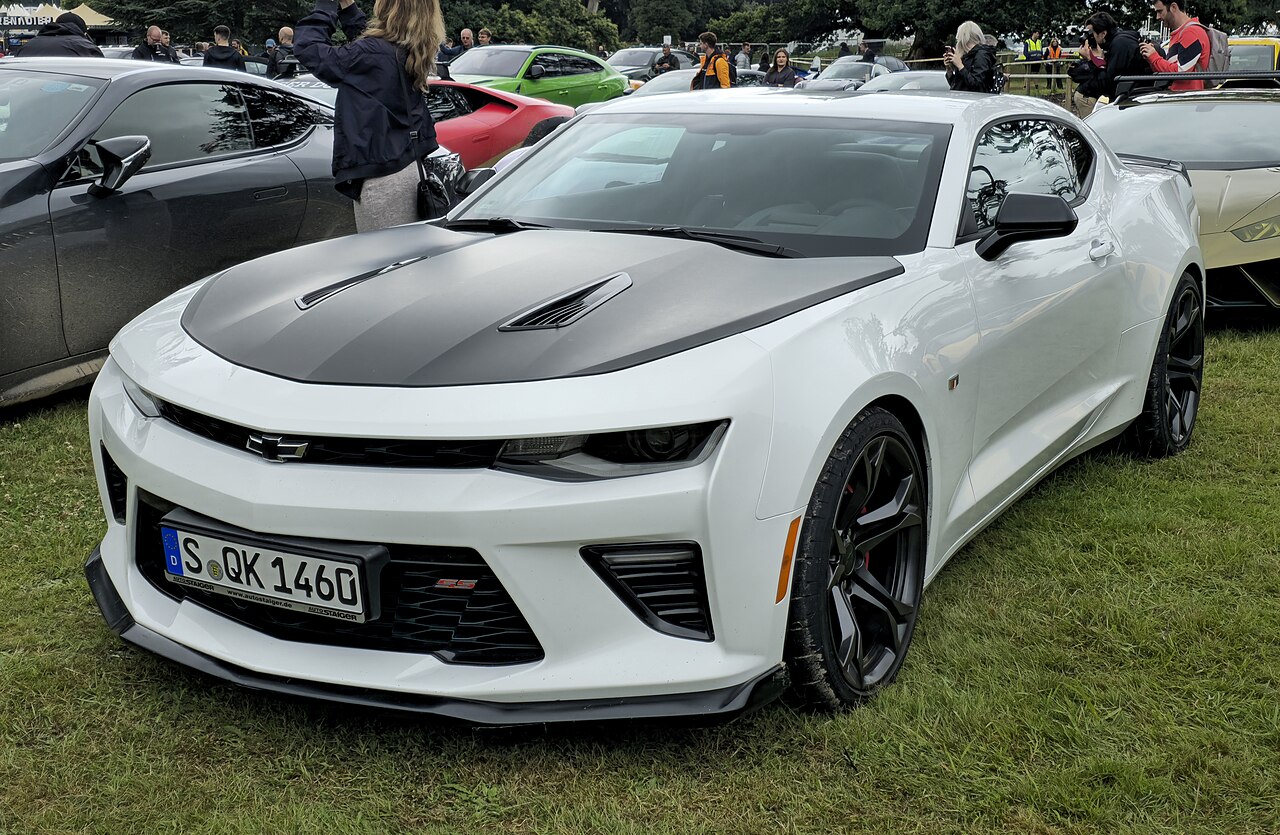
Swapping a GM LS-series V8 into a chassis that did not originally have one. The universal V8 swap because the engines are cheap, light, and powerful.
M
The MacPherson strut is a widely used front suspension design that combines the shock absorber and steering pivot into a single compact strut assembly.
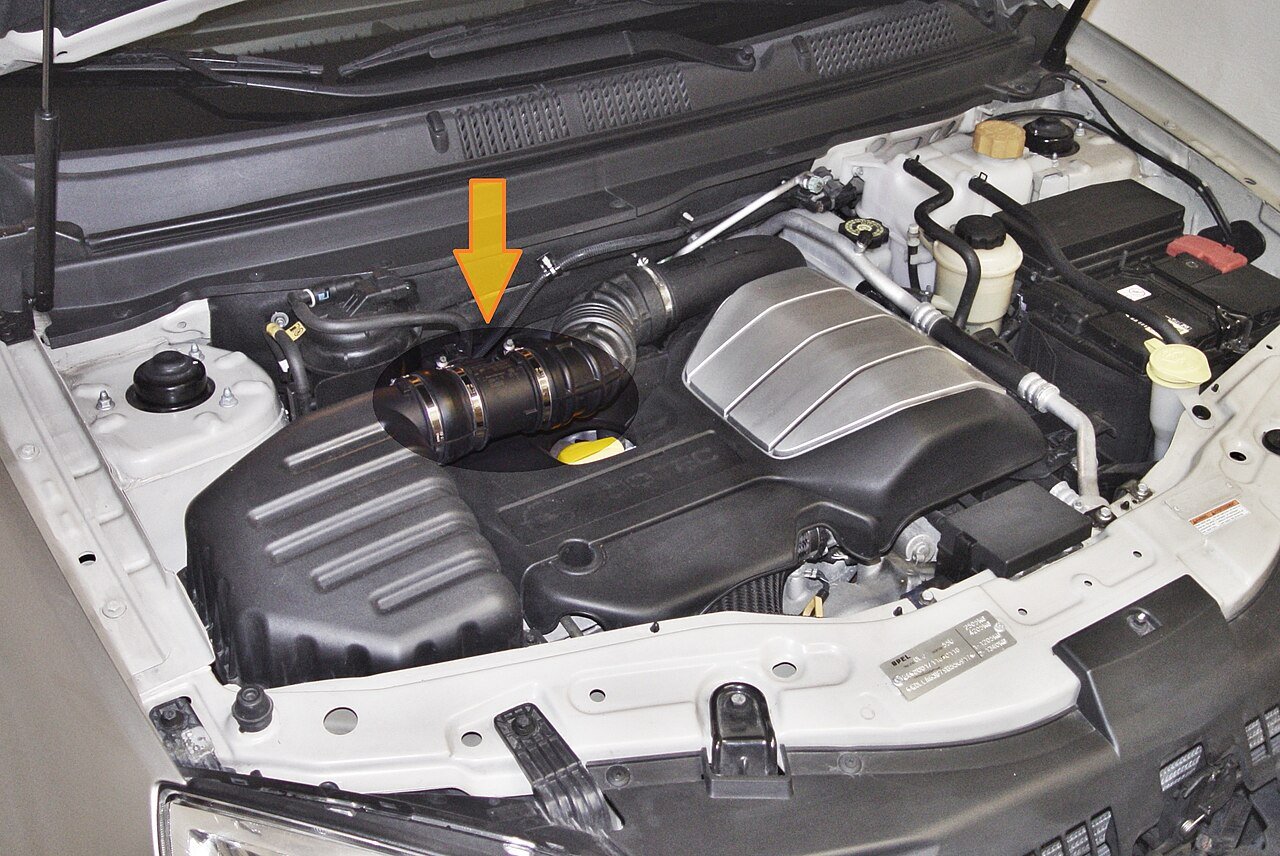
Mass Air Flow sensor. Measures the mass of air entering the engine intake. Used by ECUs to calculate fuel injection quantities.
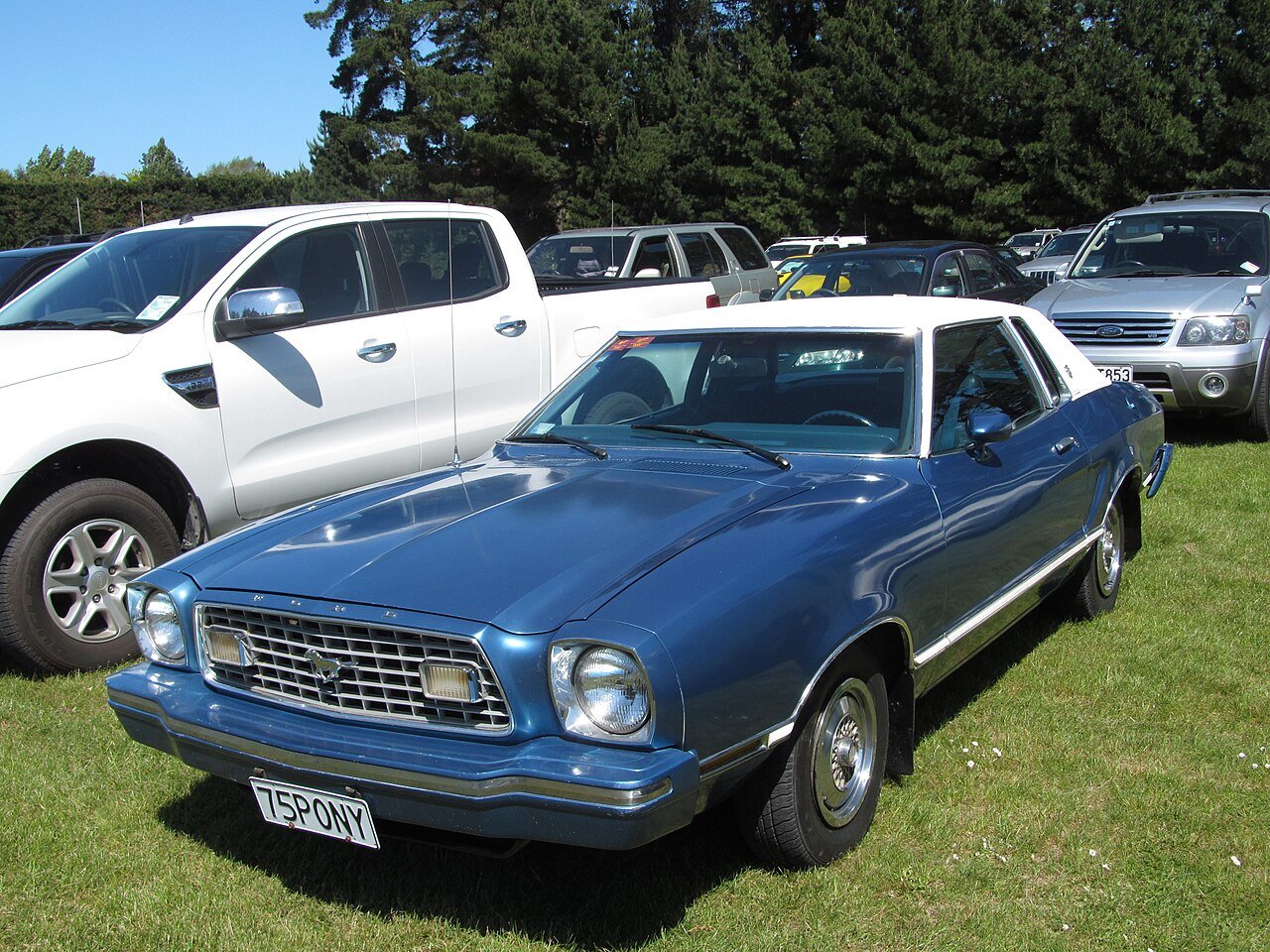
The Malaise Era is the enthusiast nickname for the roughly mid-1970s to early-1980s stretch of American cars, when new emissions and safety rules plus fuel crises sharply cut horsepower and performance.
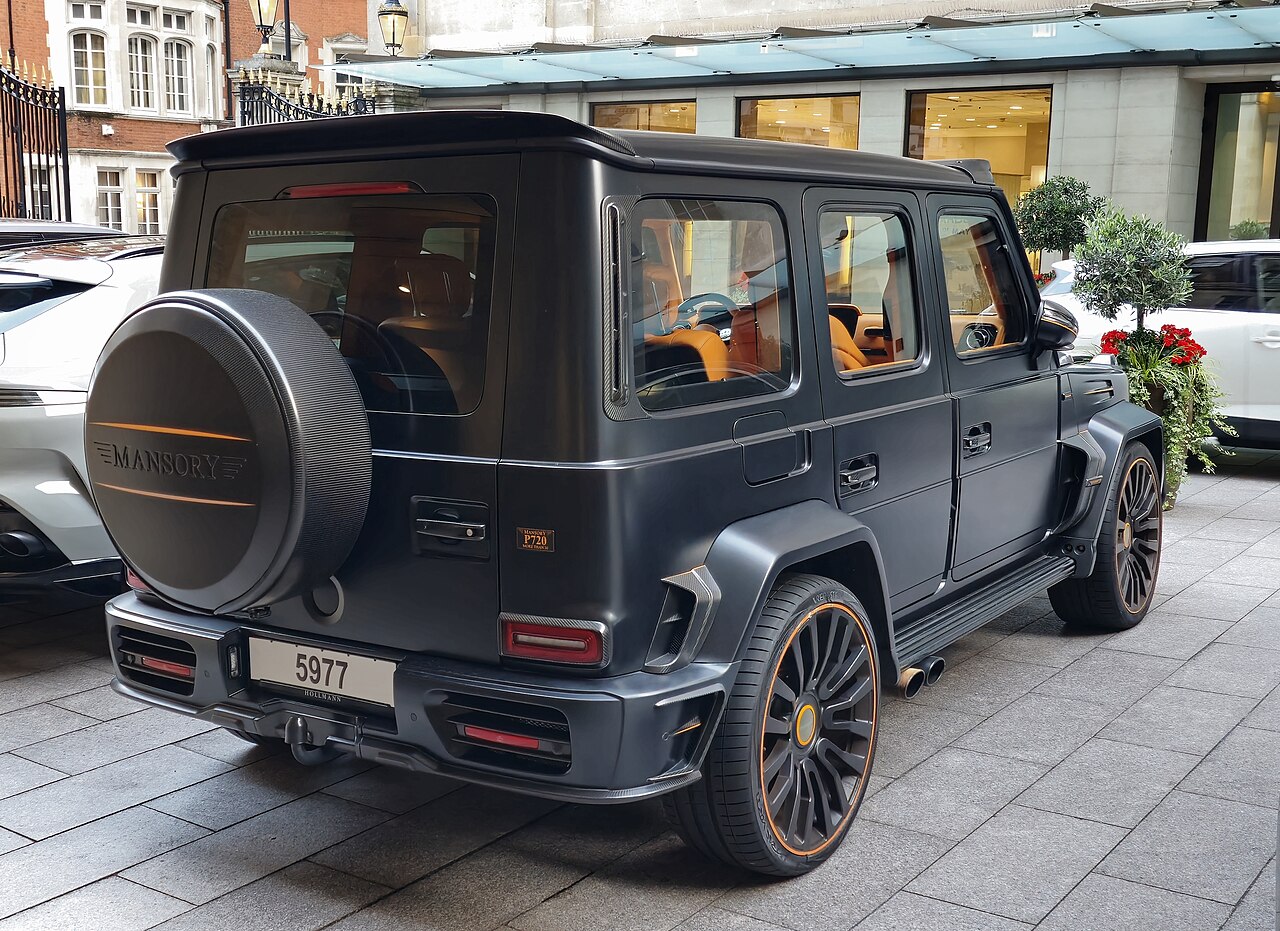
A German luxury tuning house known for extravagant carbon-fibre body kits and bold interiors on supercars and high-end SUVs.
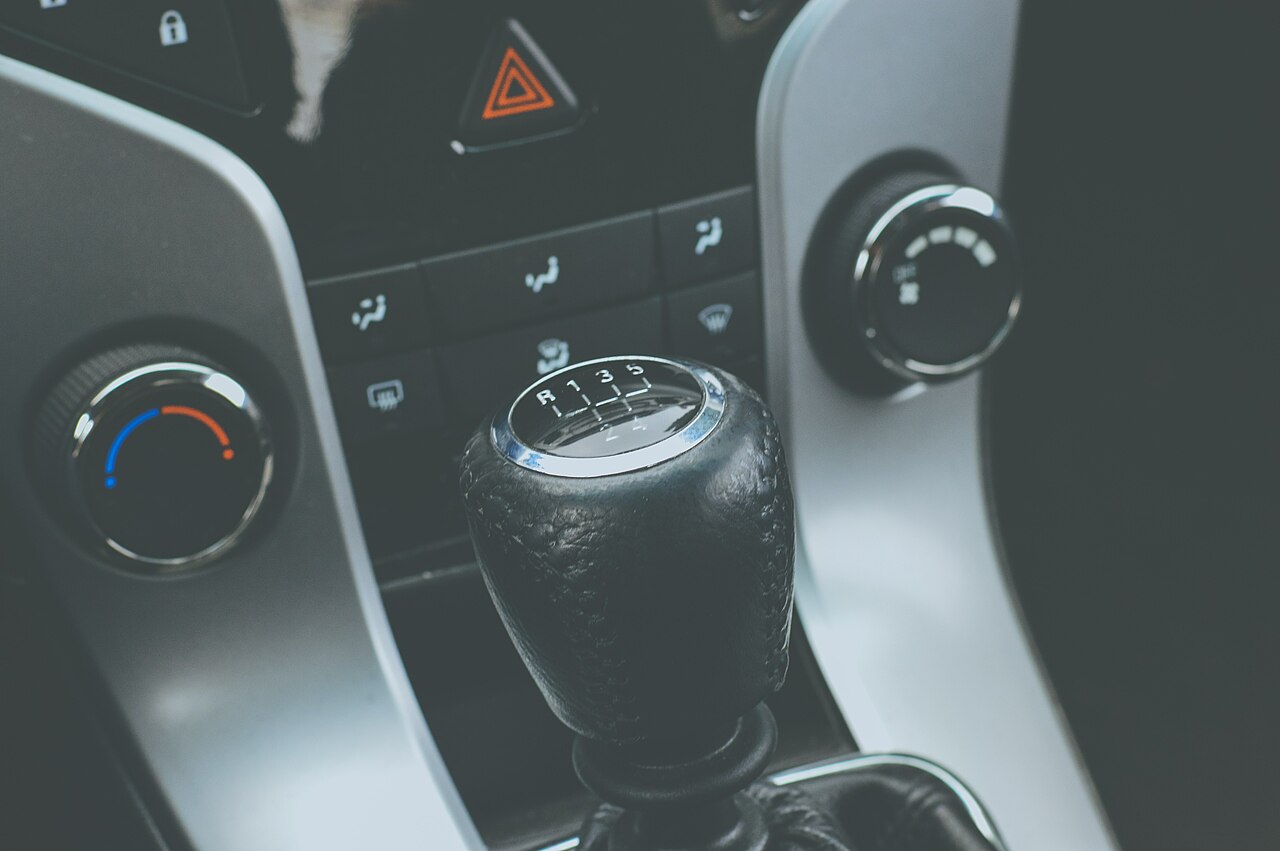
A transmission requiring driver operation of a clutch and gear lever. Increasingly rare in modern cars. The traditional driver-engagement option.
Manifold Absolute Pressure sensor. Measures pressure in the intake manifold. Used by ECUs to calculate boost levels and fueling.
A supplemental fuel system that sprays a fine mist of methanol or water-methanol mix into the intake charge, cooling the intake air and resisting knock on turbocharged engines running pump gas.
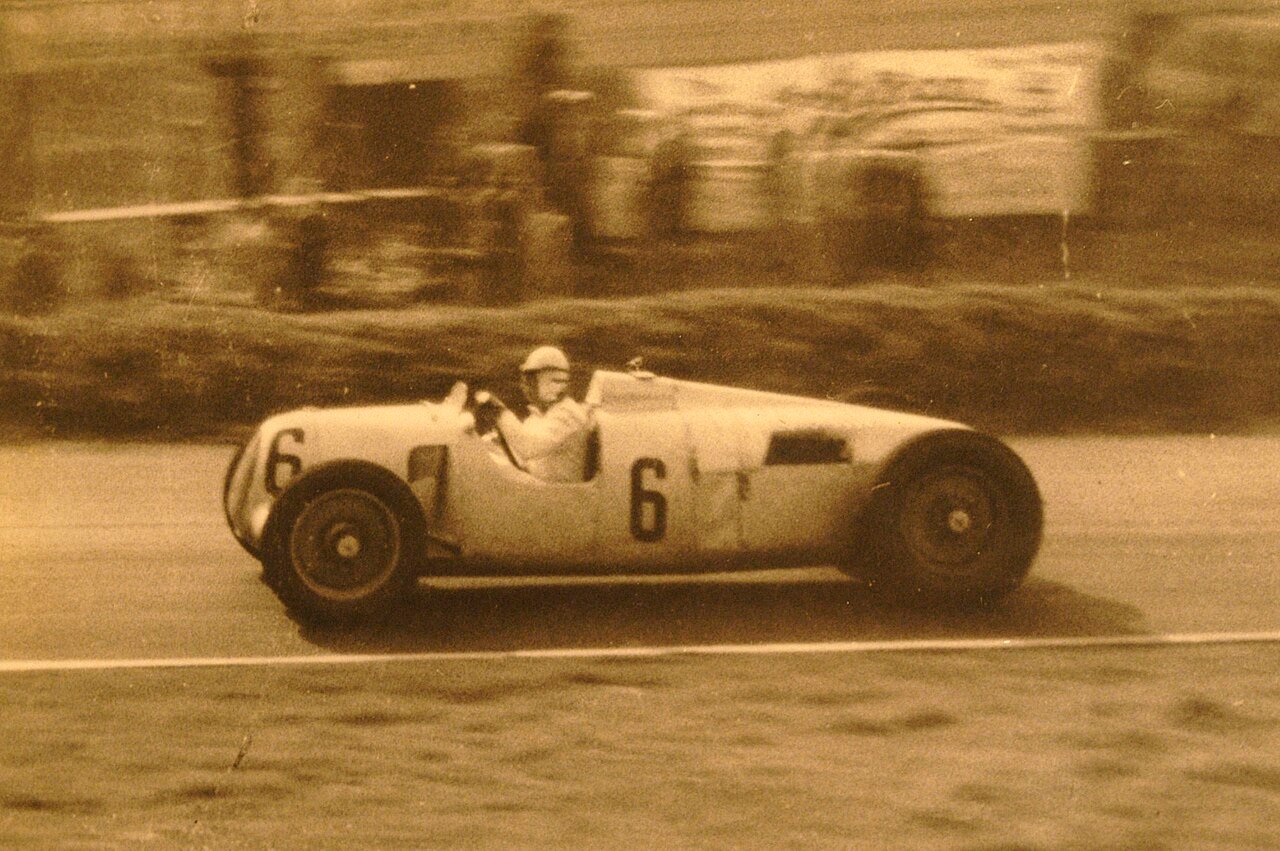
An engine layout where the engine is placed behind the driver and in front of the rear axle. Used in most modern supercars for optimal weight distribution.
Legendary Tokyo highway street racing club active 1987-1999. Strict rules, including 160 mph minimum top speed for membership. Disbanded after a fatal accident.
A mild hybrid uses a small electric motor and battery to assist the combustion engine with functions like start-stop and torque fill, but cannot drive the wheels on electric power alone.
A vehicle structure where the body shell carries the load. The standard for most modern passenger cars. Lighter than body-on-frame but harder to repair.
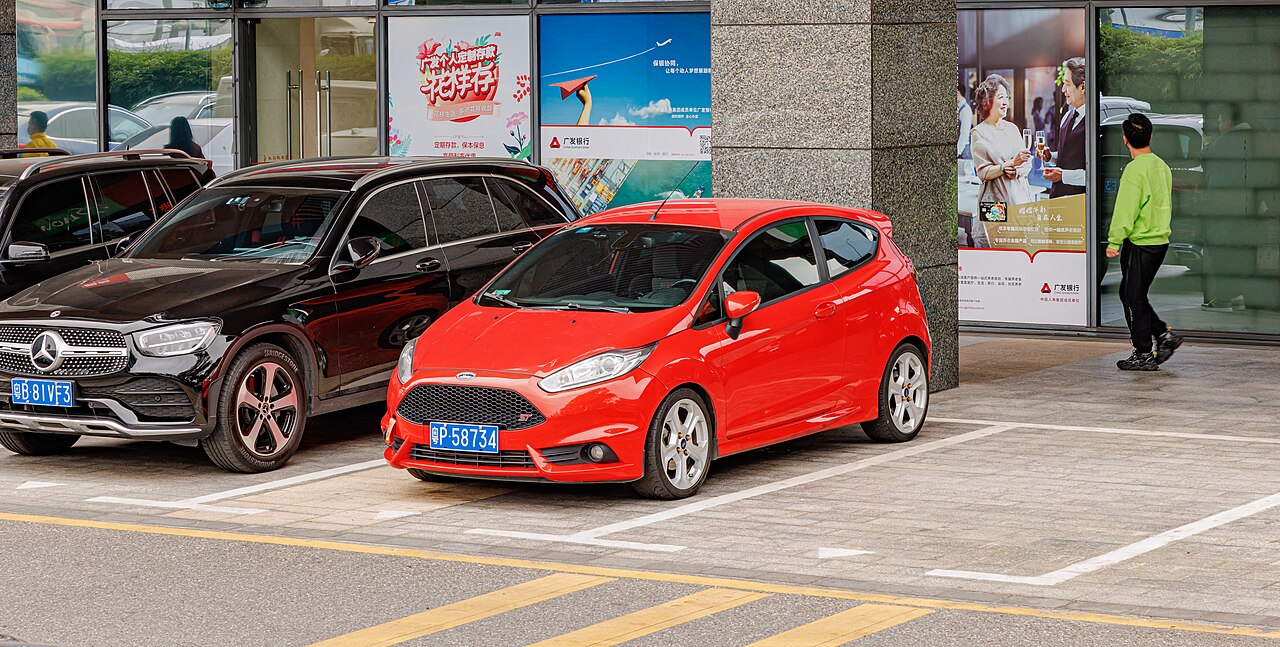
A British performance-tuning company specialising in Ford models, offering factory-backed power upgrades for cars like the Fiesta ST and Focus RS.
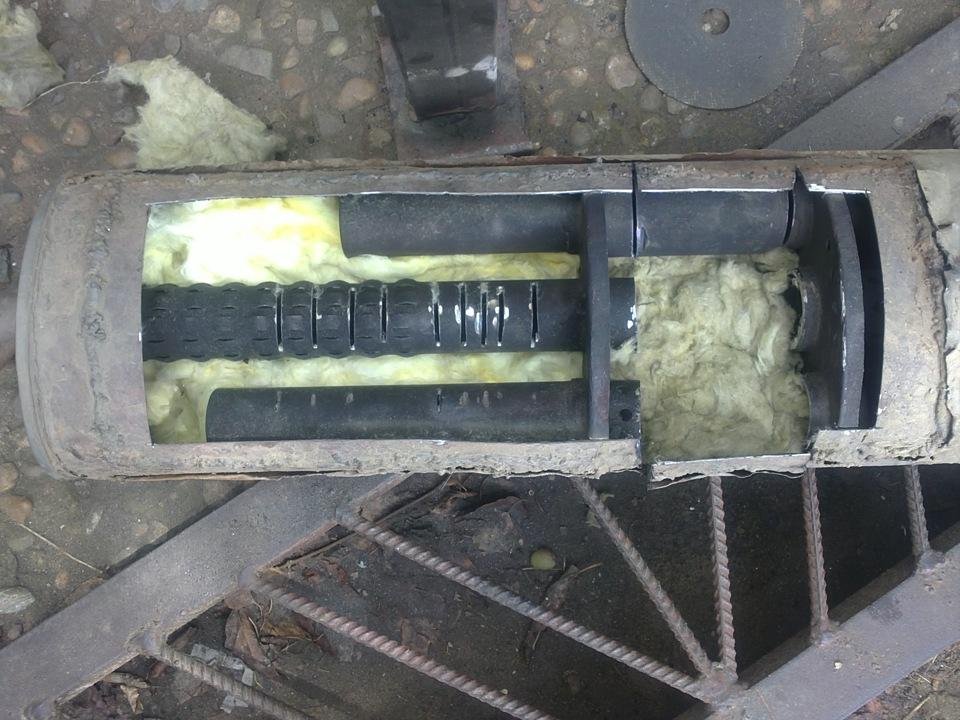
The removal of one or more mufflers from a vehicle's exhaust system, increasing exhaust volume and altering tone, typically in exchange for a louder and more aggressive sound.
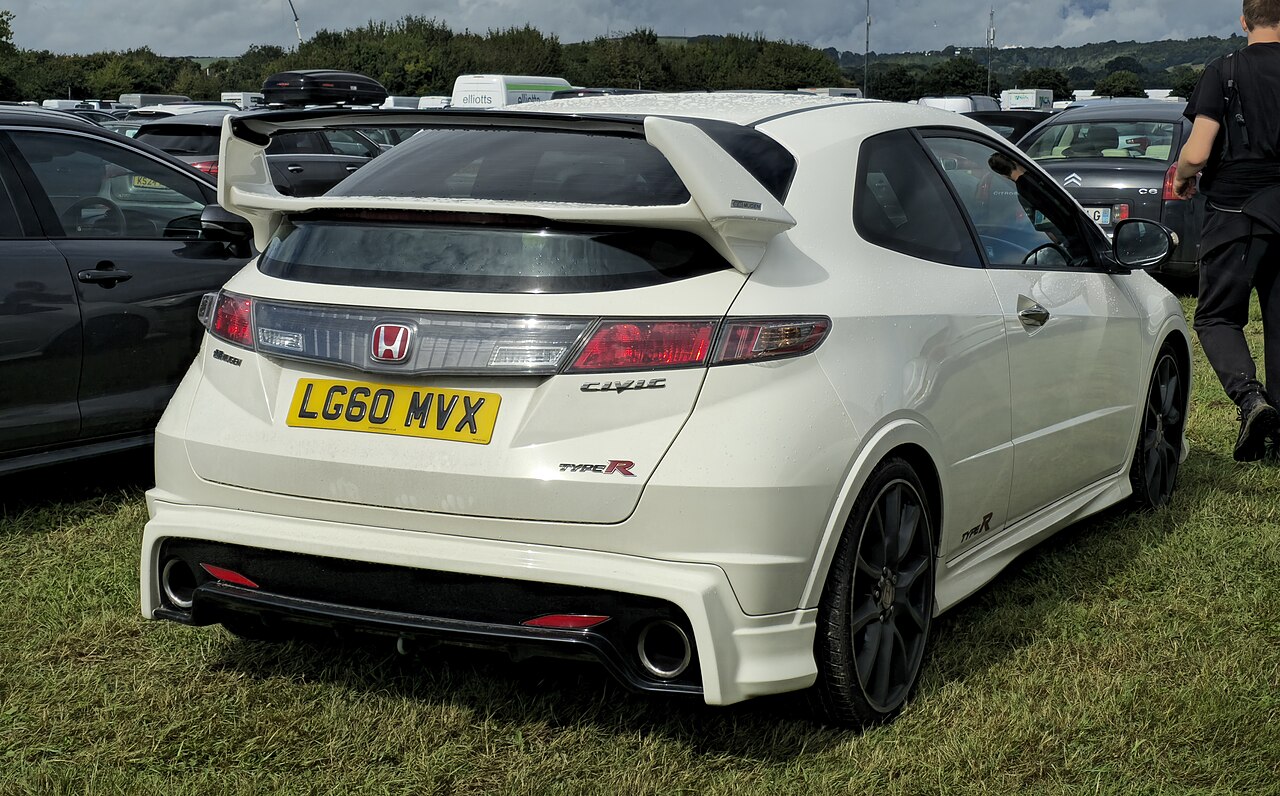
Honda factory tuning house and racing arm. Founded 1973 by Hirotoshi Honda (son of Soichiro Honda). Famous for Civic Type R Mugen, NSX-R, and racing engines.
An American mid-size or compact car with a large displacement V8 engine. The category began with the 1964 Pontiac GTO and peaked in the late 1960s and early 1970s.
N
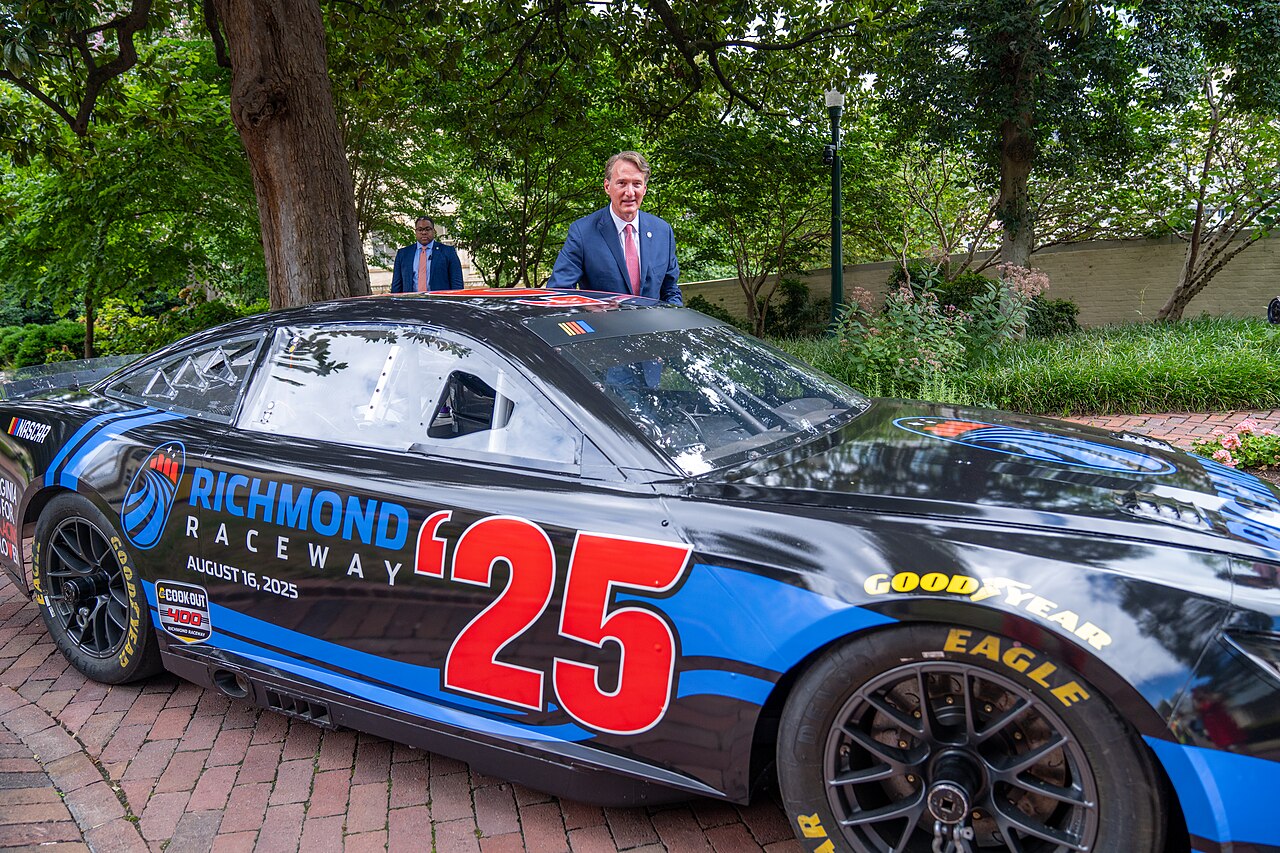
National Association for Stock Car Auto Racing. American oval-track racing series, with the Cup Series as the premier division. Founded 1948.
An engine without forced induction (no turbo, no supercharger). Air enters the cylinders only through atmospheric pressure during the intake stroke.
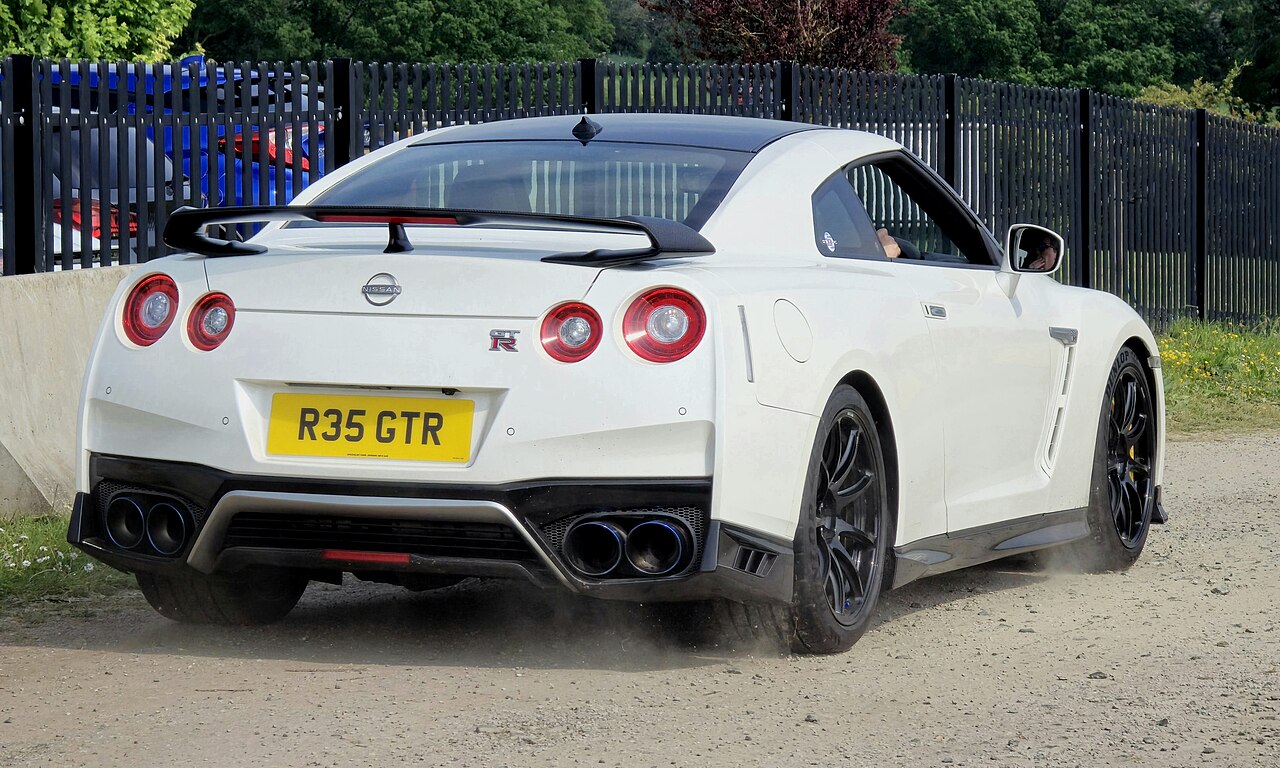
Nissan in-house performance and motorsport division. Founded 1984. Produces high-performance Nissan variants and racing parts for Z, GT-R, Skyline, and other models.
Numbers matching describes a classic car whose engine, transmission, and body still carry their original factory-assigned serial numbers, a major factor in collector value.
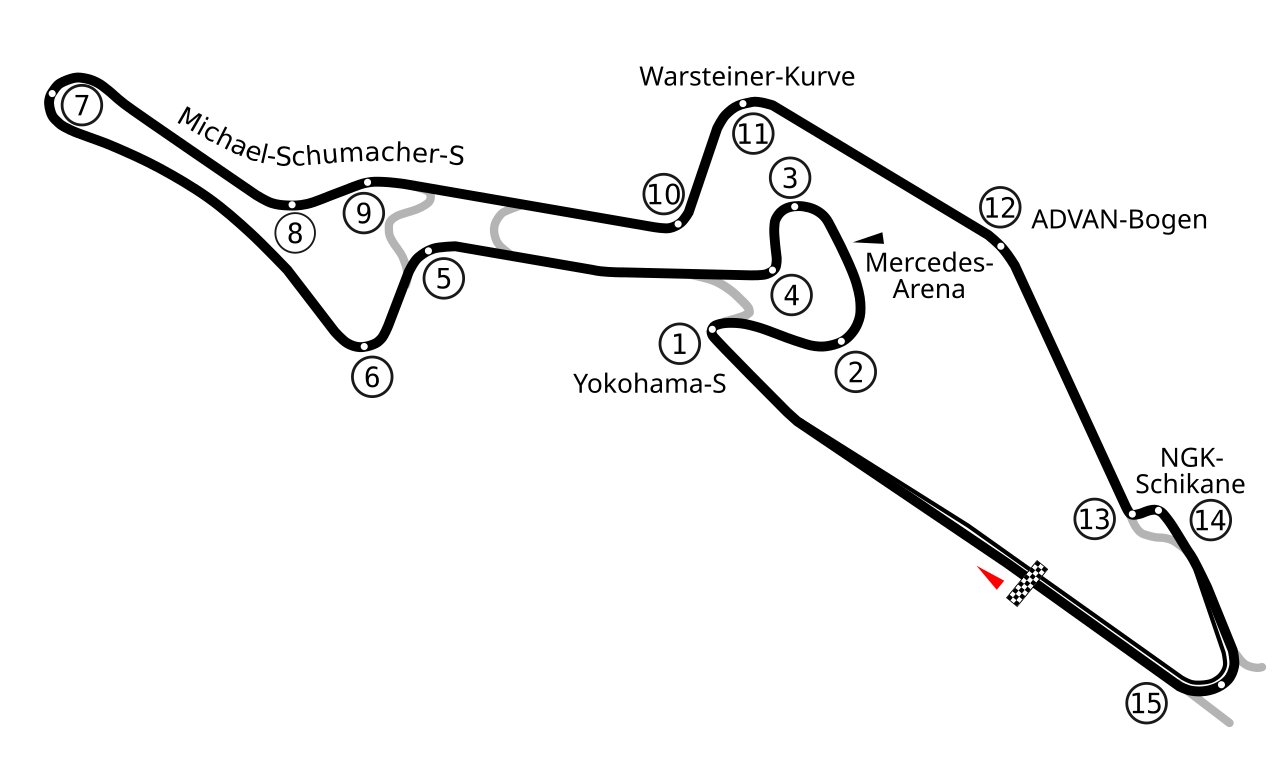
The Nurburgring is a German race circuit whose 12.9-mile Nordschleife layout is used by automakers worldwide to develop and benchmark performance cars.
O
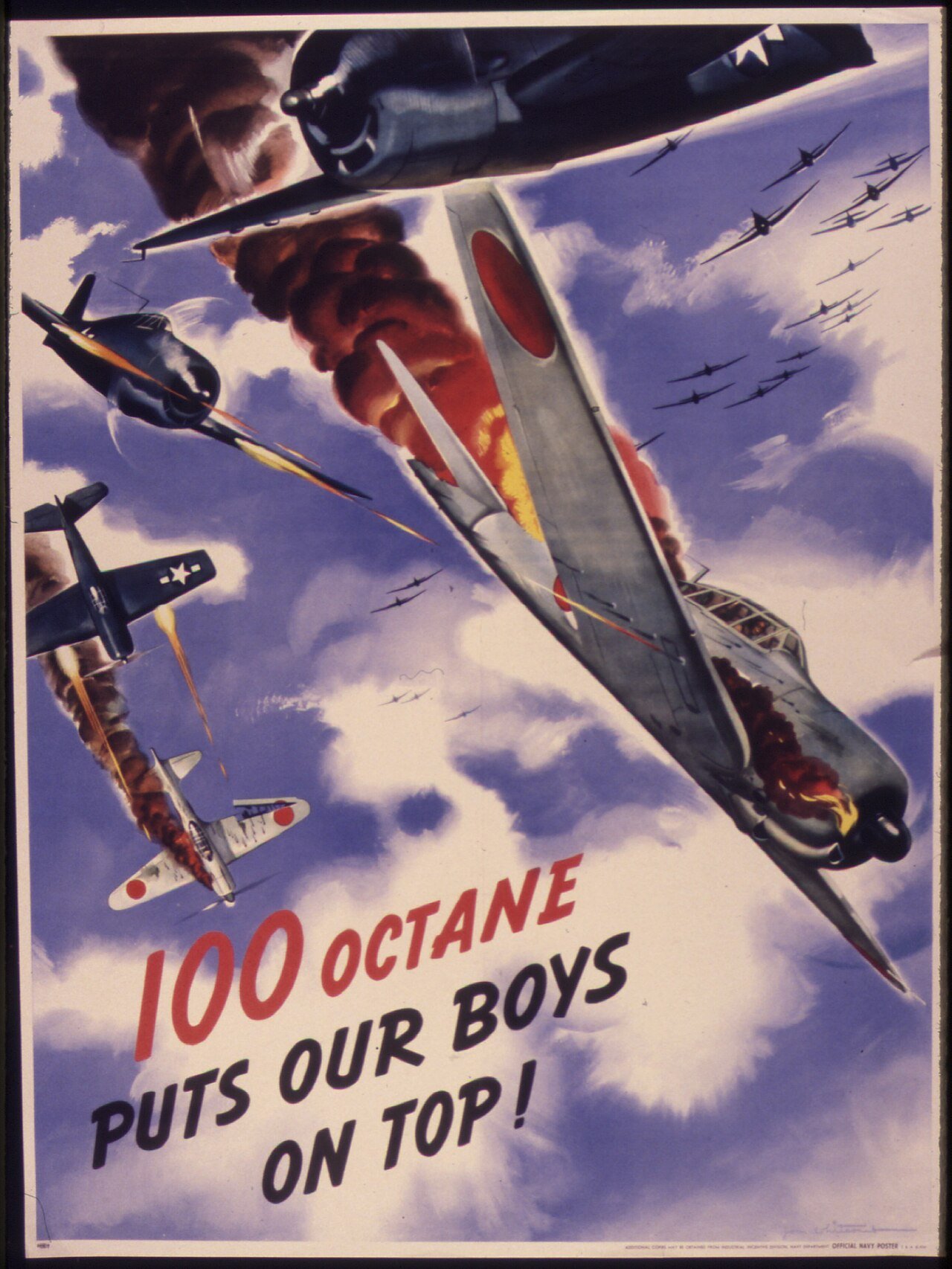
A measure of fuel resistance to engine knock. Higher octane fuel resists knock better, allowing more aggressive ignition timing.
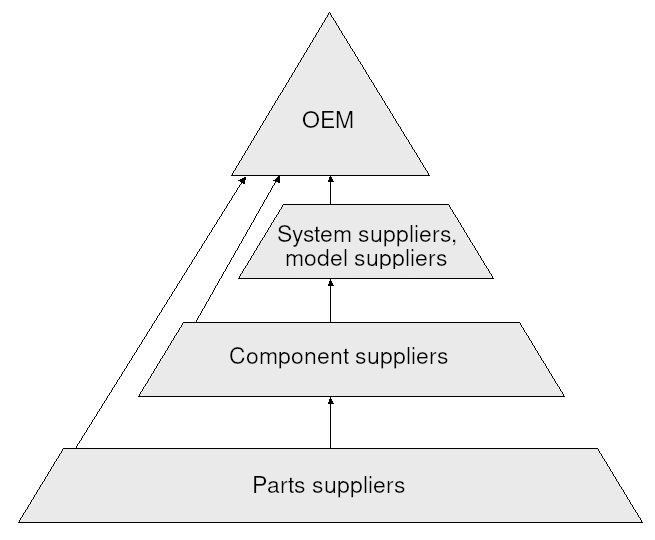
Original Equipment Manufacturer. Refers to factory parts made by the same manufacturer that supplied the original vehicle. Counterpart to aftermarket.
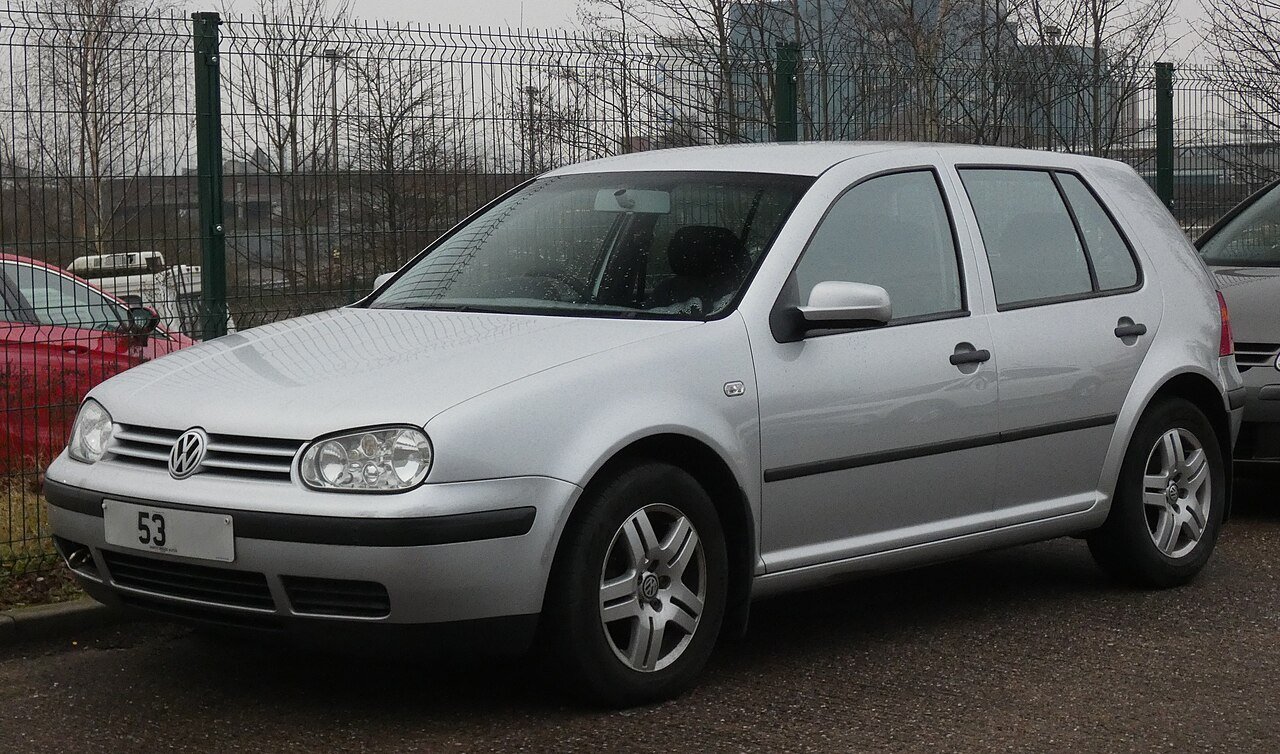
A modification style that uses factory or factory-style parts from higher trims or other models, keeping the car looking stock but with subtle improvements.
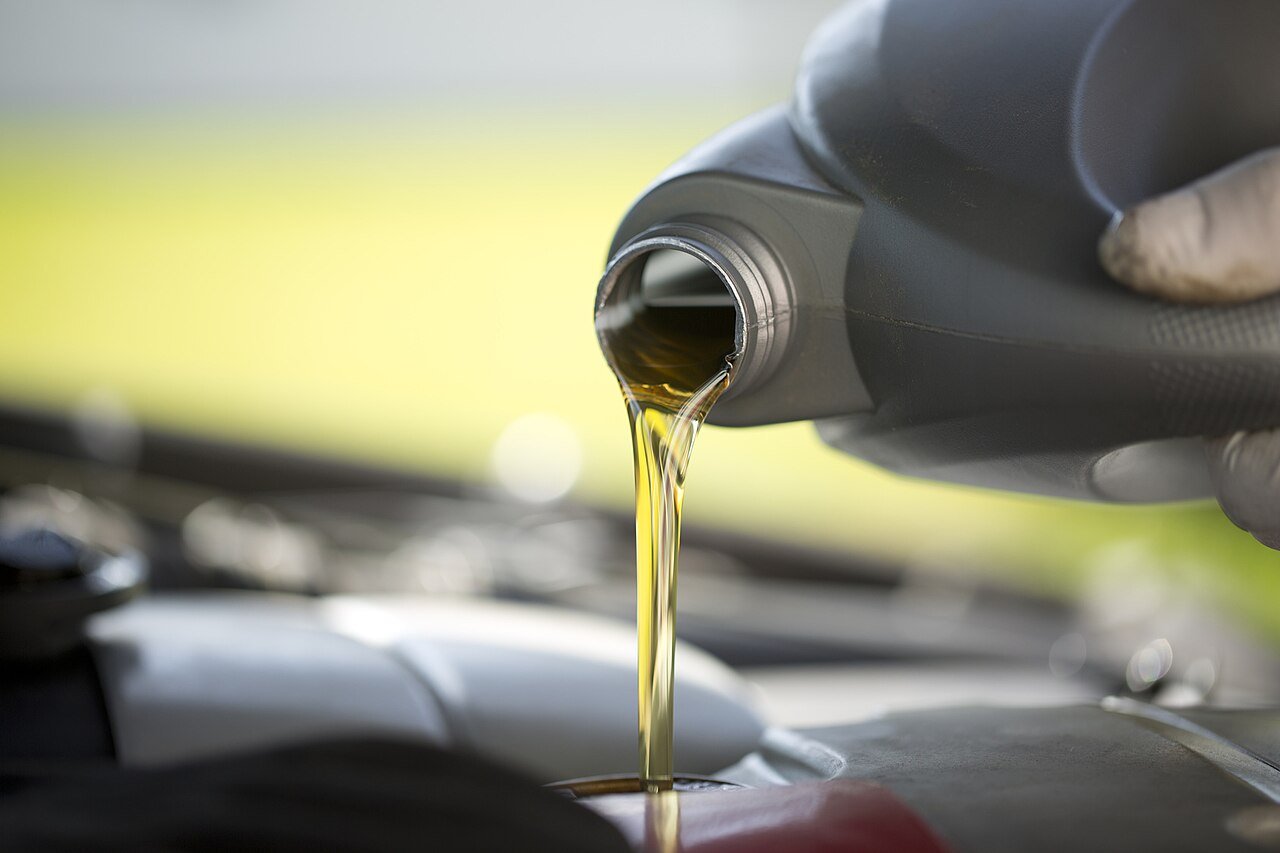
The mileage or time period between engine oil changes. Modern intervals are typically 5,000-15,000 miles depending on oil and conditions.
An EV driving mode where lifting off the accelerator triggers strong regenerative braking, letting the car slow and stop without the brake pedal.
The steering input applied toward the outside of a turn to counter and control oversteer, commonly seen in drift and rally driving where the rear of the car slides outward.
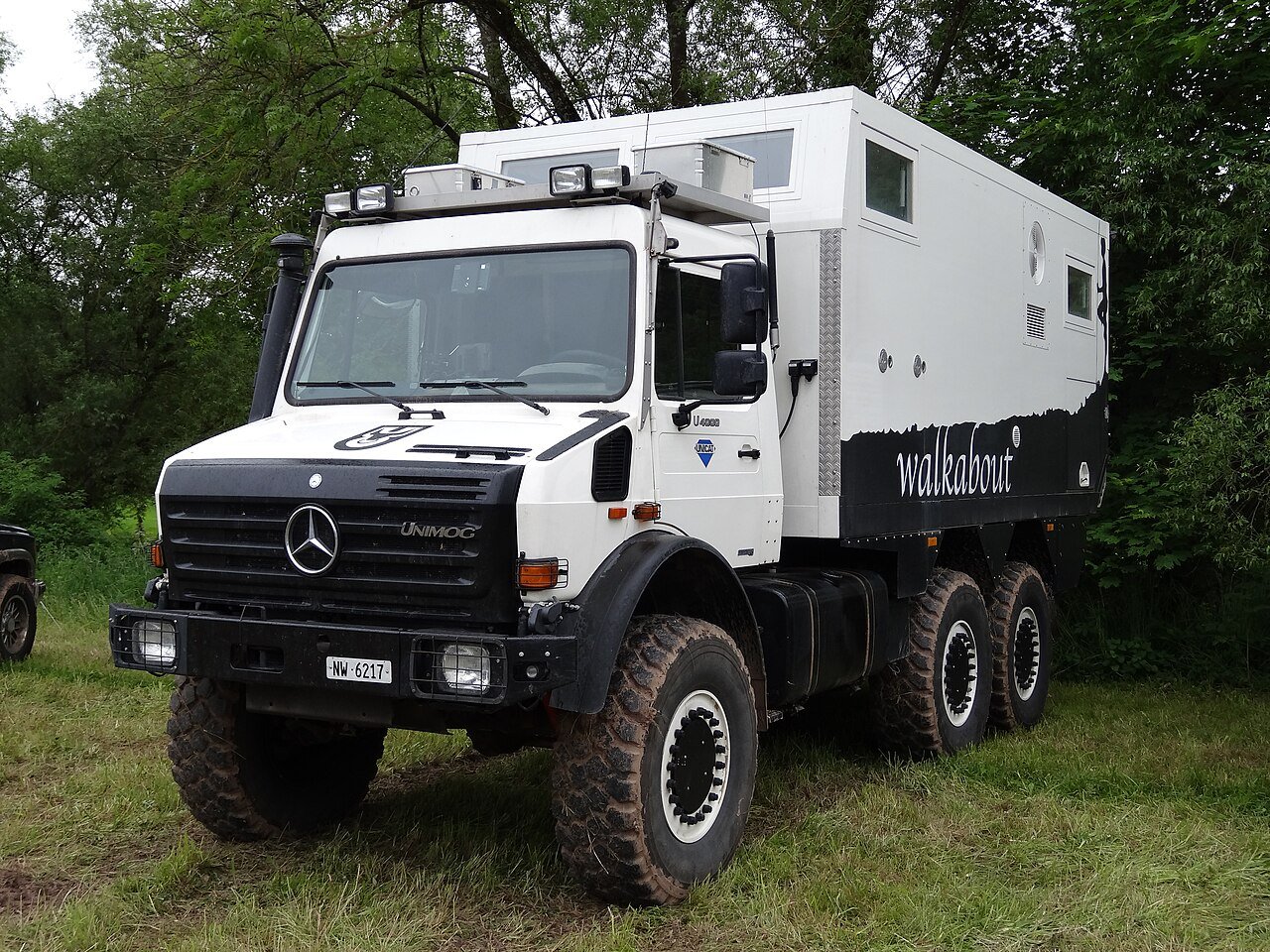
Overlanding is self-reliant, vehicle-based travel over long distances and remote terrain, combining camping and exploration with a vehicle built to carry its own fuel, water, shelter, and recovery gear.
A handling condition where the rear of the car steps out, often leading to a slide or spin. Common in RWD cars and the basis for drift.
P
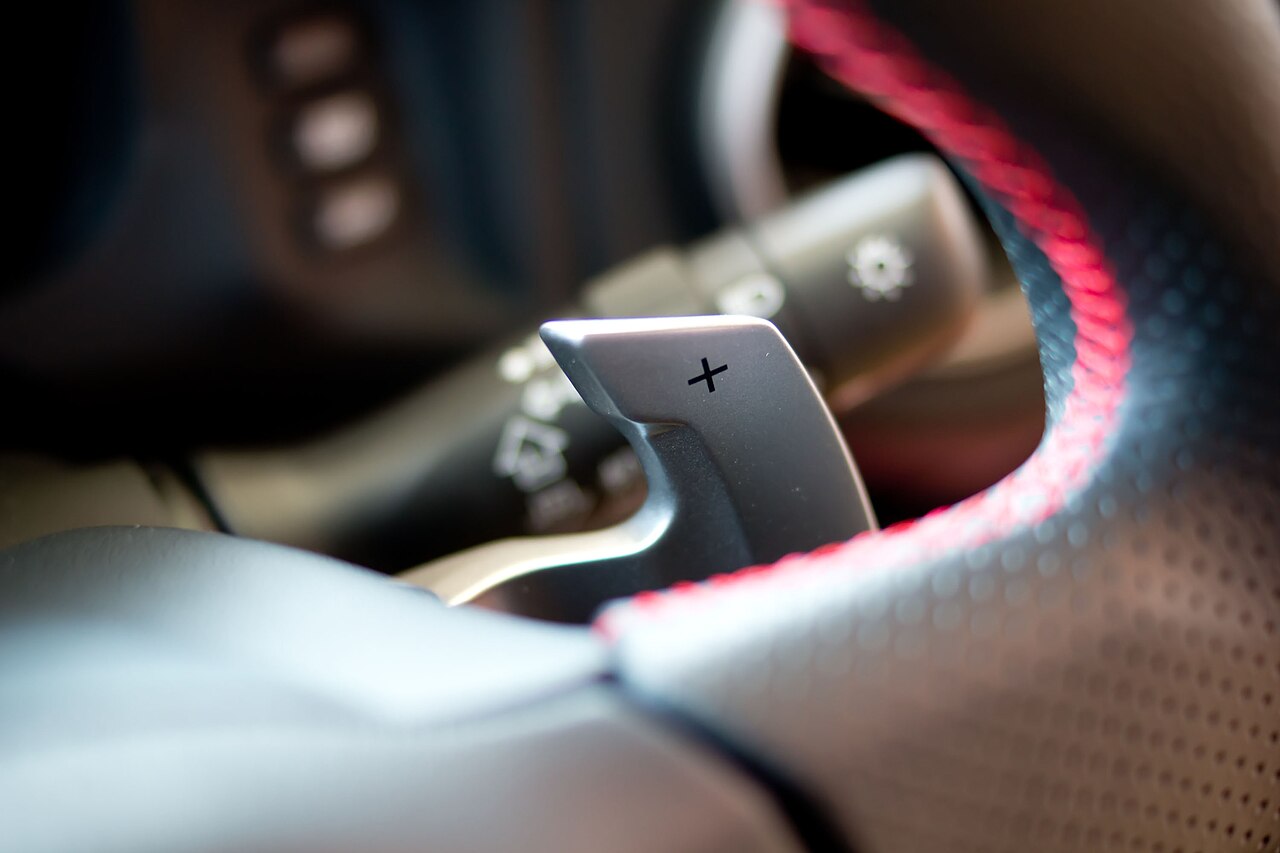
Steering wheel-mounted controls allowing manual gear selection in cars with automatic or dual-clutch transmissions. Common in modern performance cars.
An auxiliary engine controller that modifies signals to or from the factory ECU rather than replacing it. Less powerful than standalone but cheaper.
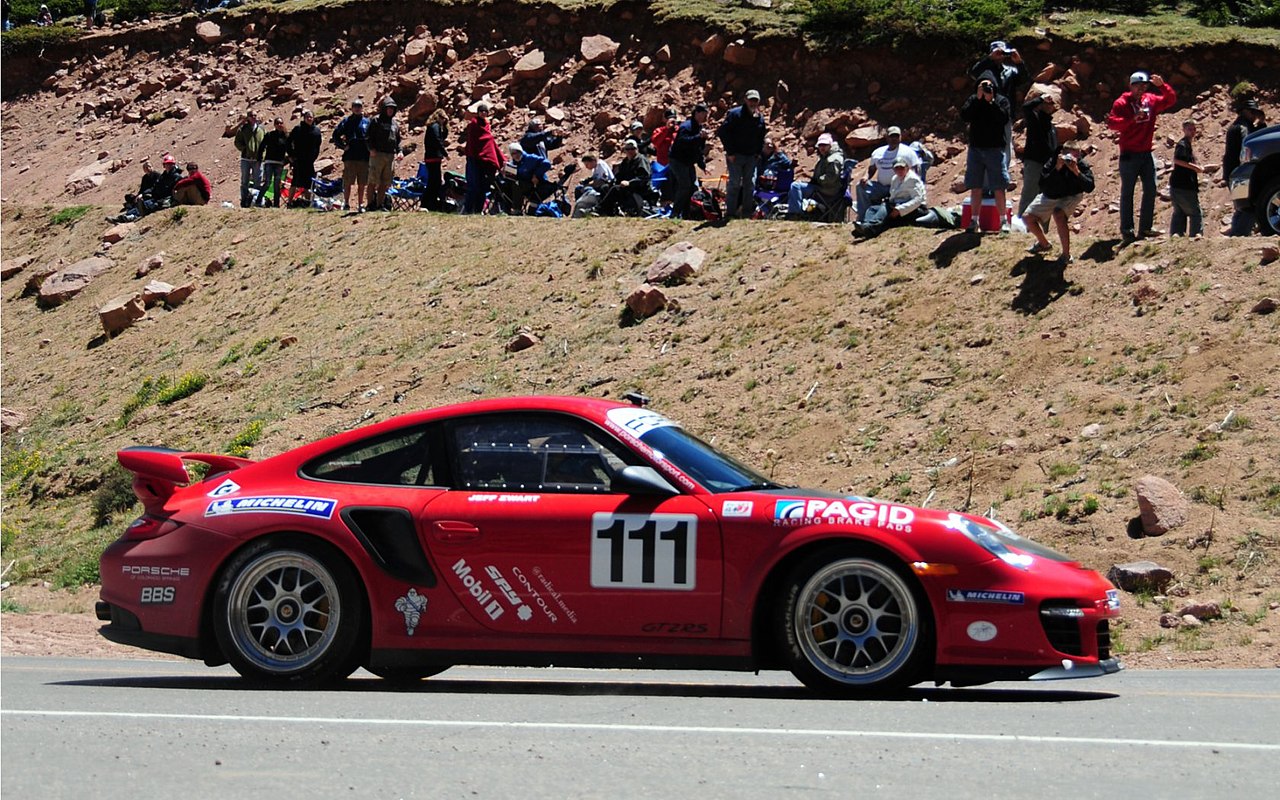
The Pikes Peak International Hill Climb, a famous timed race up a Colorado mountain road climbing to over 14,000 feet.
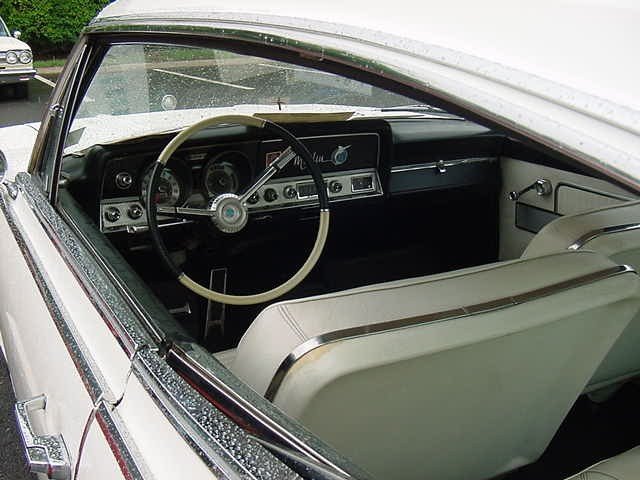
A pillarless hardtop is a body style with no B-pillar between the front and rear side windows, so all the glass can drop fully for an open-air look with the roof still in place.
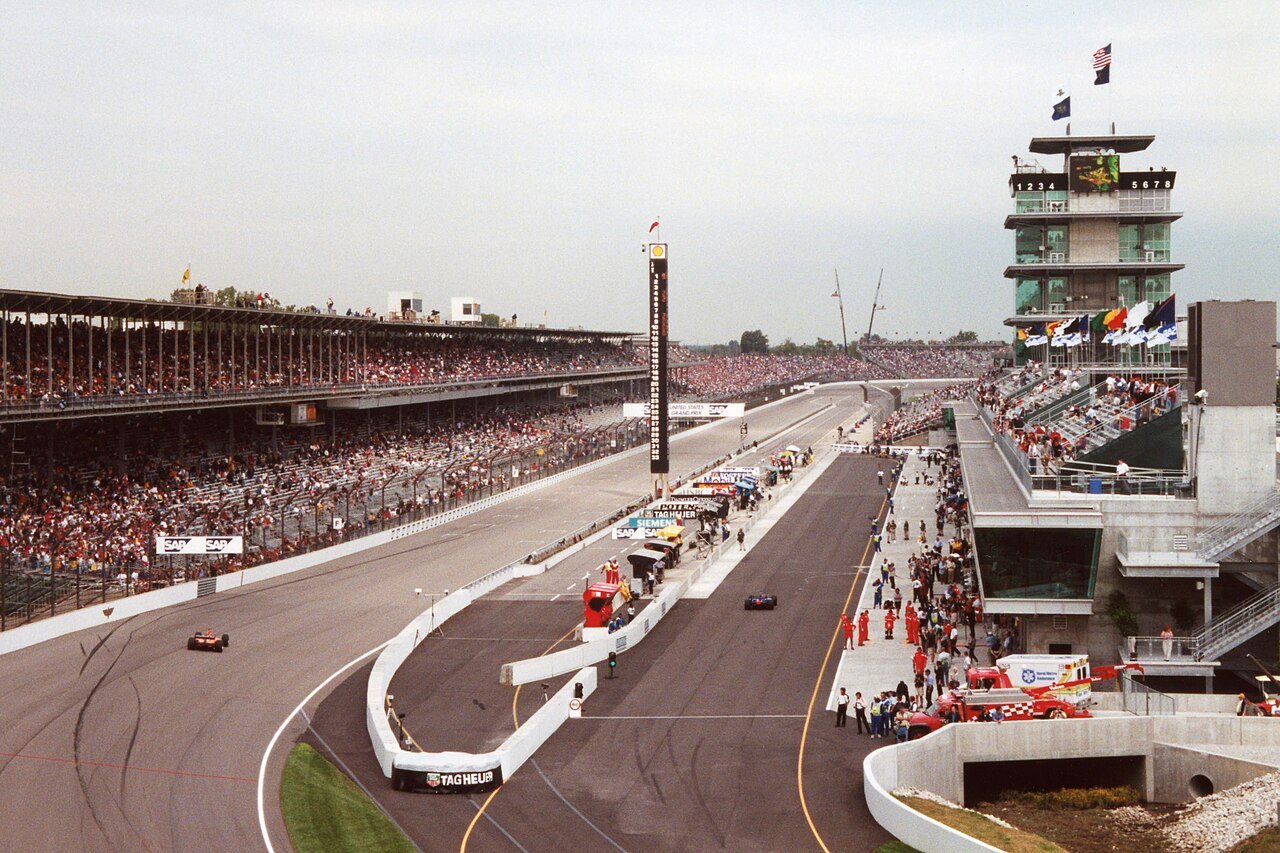
A pit stop is a scheduled or unscheduled stop during a race where a crew services the car with fuel, tires, repairs, or a driver change before it returns to competition.
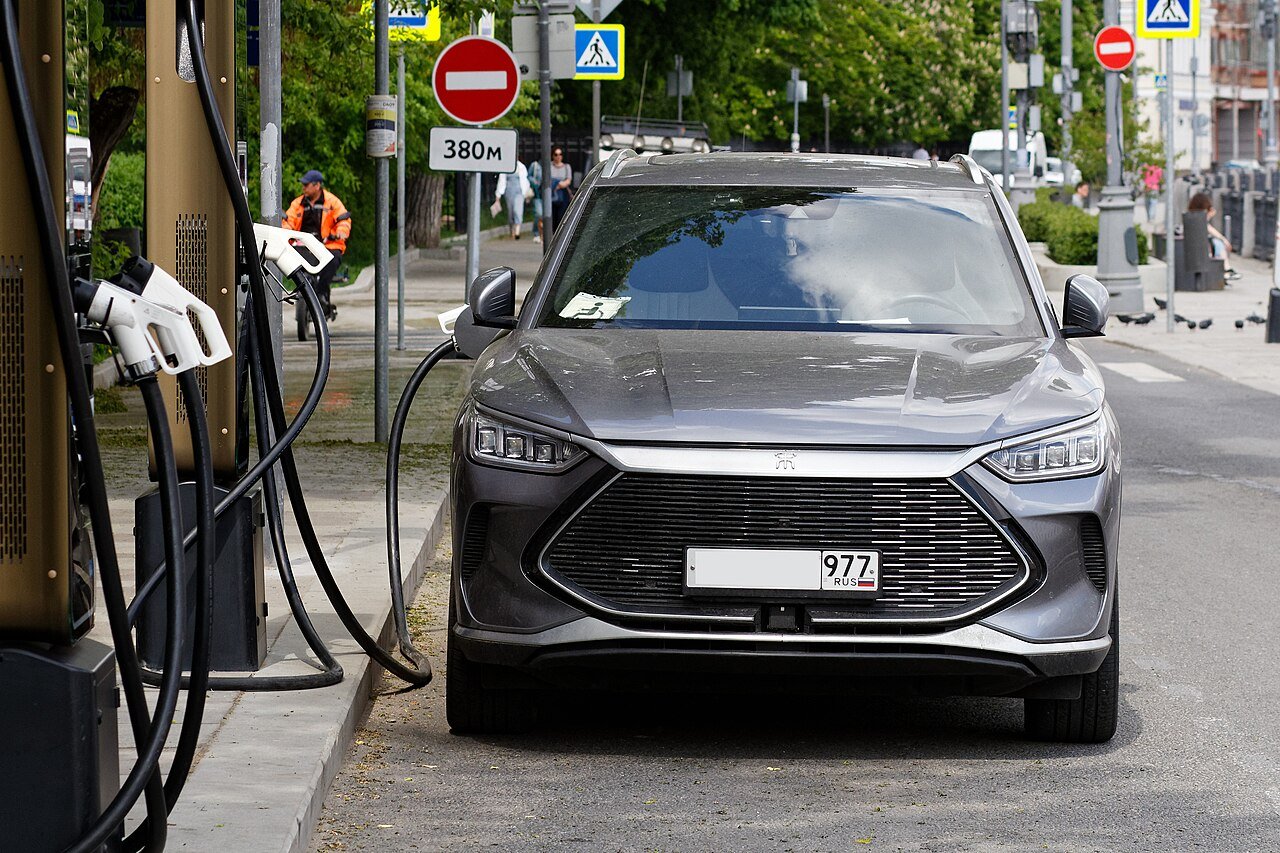
A plug-in hybrid, or PHEV, pairs a gasoline engine with a larger battery that can be charged from an external plug, offering meaningful electric-only range before the engine takes over.
Wheel fitment where the wheel or tire sticks out past the fender lip instead of sitting inside it.
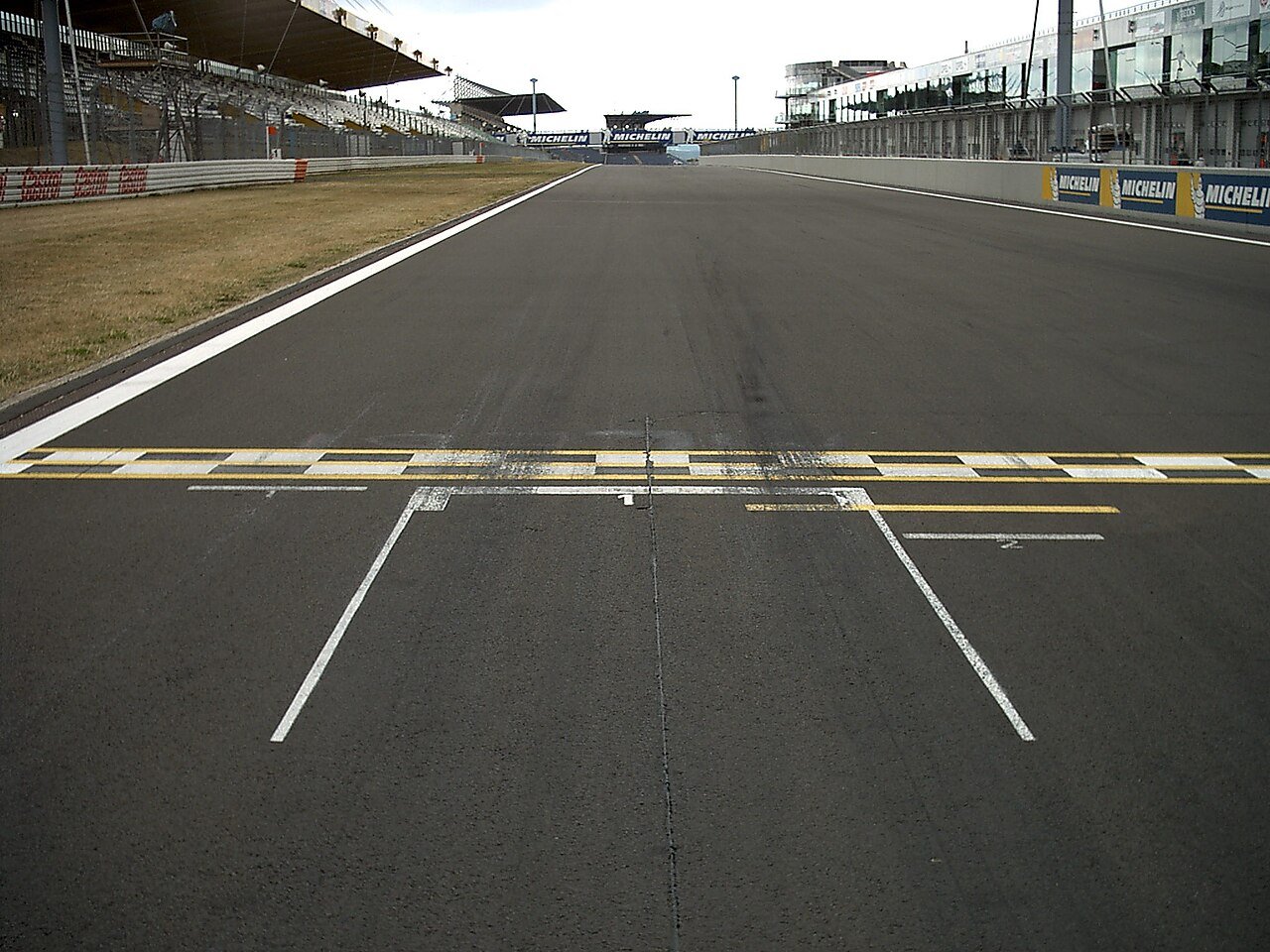
Pole position is the first starting spot on a race grid, awarded to the driver who sets the fastest qualifying time, giving them the earliest, cleanest run into the first corner.
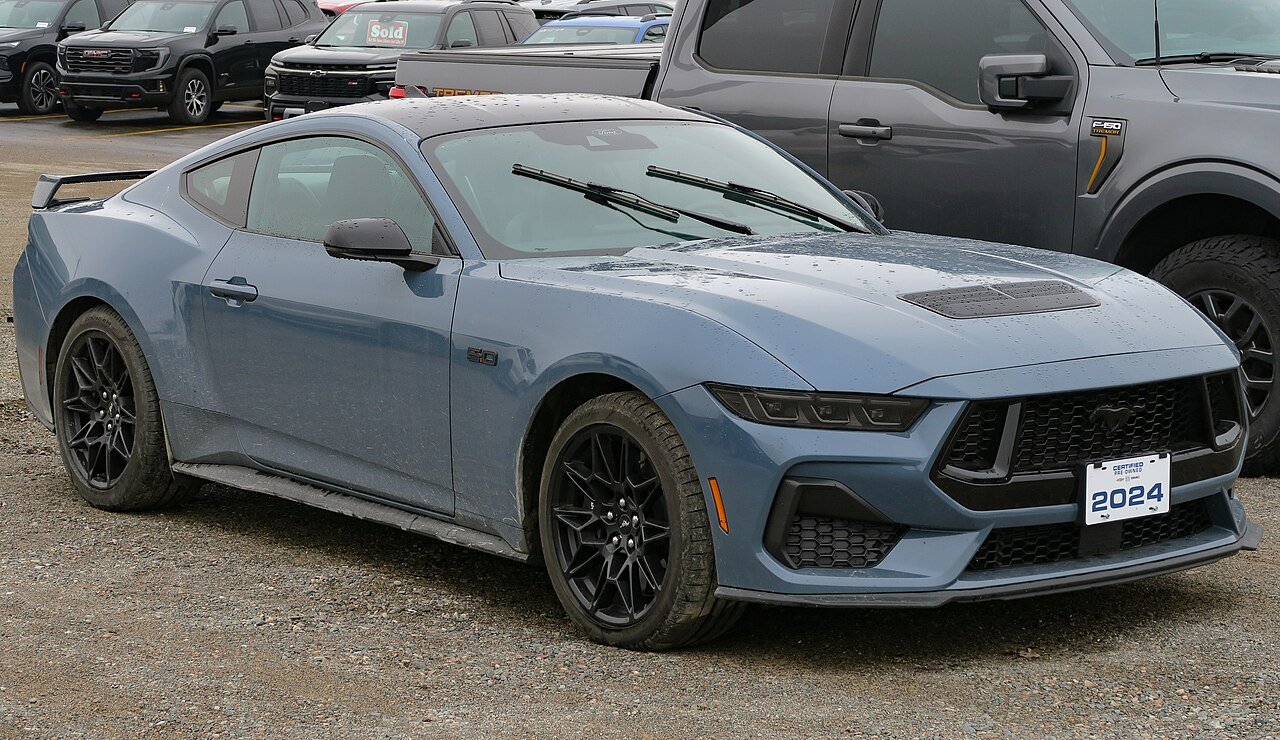
An American sport coupe in the body style established by the 1964 Ford Mustang. Includes Camaro, Firebird, Barracuda, and Challenger.
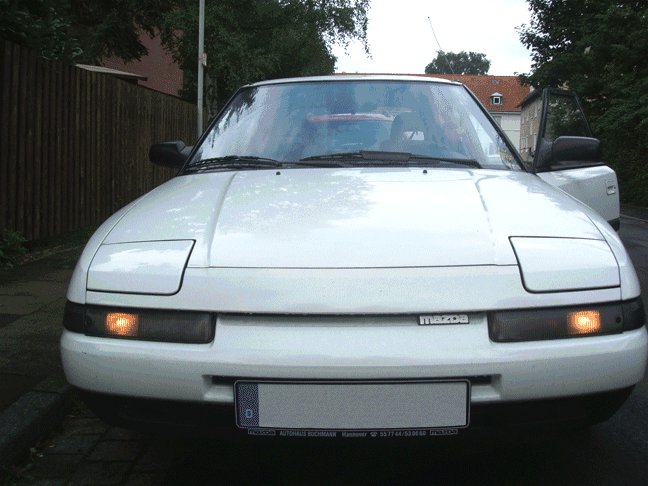
Pop-up headlights retract flush into the hood or front bodywork when off and flip upright into view when switched on, a styling and aerodynamic solution common on cars from the 1970s through the 1990s.
The conventional fuel delivery method that sprays gasoline into the intake port before the intake valve, allowing fuel and air to mix before entering the combustion chamber.
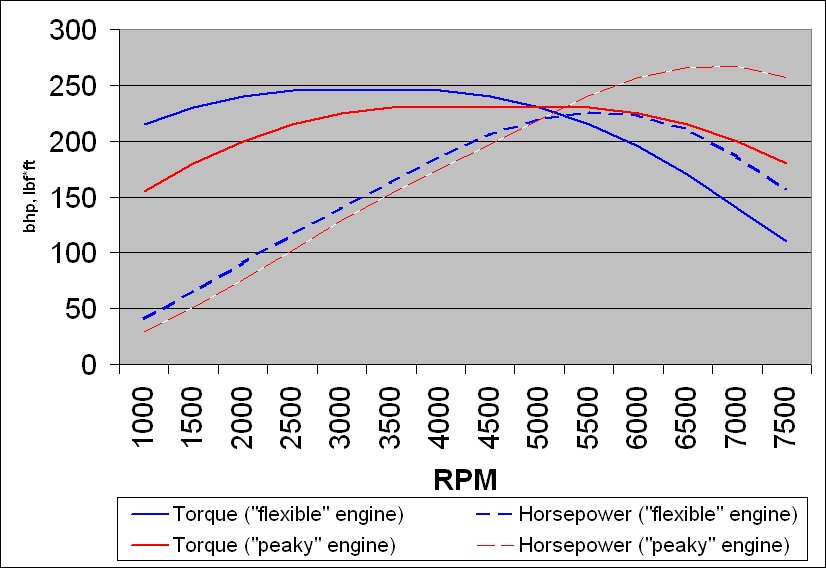
The power band is the RPM range in which an engine produces most of its usable power and torque, and its width shapes how a car feels to drive and how it should be geared and shifted.
A measure of performance comparing an engine's power to the car's weight, often a better guide to acceleration than horsepower alone.
Q
R
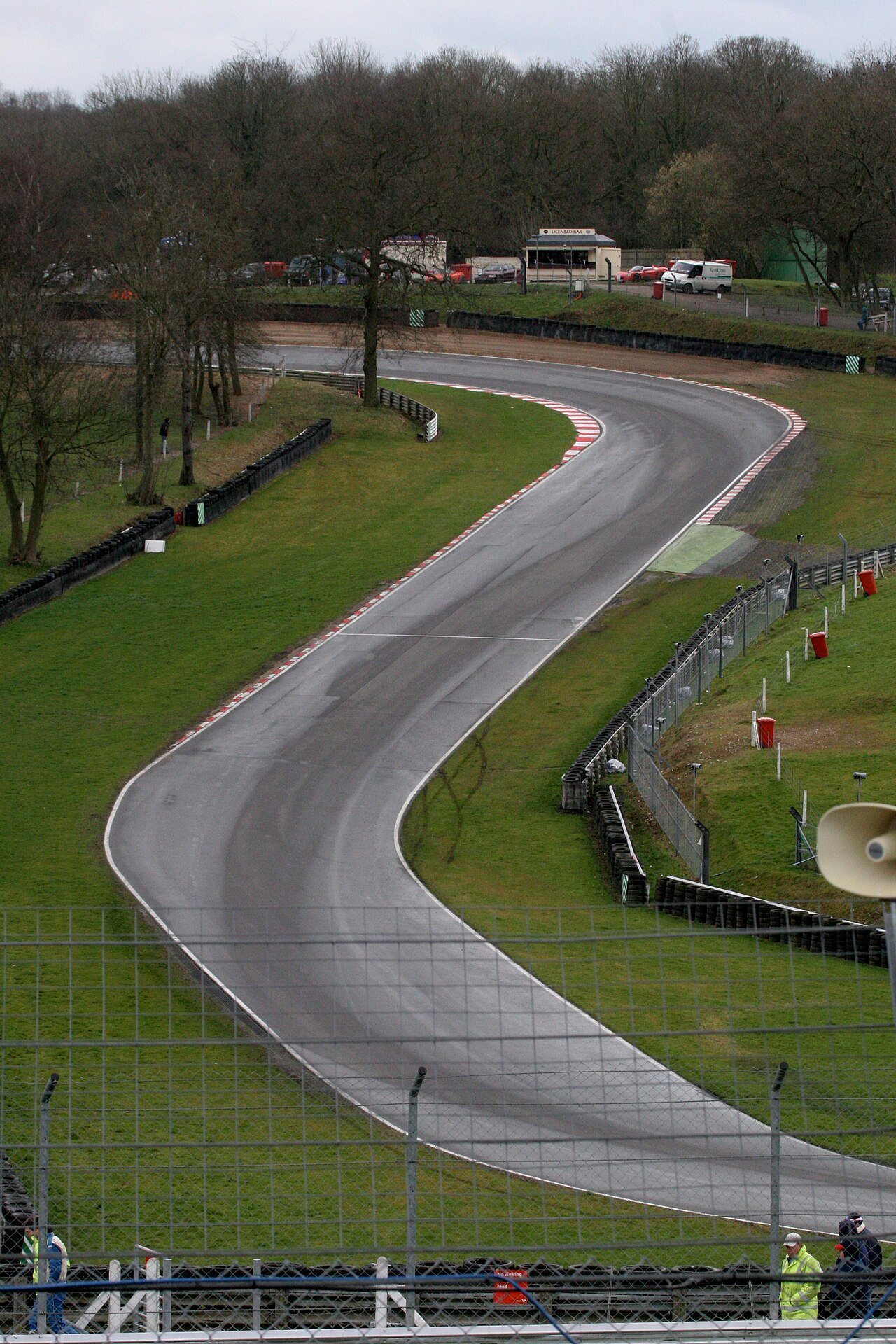
The optimal path around a corner or track that lets a car carry the most speed, typically using the full width of the road.
A car show series dedicated exclusively to vehicles from the 1980s and 1990s, celebrating the era's distinctive styling and pop culture as enthusiast-worthy collectibles.
The nose-down or nose-up attitude of a car, measured as the difference in ride height between the front and rear.
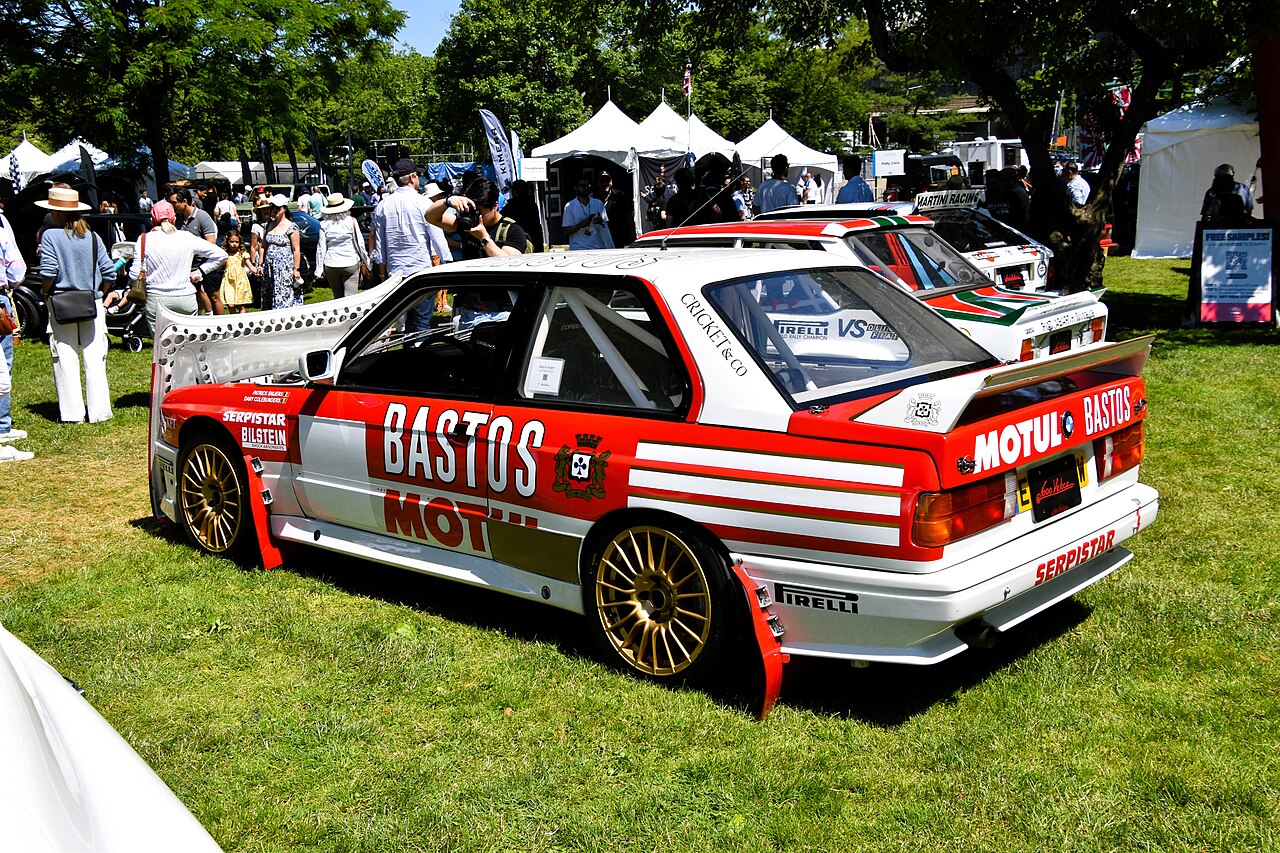
A motorsport format with competitive driving on closed sections of public road or off-road stages, with timed sections and varying surfaces.
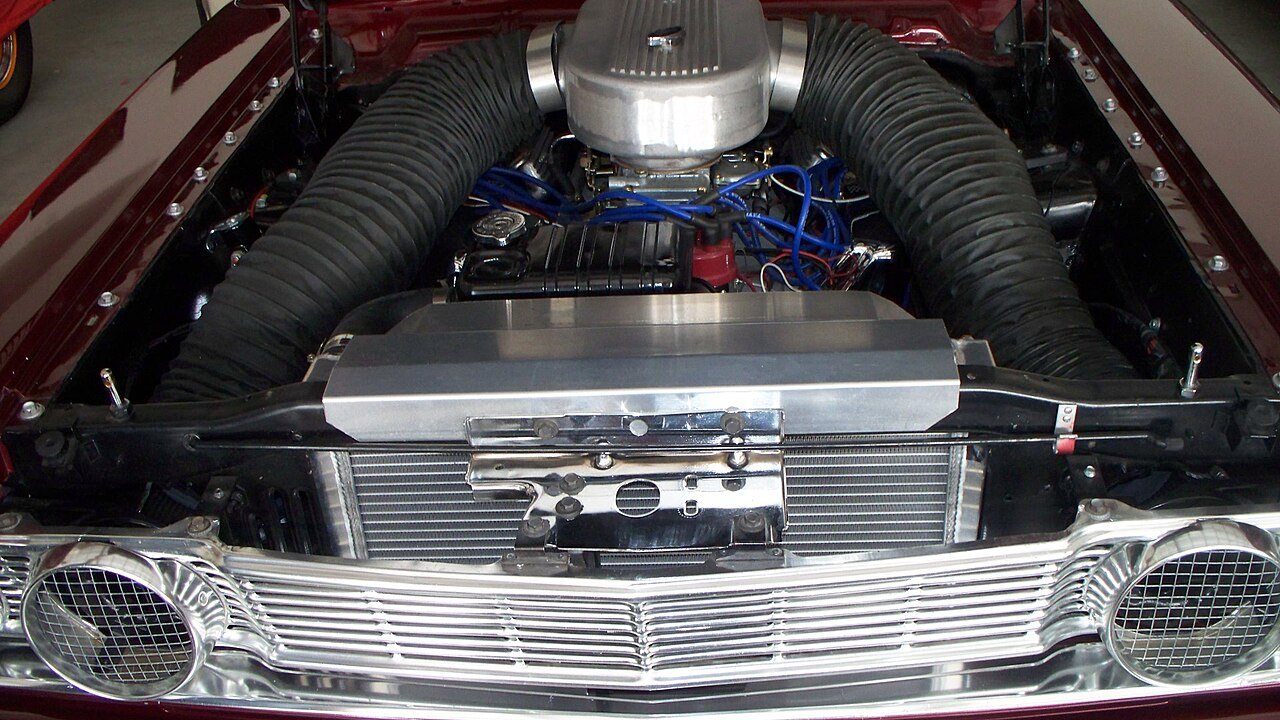
Ram air is a hood scoop or intake system that channels outside air directly into the engine at speed, using forward motion to slightly pressurize the intake charge.
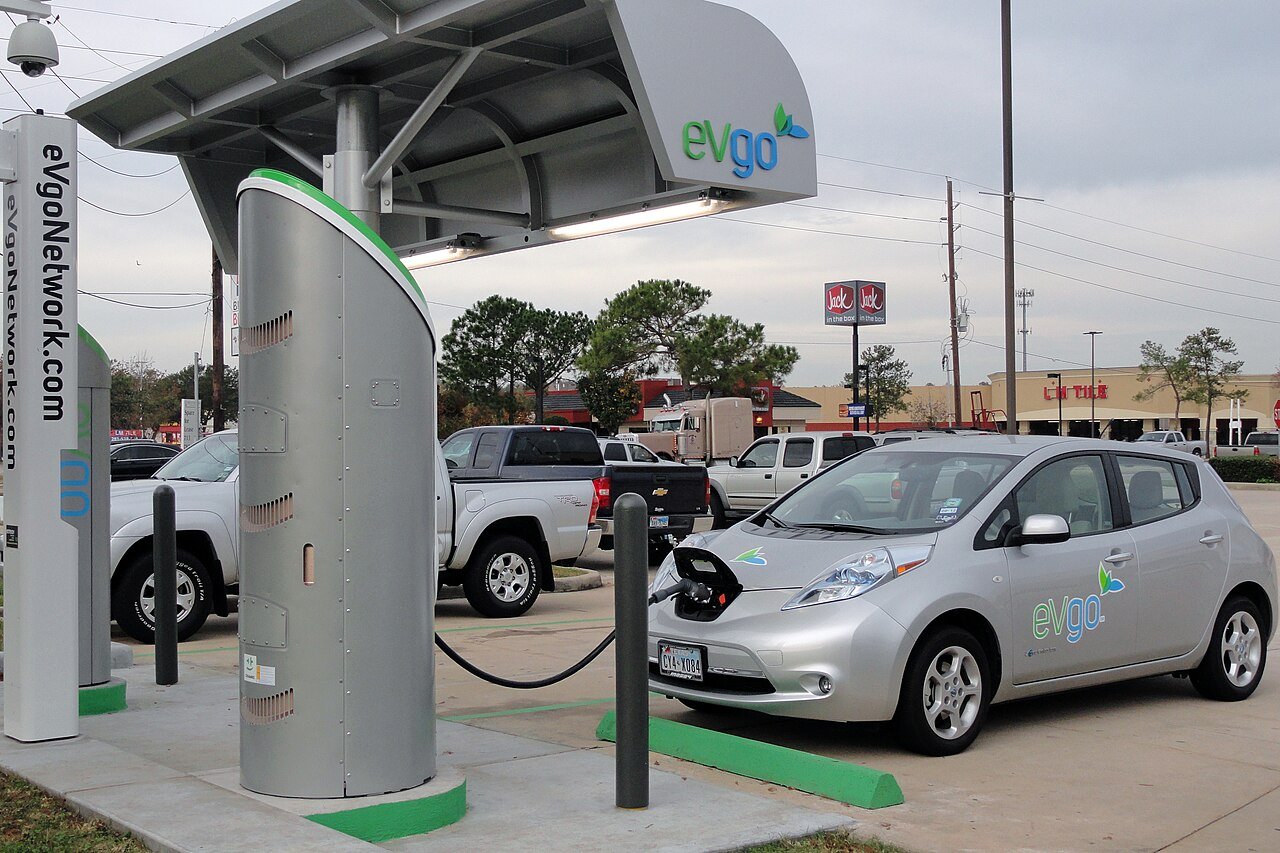
Range anxiety is the worry that an electric vehicle will run out of charge before reaching a destination or an available charger.
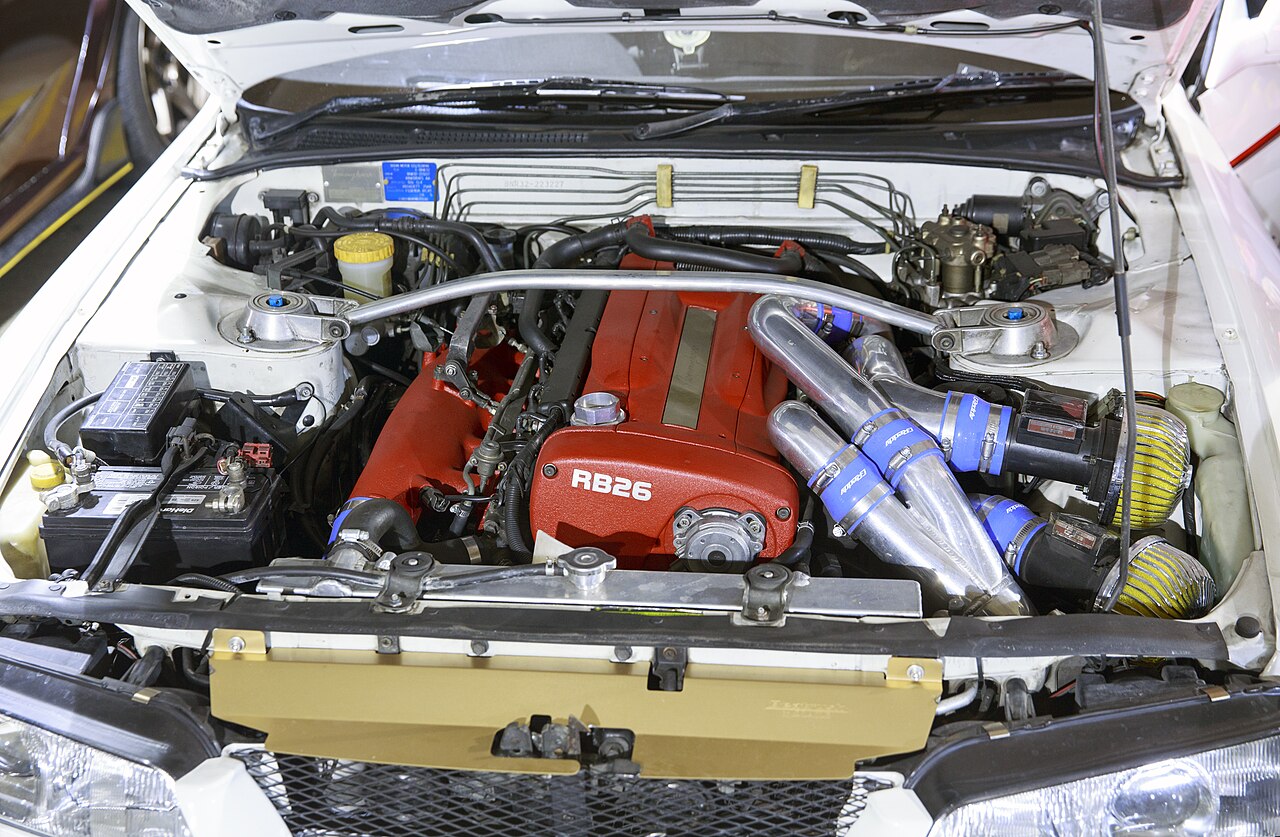
Nissan's legendary 2.6-litre twin-turbo inline-six, built for the Skyline GT-R and revered for its strength and huge tuning potential.
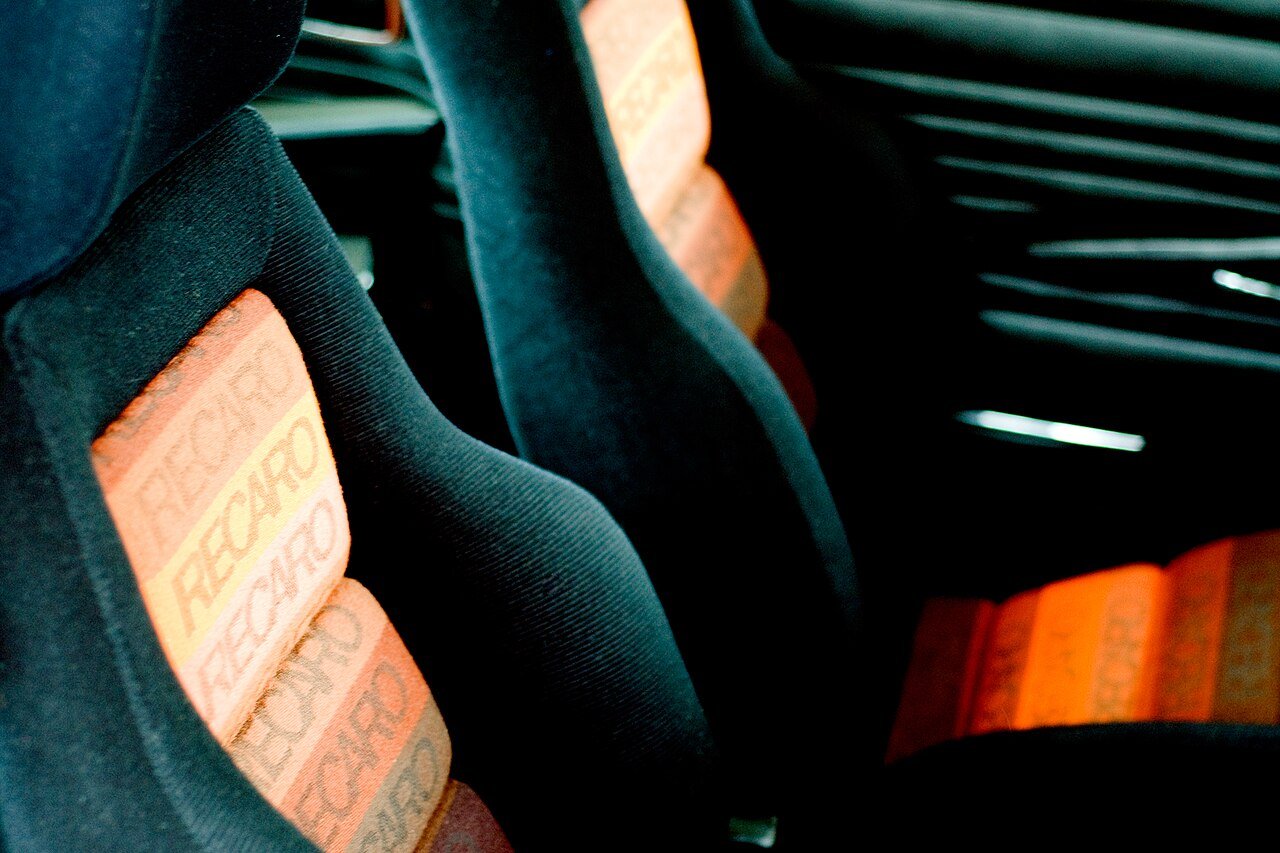
Recaro is a German seat manufacturer known for supportive bucket and racing seats used in both motorsport and factory-optioned performance cars.
The maximum safe RPM for an engine, marked in red on the tachometer. Exceeding redline can cause engine damage.
A braking system in electric and hybrid vehicles that converts kinetic energy back to electricity, charging the battery. Reduces brake wear.
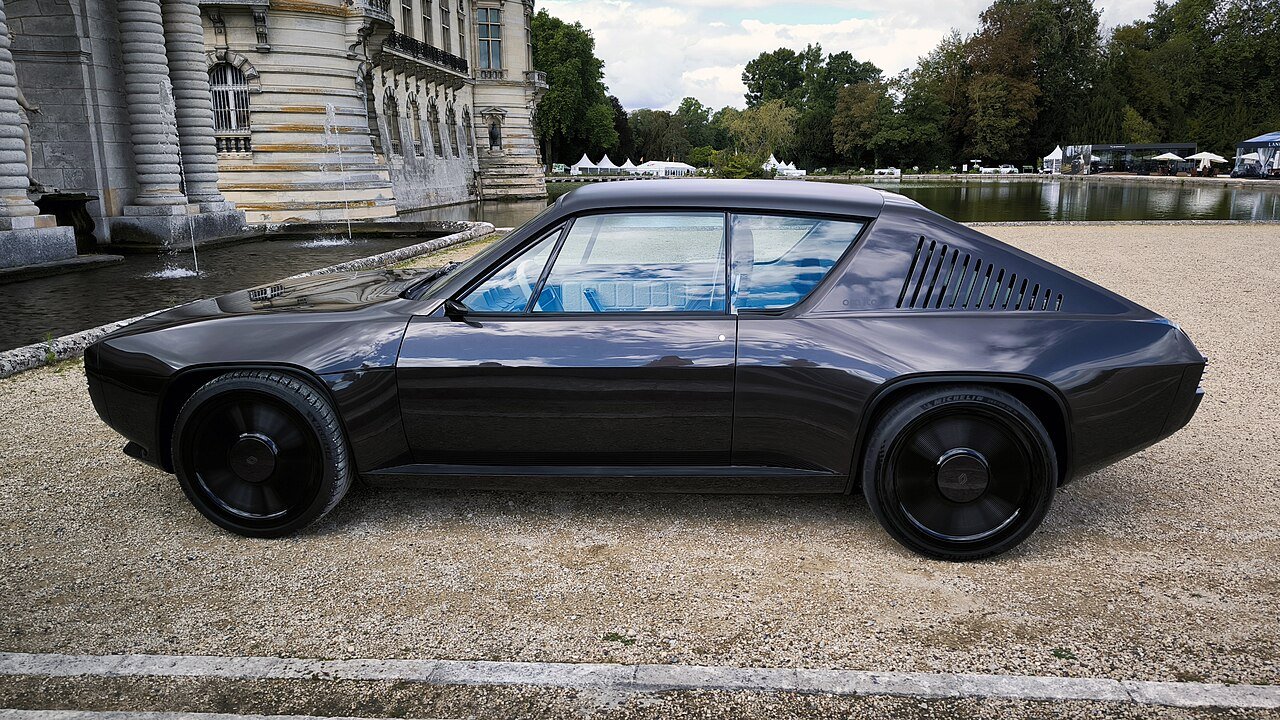
A classic vehicle restored with modern mechanical updates (engine, suspension, brakes, electronics) while maintaining the original styling.
A rev limiter is an electronic or mechanical control that stops an engine from spinning past a set RPM, protecting it from damage once it reaches its redline.
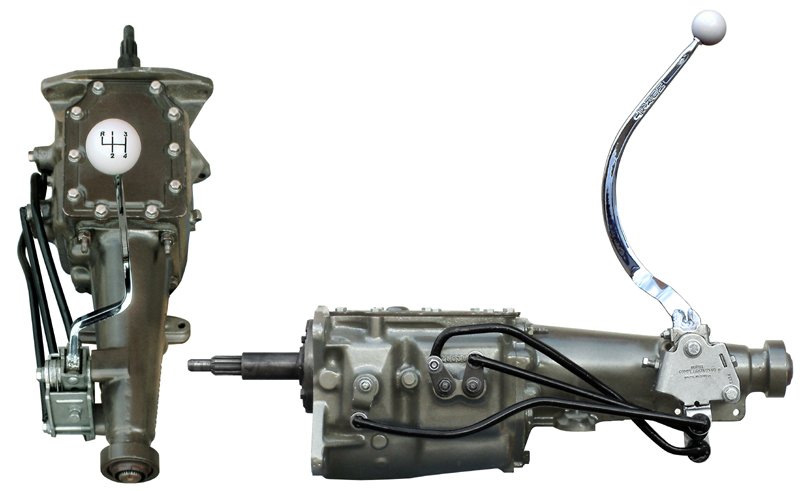
Raising engine RPM during downshifts to match the new gear ratio, allowing smooth clutch engagement. Either manual or automatic.
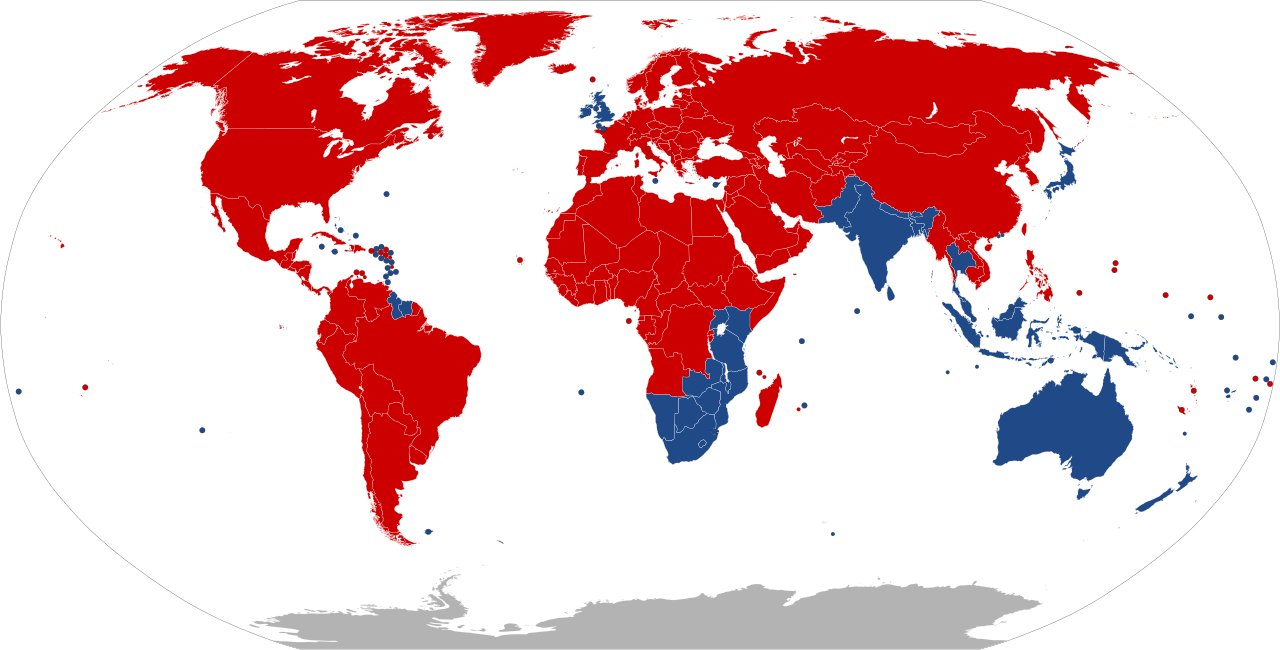
A car with the steering wheel on the right side, standard in Japan and the UK and a hallmark of genuine JDM imports.
A pejorative car-culture term for a heavily modified vehicle, usually a Japanese sport compact, with showy mods but little real performance to match.
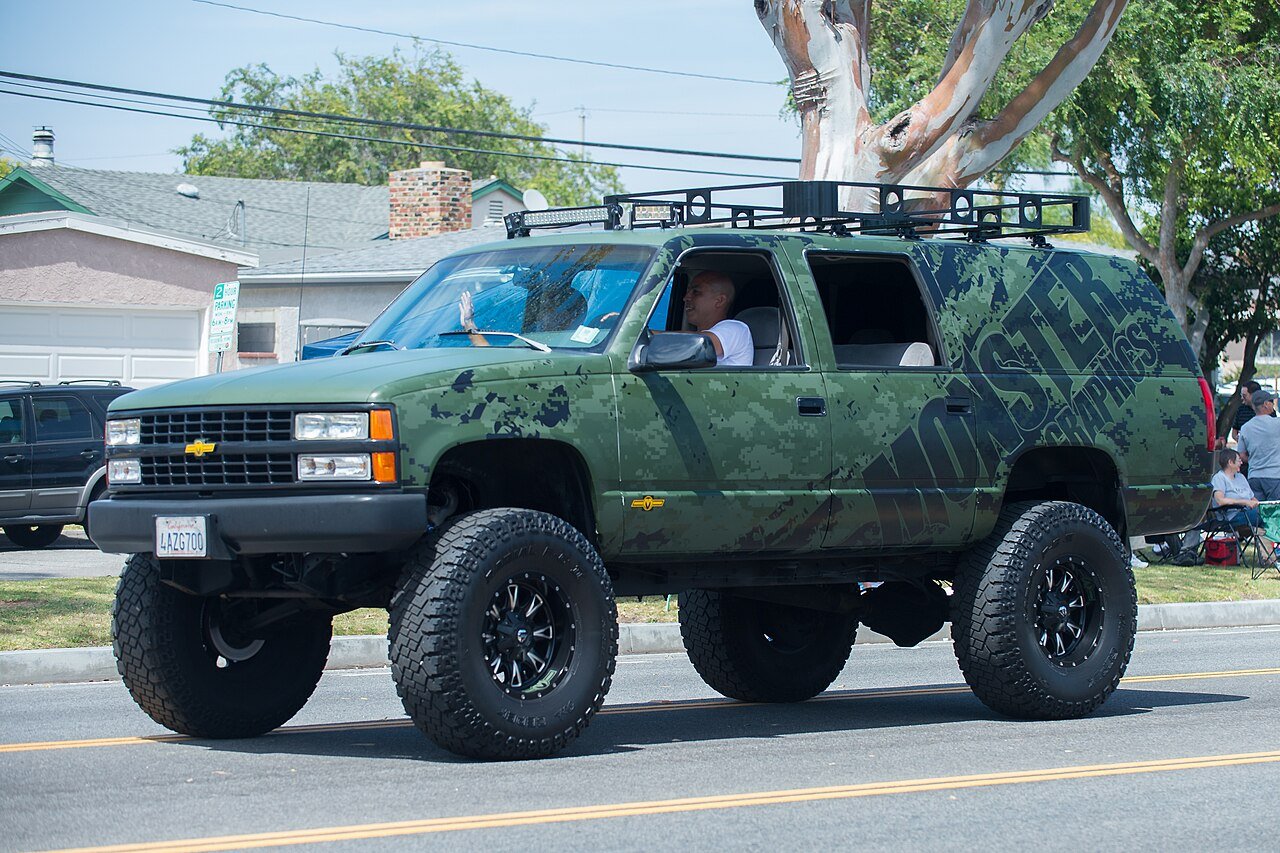
The distance between the lowest point of a car chassis and the ground, and the primary number behind how low a car sits.
American restomod shop in Wisconsin, founded by Jim and Mike Ring. Famous for high-end muscle car restomods and bespoke Mustang and Camaro builds.
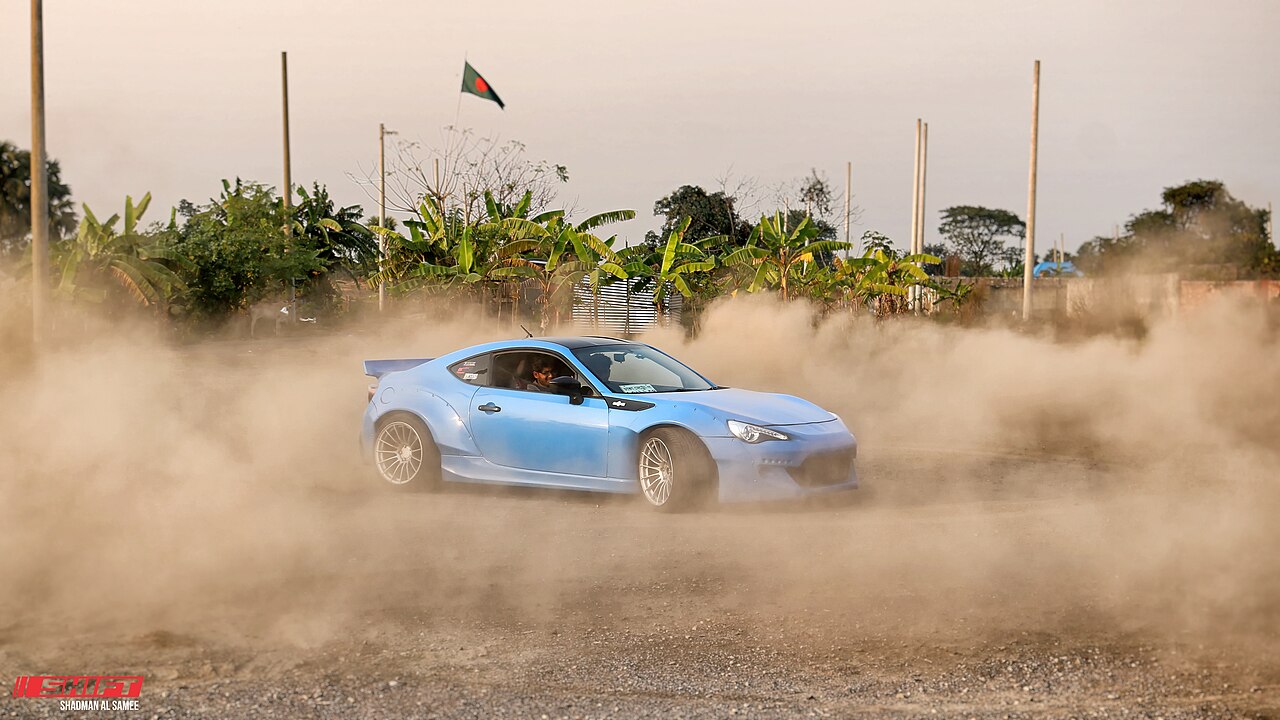
Japanese tuner house founded by Kei Miura. Famous for cleaner, cohesive widebody kits with bolt-on flares for sport cars and tuner cars.
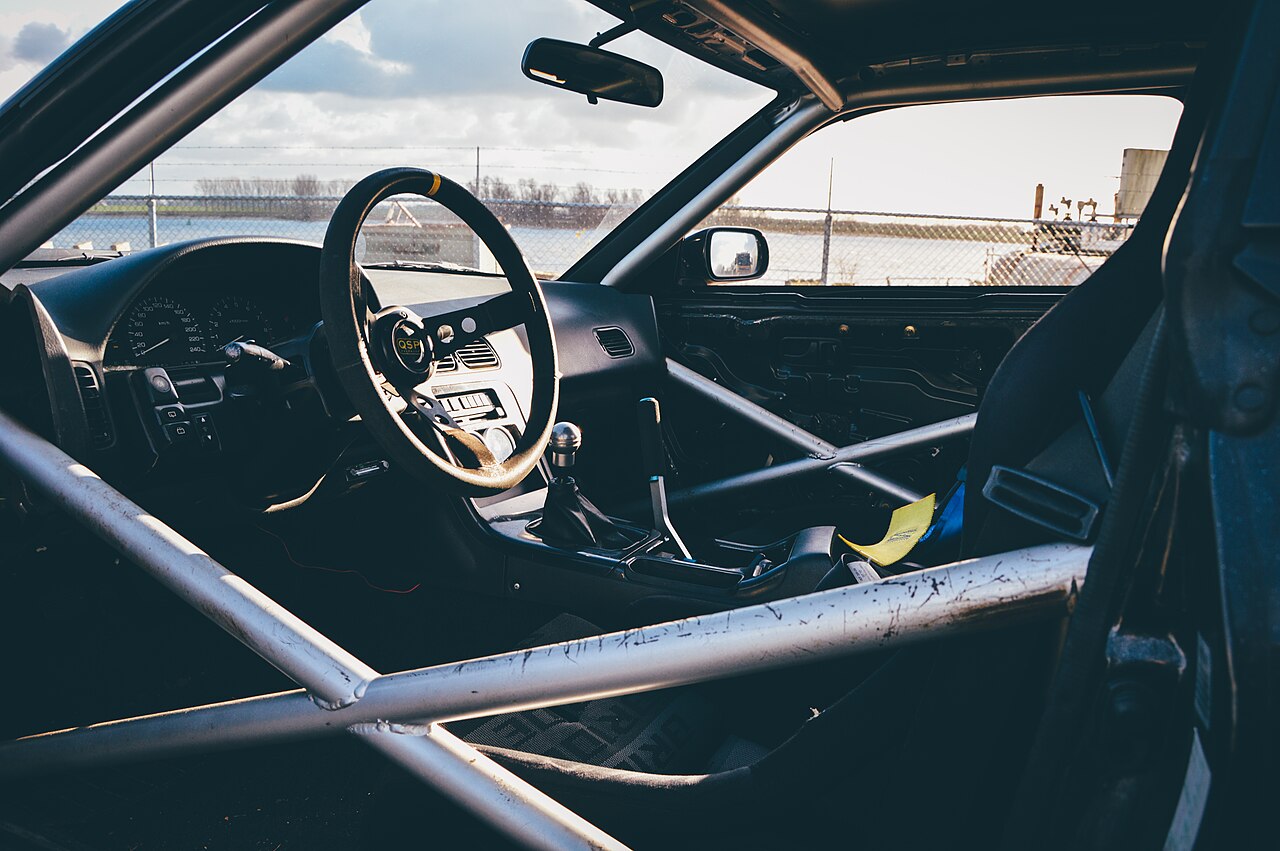
A welded tubular structure inside a vehicle that protects occupants in case of a rollover or impact. Required for many forms of motorsport.
A rotary engine uses a spinning triangular rotor inside an oval housing instead of pistons, producing power through rotation rather than up-and-down motion.
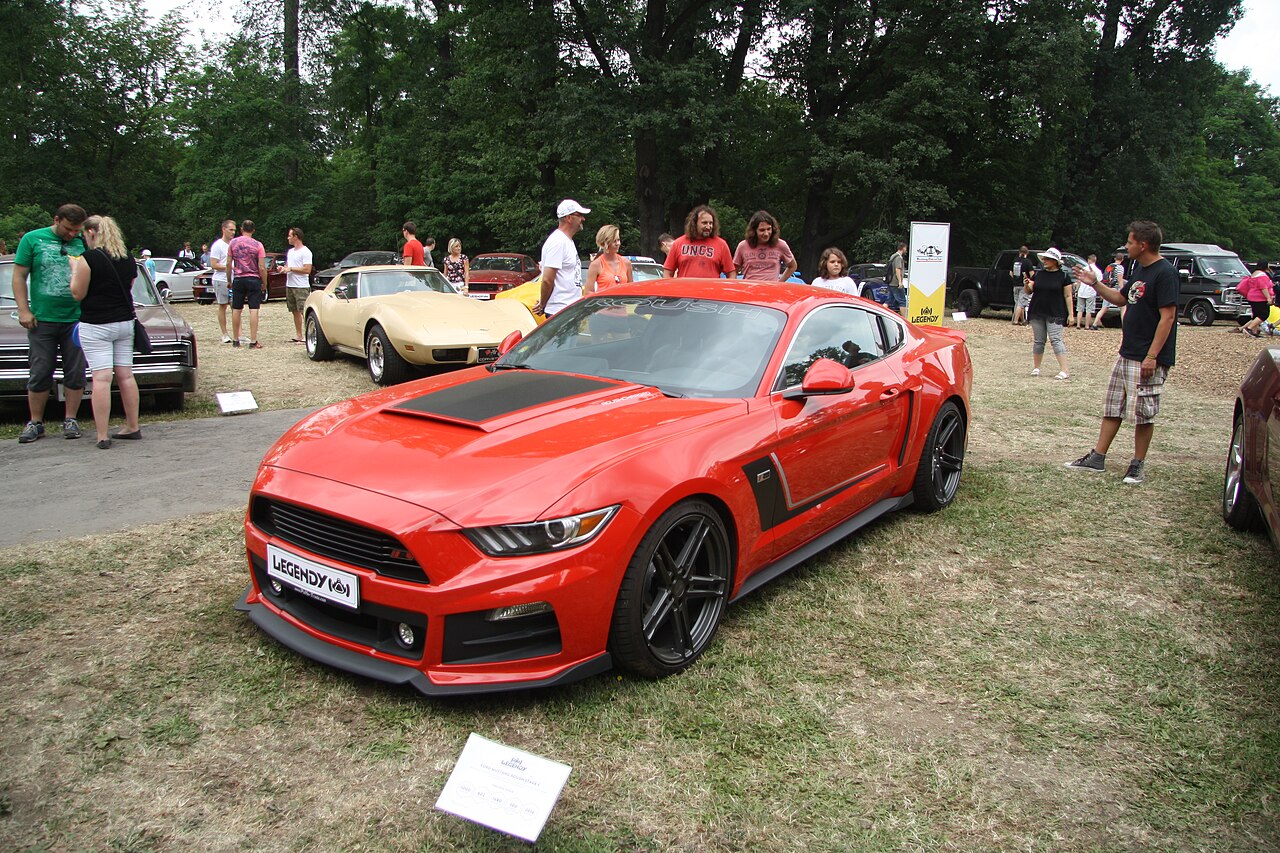
American Ford-focused tuner founded by Jack Roush in 1976. Specializes in Mustang performance variants, including supercharged Roush Mustangs.
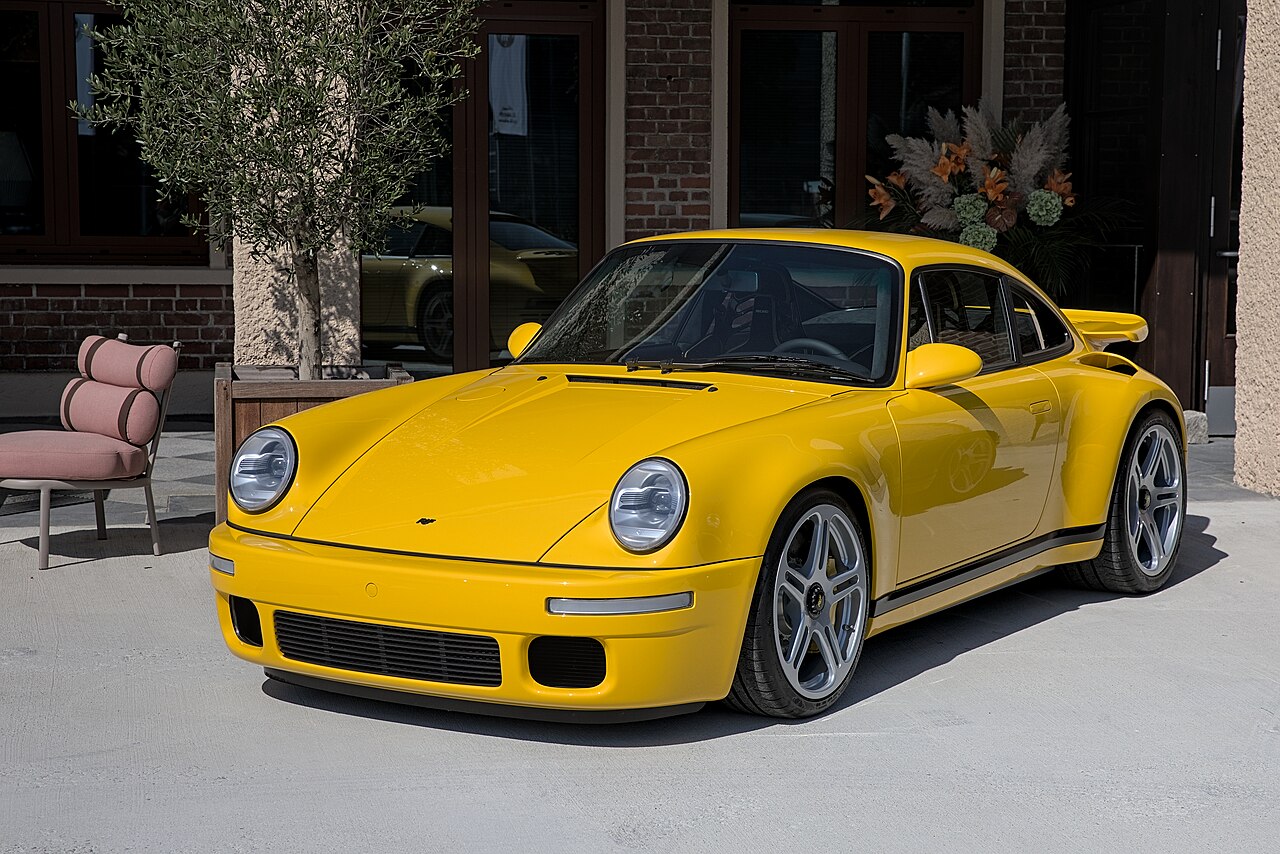
German Porsche tuner and manufacturer founded 1939. Famous for extreme Porsche 911 modifications including the iconic Yellowbird CTR and BTR.
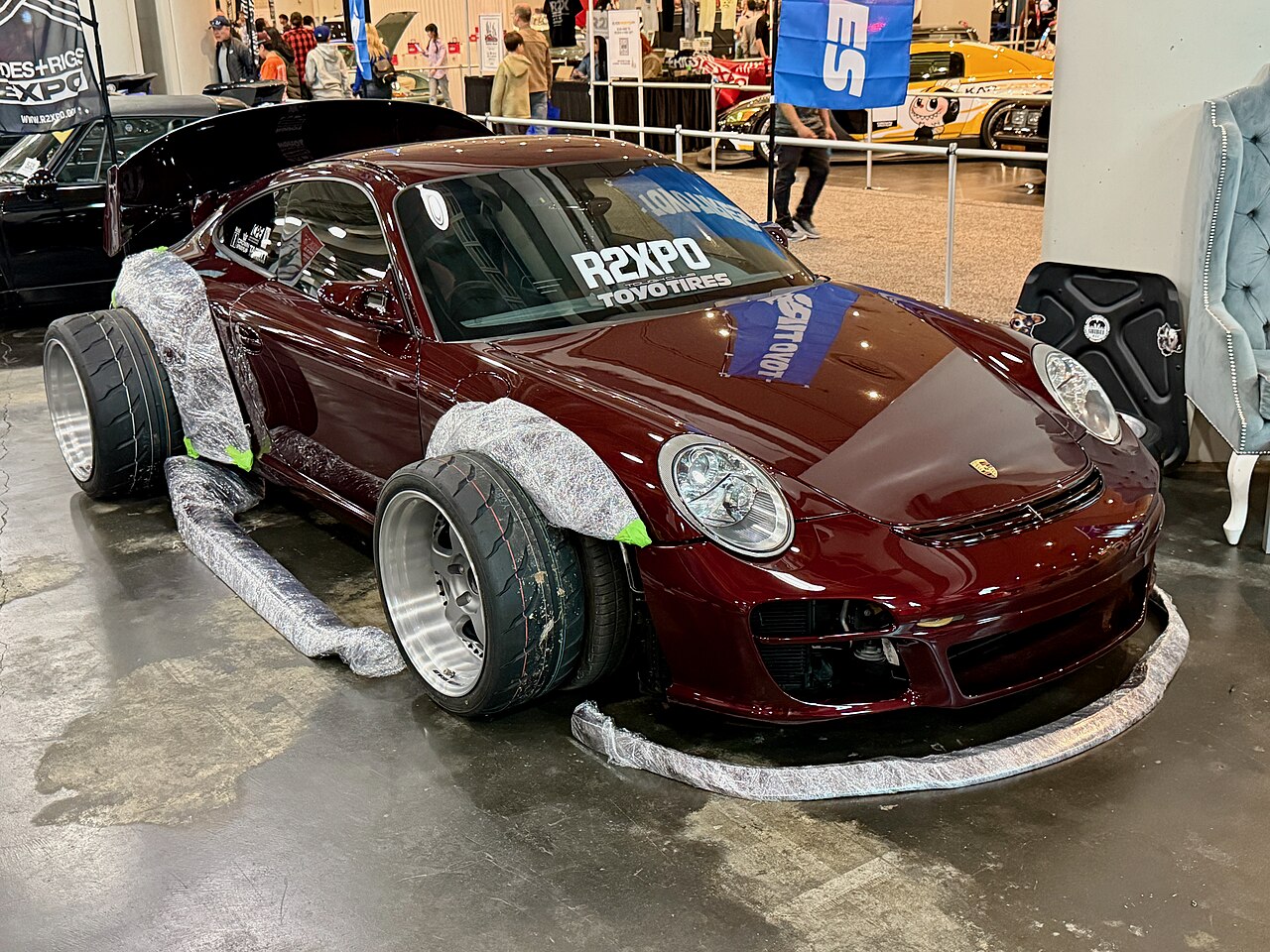
Rauh-Welt Begriff. Akira Nakai's iconic Japanese Porsche tuning house, famous for hand-built widebody 911s with riveted fender flares.
Rear-wheel drive. Power is delivered exclusively to the rear wheels. Common in performance cars and the foundation for drift culture.
S
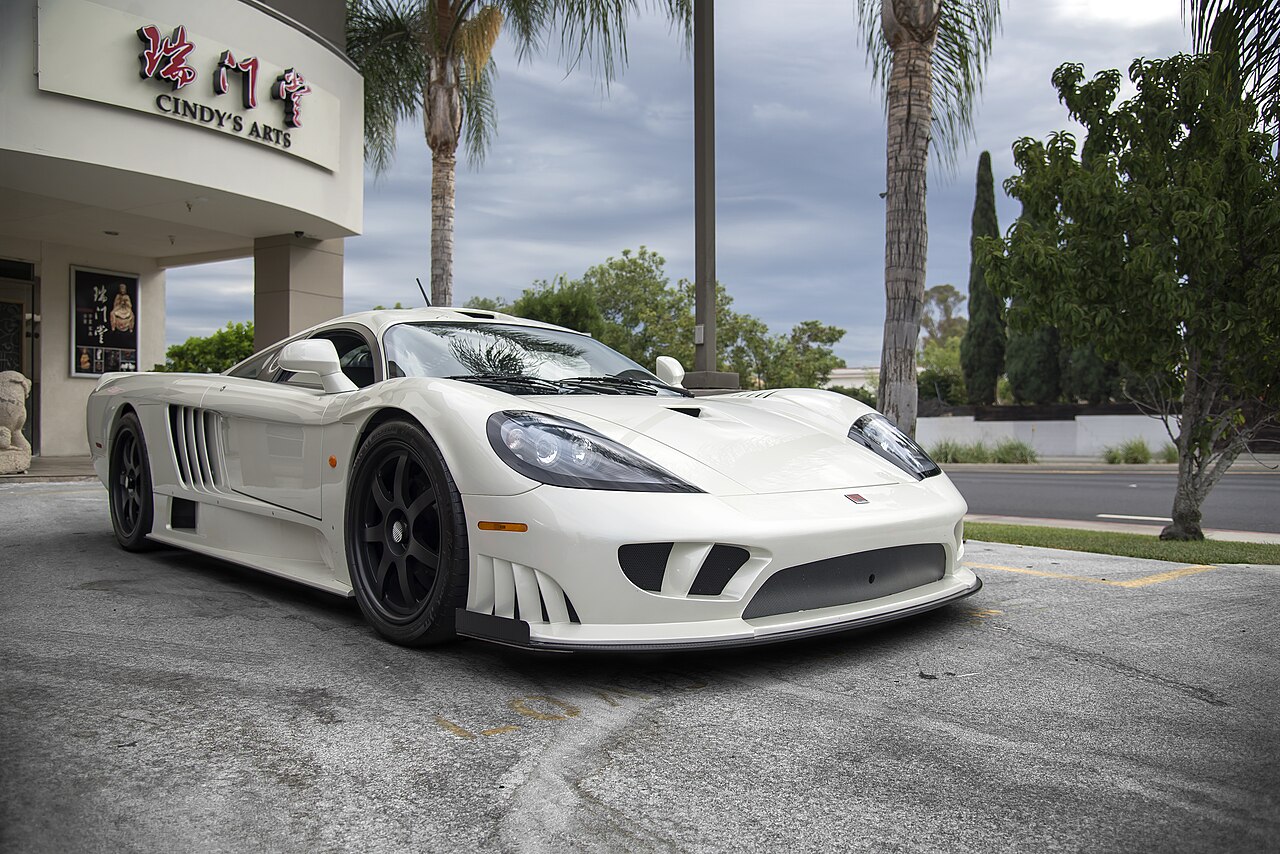
American Ford-focused tuner and limited-production manufacturer founded 1983 by Steve Saleen. Famous for Saleen Mustangs and the S7 supercar.
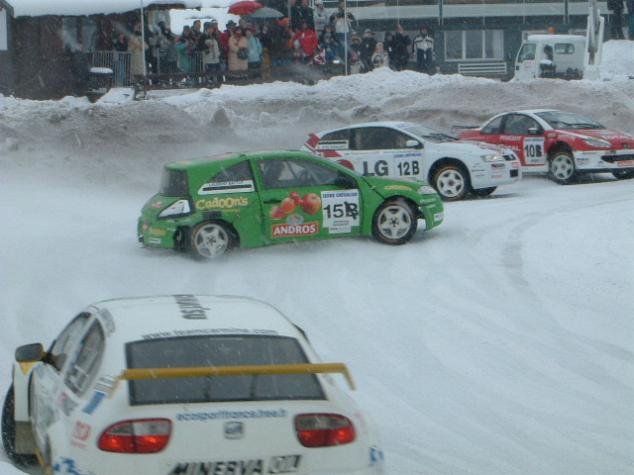
A rally driving technique where the driver intentionally flicks the steering opposite of the corner direction before turning in, using weight transfer to rotate the car.
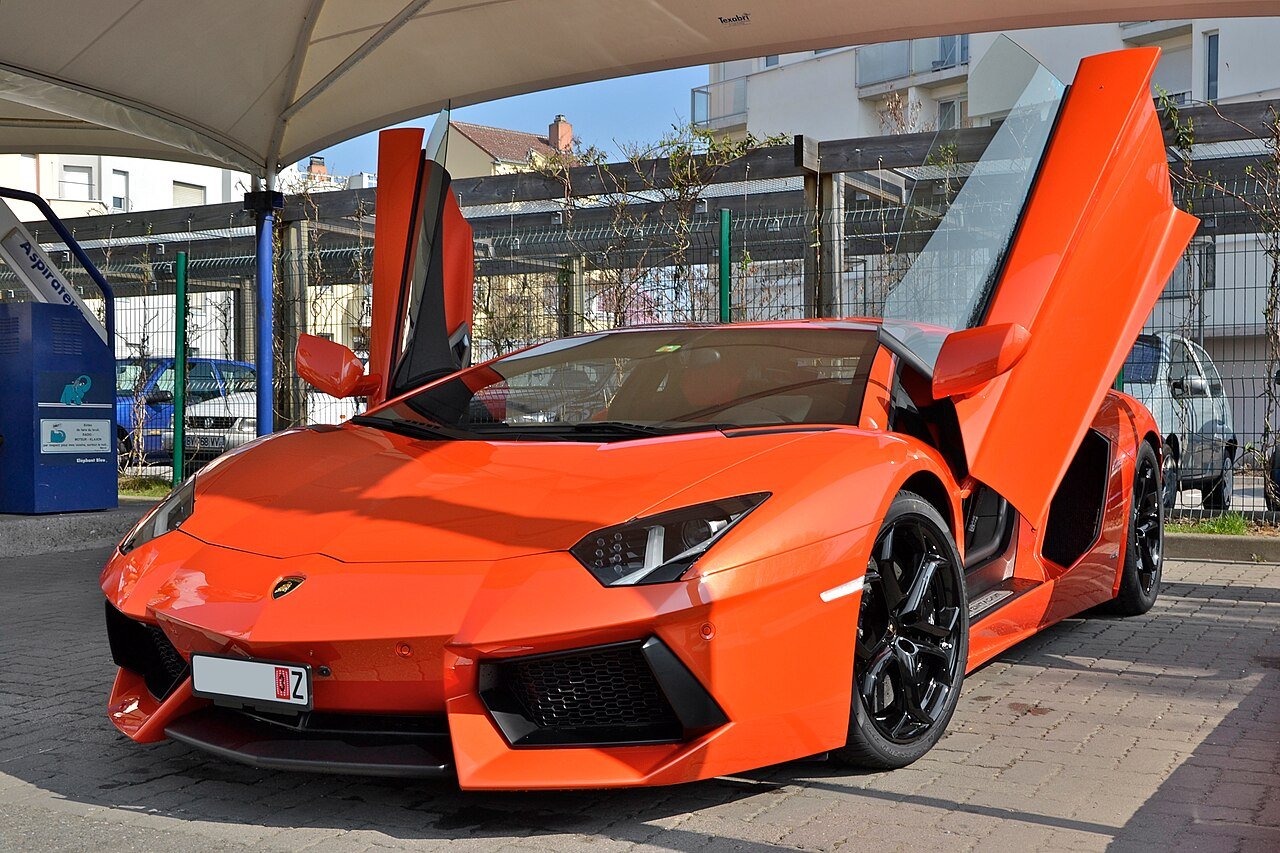
Scissor doors hinge at the front of the door frame and rotate straight up, becoming Lamborghini's signature design element since the Countach.
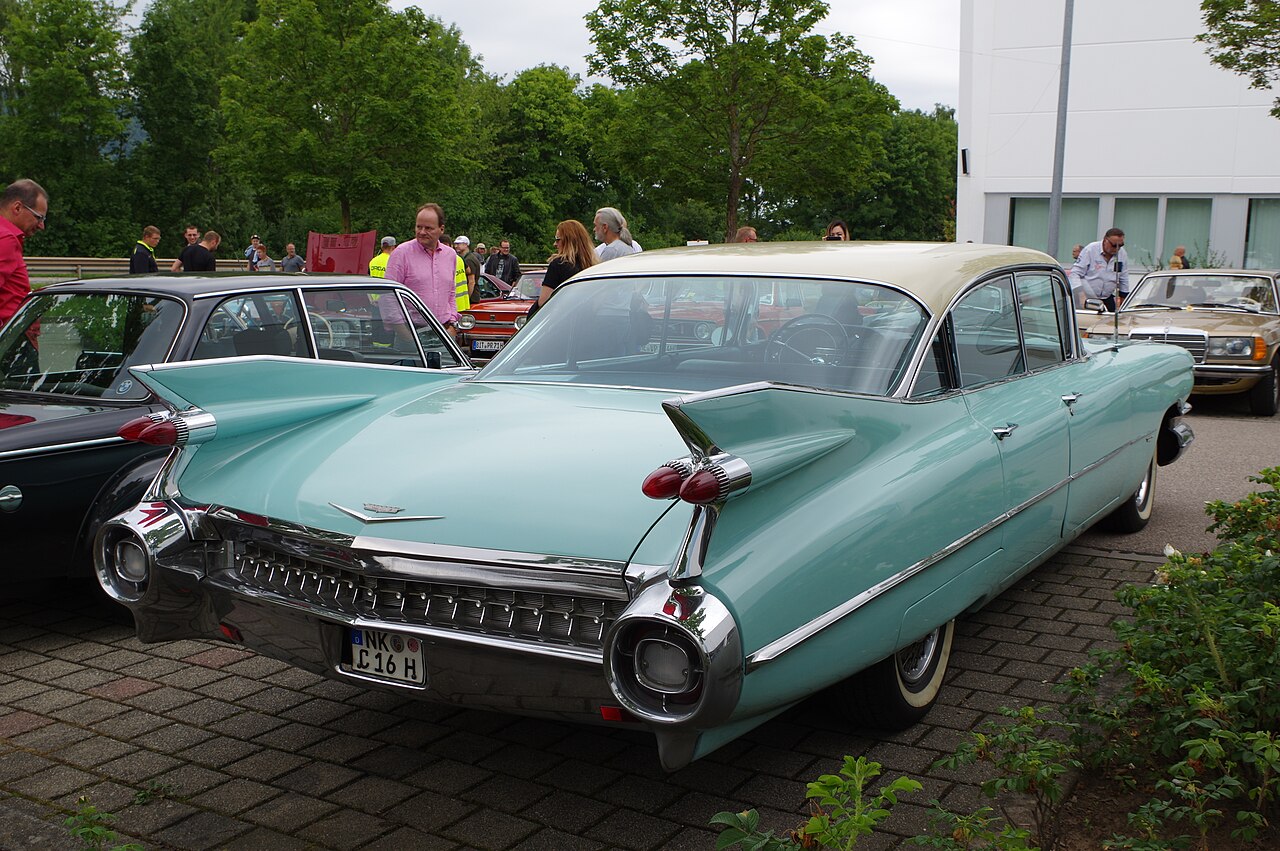
A four-door car body style with a separate trunk and seating for 4-5 passengers. The most common car body style globally.
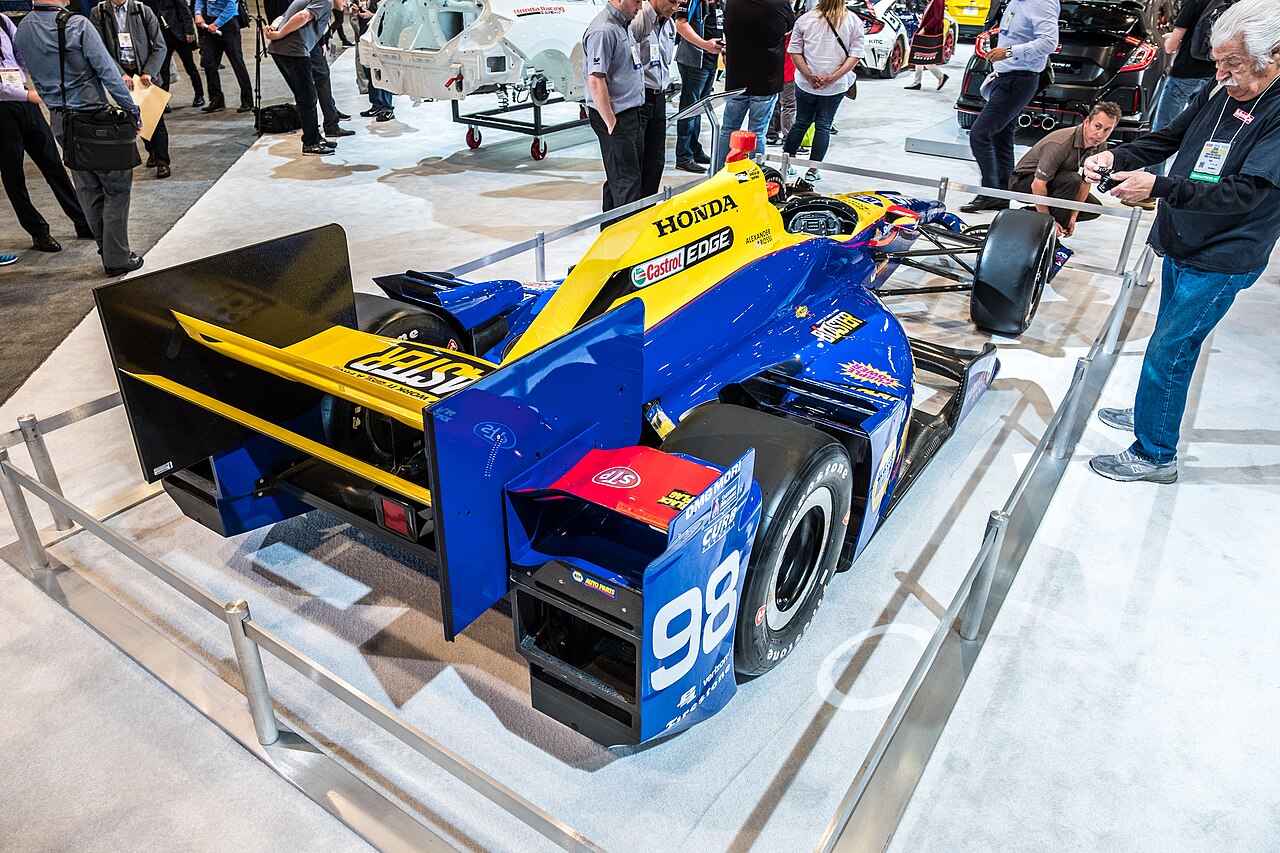
The Specialty Equipment Market Association trade show held annually in Las Vegas, the largest automotive specialty parts and accessories event in the world and a major stage for custom car reveals.
Japanese term for "low car" - the original Japanese low-ride-height aesthetic that influenced global stance culture.
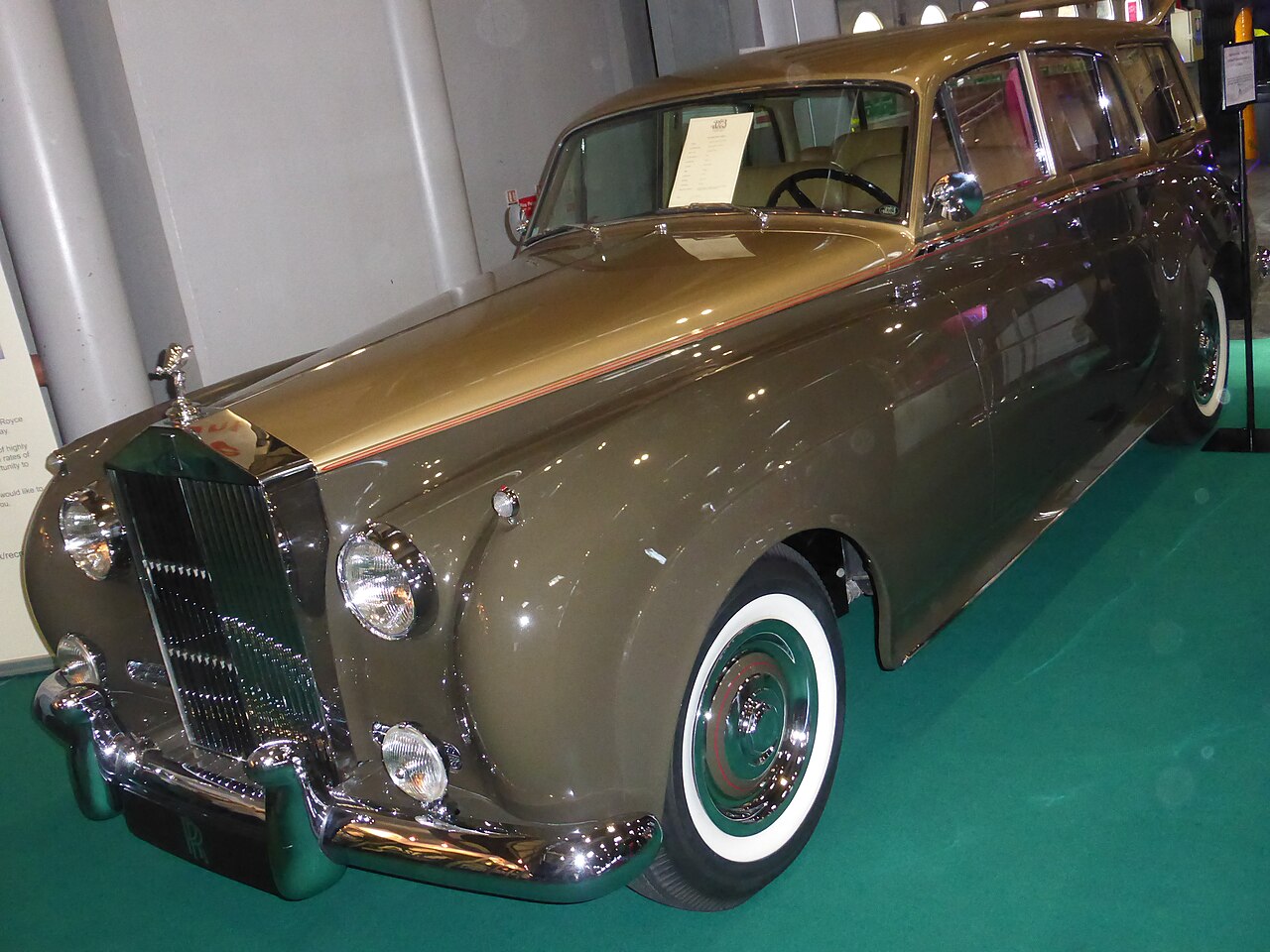
A two-door wagon body style, traditionally derived from luxury sport coupes. The Mercedes-AMG GT 4-Door Coupe is a modern interpretation.
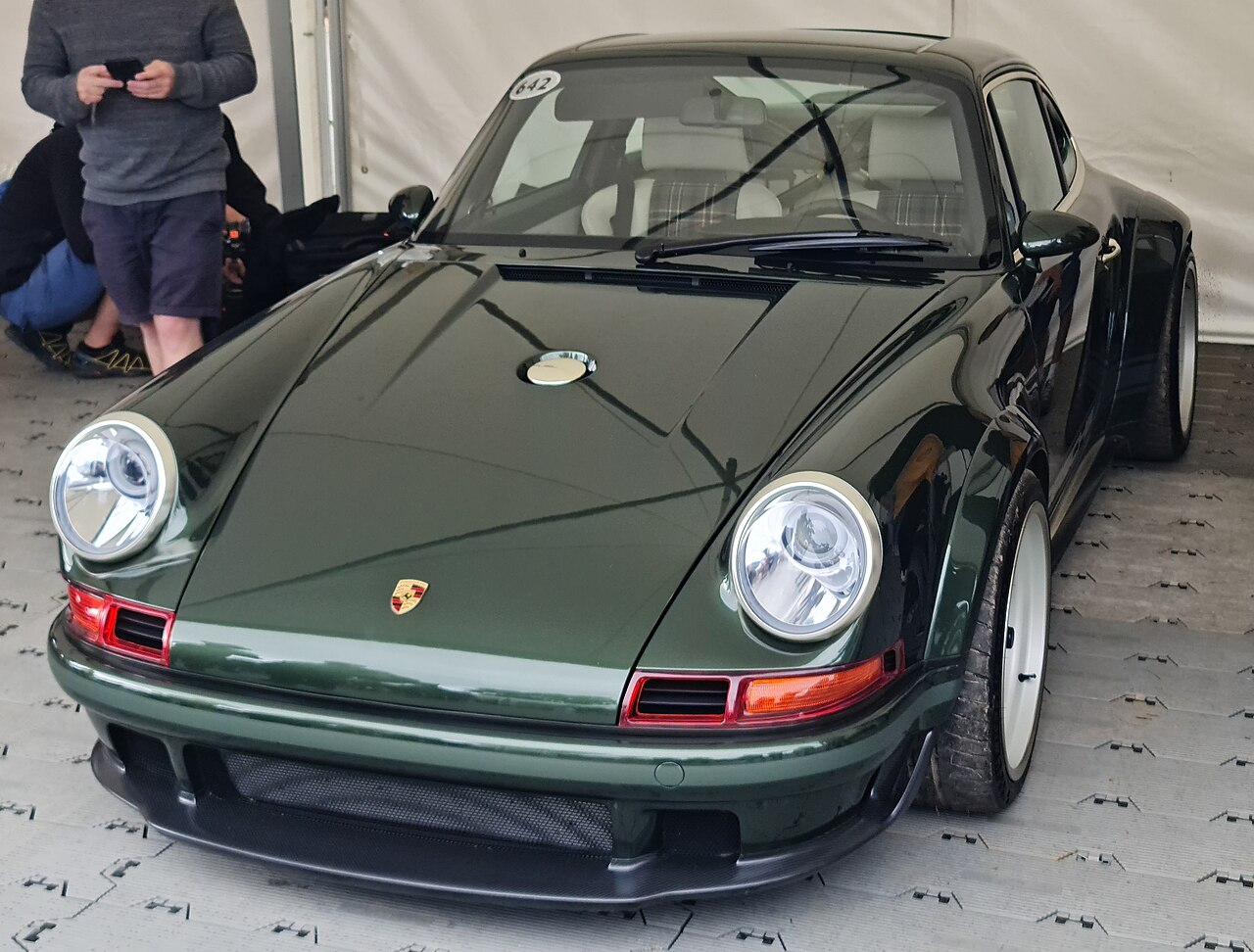
Los Angeles-based Porsche restomod shop founded 2009 by Rob Dickinson. Famous for hand-finished 964 chassis builds with extreme attention to detail.
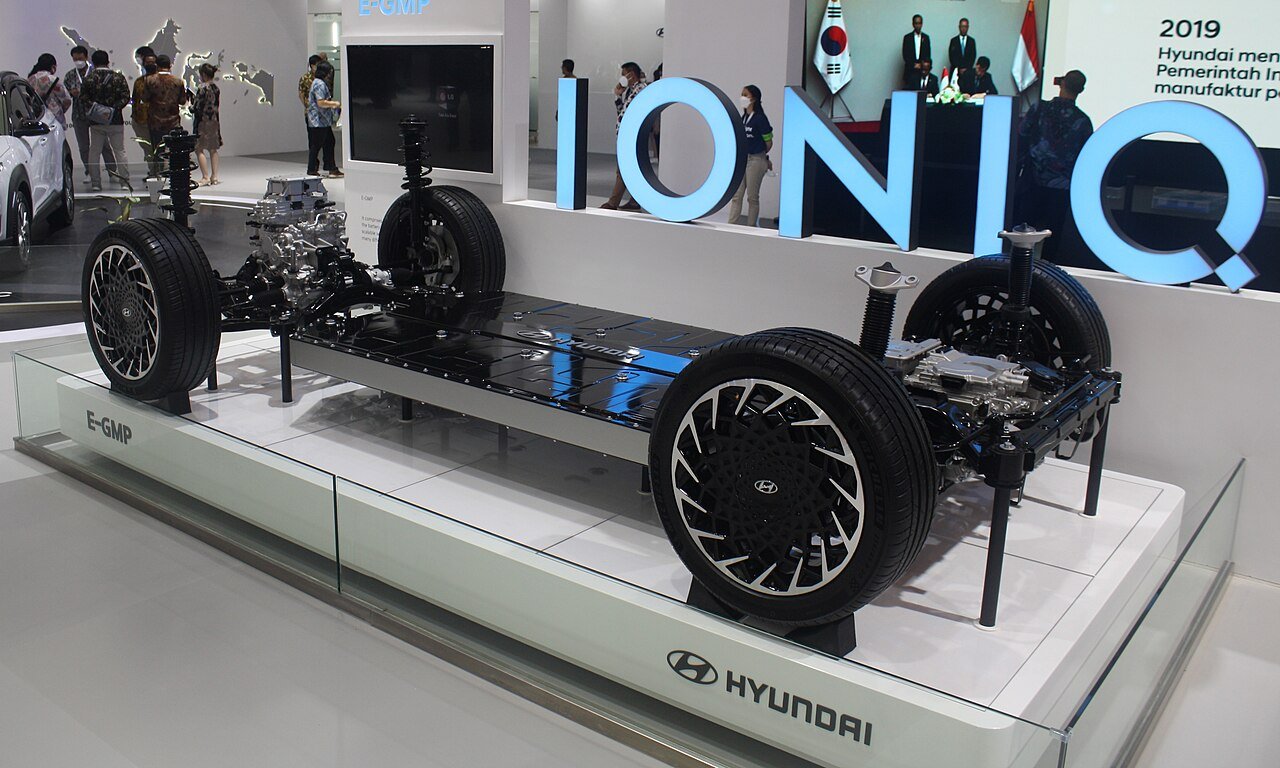
An EV chassis design that packages the battery and motors in a flat floor structure, freeing up cabin space and lowering the centre of gravity.
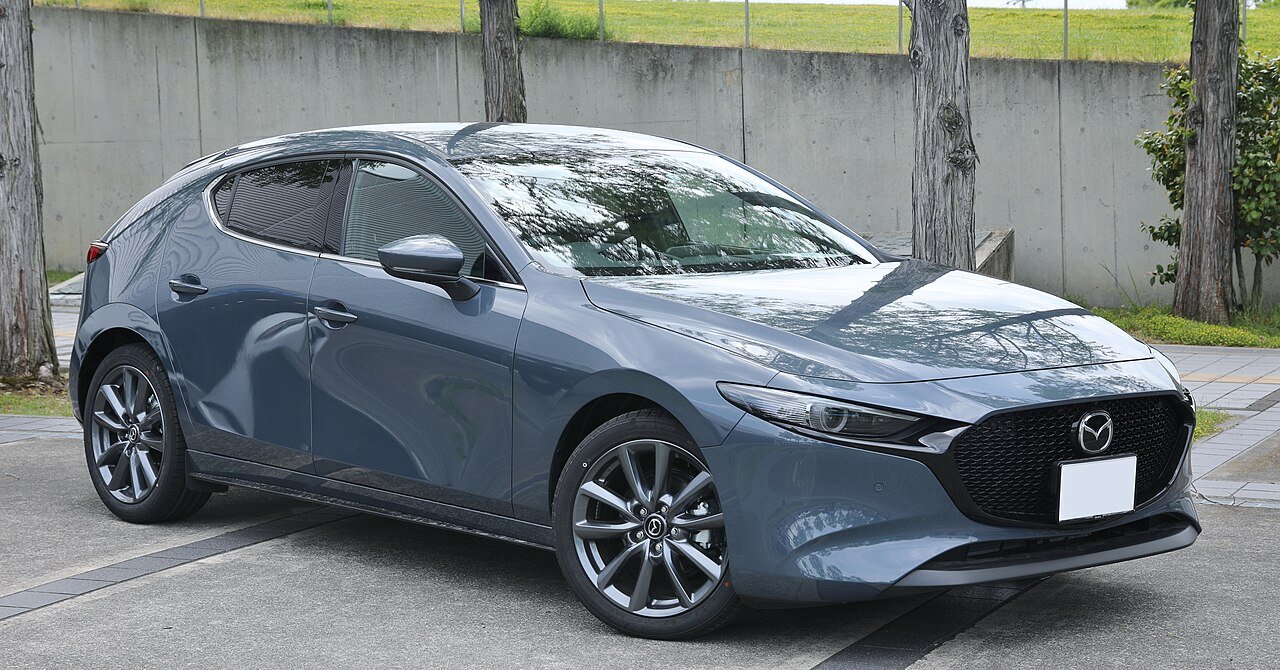
SkyActiv is Mazda's umbrella name for a holistic set of engine, chassis, and transmission technologies focused on efficiency without relying heavily on turbocharging or hybridization.
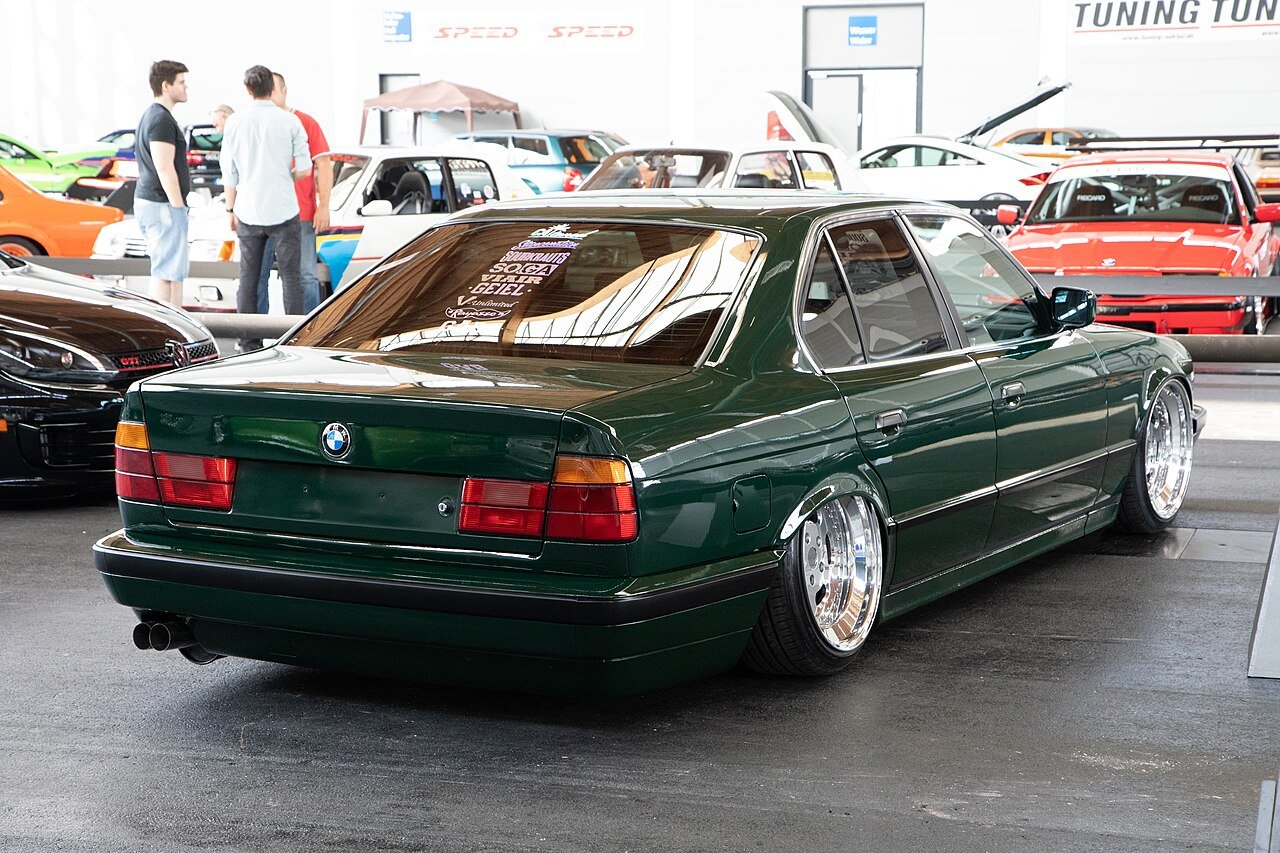
A vehicle lowered to the maximum extent possible, often touching or nearly touching the ground. Common in stance and lowrider culture.
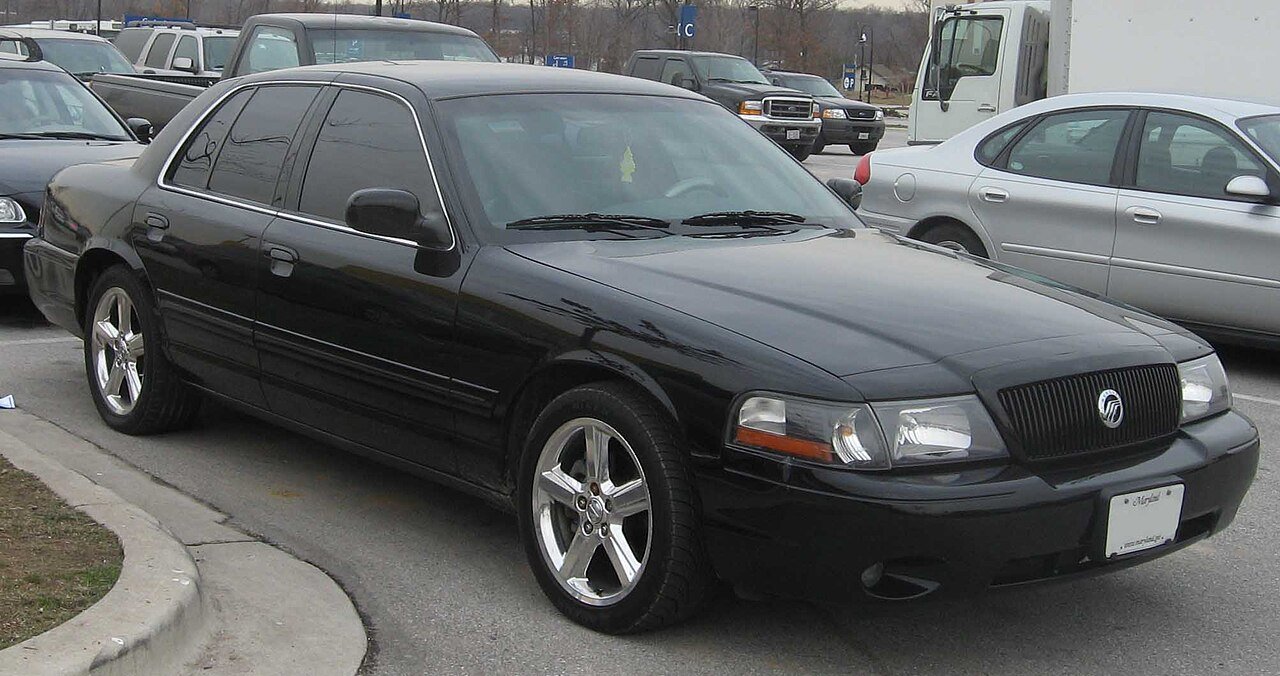
A car that appears stock or unimpressive externally but has significant performance modifications. The opposite of a ricer or show build.
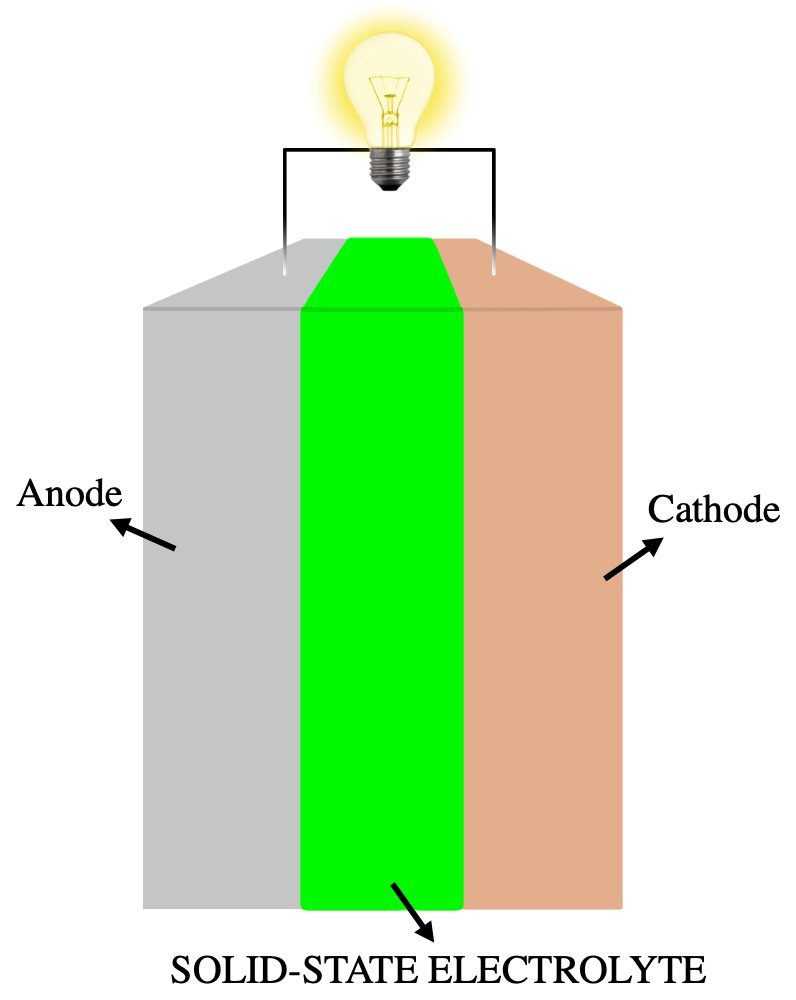
A solid-state battery uses a solid electrolyte instead of a liquid one, promising higher energy density, improved safety, and faster charging for future EVs.
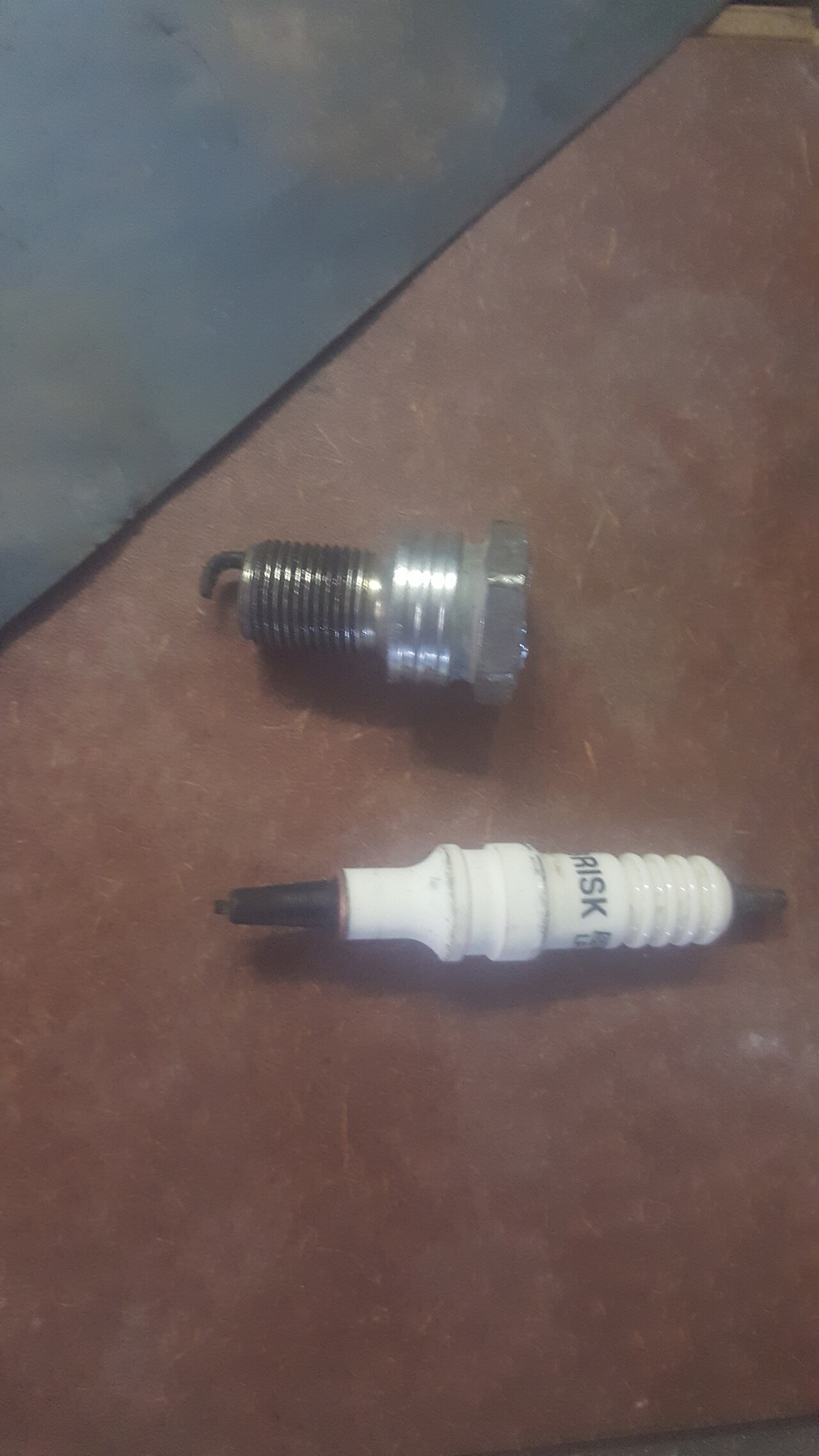
Devices that ignite the air-fuel mixture in gasoline engine cylinders. Different heat ranges suit different engine applications.
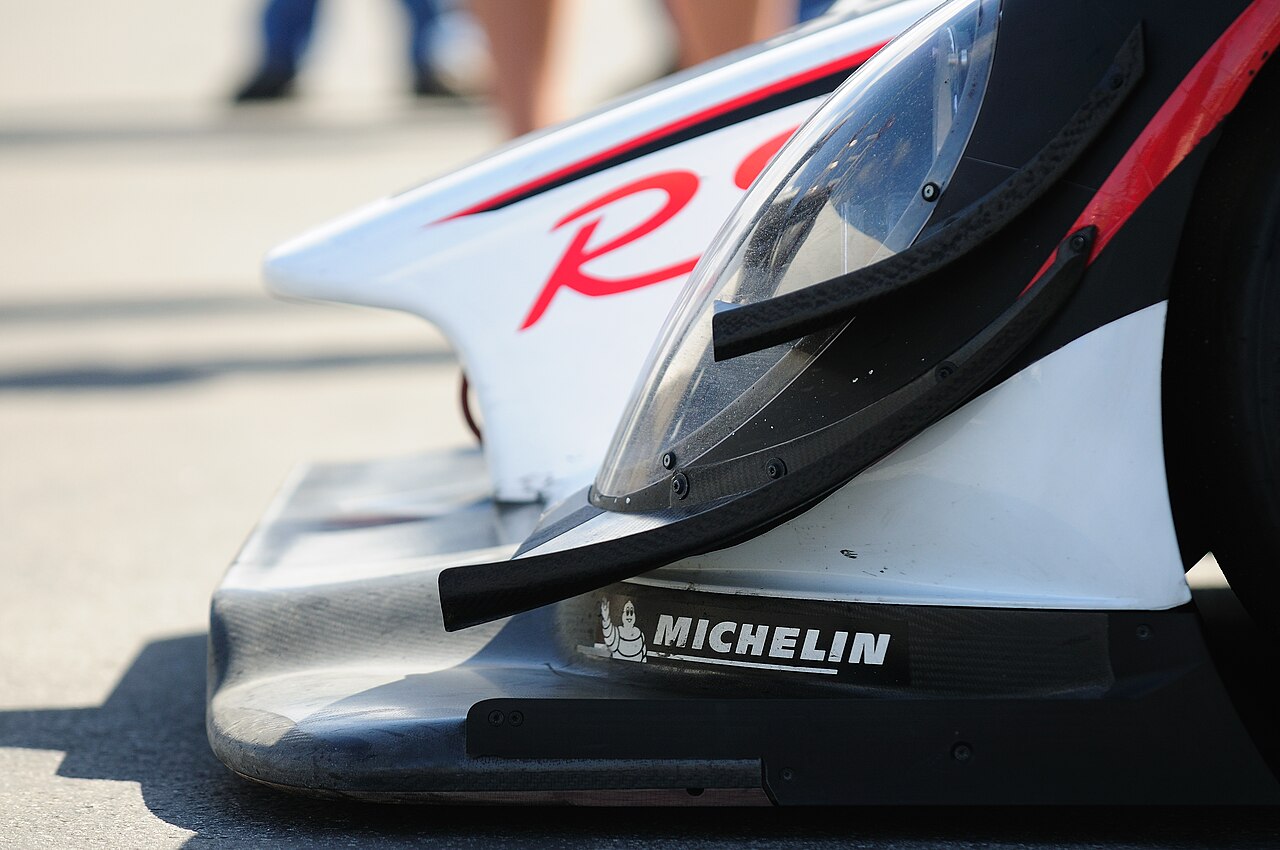
A horizontal aerodynamic surface mounted at the front of a car, creating downforce by separating the airflow above and below.
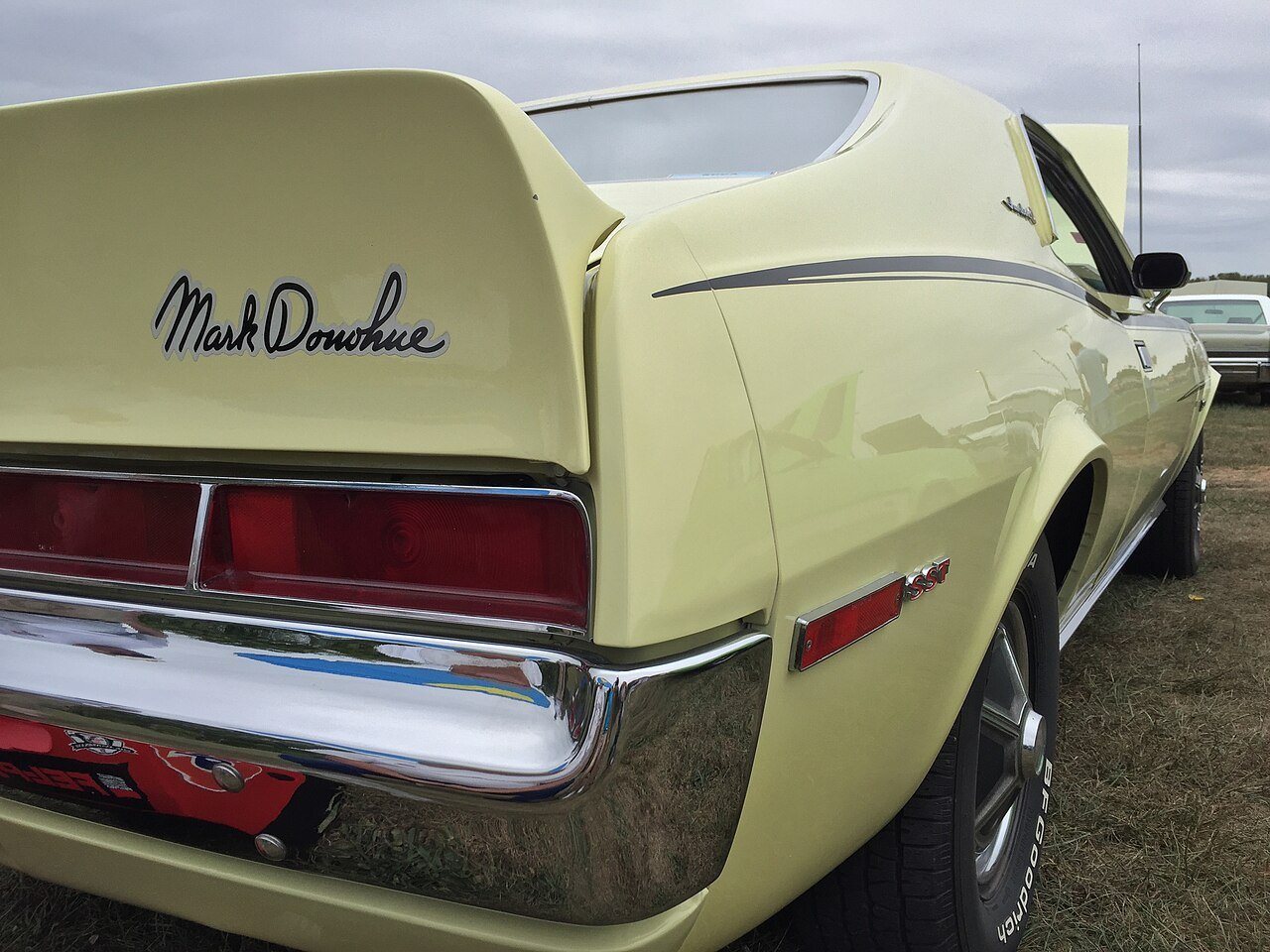
A body panel at the trailing edge of a car that manages airflow to reduce lift and drag, rather than generating large downforce.
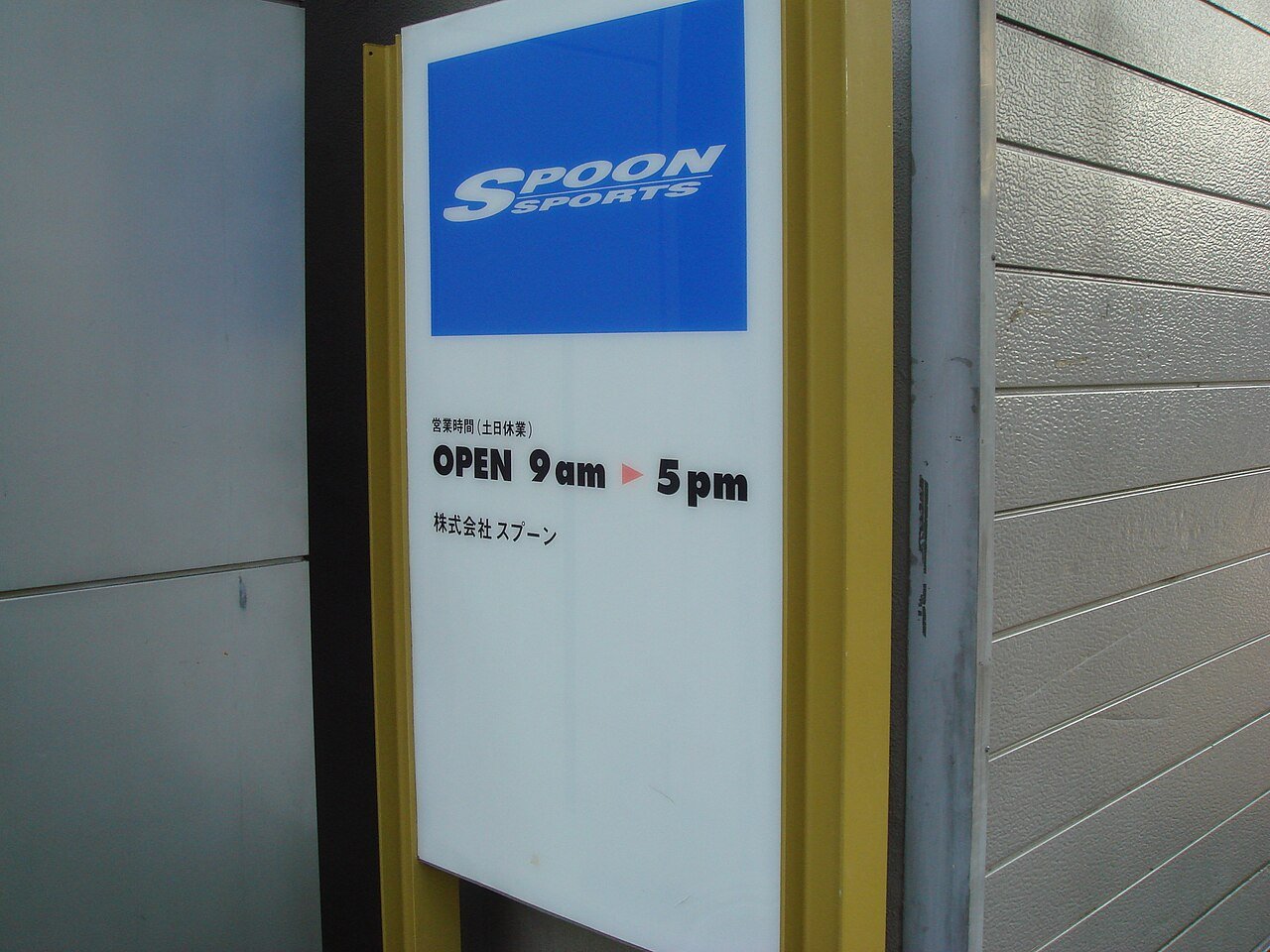
Japanese Honda tuner founded 1988 by Tatsuru Ichishima. Famous for racing-focused Civic and Integra builds, distinctive yellow-and-blue livery.
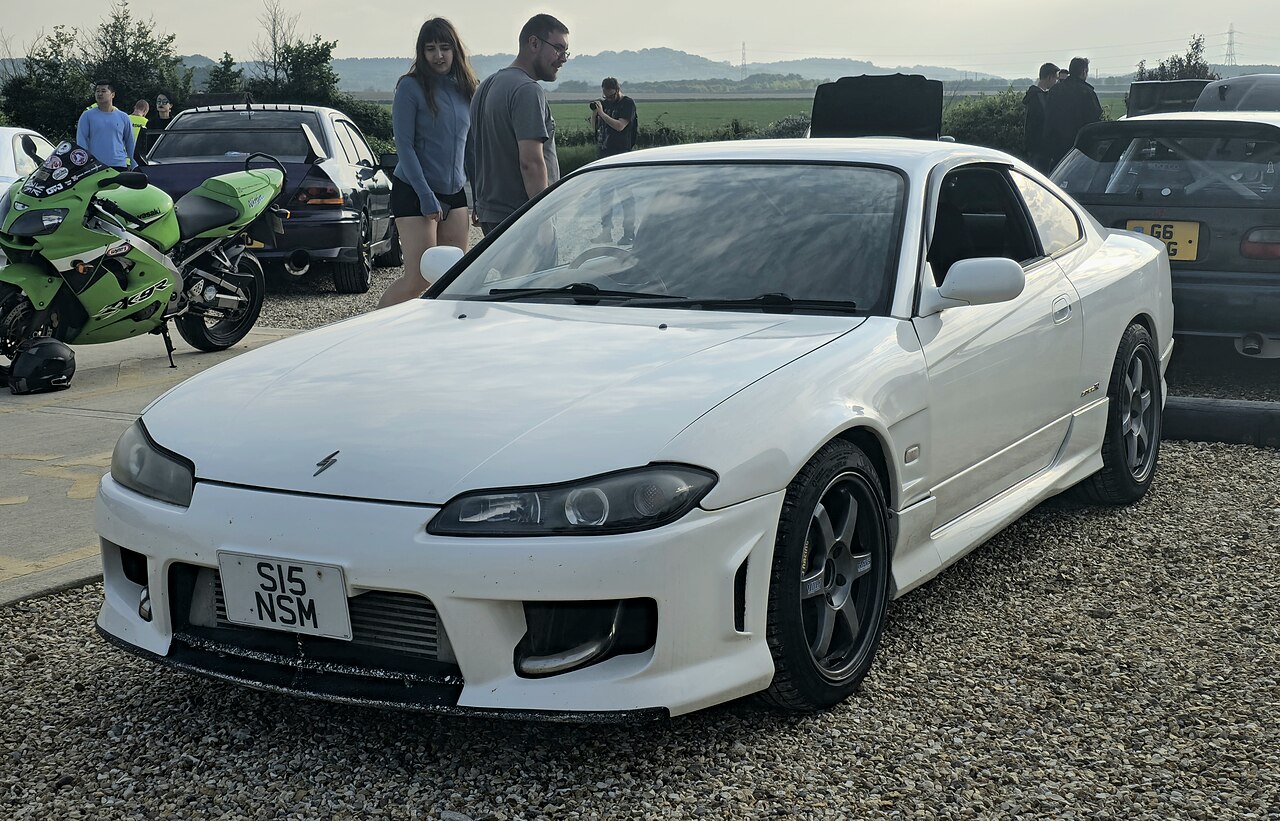
Nissan's 2.0-litre turbocharged four-cylinder, a drifting staple found in the Silvia and 180SX and a hugely popular swap engine.
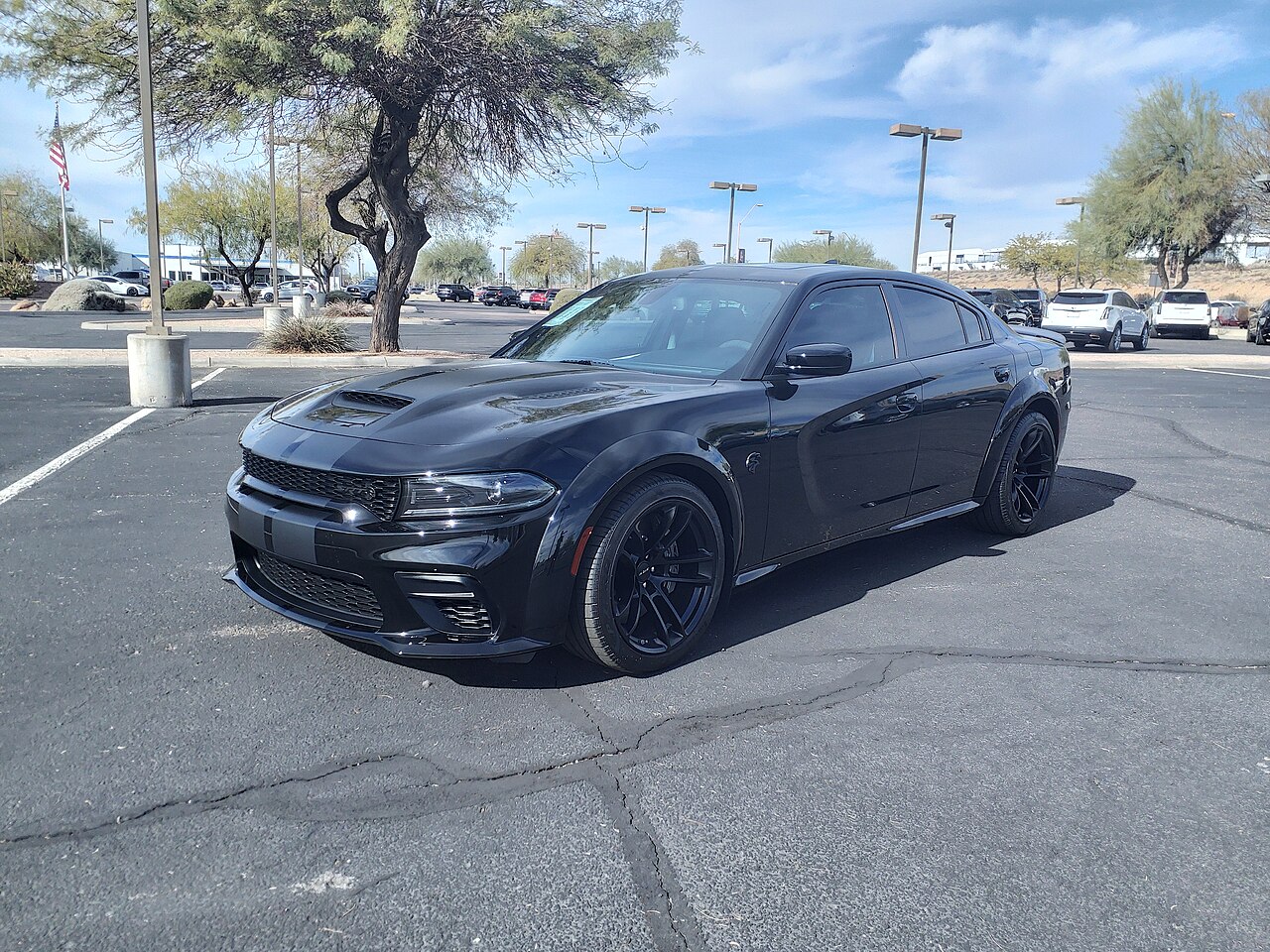
Street and Racing Technology, the in-house performance division behind Dodge, Chrysler, Jeep, and Ram's fastest models.
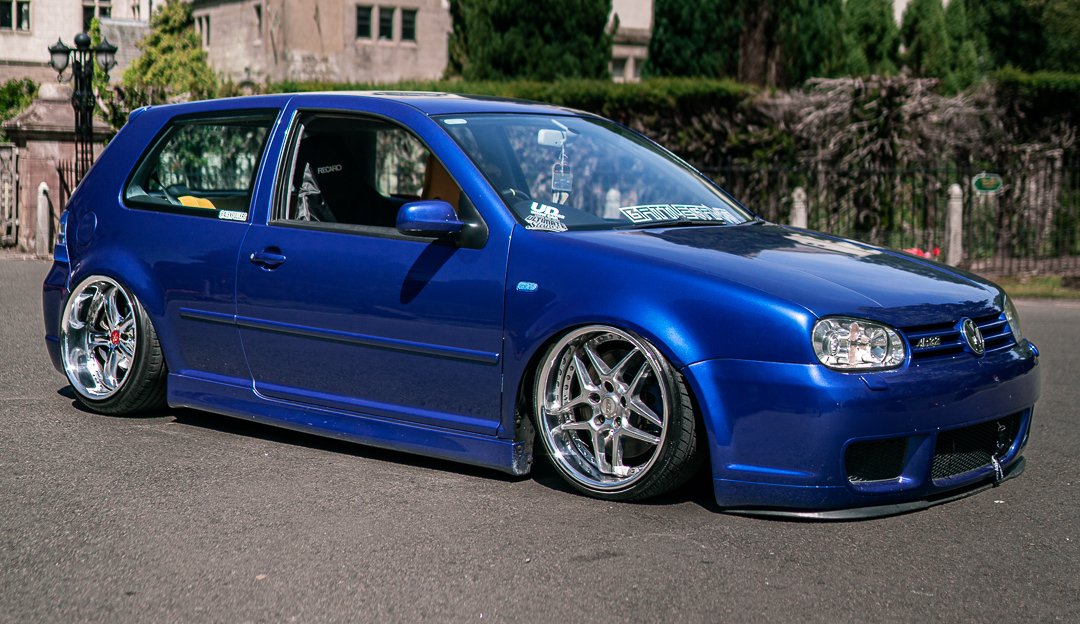
A wheel and tire configuration using wider rear wheels and tires than the front, common on rear-wheel-drive performance cars to optimize grip balance.
A modification style focused on aggressive ride height, wheel fitment, and camber, prioritizing aesthetic over function.
Annual stance car event series founded in 2010. The largest stance-focused car gathering in North America, with regional events globally.
A complete aftermarket engine management system replacing the factory ECU. Provides full programming flexibility for serious modifications.
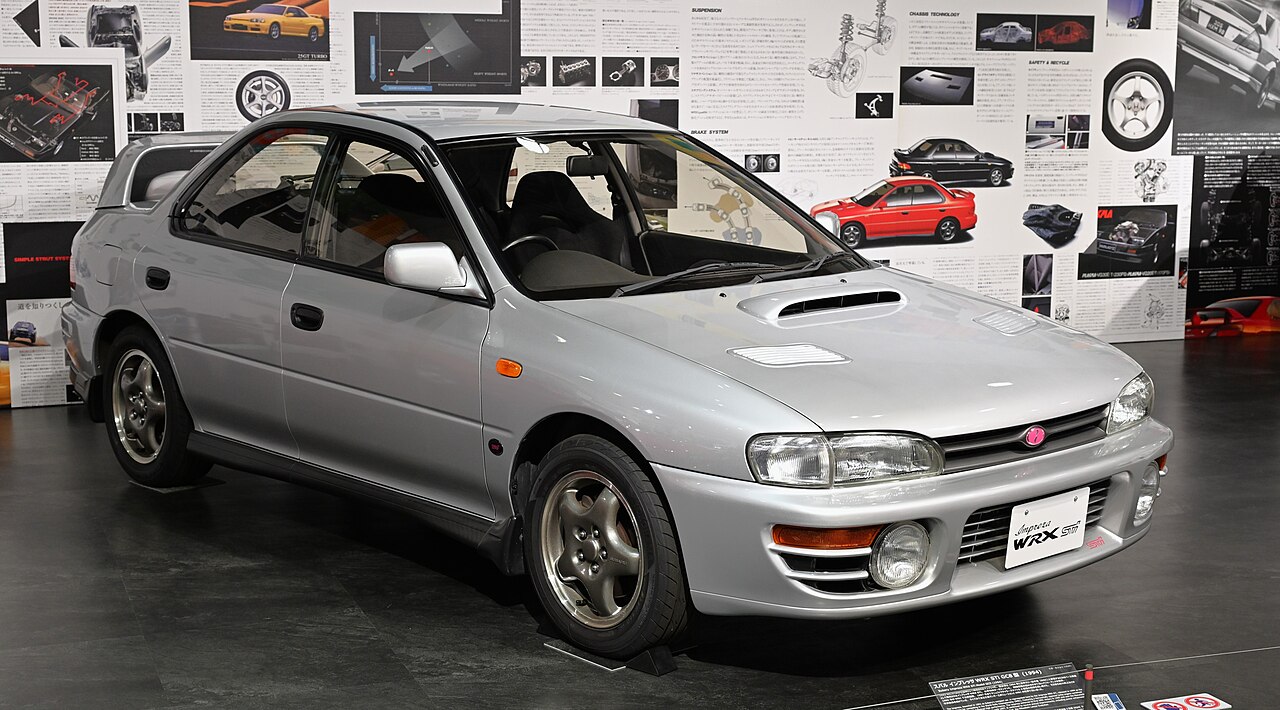
Subaru Tecnica International. Subaru in-house performance and motorsport division. Famous for WRX STI variants and rally racing programs.
A tire mounted on a wheel wider than the tire was designed for, pulling the sidewall inward at a visible angle.
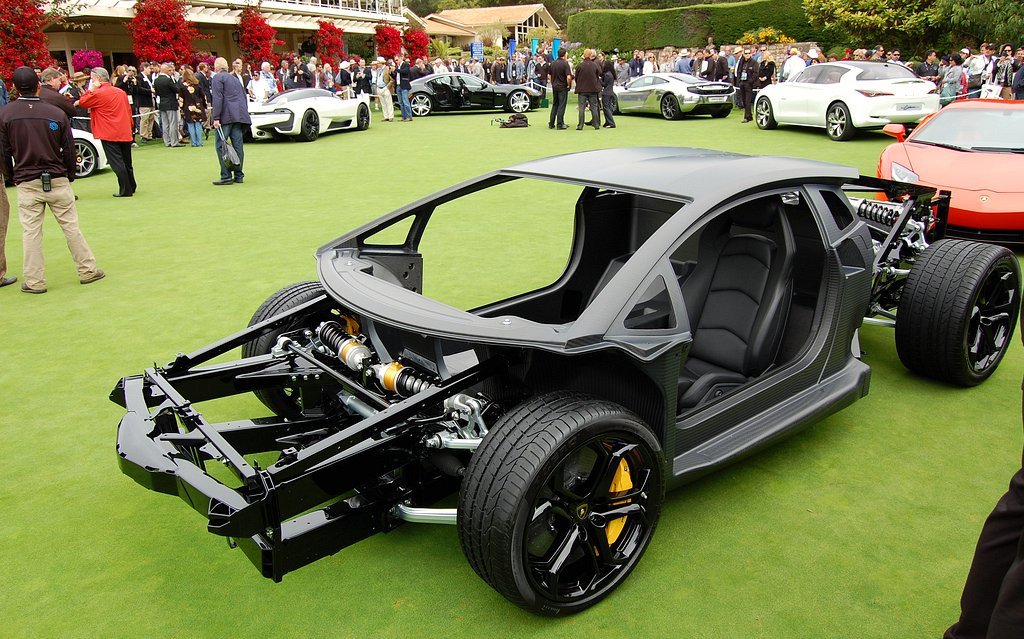
A separate structural component bolted to the main vehicle structure, typically supporting the engine, transmission, or suspension.
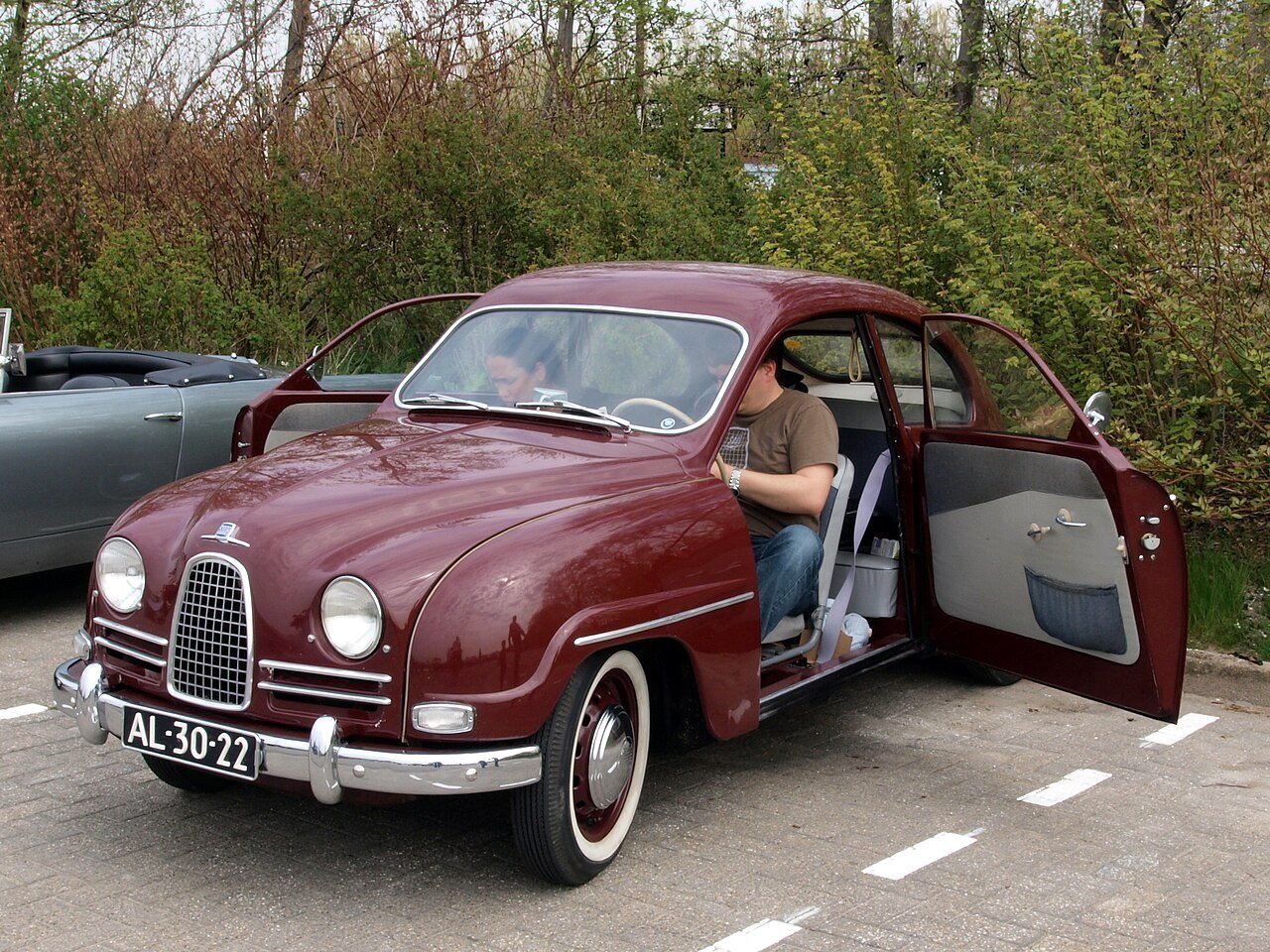
Suicide doors are rear-hinged doors that open backward against the direction of travel, a layout used historically on cars like the Lincoln Continental and revived on modern Rolls-Royce models.
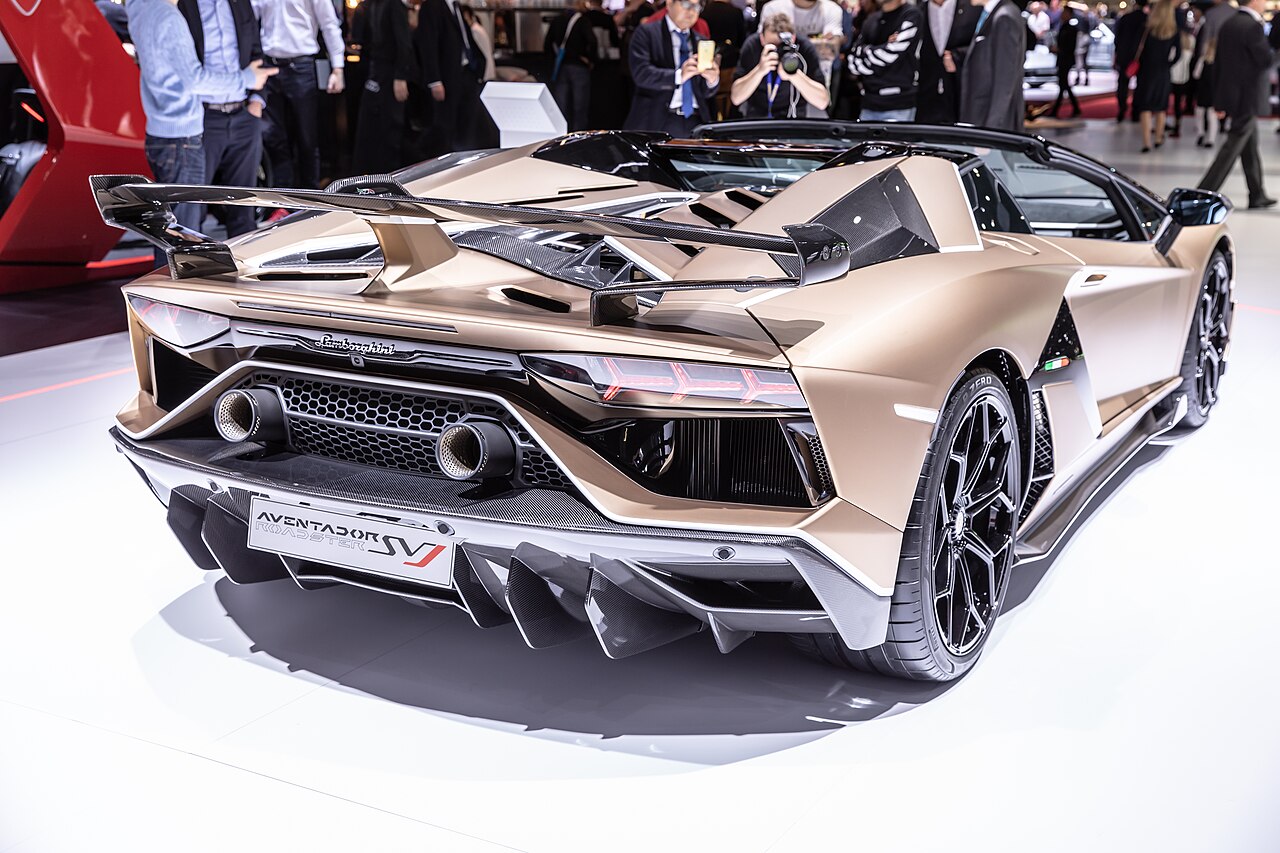
A high-performance two-seat sports car, typically mid-engine, with 500-700 horsepower and prices in the $200,000-$500,000 range.
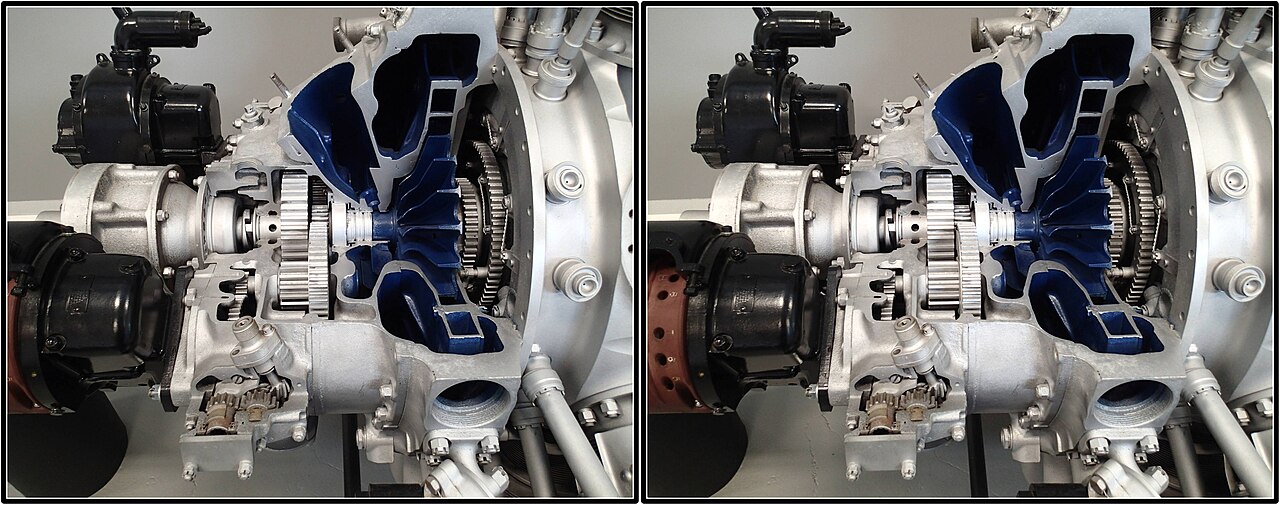
A supercharger uses engine power (via a belt) to drive a compressor, forcing more air into the engine. Faster response than turbo but less efficient.
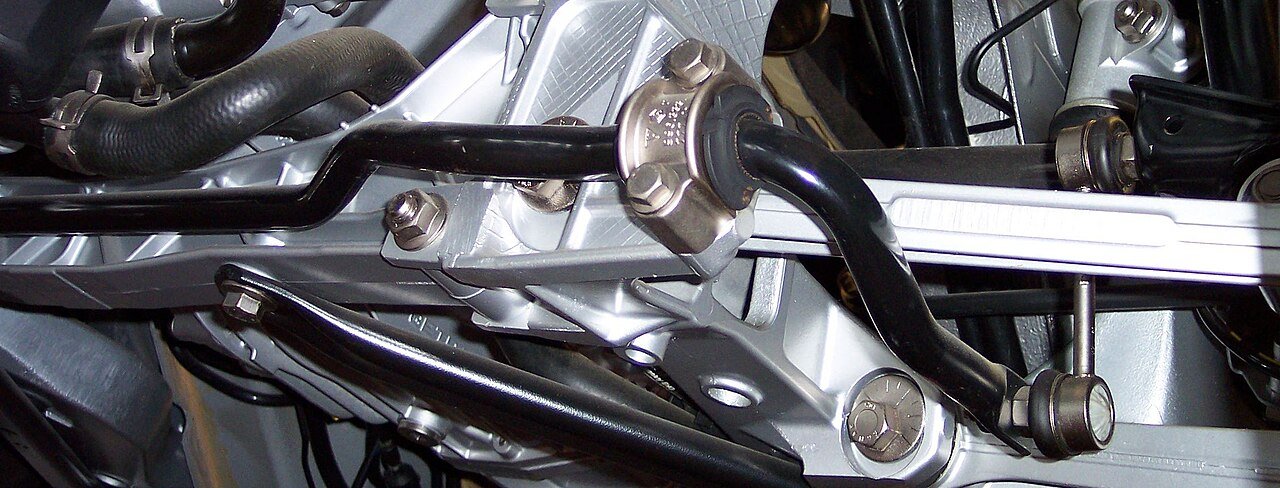
Anti-roll bar. A torsion bar connecting left and right suspension to reduce body roll during cornering.
T
Two cars drifting in close proximity, with the lead car setting the pace and the chase car following inches behind. Common in competitive drift.
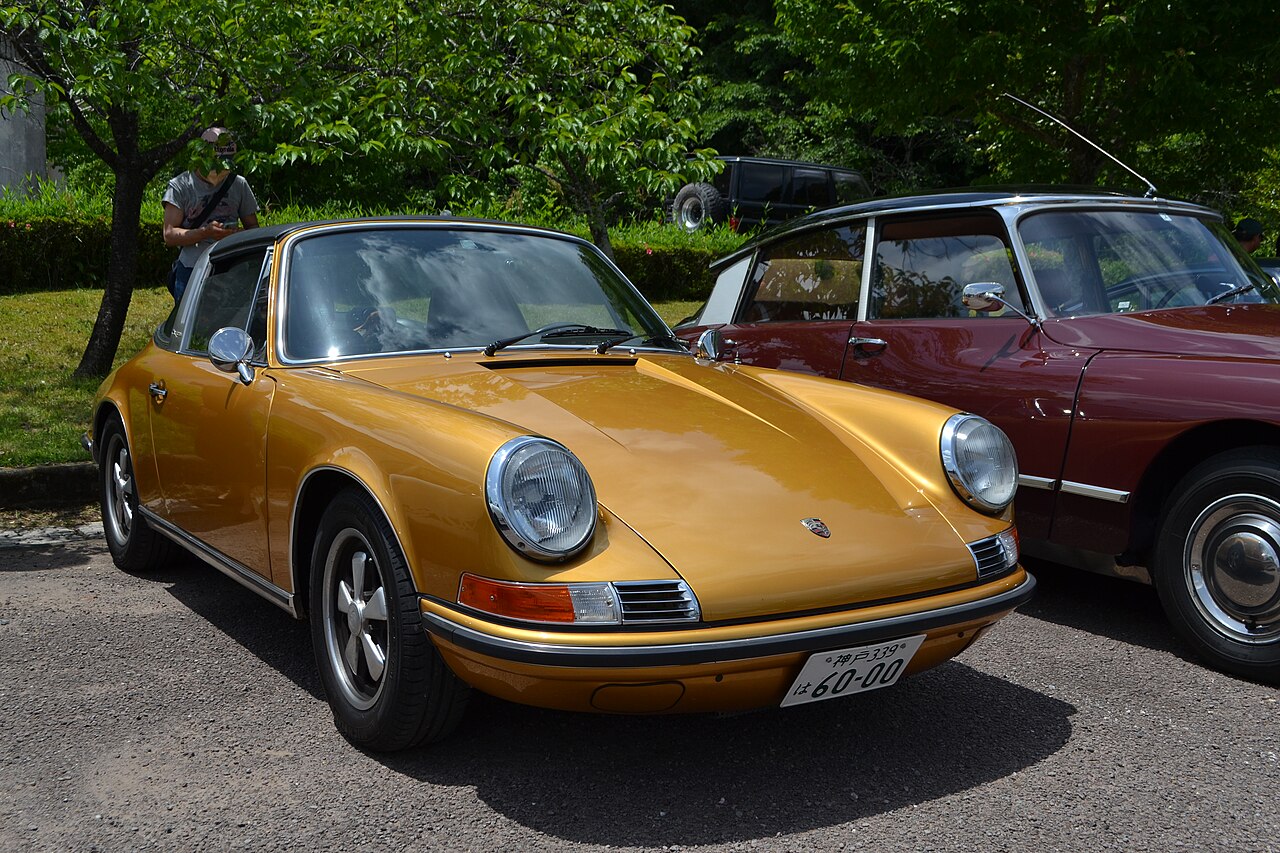
A semi-convertible body style with a removable roof panel above the seats but a fixed rear roof or window. Originated by Porsche on the 911 in 1965.
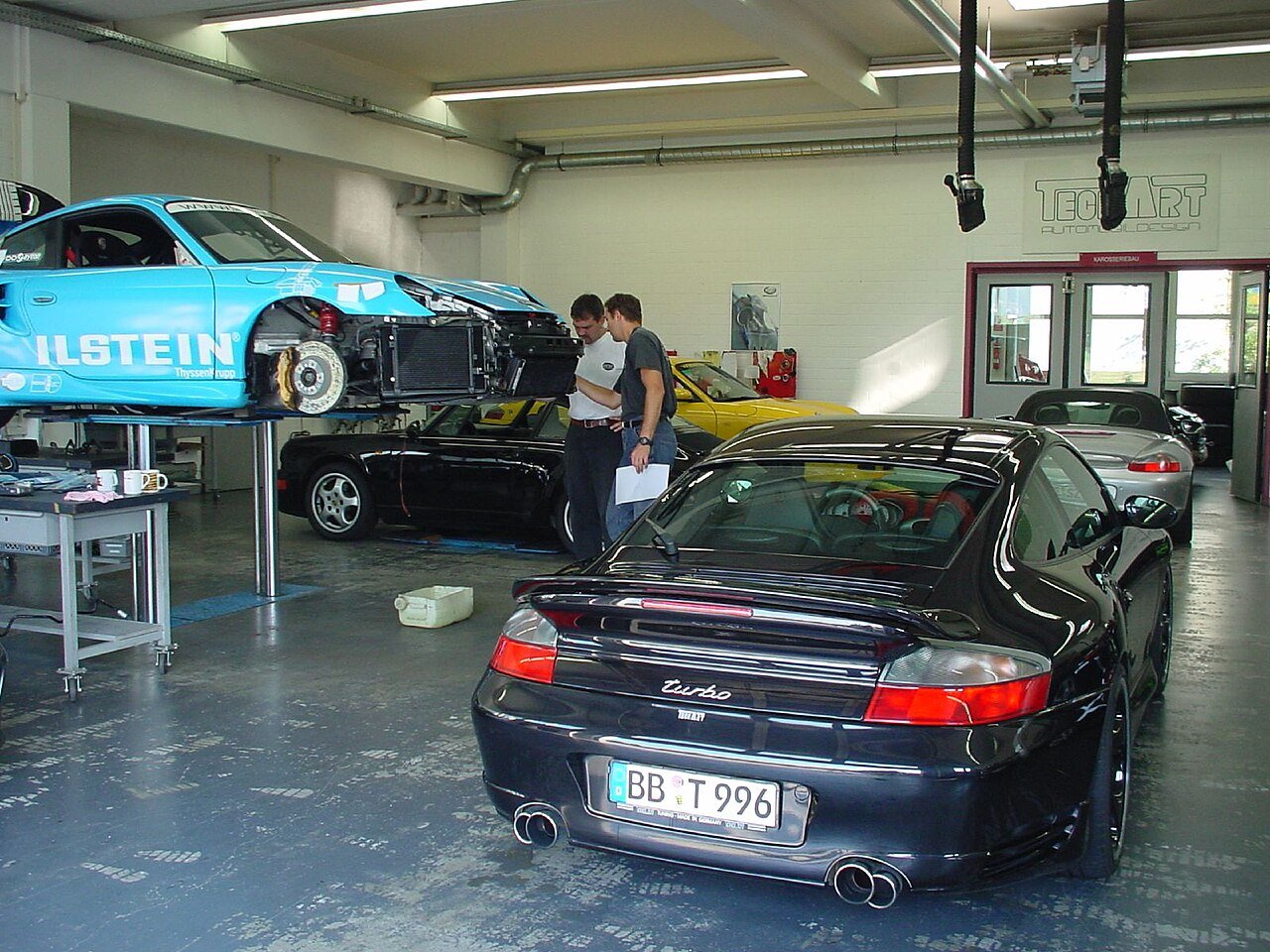
A German tuning house specialising in Porsche, offering bespoke styling, interior and performance upgrades as a registered vehicle manufacturer.
A motorsport format where competitors aim for the fastest single lap on a closed circuit, with cars typically heavily modified for outright pace.
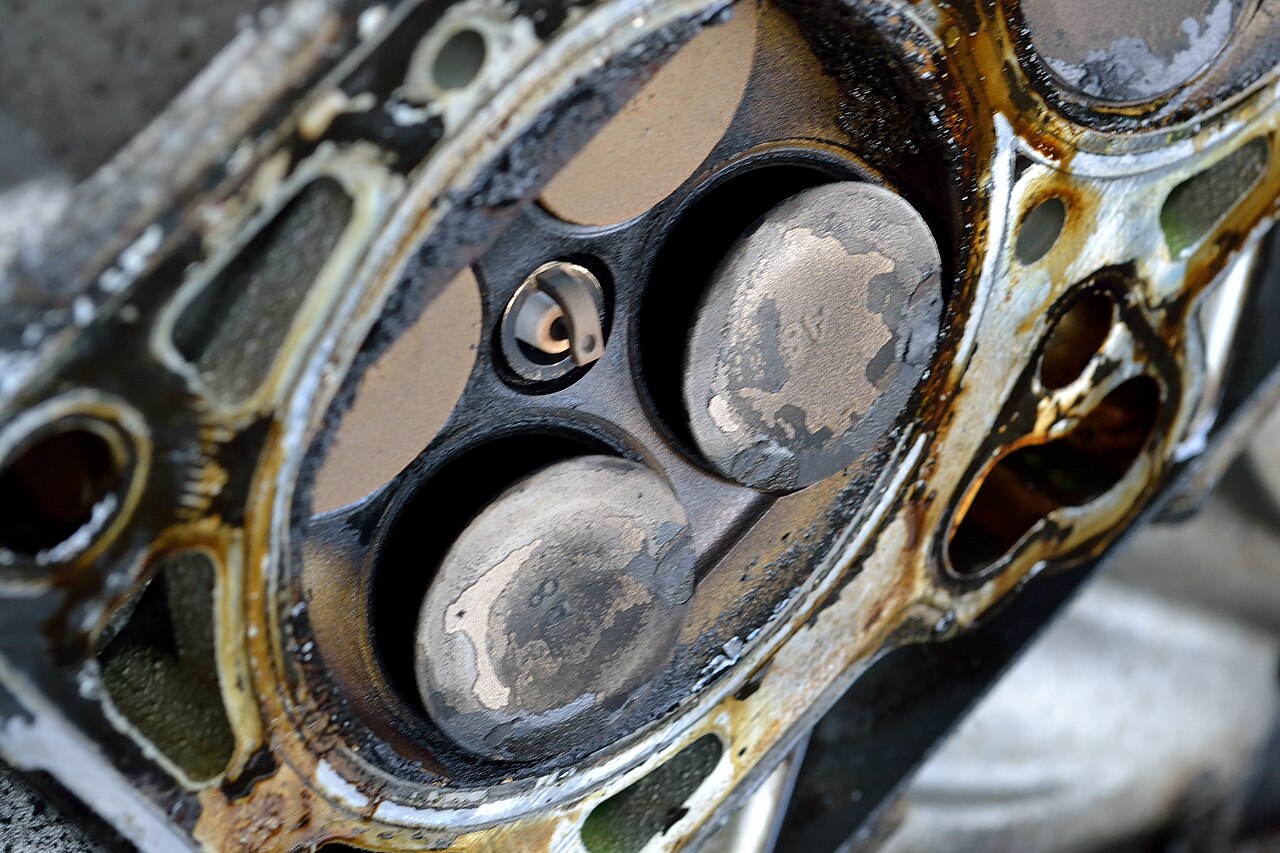
A rubber belt that synchronizes the camshaft with the crankshaft. Common in older engines. Replacement at specified intervals is critical.
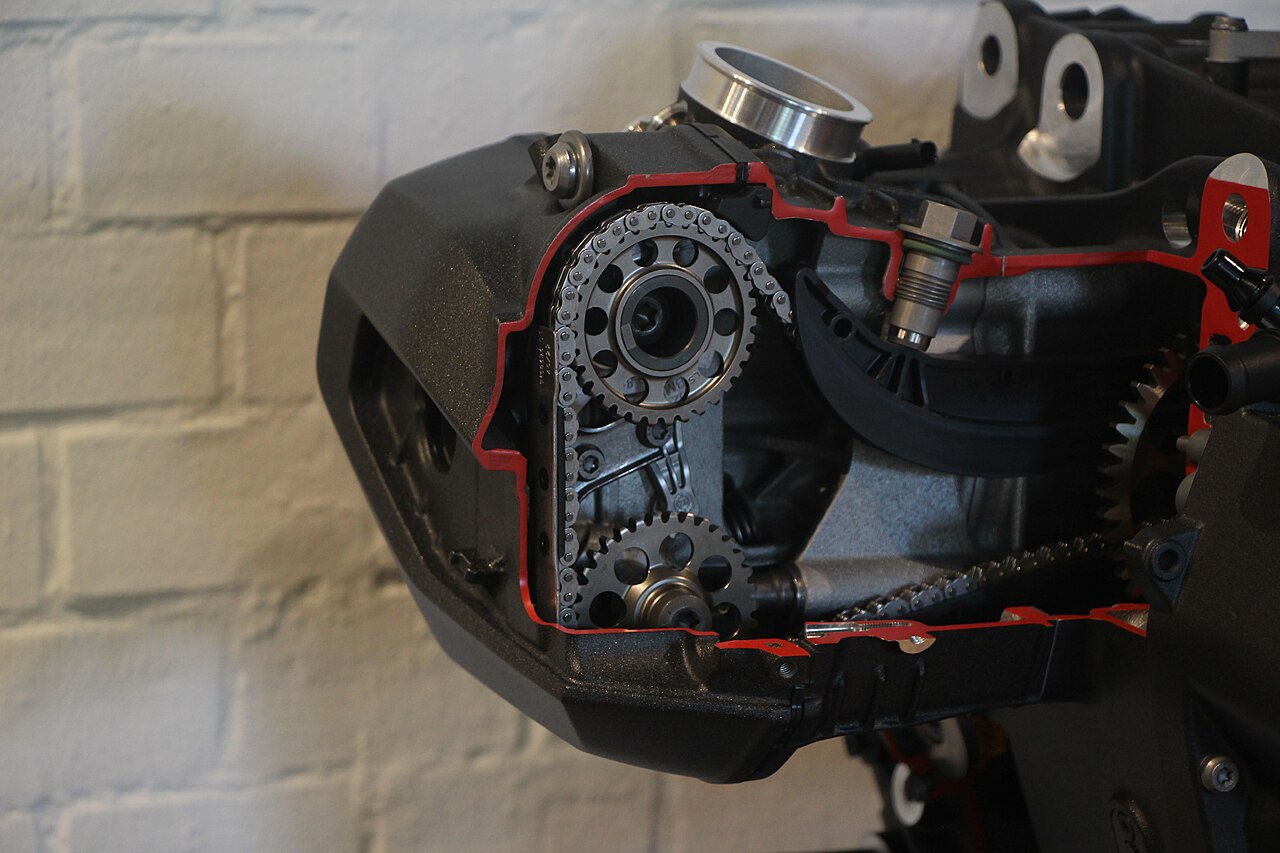
A metal chain that synchronizes the camshaft with the crankshaft. More durable than belts, typically lasting the engine life with periodic inspection.
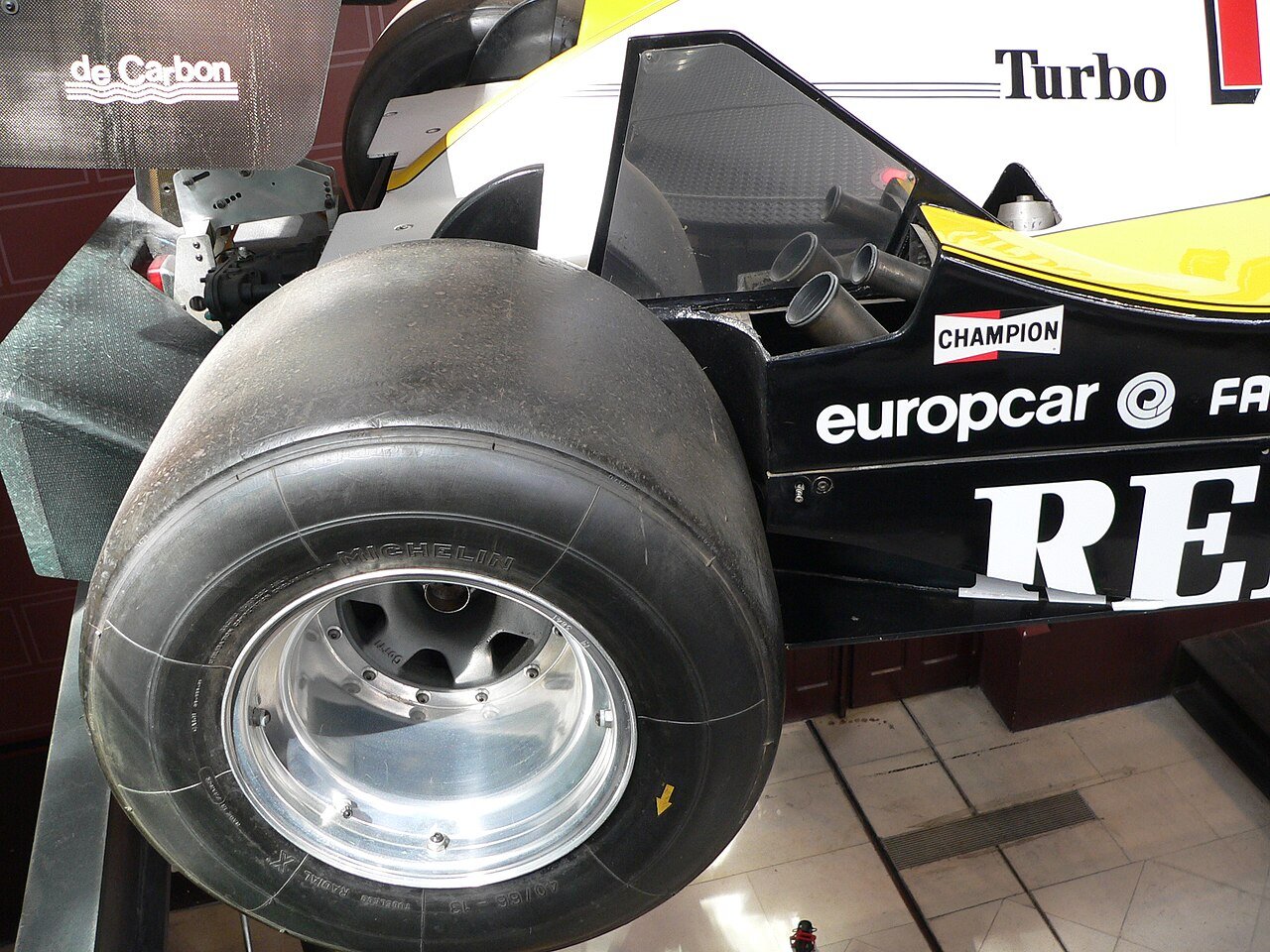
The chemical rubber mixture used in a tire's tread, determining its grip level, wear rate, and operating temperature range.
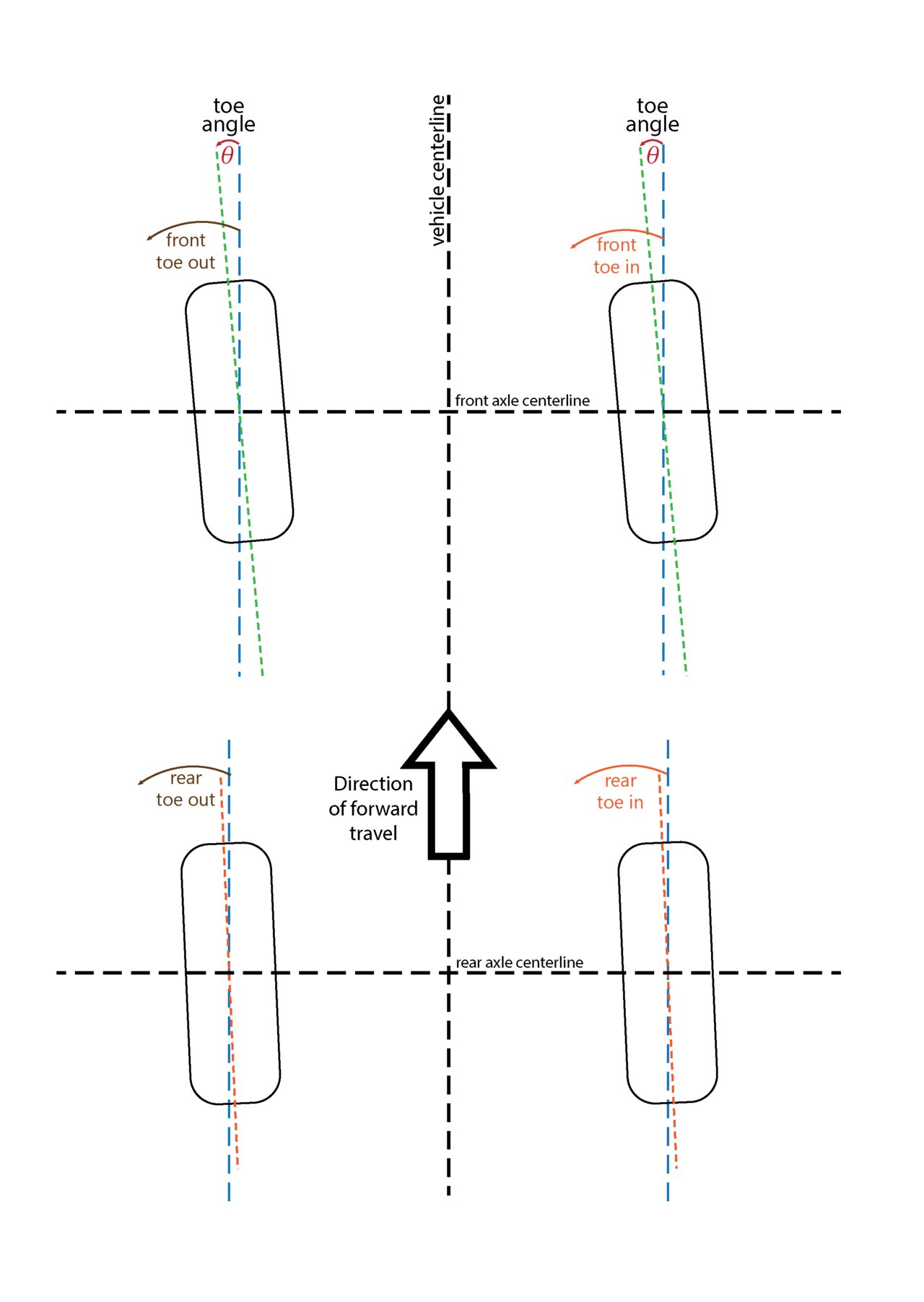
The degree to which the front or rear wheels point inward (toe-in) or outward (toe-out) when viewed from above, directly affecting tire wear, stability, and turn-in response.
Torque is the rotational, twisting force an engine produces, and it is the main factor behind low-speed acceleration and towing capability.
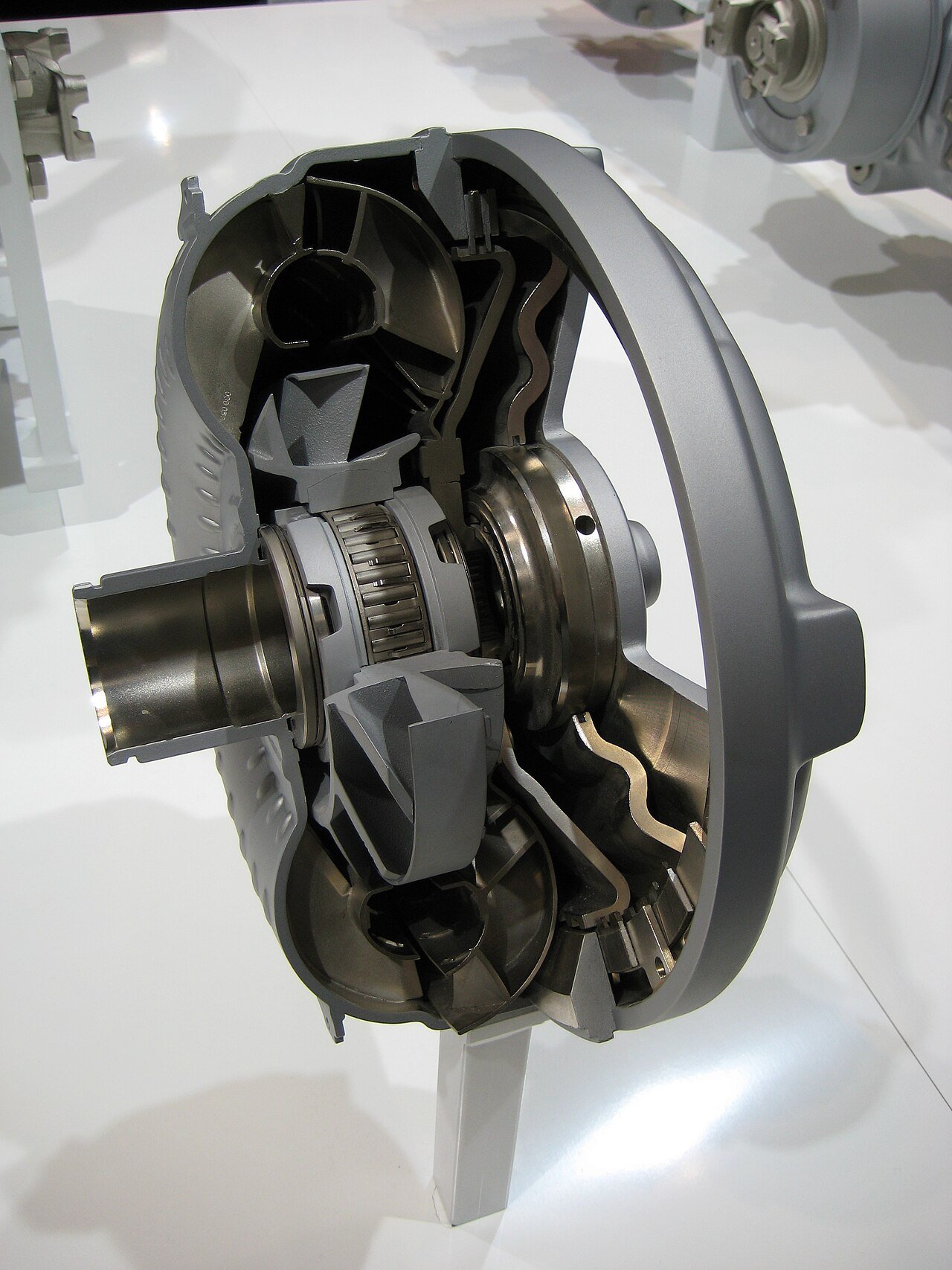
A torque converter is a fluid coupling that transfers power from the engine to an automatic transmission without a mechanical clutch, using spinning fluid to multiply torque at low speed.
Torque steer is the tendency of a powerful front-wheel-drive car to pull or tug the steering wheel to one side under hard acceleration, caused by uneven power delivery through the front driveshafts.
Torque vectoring is a technology that varies how much power is sent to each individual wheel to improve cornering grip and stability.
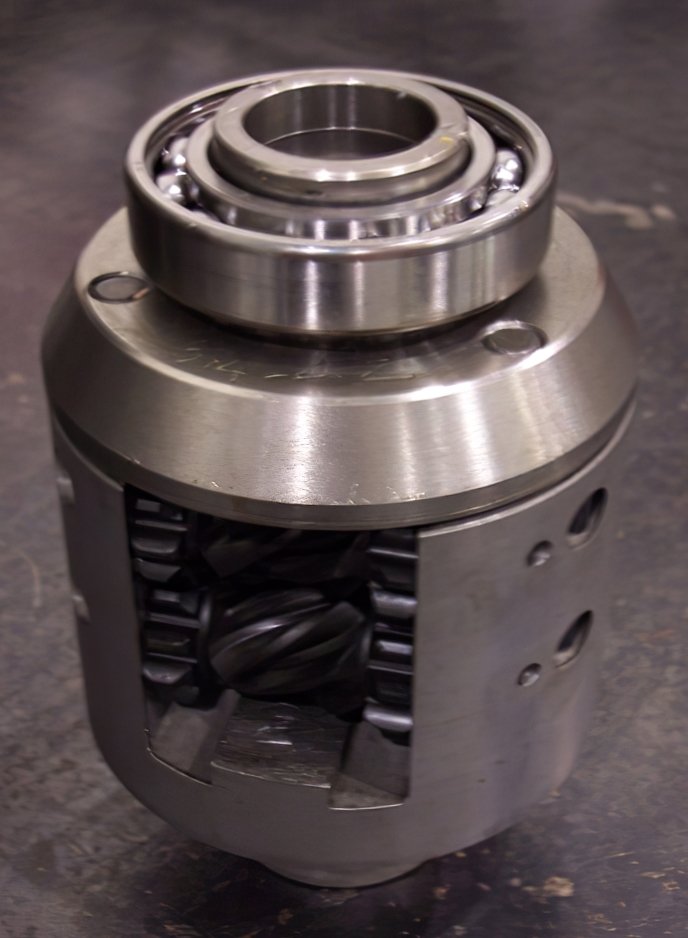
A Torsen is a torque-sensing mechanical limited-slip differential that uses worm and helical gears instead of clutches to send power toward the wheel with the most grip.

Japanese mountain road driving, traditionally on tight winding passes. Origin of drift culture and many JDM driving traditions.
An event where amateur drivers can drive their cars on a closed racing circuit. Typically organized by clubs with safety briefings and run group structure.
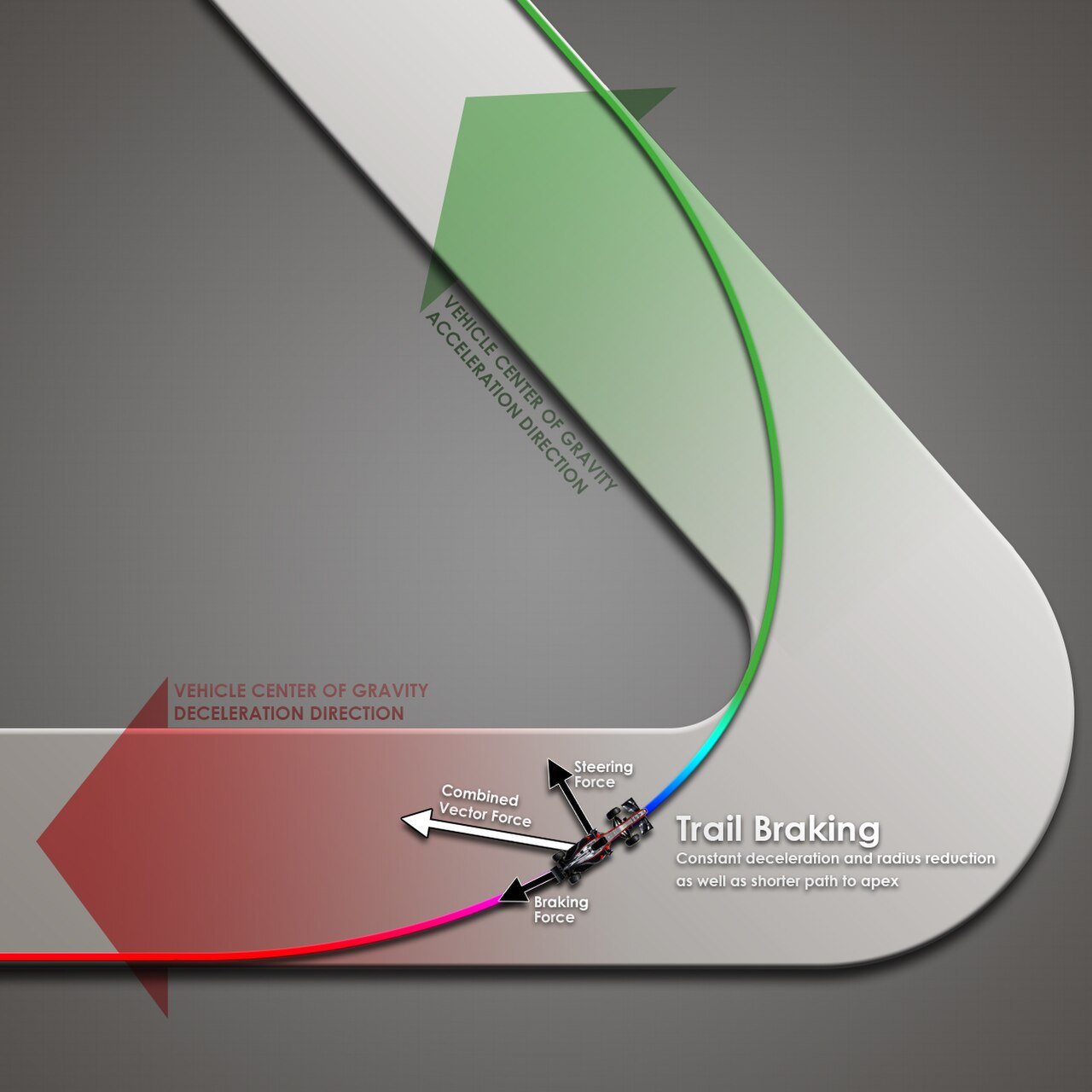
An advanced technique of gradually easing off the brakes while turning into a corner, blending braking and cornering for more speed and control.
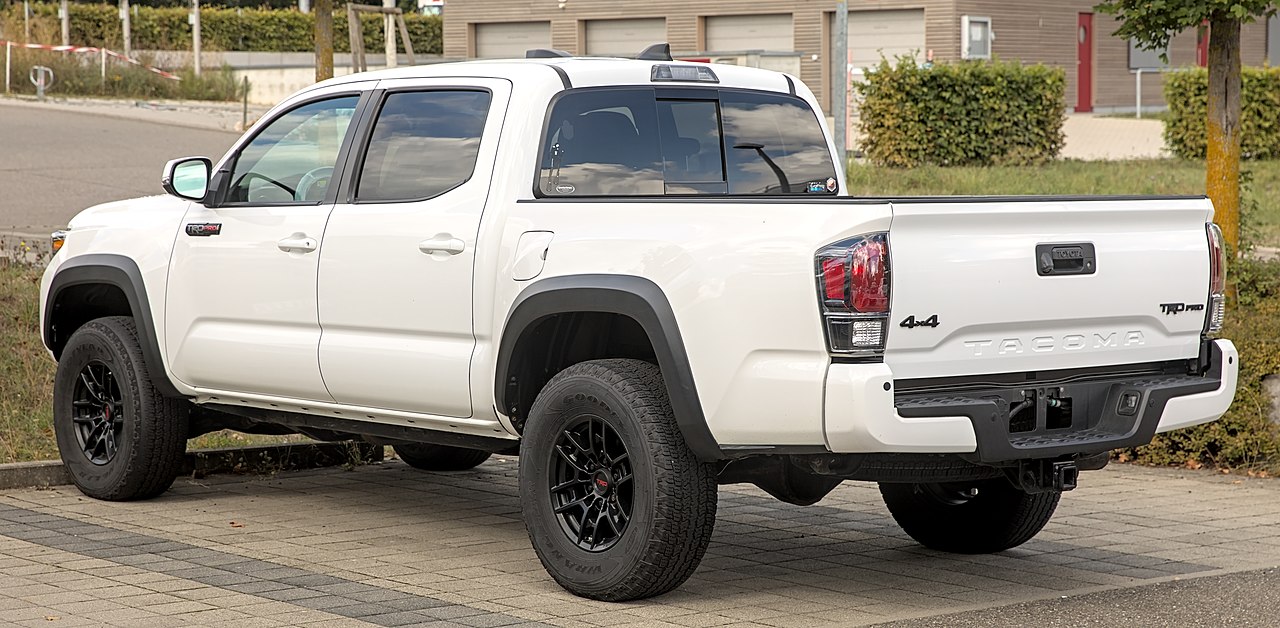
Toyota Racing Development. Toyota in-house performance and motorsport division. Produces TRD-branded parts and complete performance variants.
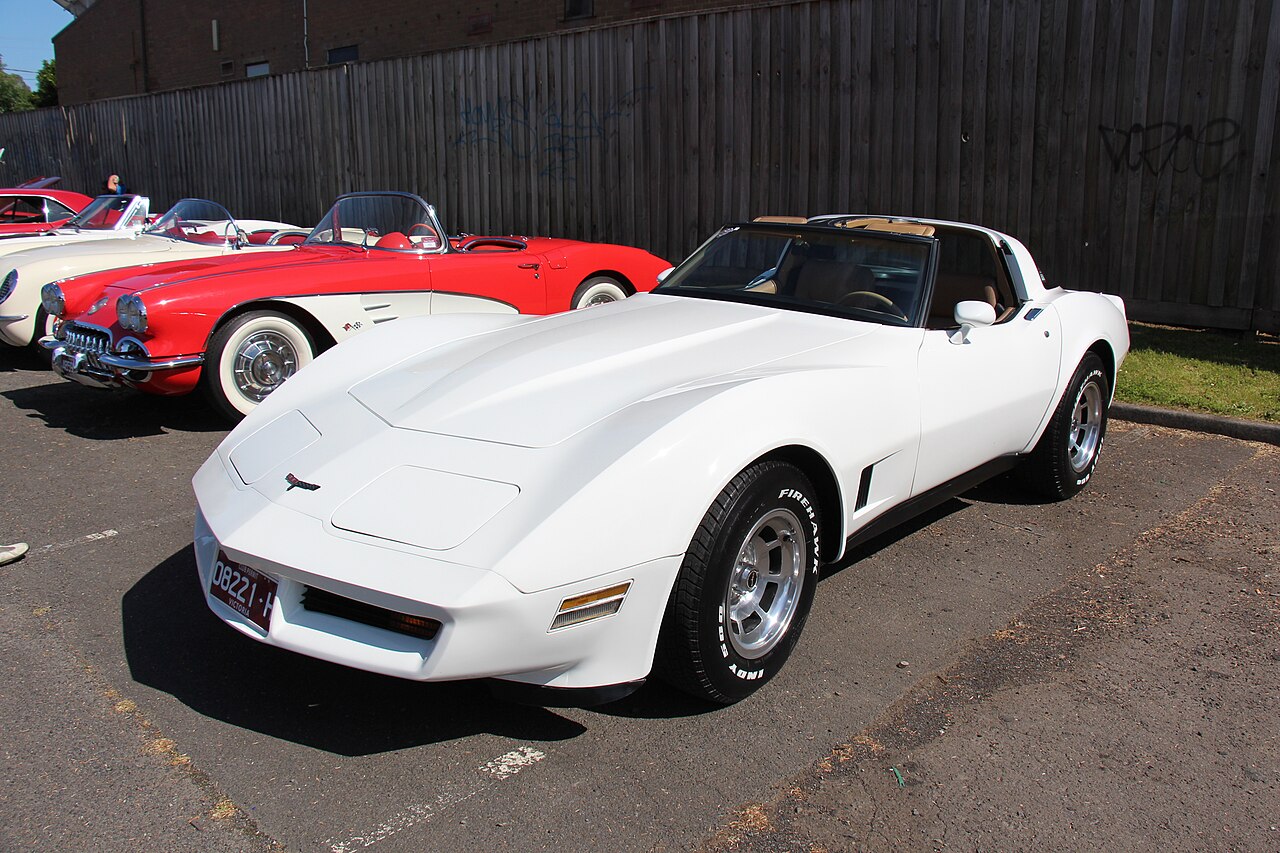
A roof design with two removable panels separated by a center brace. Common in 1970s-80s American muscle and sport cars.
Wheel fitment where the tire sits inside the fender line, so the fender lip covers the top edge of the wheel.
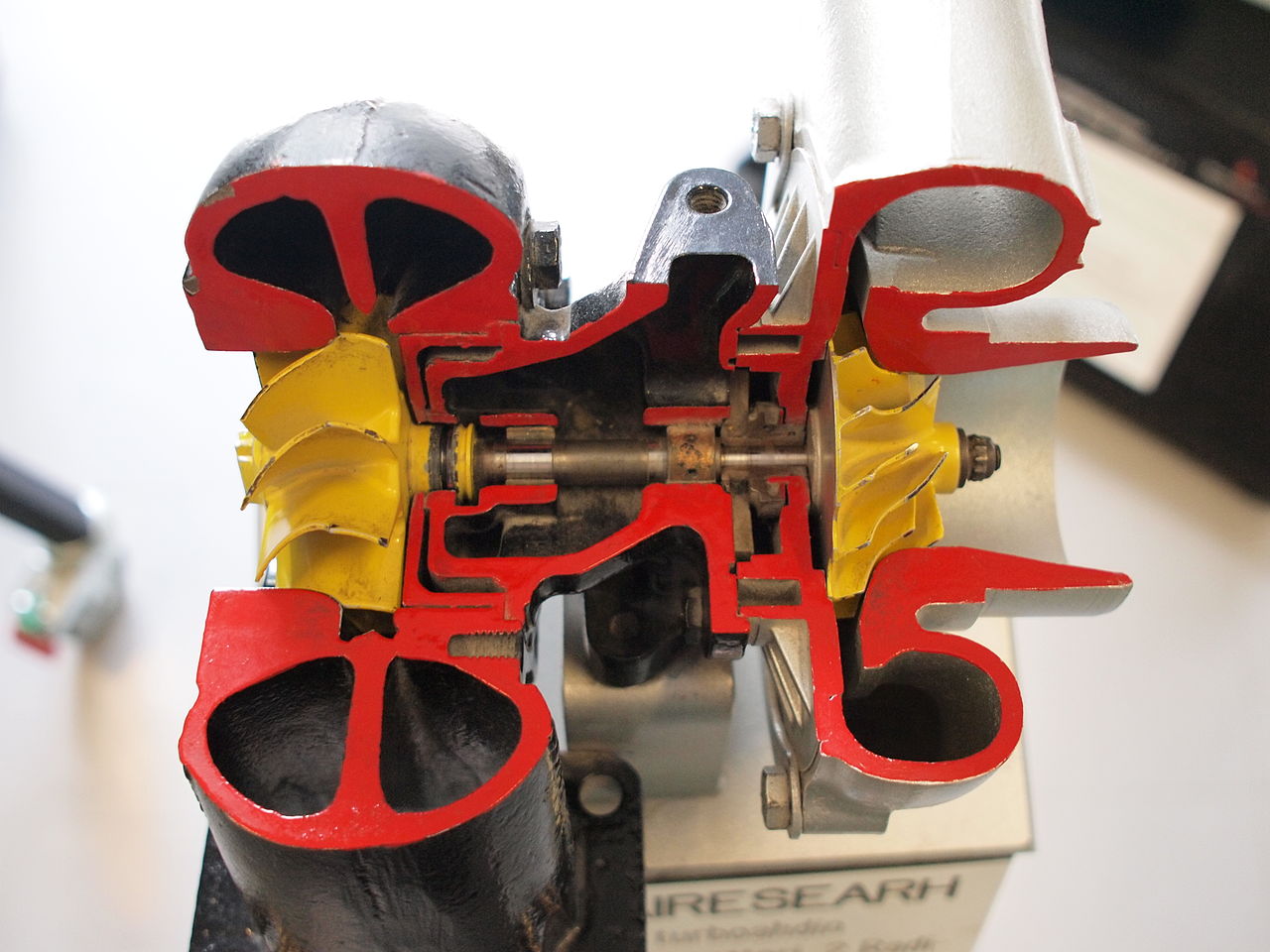
A turbocharger uses exhaust gas to spin a compressor, forcing more air into the engine. The result is significantly more power from the same displacement.
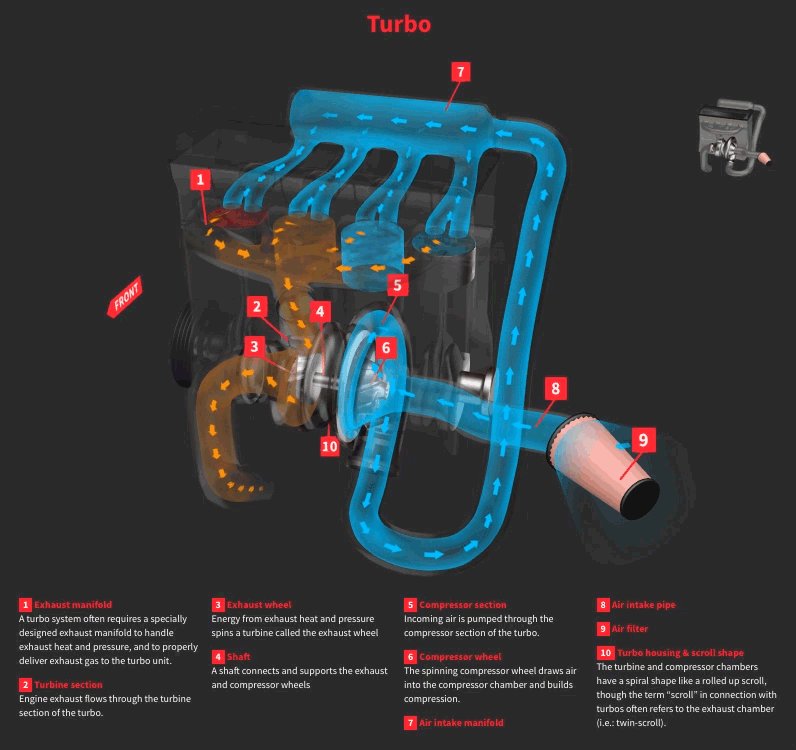
A turbocharger design that divides the exhaust housing into two separate scroll passages, pairing cylinders so exhaust pulses do not interfere with each other, improving spool speed and efficiency.
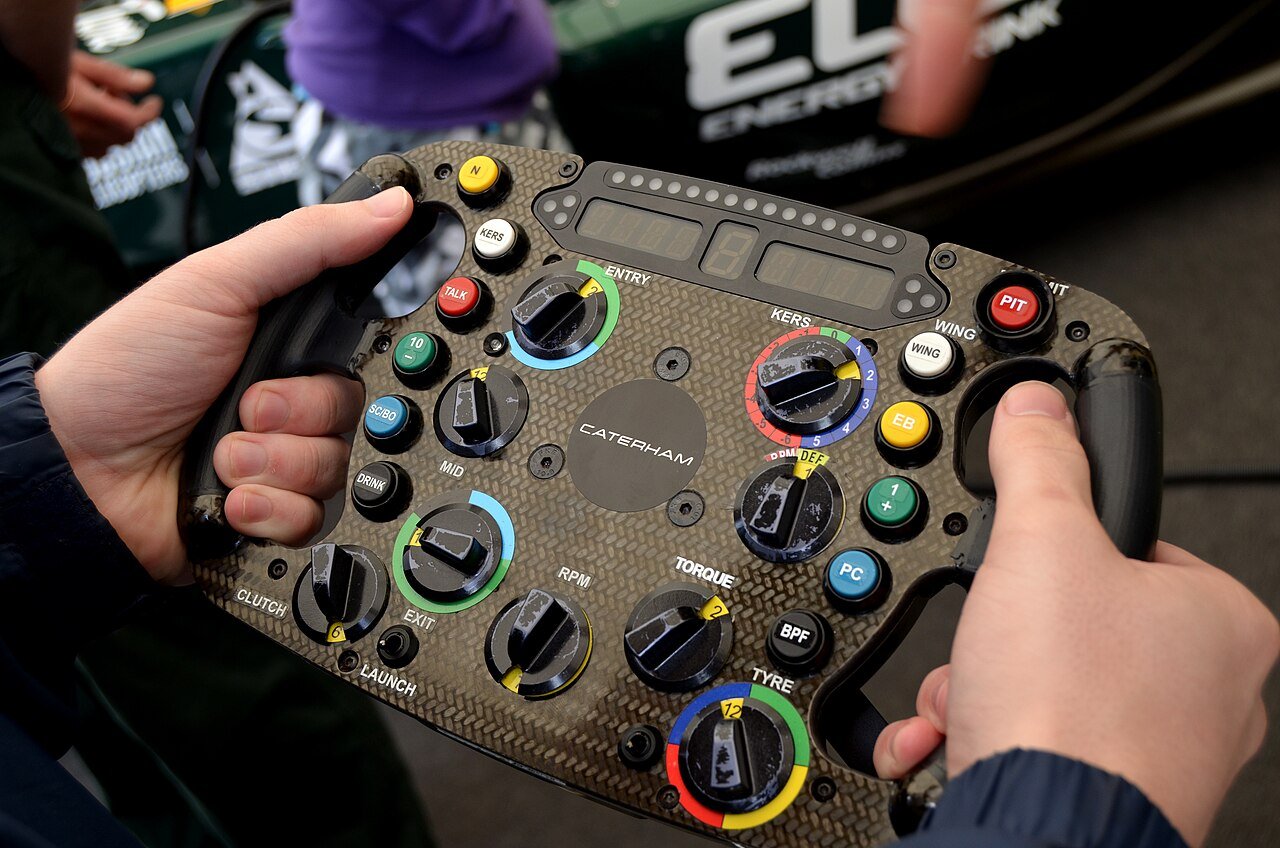
A two-stage rev limiter system. The first stage holds engine RPM at launch level; the second is the regular redline. Used for drag racing launches.
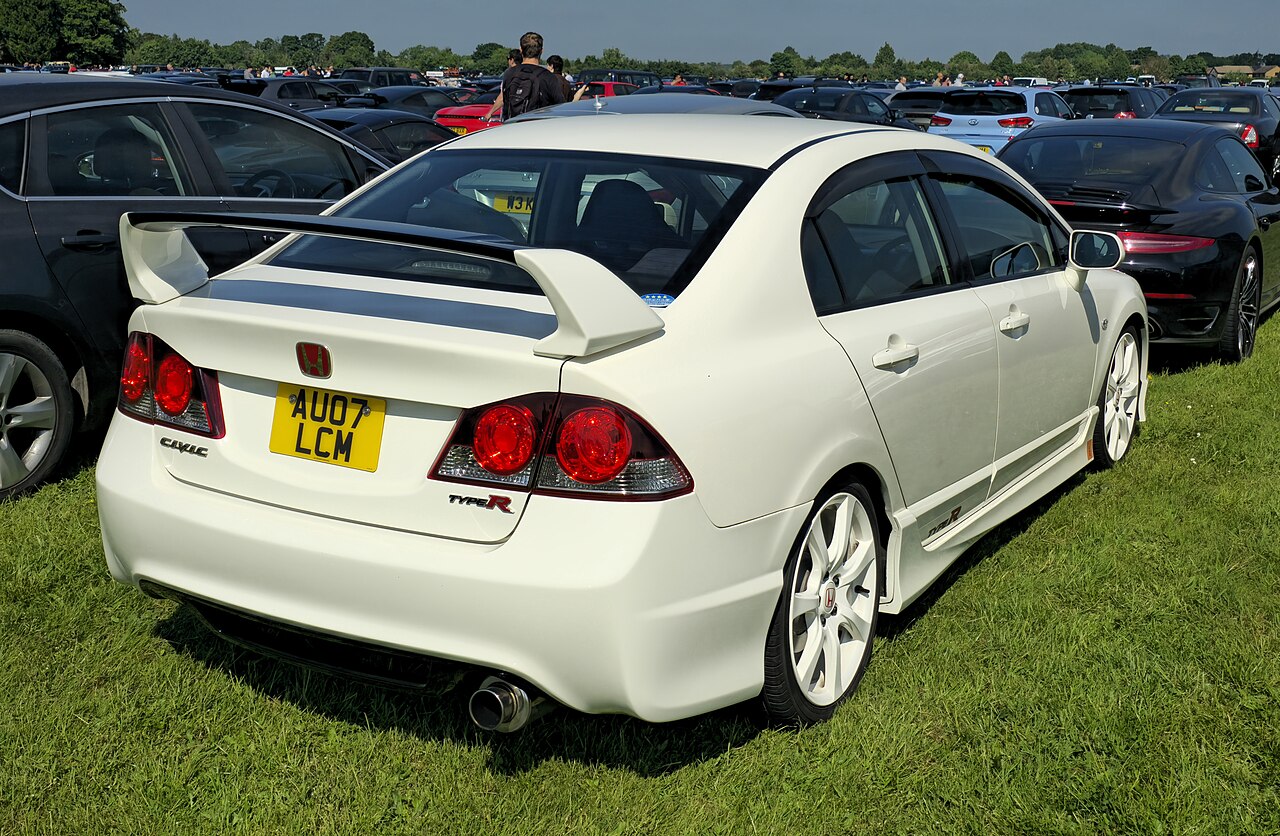
Honda performance designation for the most extreme variants of select models. The original NSX-R (1992), Integra Type R (1995), and Civic Type R lineage.
U
A handling condition where the front of the car continues straight despite steering input. Common in front-drive cars and slow-corner conditions.
Unibody, or unitized body, construction is a design where the body and frame are built as a single integrated structure rather than separate components.
Unsprung weight is the mass of components not supported by the springs, such as wheels, tires, and brakes, and reducing it generally improves handling and ride quality.
United States Domestic Market. Refers to vehicles, parts, and styling sold or used in the US. Counterpart to JDM and EDM.
V
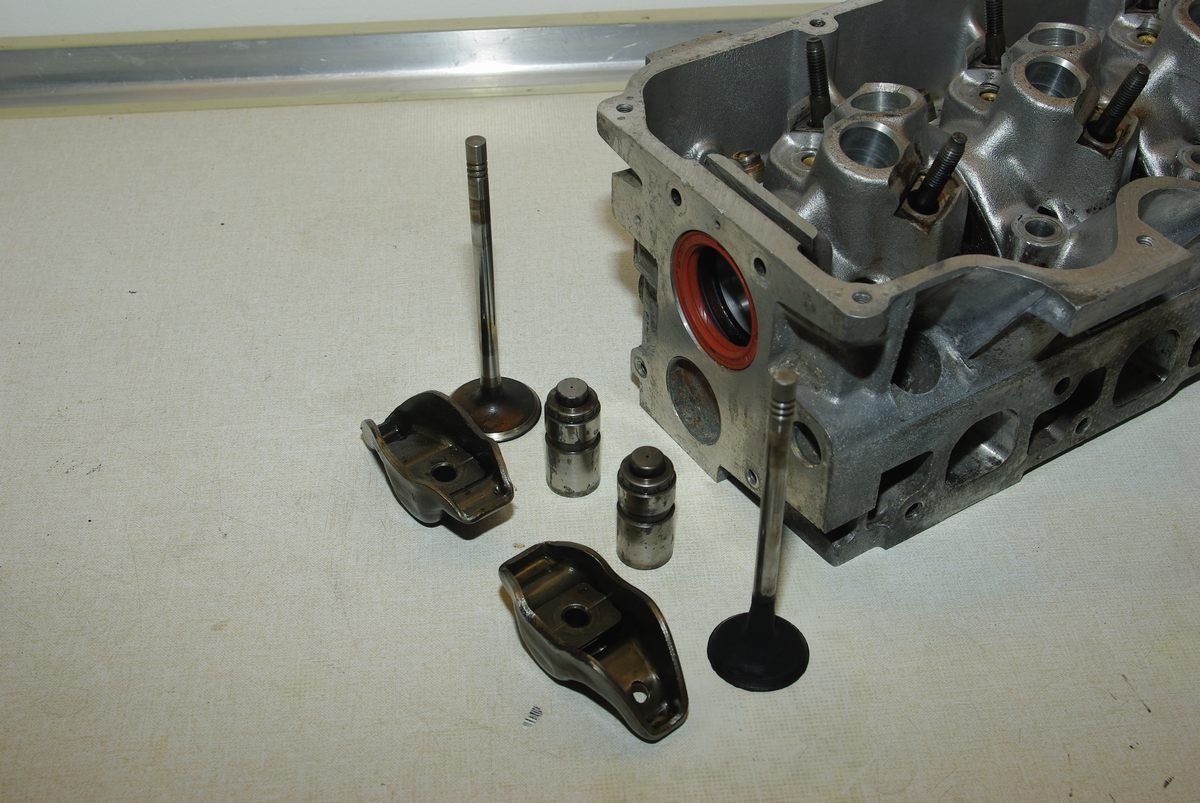
Setting the clearance between the valves and the camshaft (or rocker arm). Required periodically on engines with mechanical valve trains.
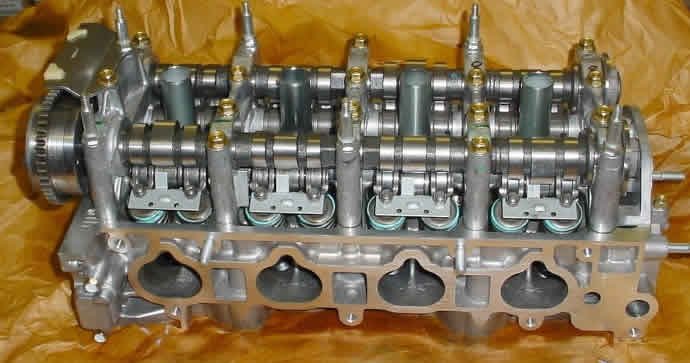
A technology that continuously or step-changes the timing of intake and exhaust valve opening events relative to crankshaft position, broadening an engine's power and torque delivery across the RPM range.
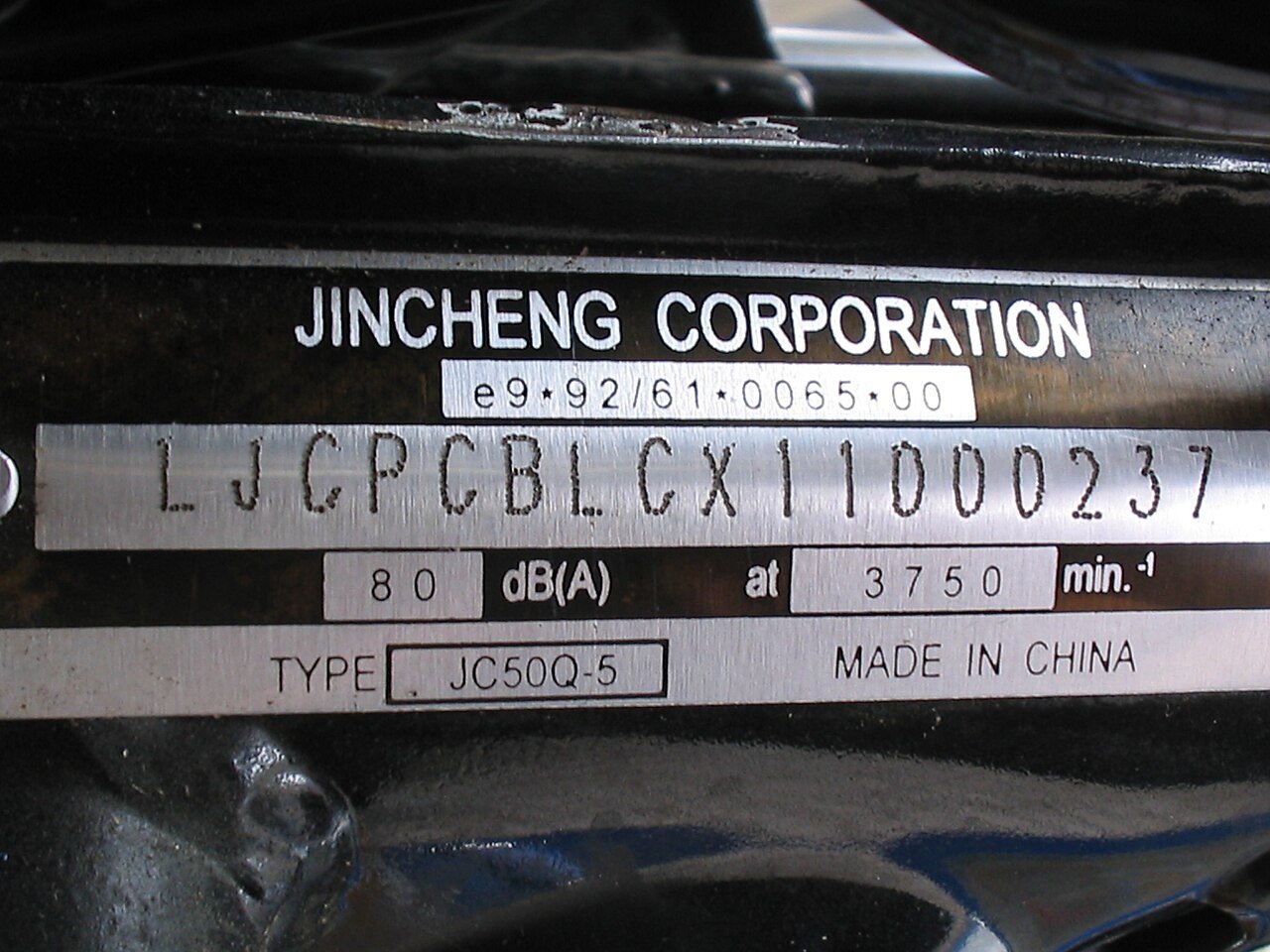
A VIN, or Vehicle Identification Number, is the unique 17-character code assigned to every road vehicle, encoding its manufacturer, specifications, and production details for identification and history checks.
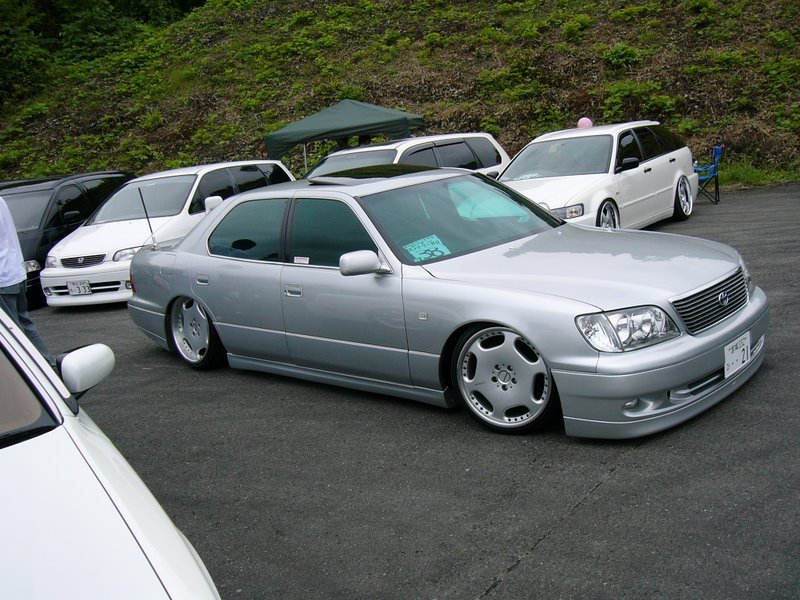
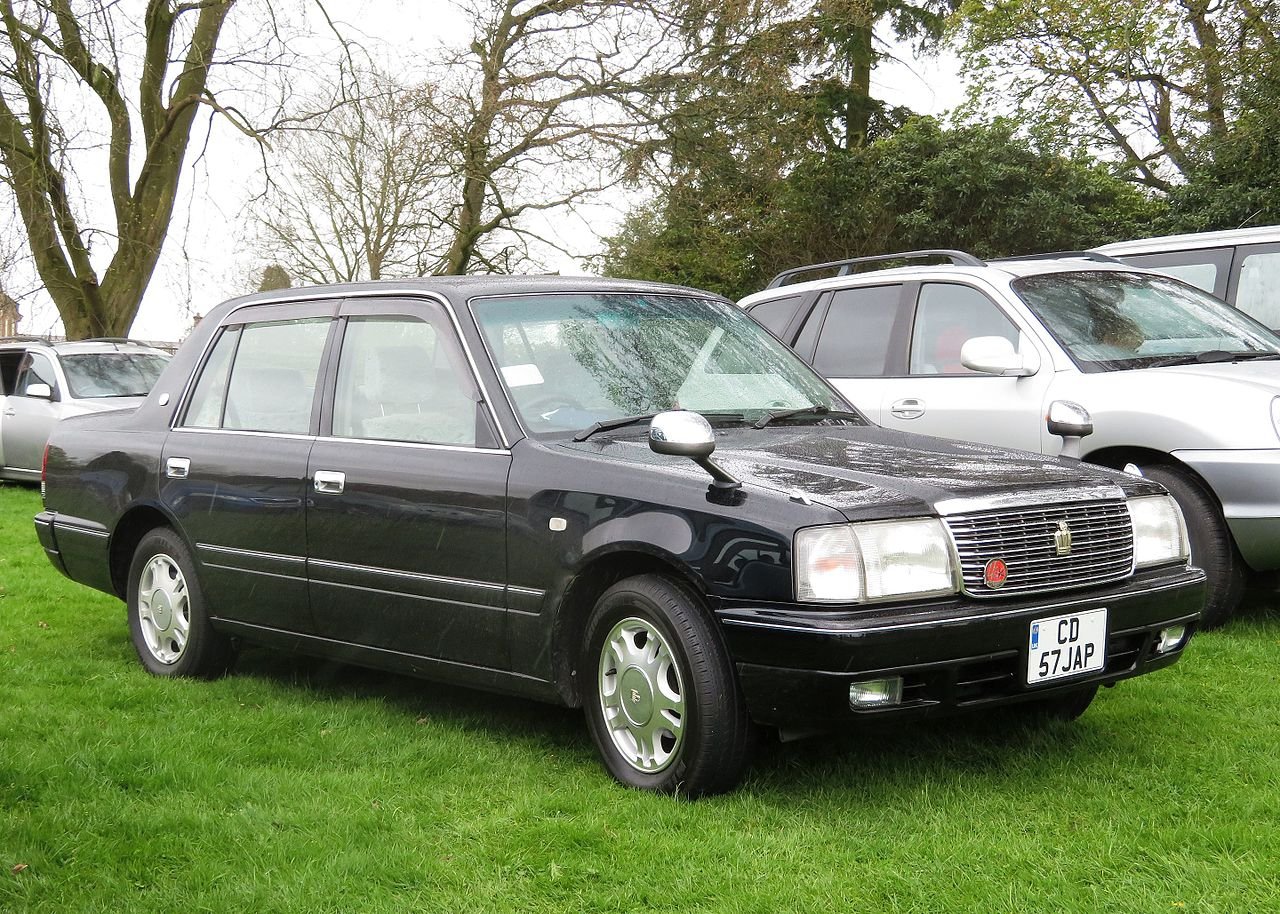
Japanese luxury sedan modification style with extreme low stance, oversized wheels, body kits, and premium interior work. Originated with Toyota Crown and Celsior.
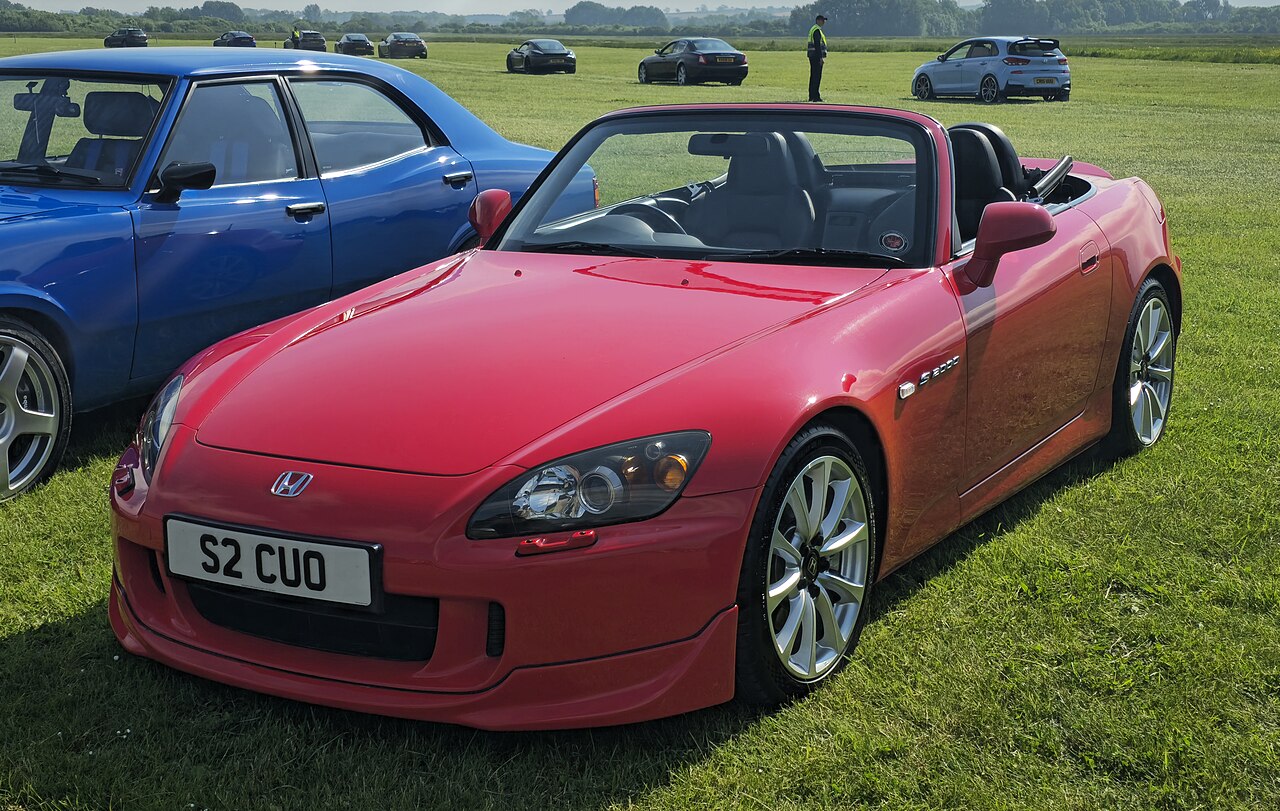
Honda's Variable Valve Timing and Lift Electronic Control system, which switches between two cam profiles at a set RPM to optimize low-end torque and high-RPM power.
W
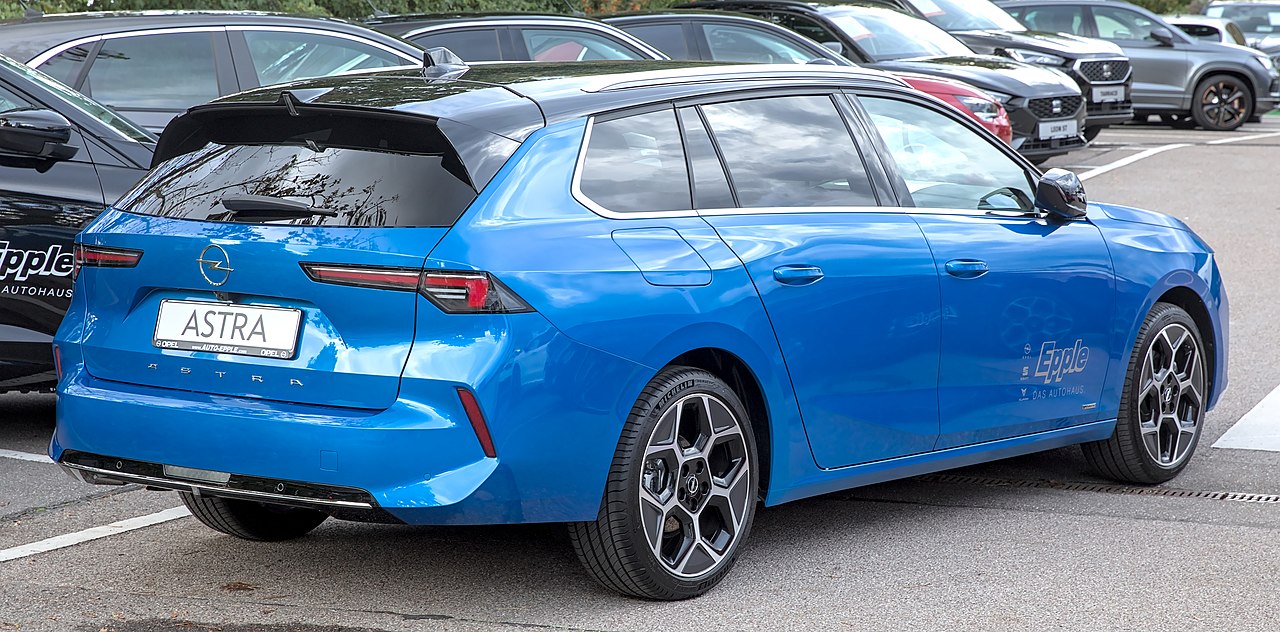
A car body style with extended cargo area behind the rear seats. Also called estate (UK) or station wagon. Practical alternative to SUVs.
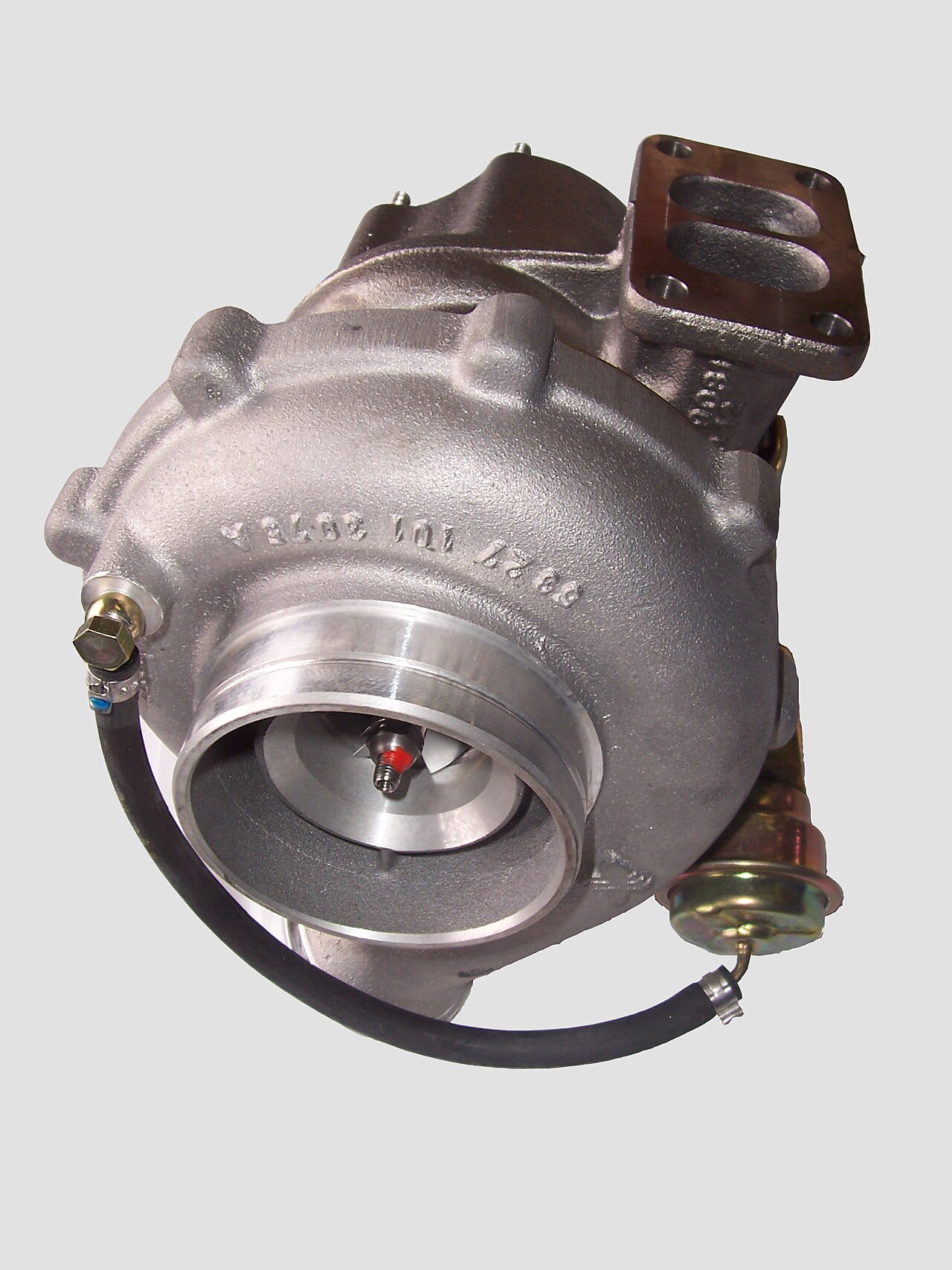
A valve that diverts exhaust gas around the turbocharger turbine to control boost pressure. Internal (factory) or external (aftermarket race) variants.
Water injection sprays a fine mist of water or a water-methanol mix into the intake to cool combustion temperatures, allowing an engine to run more boost or ignition timing safely.
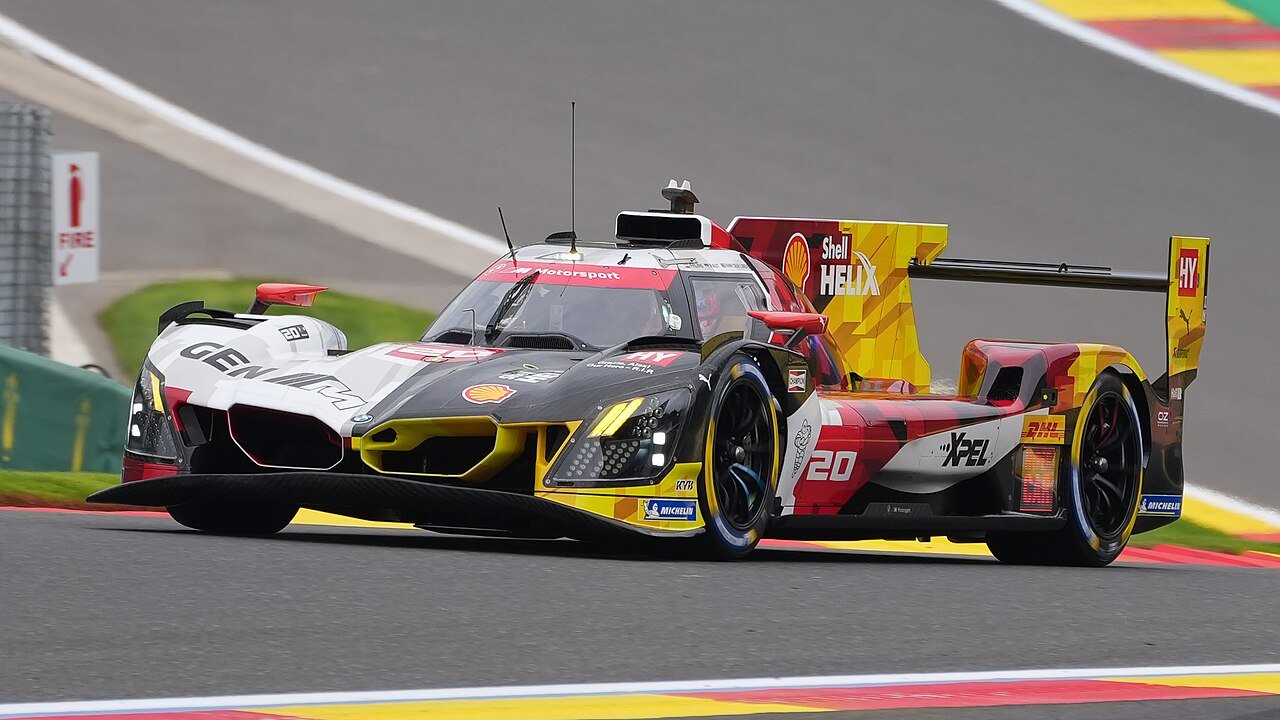
The WEC is the FIA World Endurance Championship, a global sports car series that includes the 24 Hours of Le Mans and top-tier Hypercar competition.
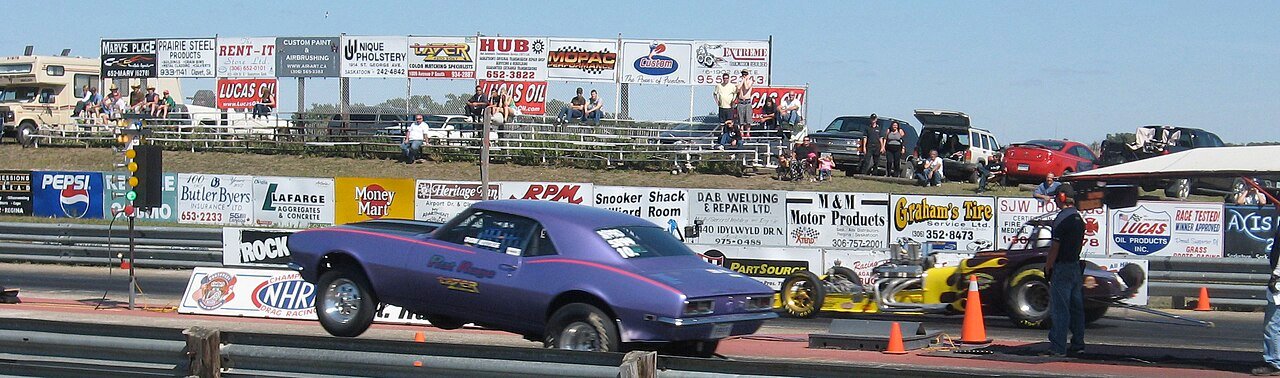
The shift in vehicle weight between axles or sides during braking, acceleration, or cornering. The fundamental principle of vehicle dynamics.

Wheelbase is the distance between a vehicle's front and rear axles, a key measurement that influences ride quality, handling, and interior space.
The distance between the wheel mounting surface and the wheel center line. Determines how wheels sit relative to the fender and chassis.
Machined discs that mount between the wheel hub and wheel, pushing the wheel further outward to widen the vehicle's track.
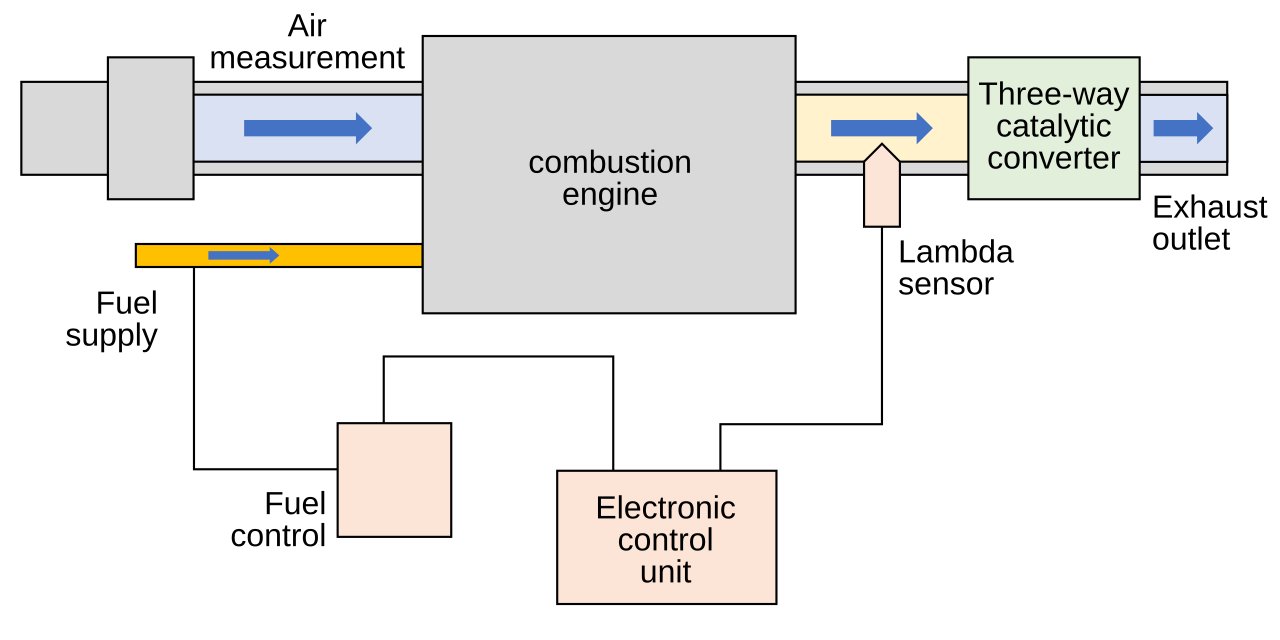
Wide-range air-fuel ratio oxygen sensor. Provides precise AFR readings for tuning, replacing limited factory narrowband sensors.
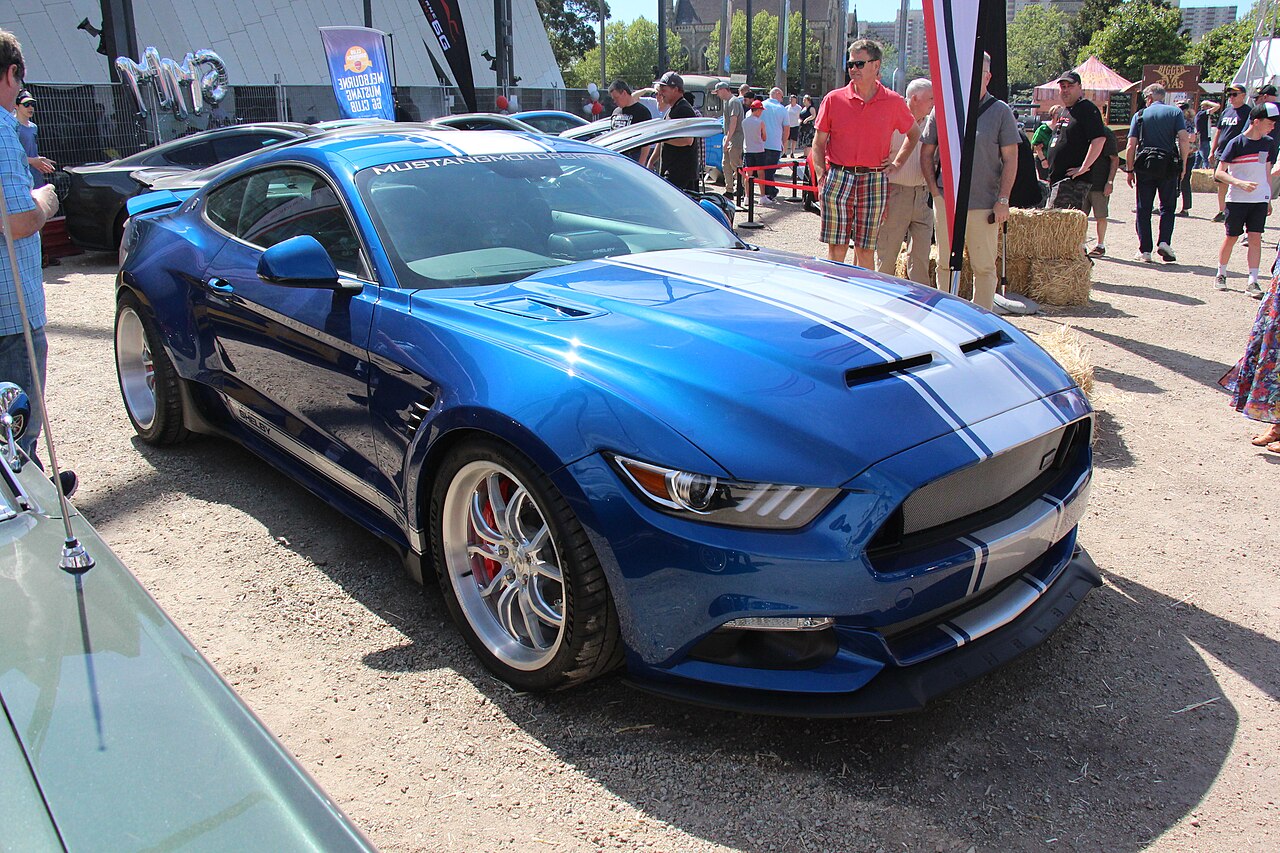
A modification that adds wider fenders to a vehicle, accommodating wider wheels and tires than the original body would allow.
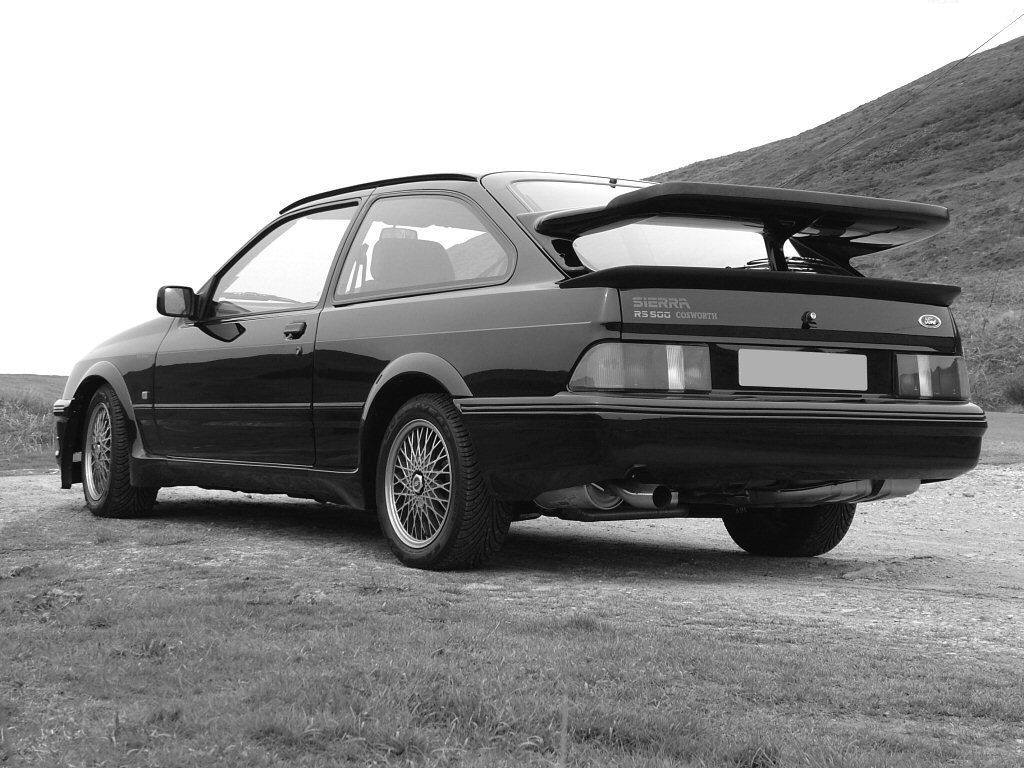
A shaped airfoil mounted in clean air that generates downforce, pressing the car onto the road at the cost of added drag.
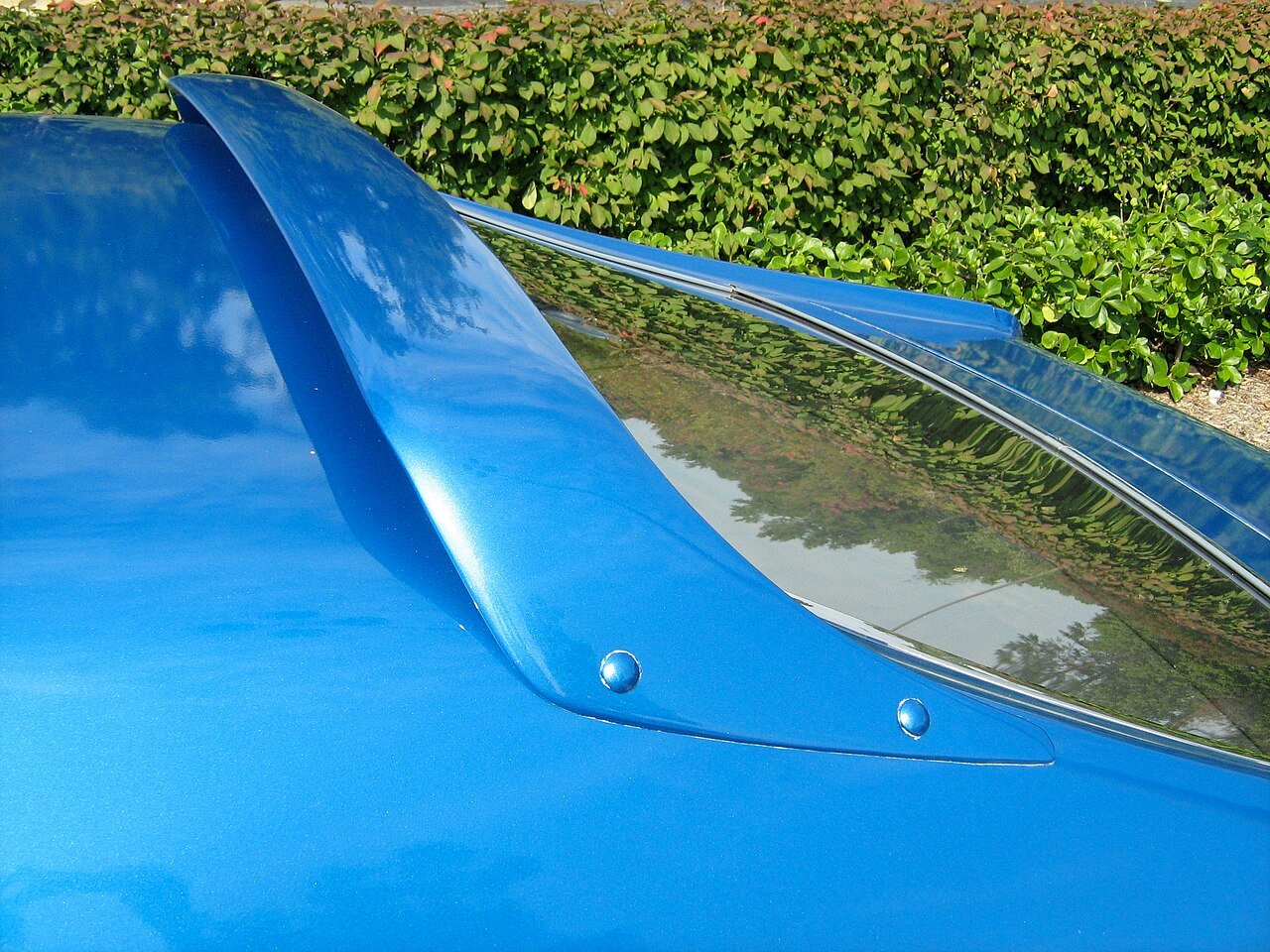
A wing creates aerodynamic downforce; a spoiler disrupts airflow to reduce lift. The terms are often used interchangeably but refer to different aerodynamic functions.
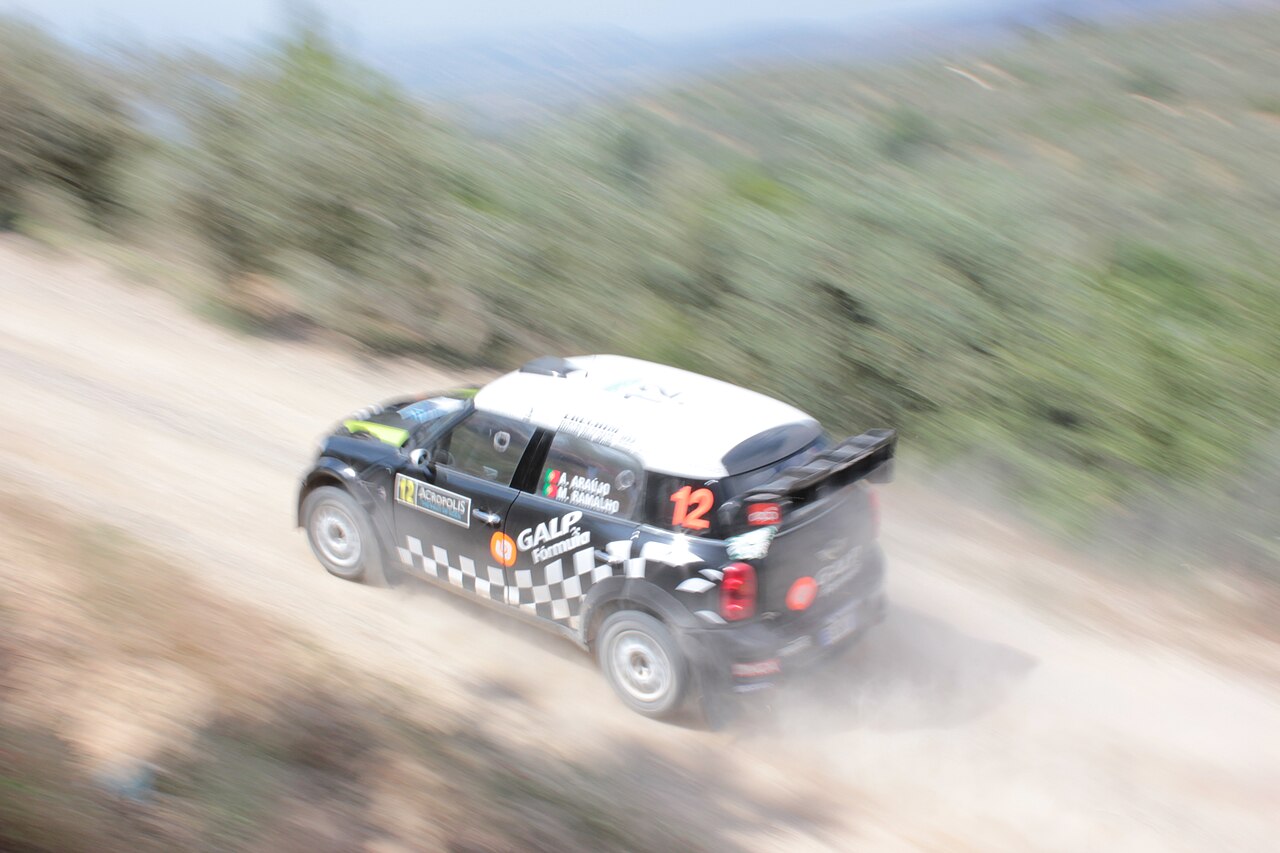
The World Rally Championship, the top global series for rally racing on closed stages across tarmac, gravel, snow and ice.
#
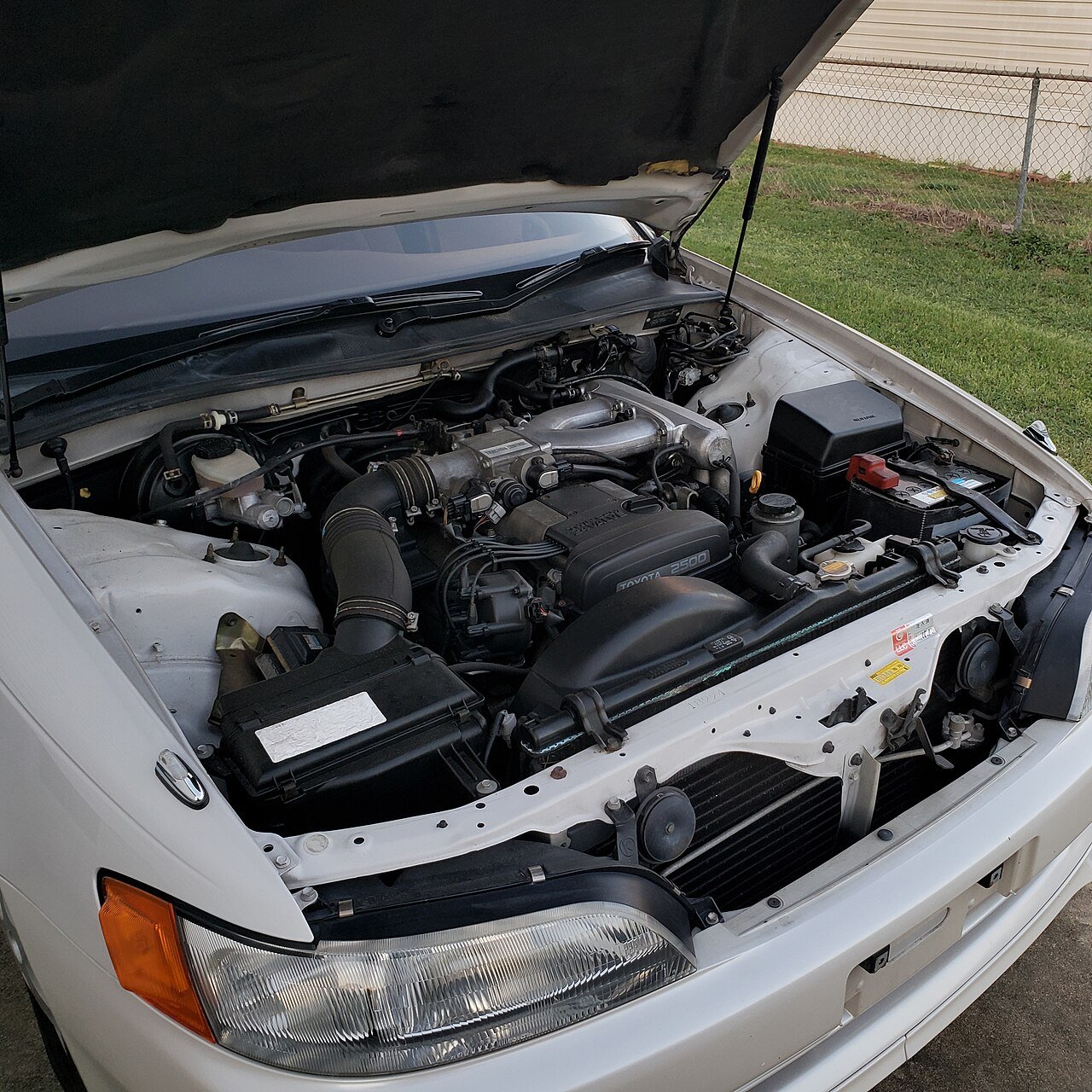
Toyota's 2.5-litre turbocharged inline-six, the smaller sibling of the 2JZ, popular in drifting for its strength and quick spool.
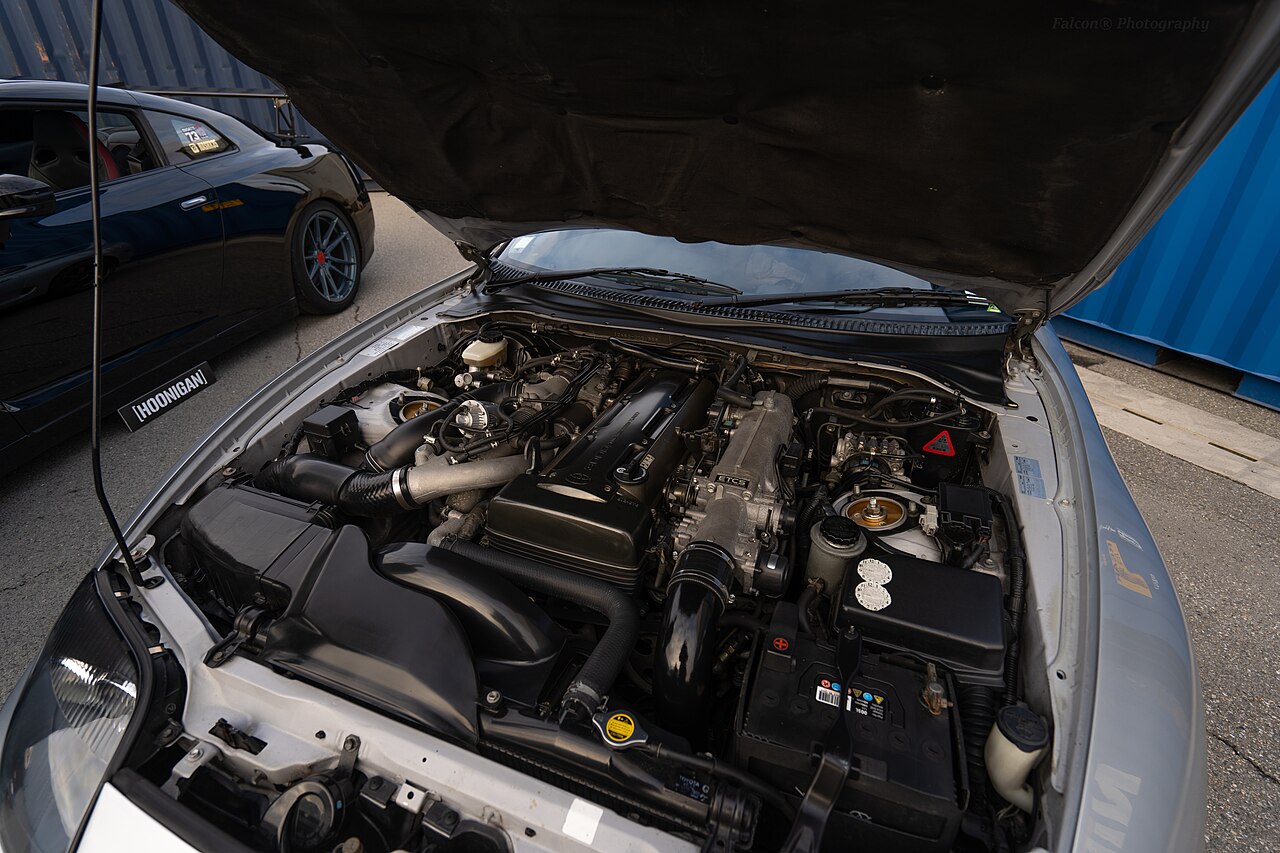
Swapping a Toyota 2JZ-GTE inline-six into a chassis that did not originally have one. The legendary Japanese V8 alternative.
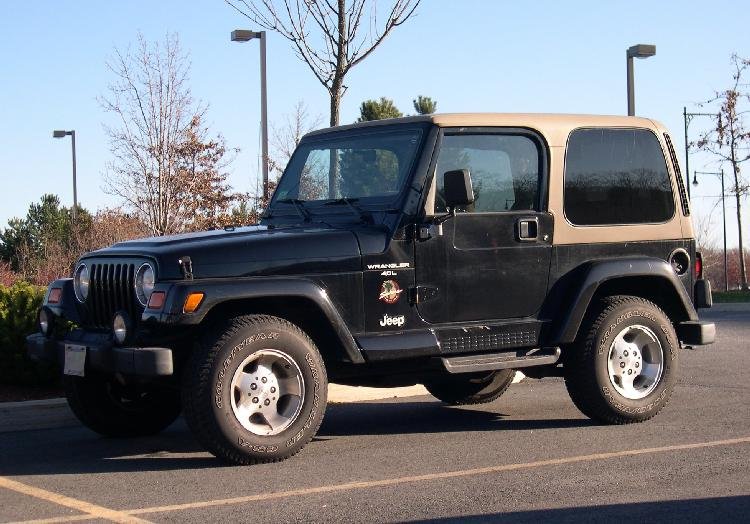
4WD, or four-wheel drive, is traditionally a part-time, driver-selectable system on trucks and off-road vehicles that uses a transfer case with high and low range to send power to all four wheels.
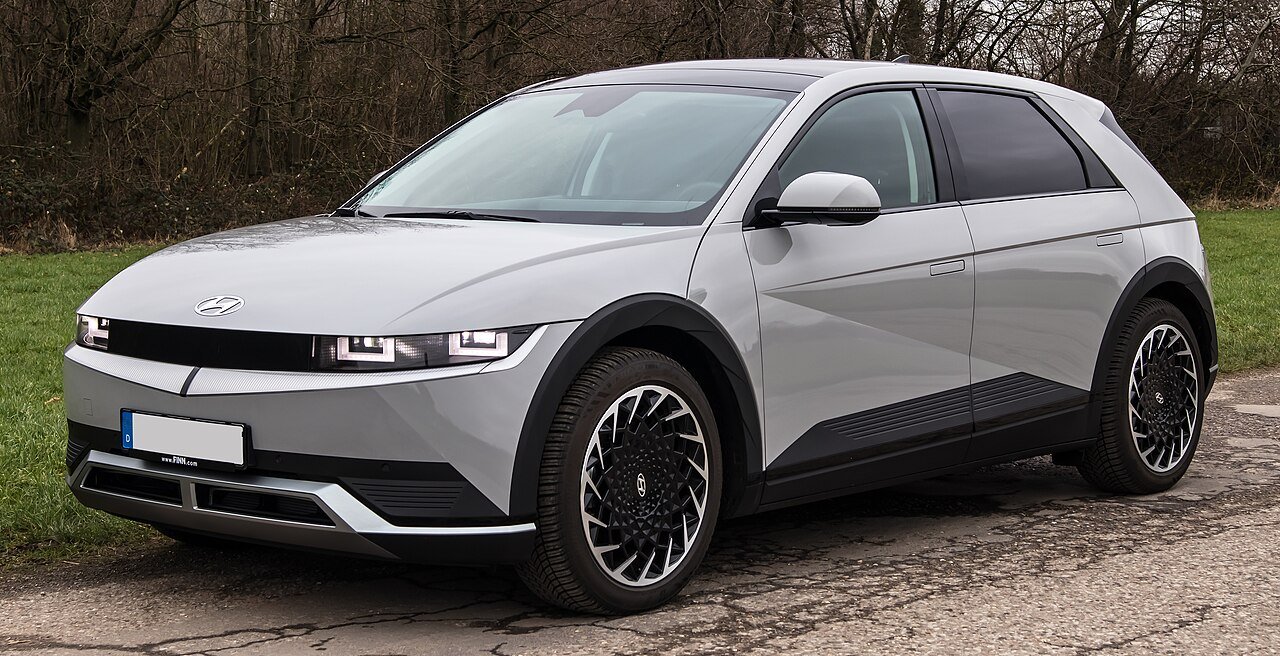
A high-voltage EV electrical system that enables much faster DC charging and lighter wiring compared with traditional 400V layouts.