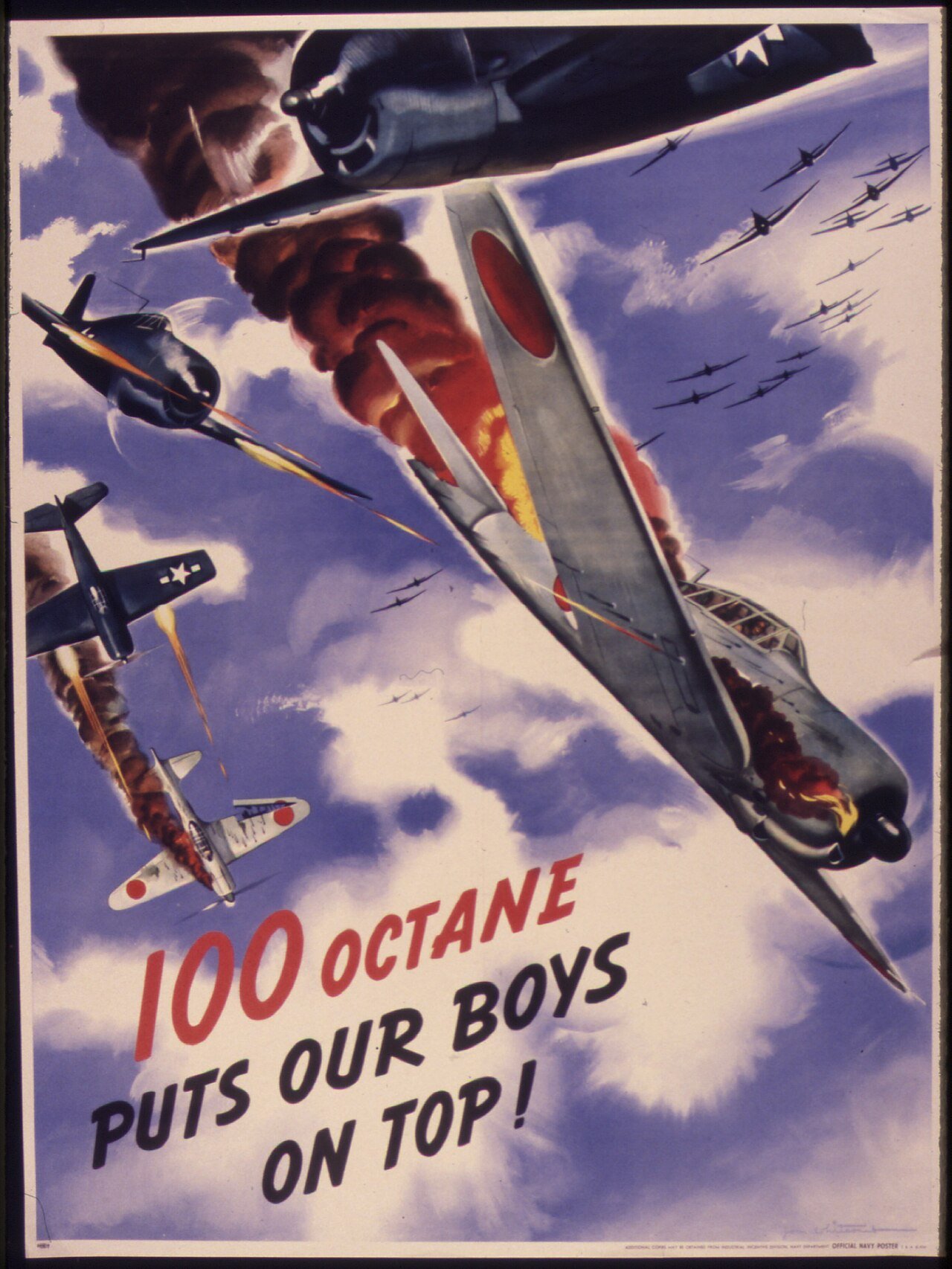
What is Octane?
A measure of fuel resistance to engine knock. Higher octane fuel resists knock better, allowing more aggressive ignition timing.
Octane is a measure of a fuel resistance to engine knock (detonation). Higher octane fuel can withstand higher cylinder pressures and temperatures before spontaneously combusting. Different countries use different octane rating systems. The United States uses (R+M)/2 (the average of Research Octane Number and Motor Octane Number). Europe uses RON (Research Octane Number) only. The same fuel rated 87 (R+M)/2 in the US is approximately 91 RON in Europe.
Standard fuel grades in the United States are 87 (regular), 89 (mid-grade), 91 (premium), and 93 (super premium). Some markets sell 94 octane (Costco brand). Higher octane is typically required for high-compression or turbocharged engines. Using lower octane than the engine requires can cause knock and engine damage; using higher octane than required typically provides minimal benefit on a stock tune.
Race fuels are available in higher octane ratings. Sunoco GT260 is 110 octane. Methanol is approximately 100-105 octane (varies by formulation). Ethanol-blended E85 (85% ethanol, 15% gasoline) is approximately 105-115 octane. The high octane of race fuels and ethanol allows more aggressive tuning (more timing advance, more boost) and significantly more power than equivalent gasoline.