What is Timing belt?
A rubber belt that synchronizes the camshaft with the crankshaft. Common in older engines. Replacement at specified intervals is critical.
Timing belt is a rubber belt that connects the camshaft pulley to the crankshaft pulley, synchronizing the rotation of the camshaft with the crankshaft. The synchronization ensures that the valves open and close at the correct times relative to the piston position. Most pre-2000s engines used timing belts; modern engines have largely transitioned to timing chains (which last longer).
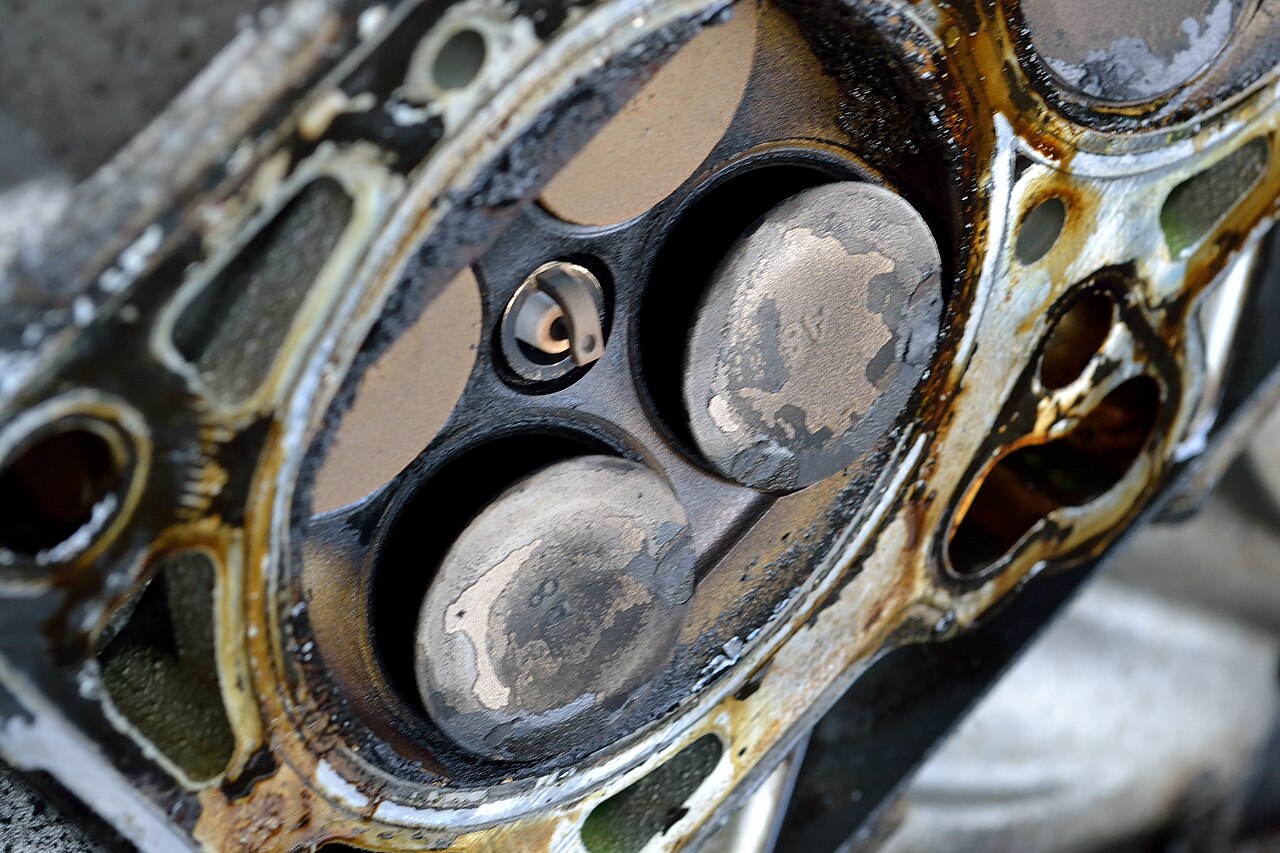
Timing belts have a defined service life (typically 60,000 to 100,000 miles depending on the engine). Failure of a timing belt usually results in catastrophic engine damage on interference engines (where pistons and valves can collide if timing is wrong). Examples include most Honda B-series and K-series engines, Toyota 2JZ-GE, and many German and Korean engines. Non-interference engines can survive timing belt failure with no damage; common examples include older Toyota engines.
Timing belt replacement is typically a major service event. The work requires removing front-engine accessories, the engine timing covers, and various components to access the belt. A complete timing belt service typically includes belt, water pump, idler pulleys, tensioner, and seals. The work can cost $600-$1,500 in labor depending on the engine and shop. Skipping or delaying the service is a frequent cause of major engine failures.