DuelsLeaderboardGarageBlogCarsGlossaryBrowse

Bagged Suspension

Car culture term

Bagged Suspension
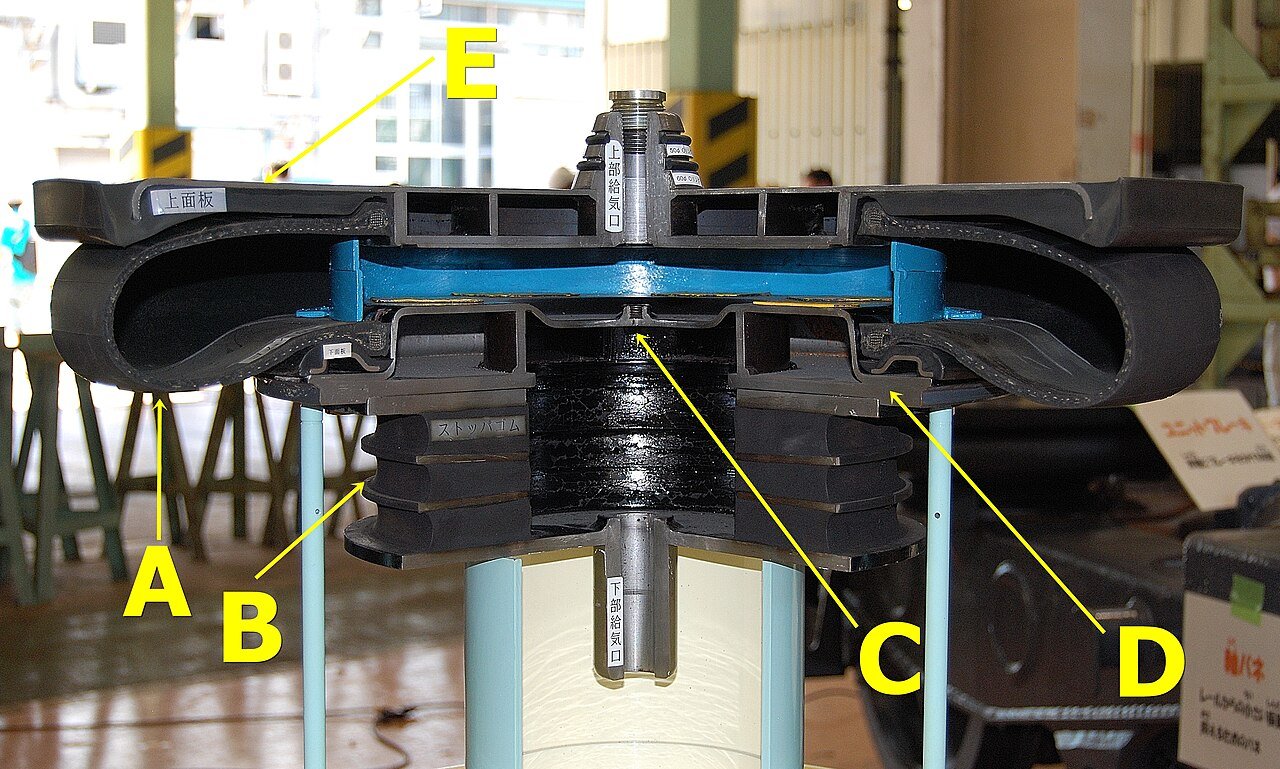
Photo: Toshinori baba / Wikimedia Commons · CC BY-SA 3.0

What is Bagged Suspension?

An air suspension system that uses inflatable rubber air bags in place of conventional coil springs, allowing ride height to be adjusted via a compressor and air management system.

Bagged suspension (commonly called "bags" or an "air ride" setup) replaces conventional coil springs with inflatable rubber air bellows, also called air bags or air springs. A compressor, air tank, and management system (either manual valves or electronic management with remote control) allow the driver to raise or lower each corner of the vehicle independently by adding or releasing air pressure. The result is adjustable ride height on demand.

The practical advantage of bags for street-driven show cars and stance builds is the ability to lower to extremely aggressive ride heights for shows, photos, or slow driving, while raising to functional clearance for daily driving, speed bumps, and driveways. Air management systems like Air Lift 3P or AccuAir allow height presets to be saved and recalled with a button or smartphone app.

Air suspension originated in trucks and luxury cars as a comfort improvement. The enthusiast scene adopted it from lowrider culture, where hydraulic lift systems predate air suspension. Modern air suspension kits from Air Lift Performance, AccuAir, and BC Racing Air are engineered to replace OEM suspension with calibrated shock valving and matched air springs. Properly set up, bagged cars can ride and handle respectably for daily street use.

Related terms

CoiloversLowering SpringsStanceSlammedHellaflushLowrider

Frequently asked questions

Is air suspension reliable for daily driving?
Modern quality air suspension systems (Air Lift Performance, AccuAir, Arnott) are reliable for daily use when properly installed and maintained. Failure points include air line fittings, compressor wear, and bag degradation over time. Budget kits have higher failure rates. Established quality brands with proper installation are used by many enthusiasts as daily drivers.
How much does a bag setup cost?
A complete air suspension kit from a quality manufacturer typically runs $2,000 to $5,000 or more depending on vehicle and system (manual versus full electronic management). Installation adds labor cost. Budget unbranded kits exist for under $1,000 but have significantly higher failure rates.
Can I go to a track day on bags?
Some enthusiasts do. Air suspension can provide a reasonable handling setup when dialed in. However, most serious track builds use coilovers because they offer more precise and consistent spring rates. Air pressure varies with temperature and the air spring rate changes non-linearly as the bag compresses. For occasional track days on a primarily street-driven car, bags are workable.
What is the difference between air ride and hydraulics?
Hydraulic suspension (common in lowrider culture) uses hydraulic fluid pumped by electric motors to lift and lower the car, often capable of making the car hop or dance. Air suspension uses compressed air and does not hop; it raises and lowers smoothly. Hydraulics are associated with traditional lowrider show culture. Air ride is associated with modern stance and bagged car communities.
How low can a bagged car go?
With aggressive fitment, a bagged car can drop to the point where the chassis touches the ground. Frame-scraping builds with bagged suspension and aggressive fitments are common in the stance community. Functionally, you set minimum pressure to maintain frame and drivetrain clearance, then raise to whatever is needed for driving.
Back to Glossary