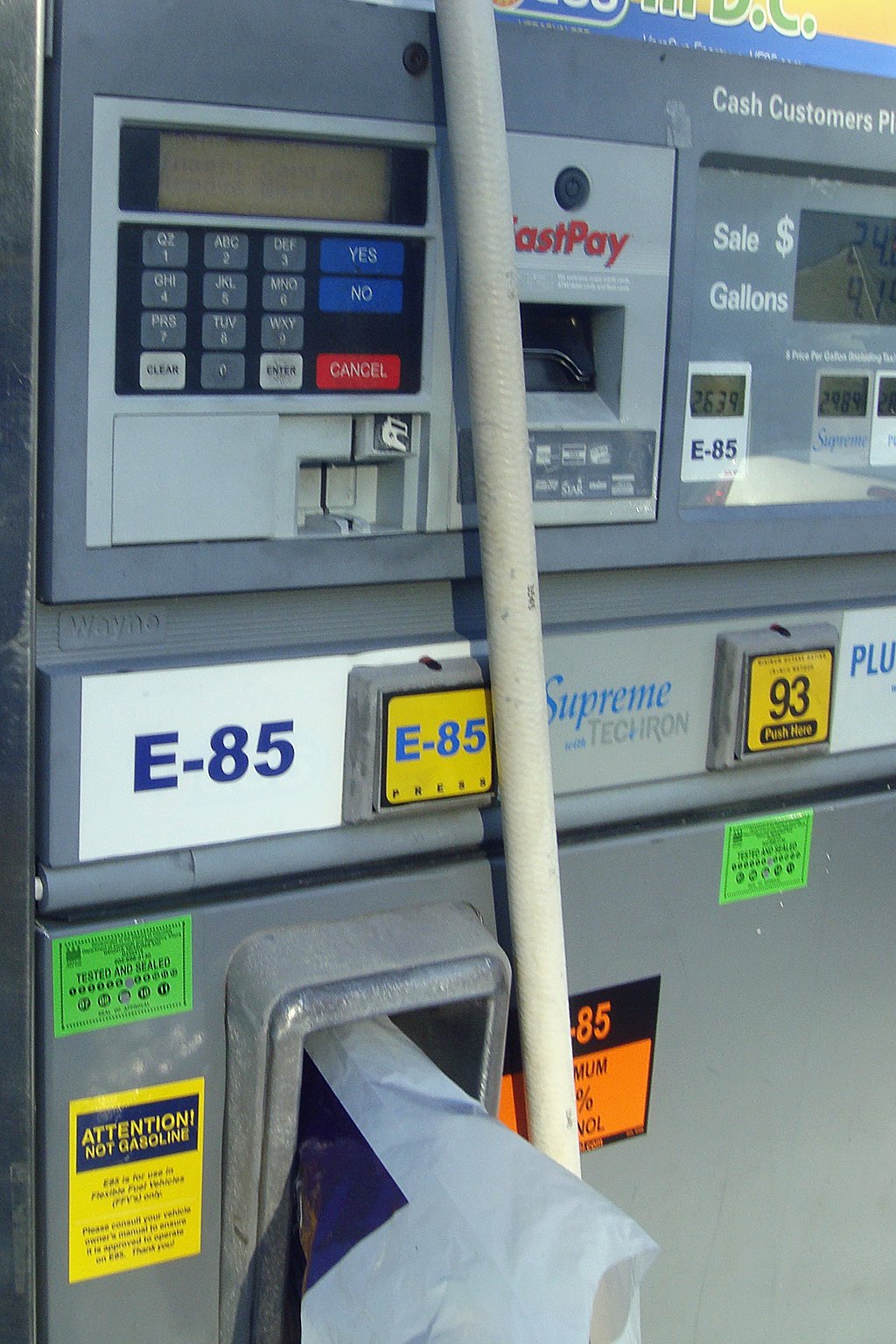
What is E85?
A fuel blend of 85% ethanol and 15% gasoline. Higher effective octane than gasoline. Common in performance tuning for additional power.
E85 is a fuel blend of 85 percent ethanol and 15 percent gasoline. The high ethanol content provides several performance advantages: higher effective octane (105-115 RON equivalent), greater cooling effect on the intake charge (ethanol has higher latent heat of vaporization), and lower combustion temperatures than gasoline. The result is significantly more power potential when the engine is properly tuned for E85.
The downsides of E85 include lower energy density (ethanol contains less energy per gallon than gasoline, so the engine consumes more fuel volume) and corrosion concerns with older fuel system components. Modern Flex-Fuel vehicles are designed to handle E85 directly. Other vehicles require fuel system modifications (E85-compatible injectors, fuel pump, fuel lines) before reliable E85 operation.
E85 availability varies by region. The Midwest (Iowa, Illinois, Minnesota) has the most extensive E85 station network due to ethanol production. Coastal regions have less availability. Some racing and performance tuners blend their own E85 from pure ethanol and gasoline at the pump for more consistent ethanol percentage (pump E85 can vary from 51 to 83 percent ethanol depending on season and station).
What octane is E85?
E85 has an effective octane rating of roughly 100 to 105, well above premium pump gas. The high ethanol content resists knock, which is why tuners use it to run more boost and timing for extra power.
How is E85 made?
The ethanol in E85 is produced by fermenting and distilling plant sugars, usually from corn in the United States. That ethanol is then blended with about 15 percent gasoline, which adds the volatility needed for cold starts.