What is FWD?
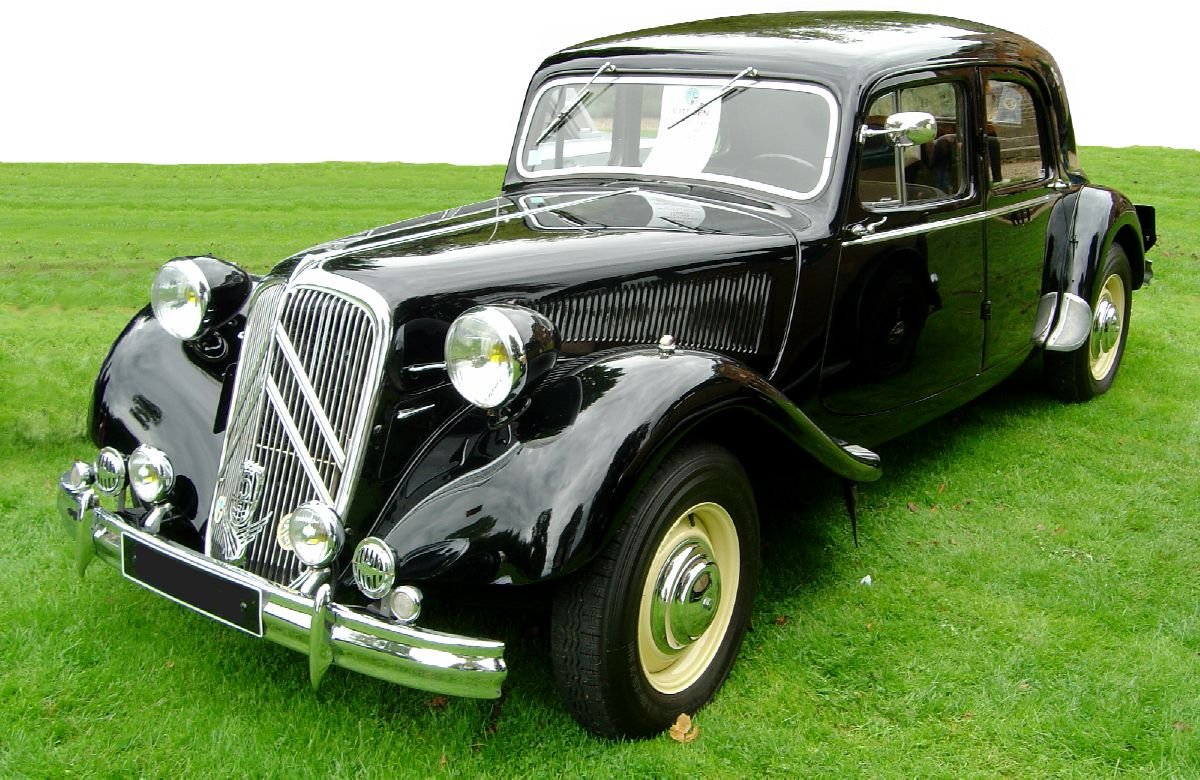
Front-wheel drive. Power is delivered exclusively to the front wheels. Common in economy cars and the foundation for hot hatch culture.
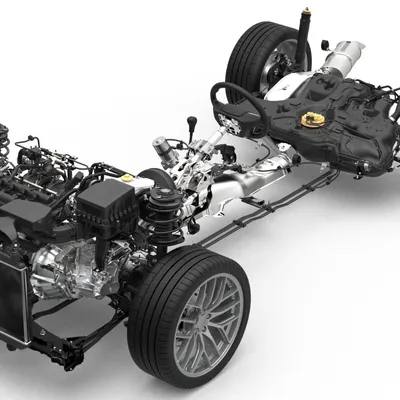
FWD (front-wheel drive) describes a drivetrain that delivers power to the front wheels. The engine, transmission, and final drive are typically packaged together in a transverse layout at the front of the car. FWD is the standard drivetrain for compact and mid-size economy cars because the layout is space-efficient (the entire powertrain is contained in the front, allowing more interior and cargo space) and inexpensive to manufacture.
The advantages of FWD include better traction in wet and snow conditions (engine weight is over the driven wheels), better fuel efficiency (no driveshaft losses), and lower cost. The disadvantages include torque steer (the wheel can pull under hard acceleration on uneven surfaces), reduced steering feel under power, and limited handling at the limit (front wheels handle both steering and power, leading to understeer).
Performance FWD cars exist and have a strong cultural foothold in hot hatch and tuner communities. The Honda Civic Type R, Volkswagen Golf GTI, Hyundai Veloster N, and Renault Megane RS are the modern benchmarks. Front-wheel drive Nürburgring lap times have crossed 7:40, putting FWD performance close to many RWD sports cars on technical tracks.