DuelsLeaderboardGarageBlogCarsGlossaryBrowse

Header

Car culture term

Header
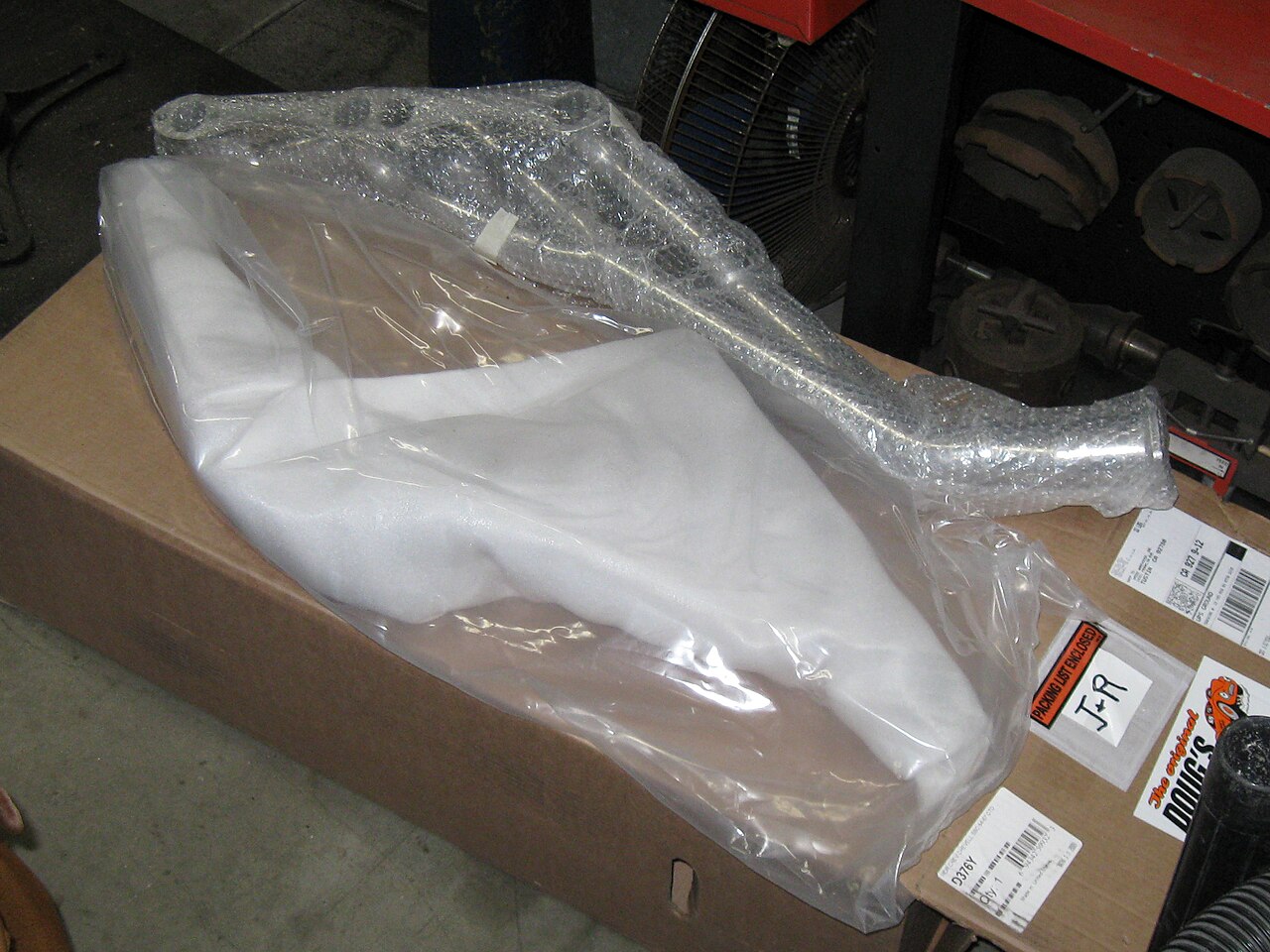
Photo: simonov / Wikimedia Commons · CC BY-SA 2.0

What is Header?

An aftermarket exhaust manifold designed to optimize exhaust flow from the cylinder head to the rest of the exhaust system. Increases power.

Header (also called exhaust manifold or manifold) is an aftermarket replacement for the stock exhaust manifold. Headers route exhaust gas from the cylinder head to the rest of the exhaust system. Aftermarket headers are designed for optimal flow, often using equal-length tubing and stepped diameters to maximize exhaust velocity and reduce backpressure on the engine.

Headers are particularly important for naturally aspirated engines and at higher RPM where exhaust flow demands are highest. The benefit of a header upgrade is typically 10-25 horsepower on naturally aspirated cars, less on turbocharged cars (where the turbo housing dominates exhaust flow). Quality matters significantly: a poorly designed header can hurt rather than help power output.

Common header types include shorty headers (short equal-length tubes that fit close to the engine), tri-Y headers (three-into-one design with intermediate junctions), and long-tube headers (full-length equal-length tubes that extend further before merging). Each has different power characteristics and packaging requirements. Long-tube headers typically produce the best high-RPM power but require more installation work.

What are headers?

Headers are aftermarket exhaust manifolds that replace the restrictive factory cast manifold with smooth, equal length tubes. They let exhaust gases leave each cylinder more freely, which frees up power, usually higher in the rev range. Shorty headers are easier to fit, while long tube headers make the most power.

Related terms

Cold air intakeTurboCat-back exhaust

Frequently asked questions

Are headers required for a tune?
Not strictly. Most ECU tunes work with stock manifolds. Headers add to the power gain from a tune by reducing exhaust restriction. The combination of header + tune produces more power than tune alone. Headers are typically a complement to tuning rather than a prerequisite.
How much power do headers add?
Naturally aspirated: 10-25 horsepower depending on application and quality. Turbocharged: 5-10 horsepower. The gain is greatest on engines where the stock manifold is restrictive. Modern factory manifolds are often well-designed, reducing the gain available from aftermarket headers.
What is the difference between shorty and long-tube headers?
Shorty headers are compact units that fit in the original manifold space; easier to install but smaller power gains. Long-tube headers extend significantly past the engine and merge into one outlet (or two for V6/V8); larger power gains but more complex installation and may interfere with other components. Long-tubes typically yield 5-10 more horsepower than shorty equivalents.
Are headers legal?
Generally yes, with caveats. Most jurisdictions allow header replacements that maintain or improve emissions compliance. Cars with catalytic converters typically must retain them after the header. Some racing-only headers (without catalysts) are illegal for street use. Verify local emissions and noise requirements before installation.
Do headers make my exhaust louder?
Yes, typically. Aftermarket headers usually have less restriction than factory manifolds, which can increase exhaust noise. The change is often modest (a slight increase in volume and a slightly more aggressive sound character) but noticeable. Combination of header + cat-back exhaust significantly increases noise compared to all stock.
Back to Glossary