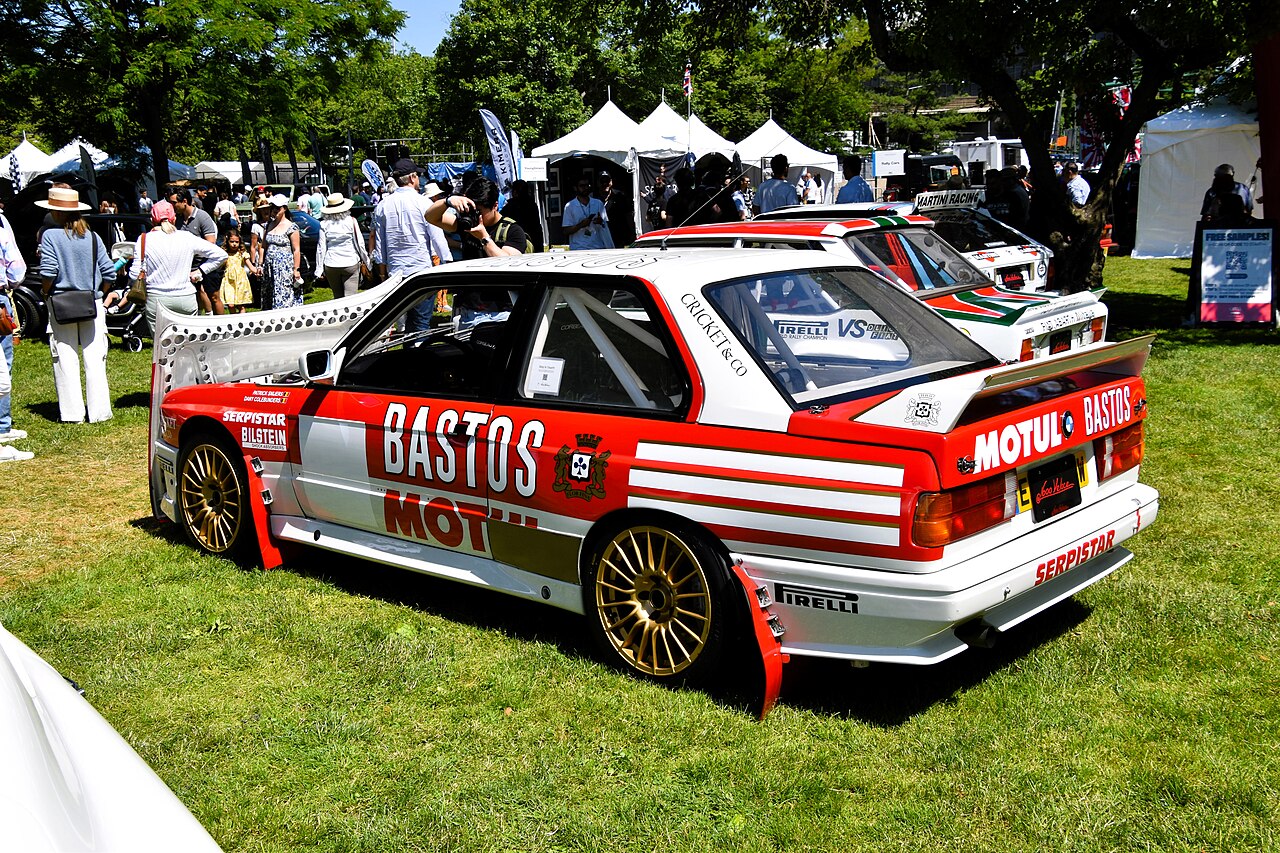
What is Rally?
A motorsport format with competitive driving on closed sections of public road or off-road stages, with timed sections and varying surfaces.
Rally is a motorsport format where competitors drive on closed sections of public road (or off-road stages) with timed sections of varying difficulty. Competitors run individually (or with minimal time gaps), with times for each stage combined to determine overall position. Rally surfaces vary widely: gravel (most common), tarmac (asphalt), snow, ice, mud, and dust. Different surface conditions require different car preparations and driving techniques.
The premier rally championship is the World Rally Championship (WRC), running annual events globally including Rally Sweden (winter snow and ice), Rally Mexico (high altitude tarmac and gravel), Rally Italy (rough gravel), and the iconic Acropolis Rally in Greece (rough rally with extensive sand). Other major rally series include the European Rally Championship, the British Rally Championship, the American Rally Association, and various national rally championships.
Rally cars are heavily modified production vehicles. The current World Rally Car specification (Rally1) requires specific safety equipment (full roll cage, racing harnesses, fire suppression), regulated power output (around 380 horsepower), and specific aerodynamic limits. Subaru, Hyundai, Toyota, and Ford have been the primary manufacturers in recent WRC seasons. Co-driver (the navigator who reads the pace notes describing upcoming sections of the road) is essential to rally driving.
Related terms
Frequently asked questions
Rally on the blog
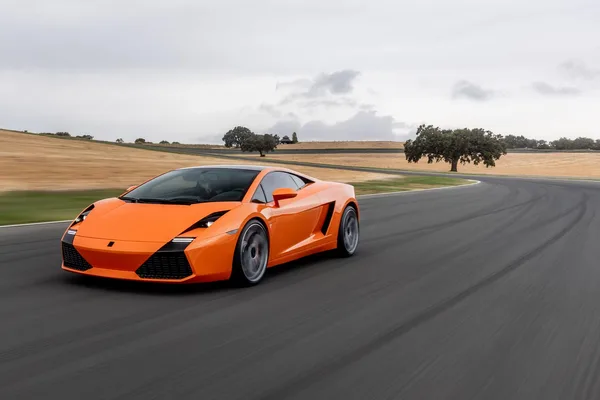
Fabrizio Giugiaro unveiled the Hommage 26 in Las Vegas on October 31. It's a carbon-bodied rework of the Lamborghini Gallardo, built from a donor car, and CAVËN Atelier plans 25 of them from €900,000. Who drew the first Gallardo is still disputed.
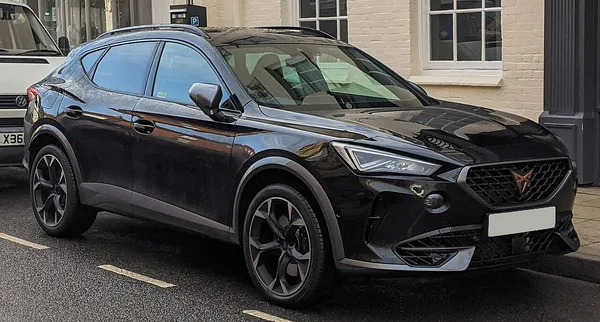
Cupra and SEAT are separate brands from the same Volkswagen Group company, SEAT S.A. Cupra started as SEAT's performance badge in 1996 and went solo in 2018. Here's how the Leon wears both badges, why Cupra now outsells SEAT, and where the US launch stands.
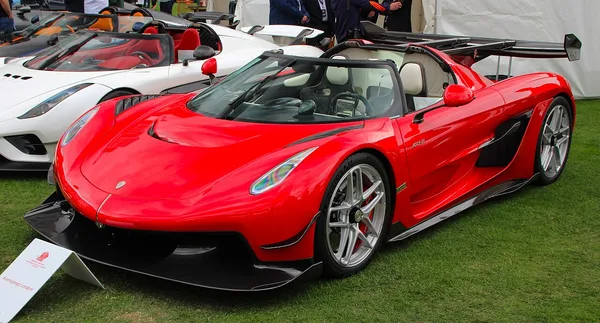
Koenigsegg's road cars run from the six-car CC8S of 2002 to the CCGT1 of 2026. Here is every model in order, with production counts and engines from Koenigsegg itself, covering the CCX, Agera, One:1, Regera, Jesko, Gemera, CC850, and Sadair's Spear.
Individual throttle bodies give every cylinder its own throttle, right at the intake port. Lexus said the setup cut the LFA's response time to about half that of a single throttle. Here is how ITBs work, which factory cars used them, and what they cost.