DuelsLeaderboardGarageBlogCarsGlossaryBrowse

NASCAR

Car culture term

NASCAR
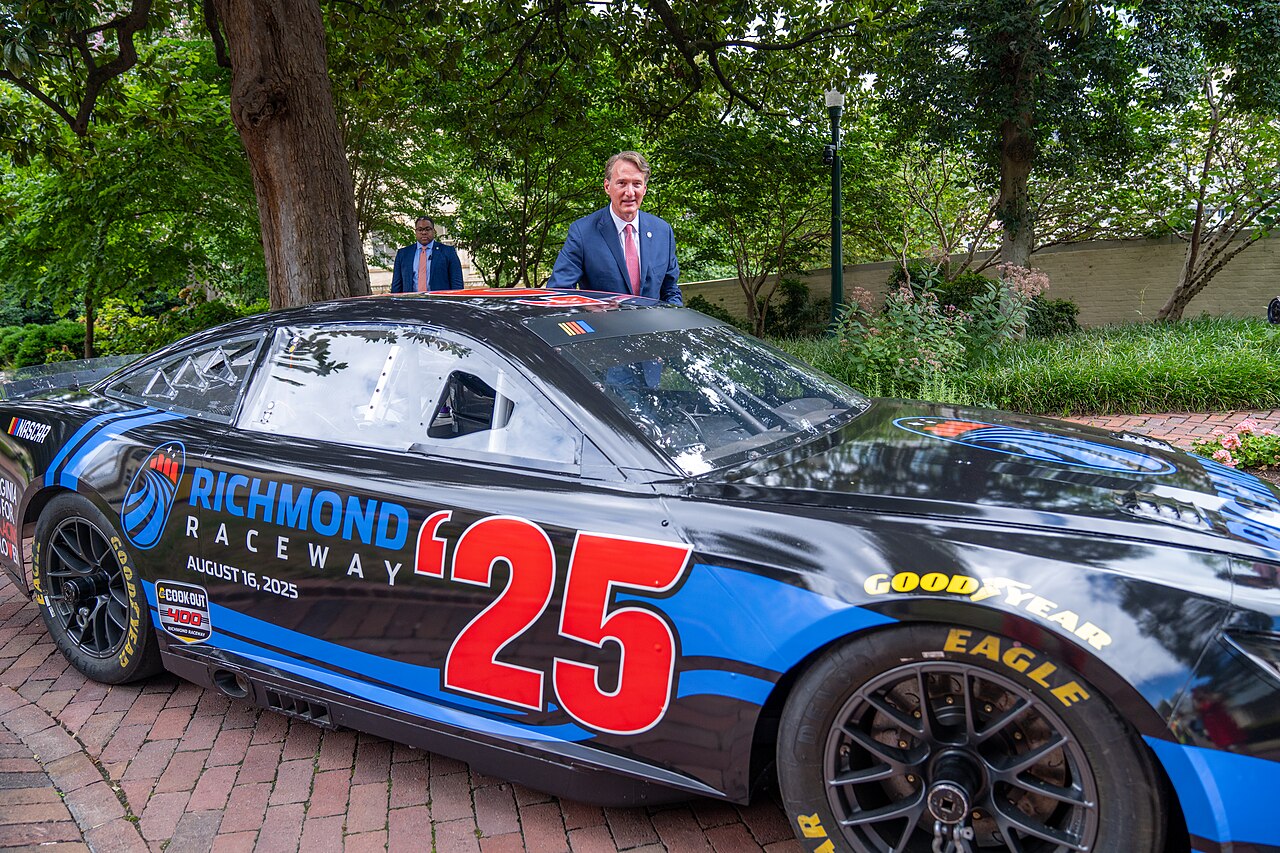
Photo: Governor Glenn Youngkin / Wikimedia Commons · CC BY 4.0

What is NASCAR?

National Association for Stock Car Auto Racing. American oval-track racing series, with the Cup Series as the premier division. Founded 1948.

NASCAR (National Association for Stock Car Auto Racing) is the premier American stock car racing series, founded in 1948. The premier division (Cup Series, also called Sprint Cup) features 36 races annually, mostly on oval tracks ranging from short tracks (under 1 mile) to superspeedways (Daytona International Speedway, Talladega Superspeedway, both 2.5 miles). The cars are heavily modified production-based vehicles using specific NASCAR specifications.

NASCAR Cup Series cars use 5.86-liter naturally aspirated V8 engines making around 670 horsepower, fitted to a tubular space frame chassis with a steel body shell. The cars are not road-legal; they are purpose-built racing vehicles within the production-car visual identity. Manufacturers include Ford (with Mustang), Chevrolet (with Camaro), and Toyota (with Camry) as the current participants.

NASCAR is the most-watched motorsport in the United States and has cultural significance well beyond its competitive footprint. Famous drivers include Richard Petty (200 career Cup wins), Dale Earnhardt Sr. (7 championships, killed at Daytona 2001), Jeff Gordon (4 championships), Jimmie Johnson (7 championships), and modern drivers like Kyle Larson, Denny Hamlin, and Chase Elliott. The Daytona 500 (the season opening race at Daytona International Speedway) is NASCAR most prestigious event.

Related terms

Le MansFormula 1Endurance racing

Frequently asked questions

Are NASCAR cars actually stock?
No, despite the name. NASCAR Cup Series cars are purpose-built racing vehicles using tubular space frames, racing engines, and specific NASCAR specifications. The "stock car" name traces to the early years (1948-1950s) when the cars were closer to production-based. Modern NASCAR uses the Stock Car name in tradition rather than literal description.
Why does NASCAR run on ovals?
The format allows close racing with multiple cars at high speed. Ovals also are easier to build and maintain than road courses. The format dates to the original NASCAR cars (modified moonshining vehicles from the prohibition era). NASCAR added road courses in recent years (Watkins Glen, Sonoma, Charlotte road course, Indianapolis road course) but ovals remain the majority.
How fast is a NASCAR Cup car?
Top speeds at superspeedways (Daytona, Talladega) reach 200+ mph but are restricted to about 200 mph by NASCAR rules. At intermediate tracks (1.5 mile ovals), speeds are around 180 mph. At short tracks (0.5-1 mile), speeds are 100-130 mph. The cars are limited by aerodynamic drag at high speeds rather than power.
Is NASCAR safer than F1?
Different safety profile. NASCAR cars are heavier than F1 cars (3,400 lb vs 1,800 lb) and have closed cockpits (full safety cell, but not single-seater open). NASCAR drivers wear extensive safety gear. Compared to F1, NASCAR has had more recent fatalities (Dale Earnhardt 2001), but the rate has declined dramatically since safety improvements following Earnhardt death.
Why are NASCAR teams sponsored?
Operating costs are extreme. A single Cup Series team running 36 races per year costs $20-50 million in operating budget. Sponsorship (sponsor logos on cars and uniforms) provides the majority of team revenue. The most successful teams have multiple sponsors and generate significant marketing value for sponsors through racing visibility.
Back to Glossary