DuelsLeaderboardGarageBlogCarsGlossaryBrowse

Hachi-roku

Car culture term

Hachi-roku
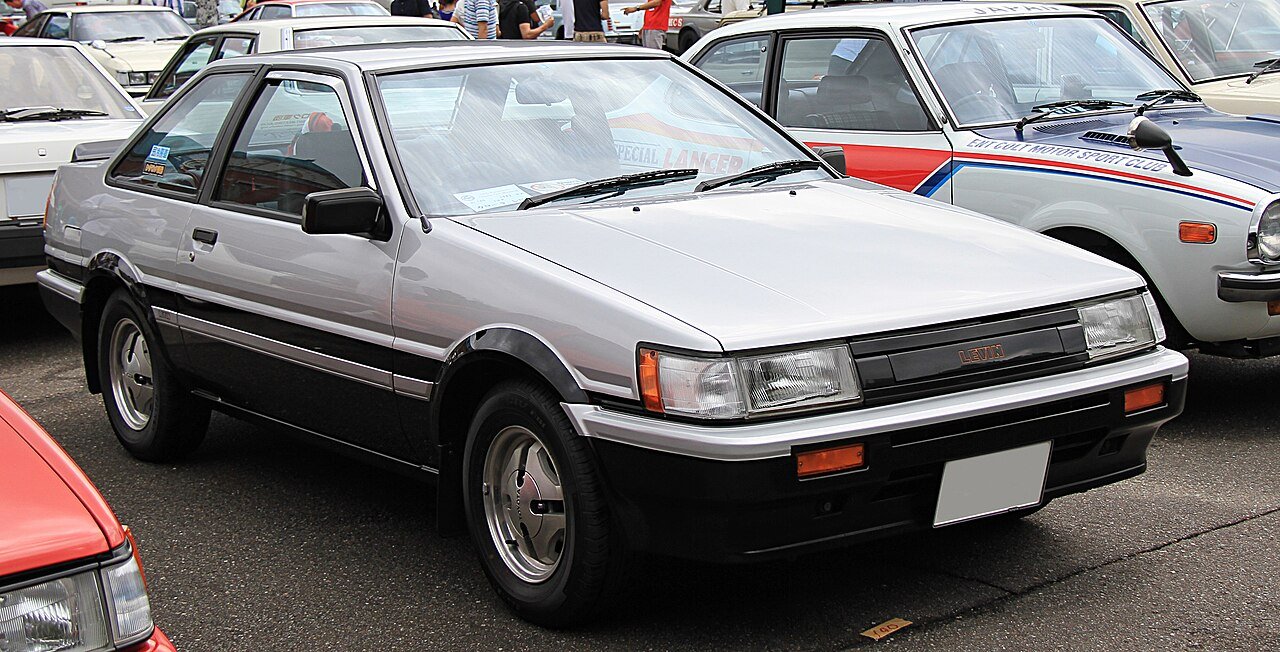
Photo: TTTNIS / Wikimedia Commons · Public domain

What is Hachi-roku?

Japanese slang for the Toyota AE86. Means "eight-six" in Japanese. The car made famous by Initial D and the modern GR86 / BRZ revival.

Hachi-roku (literally "eight-six" in Japanese) is the JDM slang term for the Toyota AE86, the rear-wheel-drive Corolla GT-S sold from 1983 to 1987. The car has gained legendary status in Japanese drift culture and globally, primarily due to its starring role in the Initial D manga and anime series. Takumi Fujiwara, the protagonist of Initial D, drove a black-and-white panda AE86 Trueno coupe.

The AE86 was Toyota last rear-wheel-drive Corolla and the last lightweight RWD platform Toyota produced before the 1986 generation Corolla switched to front-wheel drive. The AE86 weighed around 2,300 pounds, used a 4A-GE 1.6 liter naturally aspirated engine making 128 horsepower, and had a five-speed manual transmission and a limited-slip differential. The chassis is balanced and forgiving, ideal for learning car control and drifting.

The Toyota 86 / Subaru BRZ / Scion FR-S of 2012 was Toyota deliberate revival of the AE86 spirit. The model name (Toyota 86) directly references the AE86. The current GR86 continues the lineage. Hachi-roku culture remains vibrant; AE86 prices have appreciated significantly as the original cars age into collector status, with clean low-mile Trueno and Levin examples now selling for $40,000 to $80,000.
Related terms

JDMDriftTouge

Frequently asked questions

What does hachi-roku mean?
Hachi (8) and roku (6), pronounced "hah-chee roh-koo" in Japanese. The compound word means "eight-six." It refers to the AE86 chassis code (the "86" in the code). The term has become standard slang for the AE86 in JDM culture worldwide.
Why is the AE86 so famous?
Initial D. The 1995+ manga and subsequent anime made the AE86 a cultural icon by depicting Takumi Fujiwara, a tofu delivery driver, beating much faster cars on Japanese mountain passes. The combination of nostalgic appeal, lightweight chassis dynamics, and Initial D exposure has made the AE86 one of the most globally recognized JDM cars.
Are AE86s really fast?
Stock AE86s are slow by modern standards (0-60 in around 8 seconds, top speed around 120 mph). The car appeal is in its driving balance, not its straight-line performance. Modified AE86s (often with engine swaps from later Toyota or Honda engines) can be much faster, but the original car character is the chassis dynamics rather than power.
Is the GR86 the modern AE86?
Toyota explicitly references the AE86 in the 86 / GR86 model name. The cars share a similar mission: lightweight, rear-drive, manual-transmission sports coupes at accessible prices. The GR86 is much faster and more refined than the original AE86, but the design philosophy connection is intentional.
How much does an AE86 cost?
Pricing varies by condition. Project AE86s start around $5,000-$15,000 (rusted, modified, or needing significant work). Driver-quality cars: $15,000-$30,000. Clean low-mile original examples: $30,000-$80,000+. JDM-spec Trueno and Levin examples in original condition can exceed $100,000 at auction.

Hachi-roku on the blog

Why Is the Toyota AE86 Called the Hachi-Roku?

Hachi-roku is just Japanese for eight-six, the AE86 in the car's chassis code. The name stuck because the AE86 Corolla became one of the most beloved rear-drive cars ever built, and a manga turned it into a global icon.

Back to Glossary