What is AWD?
All-wheel drive. Power is delivered to all four wheels, either continuously or on demand based on traction needs.
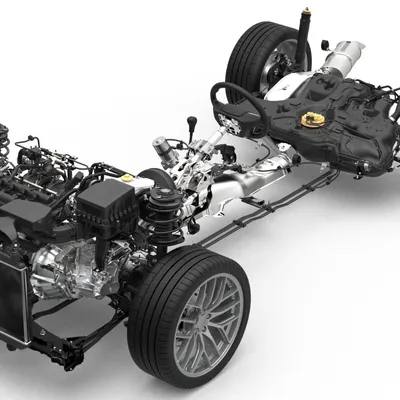
AWD (all-wheel drive) describes a drivetrain that delivers power to all four wheels. Modern AWD systems are typically computer-controlled and can vary the torque distribution between front and rear axles based on driving conditions. The result is improved traction in wet, snow, gravel, or low-grip conditions, and improved acceleration on dry pavement compared to two-wheel drive.
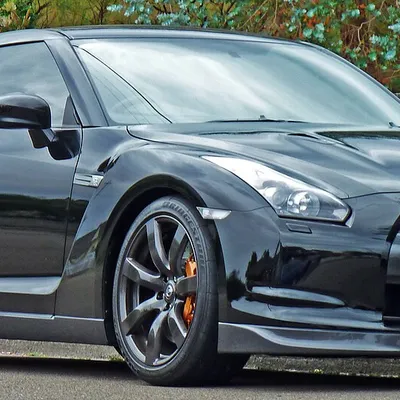
AWD systems vary widely in design. Subaru Symmetrical AWD and Audi Quattro use mechanical differentials with continuous power split. Most modern AWD passenger cars (Toyota, Honda, Hyundai) use Haldex-style on-demand systems where the rear axle engages only when slip is detected. Performance AWD (Nissan GT-R, Porsche 911 Turbo, Lamborghini Huracan) uses sophisticated electronic torque vectoring for cornering performance.
The downsides of AWD are added weight (typically 100-200 pounds compared to FWD or RWD equivalent), reduced fuel economy, and additional maintenance complexity. AWD is increasingly common as a feature on luxury and performance cars; it is the default on most Subaru models, Audi quattro models, and many modern crossovers.