DuelsLeaderboardGarageBlogCarsGlossaryBrowse

T-top

Car culture term

T-top
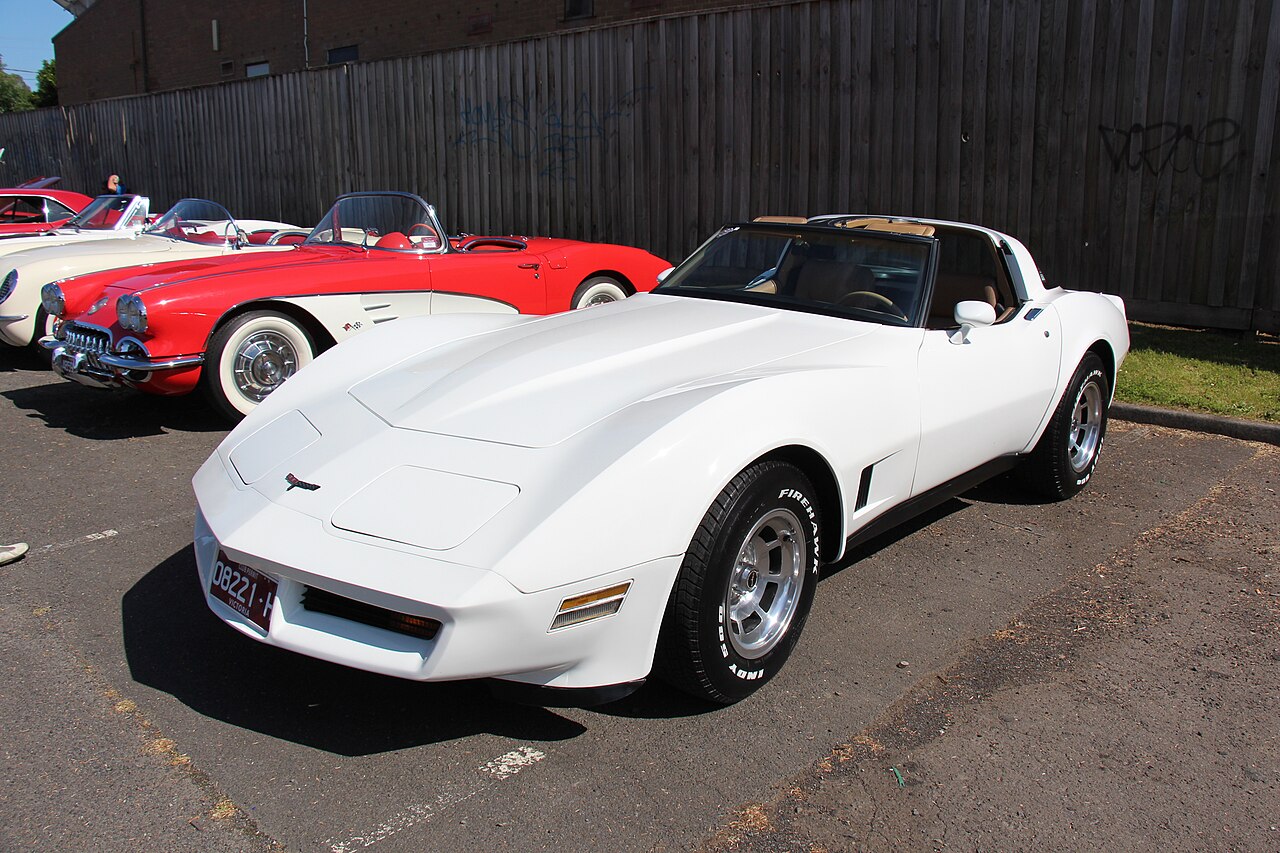
Photo: Sicnag / Wikimedia Commons · CC BY 2.0

What is T-top?

A roof design with two removable panels separated by a center brace. Common in 1970s-80s American muscle and sport cars.

T-top is a roof design featuring two removable panels separated by a center brace (the T-bar). The design allows open-air driving over both seats while retaining the structural rigidity of the center brace. T-tops are typically tinted glass or fiberglass panels. The body style was particularly popular in 1970s and 1980s American sports and muscle cars.

Iconic T-top cars include the 1973-1981 Pontiac Firebird Trans Am and Firebird Formula, the 1976-1986 Chevrolet Corvette C3 (some examples), the 1973-1981 Camaro Z/28 with optional T-top, the 1976-1991 Cadillac Eldorado Cabriolet, and various other sports and luxury cars of the era. The T-top option was an alternative to convertibles, providing similar open-air feel without the structural challenges of a true convertible.

T-top designs declined in the 1990s and 2000s as convertible engineering improved (allowing cars to be both rigid and convertible) and as customer preferences shifted away from the format. Some retro-themed cars (the 2010+ Camaro had no T-top option, breaking with the historic Z/28 association) still reference T-tops in design influence but the body style is largely retired in modern production.

Related terms

TargaConvertibleMuscle car

Frequently asked questions

How is T-top different from Targa?
T-top has two removable panels separated by a center brace running front-to-back. Targa has a single removable panel over the front seats with a fixed rear roof. T-tops provide more open-air area (over both seats); Targas provide a single open area but a more rigid body structure.
Are T-tops weatherproof?
When the seals are in good condition, yes. T-tops are designed to be water-tight when installed. The seals around the panels and the center brace are critical; degraded seals can cause water leaks. Older T-top vehicles often have leak issues as the seals age.
Are T-tops heavy?
Typically yes. The glass panels add significant weight to the roof, raising the center of gravity slightly. Fiberglass panels are lighter but less impact-resistant. Modern equivalents would use carbon fiber panels for weight reduction; original T-top cars used steel and glass for cost reasons.
Are T-top cars valuable?
For specific models. The 1977-1980 Pontiac Trans Am with T-top (the Smokey and the Bandit configuration) commands premium prices. Late 1970s and 1980s C3 Corvette with T-top is similar. T-top option pricing depends on the specific model and condition. Cars with the original T-top option in good condition typically hold value better than non-T-top equivalents.
Why did T-tops disappear?
Multiple factors. Customer preferences shifted toward fully convertible designs as convertible engineering improved. T-tops were heavier than fixed roofs (added structural complications). Sealing issues on aged cars made the option problematic. Manufacturer focus on body styles other than T-tops also reduced availability. The format is essentially retired in current production.
Back to Glossary