What is Camber?
The angle of the wheel relative to vertical when viewed from the front. Negative camber tilts the top of the wheel toward the car center.
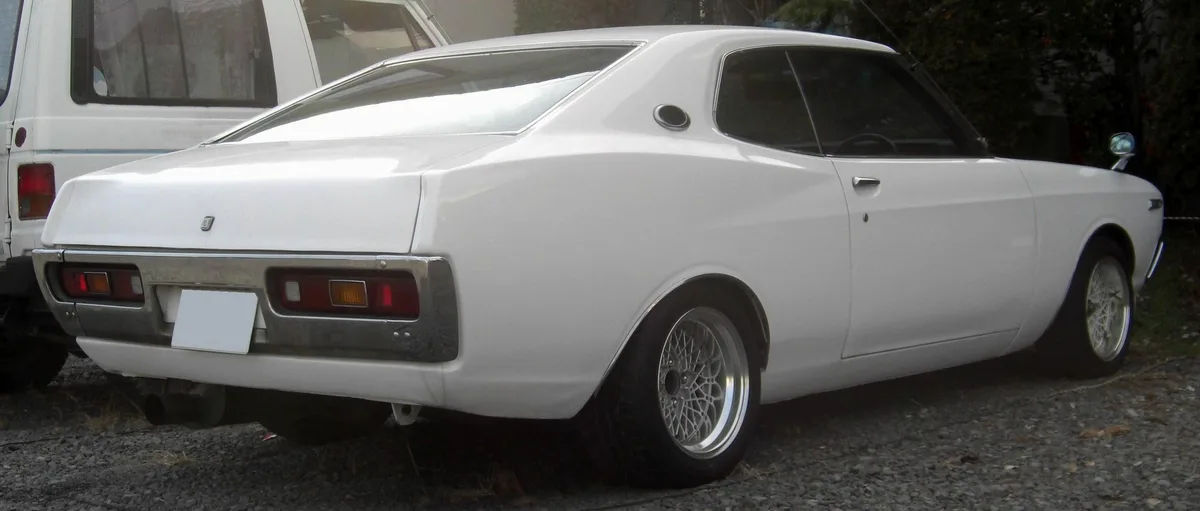
Camber is the angle of the wheel relative to vertical when viewed from the front of the vehicle. A wheel set at 0 degrees camber is exactly vertical. A wheel with negative camber has the top of the wheel tilted toward the car center; a wheel with positive camber tilts the top away from the center. Most modern cars have small amounts of negative camber from the factory (typically -0.5 to -1.5 degrees) for better cornering grip.
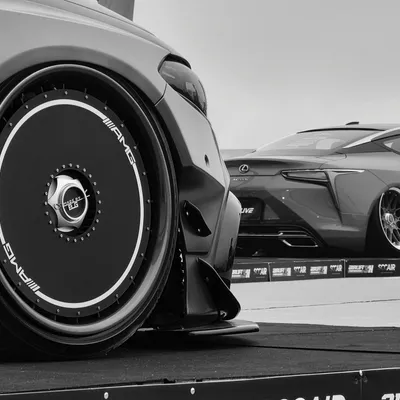
Performance applications often increase negative camber. On a track, more negative camber keeps more of the tire tread in contact with the road during cornering when the body rolls. Typical performance camber ranges are -2 to -3 degrees for street-driven cars and -3 to -4 degrees for track-focused setups. Excessive negative camber (-4 degrees or more) is common in stance builds for visual effect rather than performance.
Camber settings have trade-offs. More negative camber improves cornering grip but accelerates inner-tire wear under straight-line driving. Less negative camber preserves tire wear but reduces cornering grip. The optimum depends on the car, the tires, and the intended use. Camber kits, adjustable upper control arms, or custom suspension components are typically required to achieve aggressive camber settings.