What is Le Mans?
The 24 Hours of Le Mans. The most famous endurance race in the world, run annually since 1923 at Circuit de la Sarthe in France.
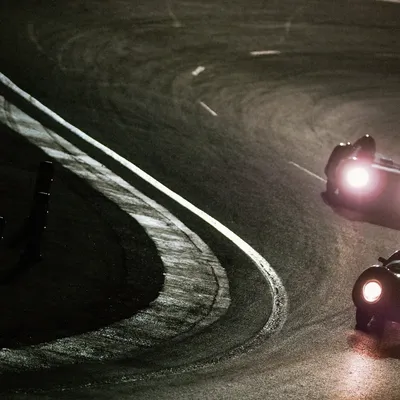
Le Mans (24 Hours of Le Mans, French: 24 Heures du Mans) is the world most famous endurance auto race, run annually at Circuit de la Sarthe in Le Mans, France. The race began in 1923 and has been held continuously except during World War II. The race is 24 hours long (overnight), with multiple drivers per car alternating throughout the race. The car covering the most distance in 24 hours wins.
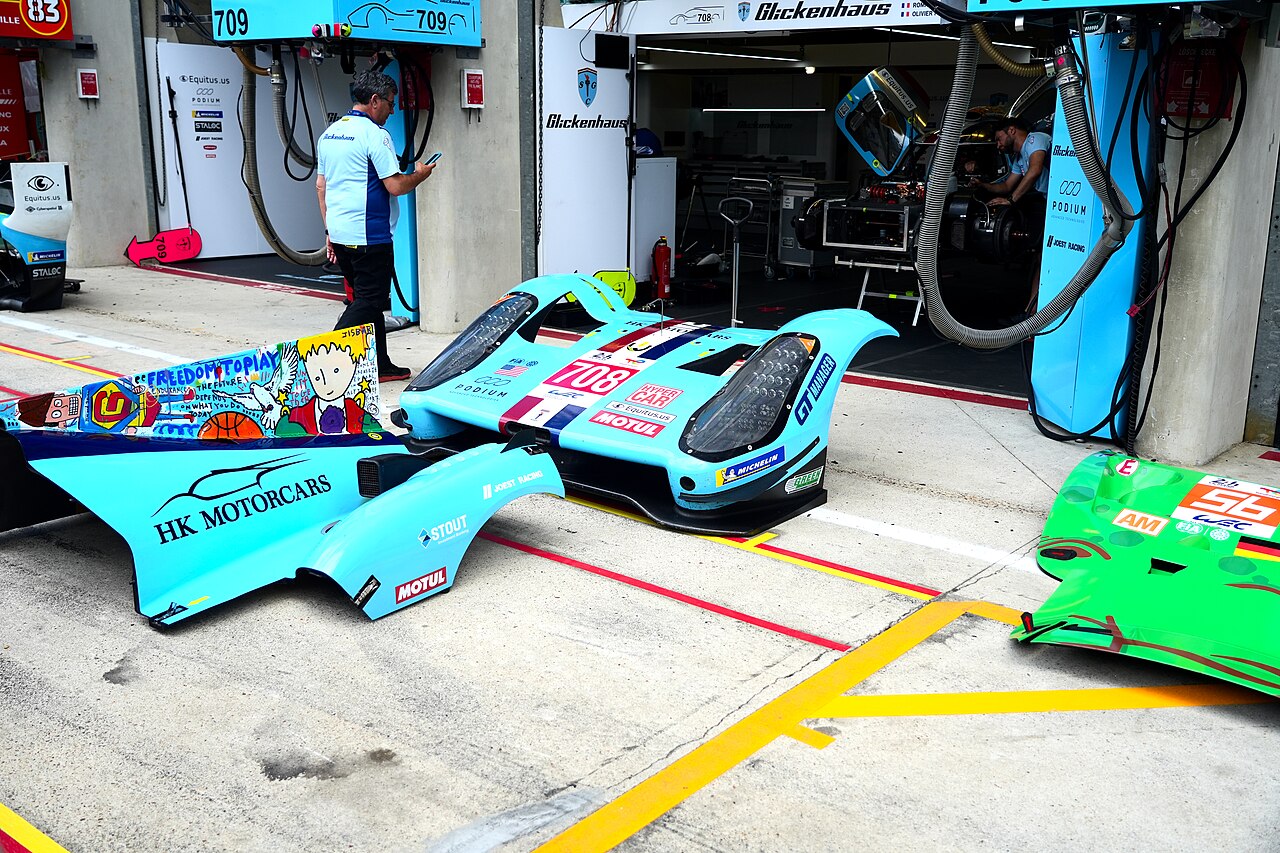
Le Mans winners are typically purpose-built racing prototypes (currently classified as Hypercar/LMH and LMDh) competing alongside GT-class cars (modified production sport cars). Notable Le Mans winning manufacturers include Audi (13 wins, dominant in the 2000s), Porsche (19 wins, the most overall), Ferrari (9 wins, historic Ferrari era), Ford (4 wins, including the GT40 era), and Toyota (5 wins, recent era). Mazda holds one win (1991 with the rotary 787B, the only Japanese maker to win Le Mans outright until Toyota in 2018).
Le Mans is part of the Triple Crown of Motorsport, alongside the Indianapolis 500 and the Monaco Grand Prix. Drivers who have won all three (only one driver, Graham Hill, has) are considered to have achieved racing's ultimate distinction. The 24-hour format creates unique challenges: cars must be reliable, drivers must avoid mistakes when fatigued, fuel and tire management is critical, and night racing has its own difficulties.