What is Opposite Lock?
The steering input applied toward the outside of a turn to counter and control oversteer, commonly seen in drift and rally driving where the rear of the car slides outward.
Opposite lock describes the act of steering the wheel toward the outside of a turn (counter-steering) when the rear of the vehicle steps out into oversteer. If the rear slides left, the driver turns right (opposite to the direction of the turn) to catch the slide. The term comes from the steering wheel being turned to the "opposite lock" position from the direction the car is cornering. It is synonymous with counter-steer.
Opposite lock is a fundamental skill in motorsports disciplines where controlled oversteer is a technique, including drifting, rallying, gymkhana, and certain forms of circuit racing on lower-grip surfaces. In rally racing, drivers routinely use opposite lock through loose-surface corners because initiating rotation with the rear (via Scandinavian flick, left-foot braking, or throttle input) and then catching it with opposite lock is faster than trying to maintain tight traction.
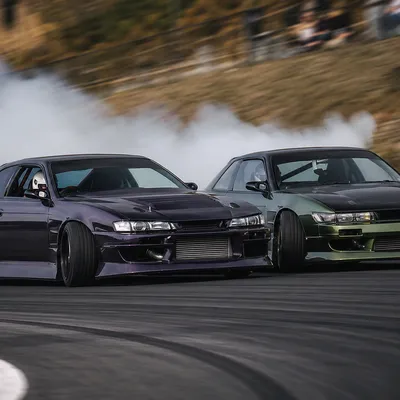
The visual of a car at full opposite lock with the steering wheel pointing opposite to the car's direction of travel has become iconic in car culture, featured prominently in motorsport photography and automotive media. Learning to catch slides with opposite lock is a rewarding and teachable skill developed in low-grip environments like empty parking lots or dedicated drift events.