DuelsLeaderboardGarageBlogCarsGlossaryBrowse

Cold air intake

Car culture term

Cold air intake
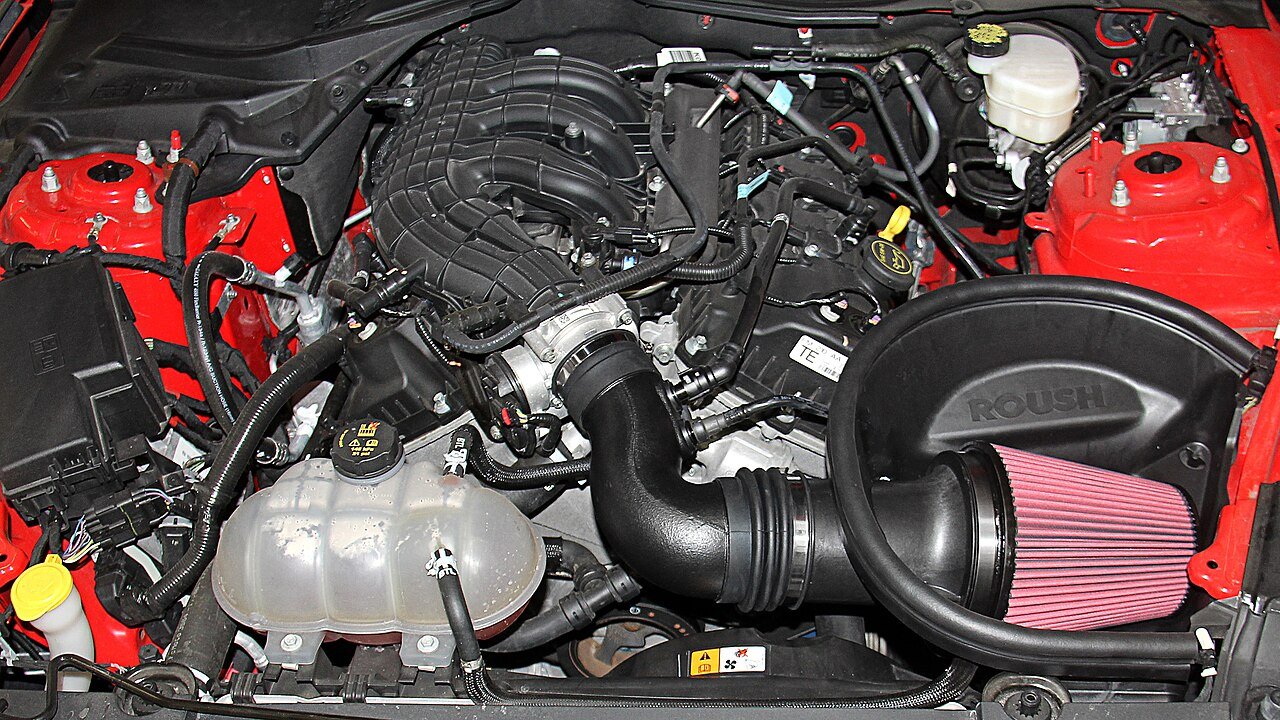
Photo: Karamitchen / Wikimedia Commons · CC BY-SA 4.0

What is Cold air intake?

An aftermarket air intake system designed to draw cooler air from outside the engine bay, increasing engine power slightly.

Cold air intake (CAI) is an aftermarket air intake system designed to deliver cooler ambient air to the engine intake. Stock air intakes typically draw air from the engine bay, where it has been warmed by the engine. Cooler air is denser and contains more oxygen molecules per volume, allowing the engine to make slightly more power. CAI systems route the intake to draw air from the front bumper, fender, or other locations outside the heat-soaked engine bay.

The power gain from a CAI is typically modest: 5-15 horsepower on naturally aspirated cars, slightly less on turbocharged cars (where the turbocharger compresses the intake air anyway). The gain is largely from reduced intake temperature; a properly engineered CAI can drop intake air temperatures by 30-60 degrees Fahrenheit compared to stock. The gain is most visible during sustained high-load operation where the stock intake heat-soaks.

Major CAI manufacturers include K&N, Volant, AEM, Spectre, and various others. Quality varies; some CAI systems are merely longer pipes with the filter relocated, while others include heat shielding and proper airflow design. CAI is often one of the first modifications enthusiasts make to a car because it is relatively inexpensive ($300-$800), looks good in the engine bay, and produces audible engine note changes that signal modification activity.

Related terms

TurboIntercoolerHeader

Frequently asked questions

How much horsepower does a cold air intake add?
Typically 5-15 horsepower on naturally aspirated cars; less on turbocharged. The gain is largely from reduced intake air temperature. Cars in hot climates or sustained high-load conditions see the biggest gains. The gain may not be measurable on every dyno run because of variability in atmospheric conditions.
Is a cold air intake worth the money?
Depends on goals. For pure power, the cost-per-horsepower ratio is poor compared to a tune or turbocharger upgrade. For sound, ease of installation, and the satisfaction of having a modified engine bay, CAIs deliver value. They are also reversible (the original airbox can be reinstalled) which makes them attractive for first modifications.
Will a cold air intake harm my engine?
Properly installed CAIs are safe. Common concerns include water ingestion (driving through deep water with a low-mounted intake) and dirt intrusion (filters that don't fit properly). Quality CAIs from reputable manufacturers include heat shielding and proper filter sizing. Cheap or poorly fitted CAIs can cause issues.
Do cold air intakes cause water ingestion?
Some CAI designs route the filter to a low location near the front bumper, which can ingest water during heavy rain or deep puddles. Engine hydrolock from water ingestion is a real (though rare) failure mode. Quality CAIs include water deflectors or are positioned to reduce risk. Driving through deep water is risky regardless of intake type.
Should I get a cold air intake or a tune first?
Tunes typically deliver more power per dollar than CAIs. A tune on a stock intake makes more power than a CAI on stock tune. The combination of CAI plus tune is best, but if budget is limited, the tune is usually the better first investment. Some tunes include parameters specifically for aftermarket intakes.
Back to Glossary