DuelsLeaderboardGarageBlogCarsGlossaryBrowse

Singer Vehicle Design

Car culture term

Singer Vehicle Design
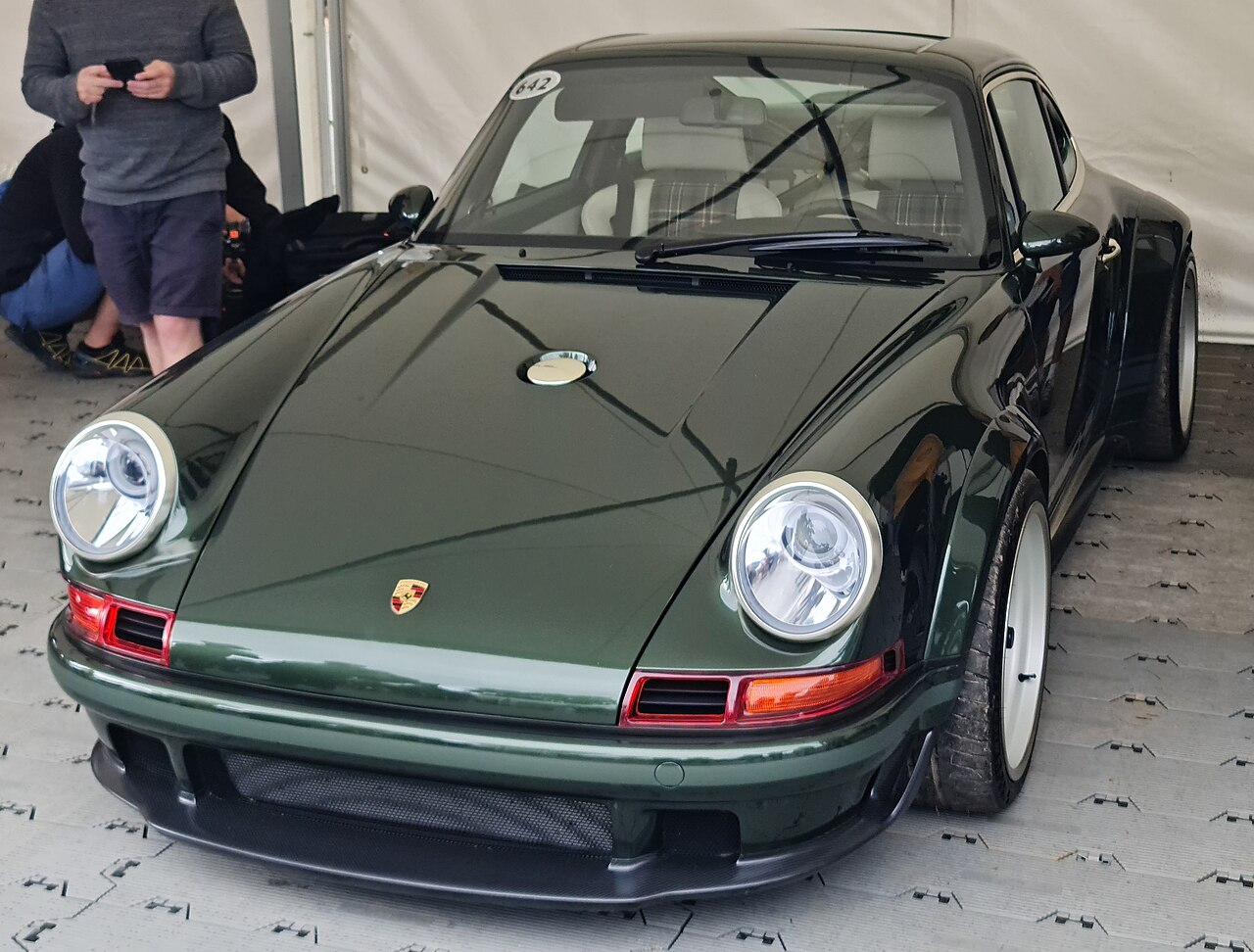
Photo: MrWalkr / Wikimedia Commons · CC BY-SA 4.0

What is Singer Vehicle Design?

Los Angeles-based Porsche restomod shop founded 2009 by Rob Dickinson. Famous for hand-finished 964 chassis builds with extreme attention to detail.

Singer Vehicle Design is a Los Angeles-based Porsche restomod shop founded in 2009 by Rob Dickinson (founder of the band Catherine Wheel). The company specializes in restoration and modification of Porsche 911 chassis (typically 964 generation, 1989-1994) into bespoke high-end vehicles called "Singer 911s." Each build is a complete restoration with extensive modifications: rebuilt engines, new bodywork, custom interiors, modern suspension and brake systems.

The Singer aesthetic emphasizes hand-finished craftsmanship combined with modern engineering. Cars maintain the visual character of the 911 (especially 964-era styling) while incorporating extensive bespoke modifications. Common Singer modifications include rebuilt naturally aspirated flat-six engines (often 4.0 displacement, around 350-450 horsepower), bespoke carbon fiber body panels, custom leather interiors with hand-stitching, modern Brembo brakes, custom suspension, and one-of-a-kind details specified by the client.

Singer has built approximately 200-300 cars over the company history. Pricing has climbed dramatically: early Singer 911s cost around $400,000; current builds typically range $1.2-$2 million depending on specifications. The Dynamics & Lightweighting Study (DLS) is the most extreme Singer variant, using carbon fiber extensively for weight reduction. Singer has expanded to other Porsche-derived projects including the upcoming Donington-engineered air-cooled engines for use in 911 restorations.

Related terms

RingbrothersRestomod

Frequently asked questions

Who founded Singer Vehicle Design?
Rob Dickinson, who is also known as the founder of the alternative rock band Catherine Wheel. Dickinson founded Singer Vehicle Design in 2009 after the band hiatus, focusing his Porsche enthusiasm into the restomod business. Dickinson remains involved in Singer creative direction.
Why does Singer use 964 chassis?
The 964 (1989-1994) is widely considered the ideal balance of vintage 911 character and modern engineering capability. The 964 has improved suspension geometry over earlier 911s, slightly more refined ergonomics, and a chassis that responds well to modification. The 964 era also has a robust supply of donor cars (compared to earlier or newer 911 generations).
How much does a Singer 911 cost?
Pricing has climbed significantly. Early Singer 911s sold for around $400,000-$500,000. Current Singer builds typically range $1.2 million to $2 million depending on specifications and customer choices. The Dynamics & Lightweighting Study (DLS) is the most expensive Singer variant. Pricing reflects the bespoke nature, craftsmanship investment, and limited production.
How long does a Singer 911 take to build?
Typically 12-18 months from order to delivery. The build process involves complete disassembly of the donor 964, machining and fabrication of bespoke parts, painting and finishing, and final assembly with extensive testing. Each car receives significant hand-finishing time. The waiting list has been significant for current Singer 911 commissions.
Is Singer the most expensive Porsche restomod shop?
Among the most expensive. Other shops (Theon Design, Tuthill Porsche, Gunther Werks) operate in similar premium price ranges. Singer pricing has climbed faster than competitors. Comparable craftsmanship from other Porsche restomod shops typically costs $300,000-$700,000 less than Singer. Buyers paying Singer premium are paying for the brand, the design language, and the limited availability.

Singer Vehicle Design on the blog

What Is a Restomod and Does It Look Better Than Stock?

A restomod is a classic car that has been restored with modern mechanical components while keeping the original body largely intact. The name is a compression of restoration and modification. You take a 1969 Camaro, strip it to the shell, put in a modern fuel-injected LS engine, current suspension geometry, four-wheel disc brakes, modern wiring, and air conditioning that actually works. The body stays. The bones get replaced. The result drives like a modern car and looks like something from fifty years ago...

Back to Glossary