What is Stance?
A modification style focused on aggressive ride height, wheel fitment, and camber, prioritizing aesthetic over function.
Stance describes a styling approach in which a car is lowered significantly, wheels are fitted to be flush with the fenders or beyond, and negative camber is added at one or both axles. The visual result is dramatic: the car appears to sit aggressively low with wheels that fill the wheel wells.
The style emerged from Japanese tuner culture (often called shakotan in Japan) and grew globally through the 2010s. The Stancenation event series, founded in 2010, has been a major driver of the style internationally. Common stance elements include air suspension or coilovers (for adjustable ride height), aggressive offset wheels (often with stretched tires), and camber adjustments.
Stance is controversial. Critics argue extreme stance reduces handling performance, accelerates tire wear, and can damage suspension components. Supporters argue that a properly executed stance build looks deliberate and shows craftsmanship. The middle ground (subtle drop, moderate offset, minimal camber) is widely respected.
Related terms
Frequently asked questions
Stance on the blog
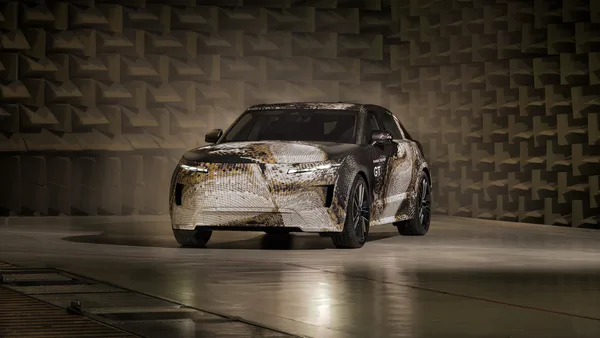
Range Rover posted a video on October 26 of the camouflaged GT finishing a test drive to the Nürburgring. It calls the electric GT its most aerodynamic model ever, with the lowest center of gravity of any Range Rover, and the video keeps calling it a car.
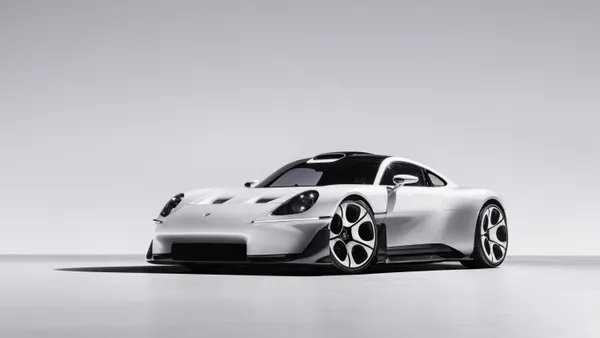
Porsche revealed the Mission S concept on October 15 with no built-in center screen. A MagSafe mount holds the driver's phone instead, beside five round gauges and push-pull knobs. Editors at The Drive and Motor1 welcomed the choice, and the CEO said a manual is possible.
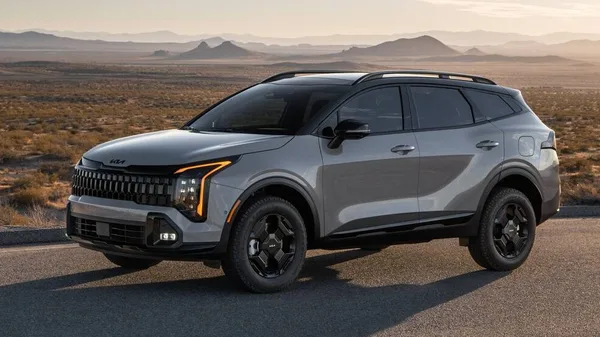
A camouflaged prototype of the next Kia Sportage has been photographed testing in Europe. It shows a boxier body, sharp-angled side windows, and new split lighting up front, following the redesigned Hyundai Tucson. It's expected as a 2028 model.
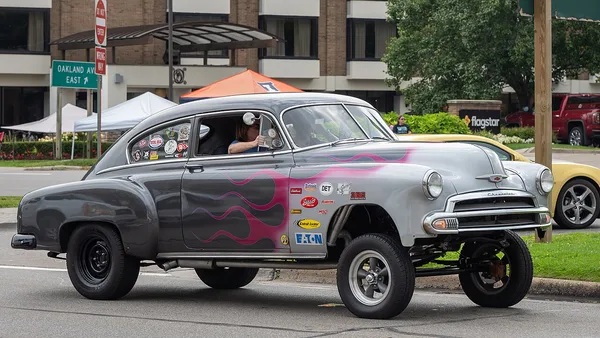
Rake is the tilt of a car from front to back. Hot rods run it nose-down, 1960s gassers ran it nose-up for traction, and pickups leave the factory with the rear sitting higher so they can carry a load.