DuelsLeaderboardGarageBlogCarsGlossaryBrowse

Pony car

Car culture term

Pony car
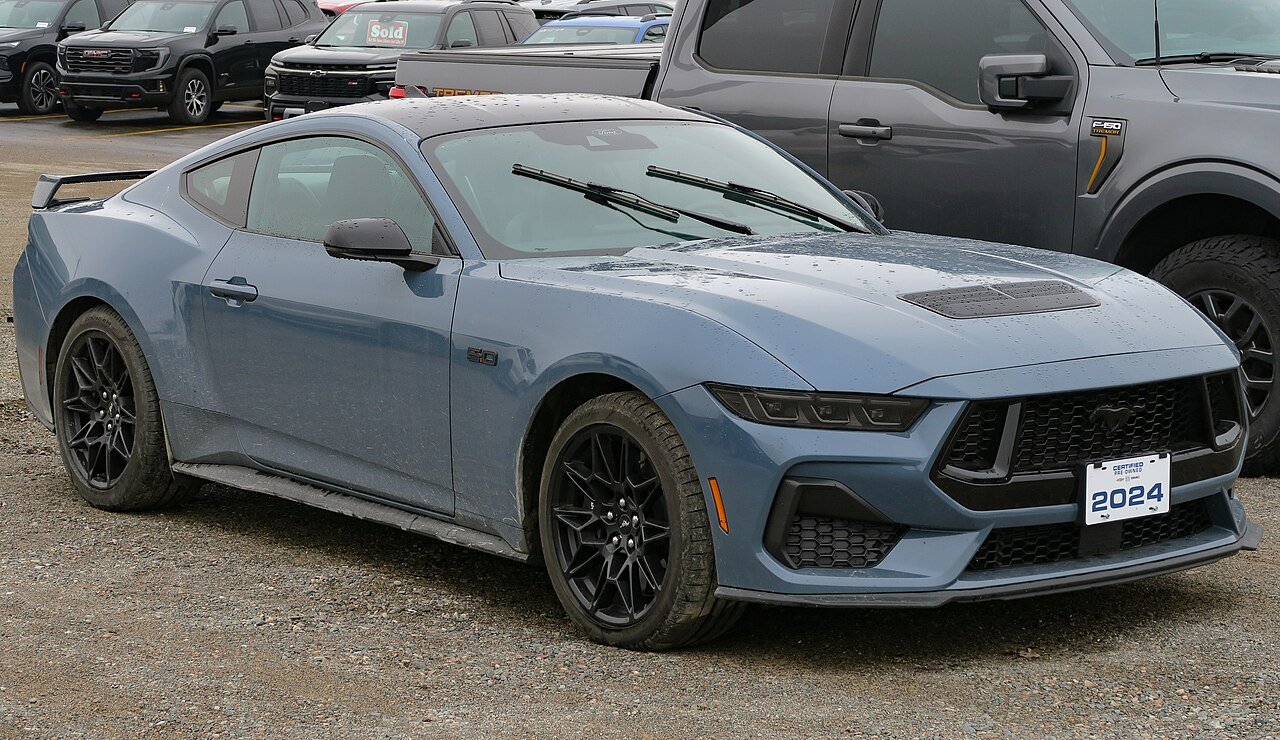
Photo: Elise240SX / Wikimedia Commons · CC BY-SA 4.0

What is Pony car?

An American sport coupe in the body style established by the 1964 Ford Mustang. Includes Camaro, Firebird, Barracuda, and Challenger.

Pony car is a category of American sport coupes named after the Ford Mustang (which used a horse logo). The 1964 Mustang launched in April 1964 (technically as a 1964 1/2 model) and was an immediate sales success. Other manufacturers followed quickly with direct competitors: the Plymouth Barracuda (1964), Chevrolet Camaro (1967), Pontiac Firebird (1967), Mercury Cougar (1967), Dodge Challenger (1970), and AMC Javelin (1968).

The pony car formula is a long hood / short deck body proportion, two-door coupe or convertible body, available with six-cylinder or V8 engines, and prices that targeted younger buyers. The Mustang specifically was Ford attempt to attract baby boomers with a car that was sporty, customizable through options, and affordable. The strategy worked spectacularly; the original Mustang sold over 400,000 units in its first year.

Modern pony cars include the Ford Mustang (in continuous production since 1964 across seven generations), the Chevrolet Camaro (1967-2024 with a hiatus from 2002-2009), the Dodge Challenger (1970-1974, then revived 2008-2023), and the Pontiac Firebird (1967-2002). The category is currently transitioning as Camaro and Challenger have ended production with Mustang remaining the only continuously-produced pony car.
Related terms

Muscle carHot hatchGrand tourer

Frequently asked questions

What is the difference between pony car and muscle car?
Pony car specifically refers to the Mustang and direct competitors (Camaro, Firebird, etc.) with the long hood / short deck body proportion. Muscle car is broader and includes mid-size sedans like the GTO, Chevelle, and Hemi Cuda. All pony cars can be muscle cars (with V8 options); not all muscle cars are pony cars.
Why was it called pony car?
After the Ford Mustang horse logo. The 1964 Mustang launched the category, and the horse-themed name (and competitor names like Pinto, Bronco, Cougar, Stallion) reinforced the equine theme. Pony car became the category name in motoring press of the era.
Is the Camaro really discontinued?
Yes, with no announced successor. Chevrolet ended Camaro production in early 2024. The decision was driven by declining sales and GM strategic pivot toward electric vehicles. A future electric Camaro has been rumored but not confirmed. The Mustang continues as the only continuously-produced pony car.

What was the original Mustang shape?
The 1964-1967 first-generation Mustang established the long hood / short deck proportions, the C-pillar shape, and the rear-quarter side scoops that became the visual hallmarks of the category. Subsequent Mustang generations have referenced the original silhouette in design, with the modern S550 and S650 making the references most explicit.
Are pony cars affordable?
Originally yes, deliberately so. The 1964 Mustang launched at $2,368 base, equivalent to around $24,000 today. Modern pony cars start higher: the 2024 Mustang GT starts around $44,000. The category has shifted upmarket as performance and equipment levels have increased. Used pony cars (particularly fourth-generation Firebirds and S197 Mustangs) remain affordable rear-drive V8 platforms.

Pony car on the blog

FWD vs RWD vs AWD: Which Layout Actually Drives Best?

Front-wheel, rear-wheel, and all-wheel drive send power to the wheels in three different ways, and each gives a car a completely different character. One is cheap and safe, one is the enthusiast's choice, and one splits the difference. Here is the honest breakdown of which layout drives best, and why it depends on what you want.

Why Is the Ferrari 250 GTO Worth $70 Million?

The Ferrari 250 GTO is the most valuable car in the world. One changed hands privately for a reported $70 million, and the public auction record sits above $50 million. Only 36 were ever built. But the price is a symptom, not the reason, and the reason is rarer than the car.

The Last Great Era of American Car Design (And Why It Ended)

American car design peaked twice. The first peak was the 1950s, when post-war prosperity and genuine cultural euphoria produced colors, proportions, and detail work that no subsequent era has matched. The second peak was shorter, more aggressive, and in many ways more interesting: the roughly decade-long window from 1964 to 1974 when American muscle car design produced some of the most visually forceful objects ever put on public roads. Then four things happened simultaneously and it was over within eighteen months...

Back to Glossary