DuelsLeaderboardGarageBlogCarsGlossaryBrowse

Two-step

Car culture term

Two-step
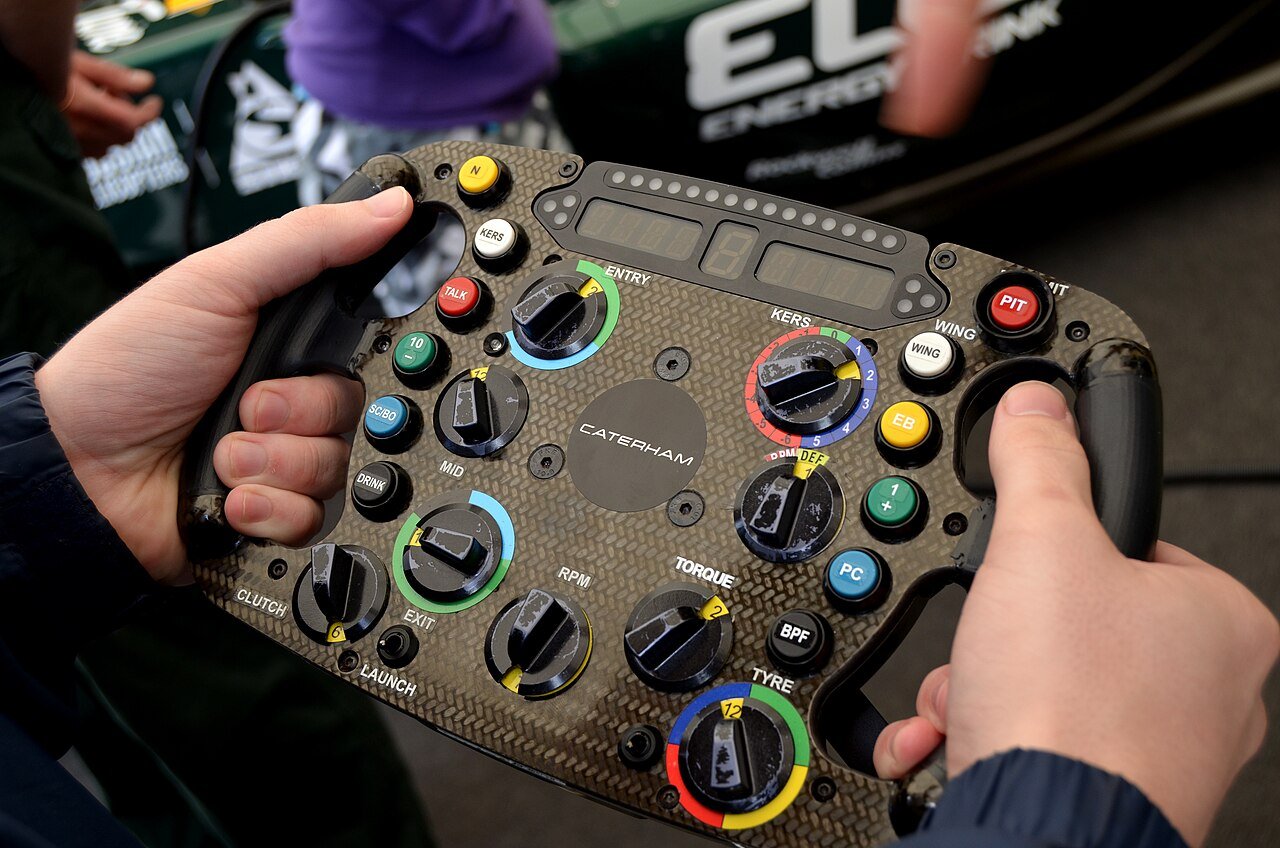
Photo: Nic Redhead from Birmingham, UK / Wikimedia Commons · CC BY-SA 2.0

What is Two-step?

A two-stage rev limiter system. The first stage holds engine RPM at launch level; the second is the regular redline. Used for drag racing launches.

Two-step is a two-stage rev limiter system used in performance cars. The first stage (the launch limit) holds the engine RPM at a specified level (typically 4,000-5,500 RPM) when the launch button is engaged or when launch control is active. The second stage is the regular redline (typically 7,000-8,000 RPM). The driver can hold the engine at the launch RPM with the throttle floored, then release the brake to launch with the optimal RPM.

Two-step systems are common in drag racing applications and are increasingly available as factory features in modern performance cars. The Volkswagen GTI launch control, BMW M Driver Logic launch control, and various other production launch control systems include some form of two-step. Aftermarket installations through engine management can add two-step to cars without it.

The two-step provides launch consistency. Without it, launching requires precise foot coordination (holding the brake while modulating throttle to the optimal RPM). With two-step, the driver can simply hold the throttle pedal and brake fully, then release the brake when ready. The result is more consistent launches and lower variation between runs at the drag strip.

Related terms

Launch controlRedlineECU tune

Frequently asked questions

How is two-step different from launch control?
Two-step is a specific feature; launch control is the broader system that may include two-step plus traction control, torque management, and other launch features. Two-step alone holds RPM at the launch level. Modern launch control adds AWD torque distribution, traction control adjustments, and other enhancements beyond the two-step.
Is two-step bad for the engine?
Modern two-step systems are designed to be safe. The brief operation at the launch RPM (typically a few seconds before release) is within engine design limits. Repeated launches do accelerate clutch wear (in manual transmissions) and dual-clutch wear, but the engine itself is fine.
Can two-step damage the catalytic converter?
Aggressive two-step systems with anti-lag features can damage catalytic converters from high exhaust temperatures and unburned fuel. Standard production two-step (without anti-lag) is generally safe for the catalytic converter. Aftermarket race-tuned two-step systems are typically used with race-only catless exhausts.
What is the optimal launch RPM?
Engine and tire-specific. For typical turbocharged cars, 4,000-5,500 RPM provides a good balance of boost availability and traction. For naturally aspirated cars, the launch RPM is typically lower (2,500-3,500 RPM). For drag racing, the optimal launch RPM is found through testing different settings to find the fastest launch.
Can I install two-step on a stock car?
Some platforms allow it through ECU tuning (Volkswagen, Hyundai, BMW). Cars with factory launch control typically have factory-grade two-step. Adding two-step requires engine management modification and is typically part of a broader tune package. Standalone ECUs offer the most flexibility for two-step tuning.

Two-step on the blog

How Much Does It Cost to Attend Import Face-Off?

Import Face-Off is one of the longest-running and most accessible car events in the United States, and the pricing reflects that. IFO originated in 2001 and has grown into the largest continually running national import show and race series in the country, with 40+ events annually. It is not a corporate production or a high-ticket motorsport event. It started as a grassroots show in South Louisiana and it has kept its pricing in line with that identity for over two decades...

Back to Glossary