What is Hypercar?
The most extreme tier of supercars, characterized by carbon fiber construction, 900+ horsepower, and prices typically over $1 million.
Hypercar is the most extreme tier of supercars. The category emerged in the 1990s with the McLaren F1, the Bugatti EB110, and the Jaguar XJ220, and grew through the 2000s with the Bugatti Veyron, the Koenigsegg CCR, and the Pagani Zonda. The defining traits are carbon fiber construction, naturally aspirated or hybrid powertrains making 900+ horsepower (often well over 1,000), top speeds typically over 220 mph, and prices typically starting at $1 million.
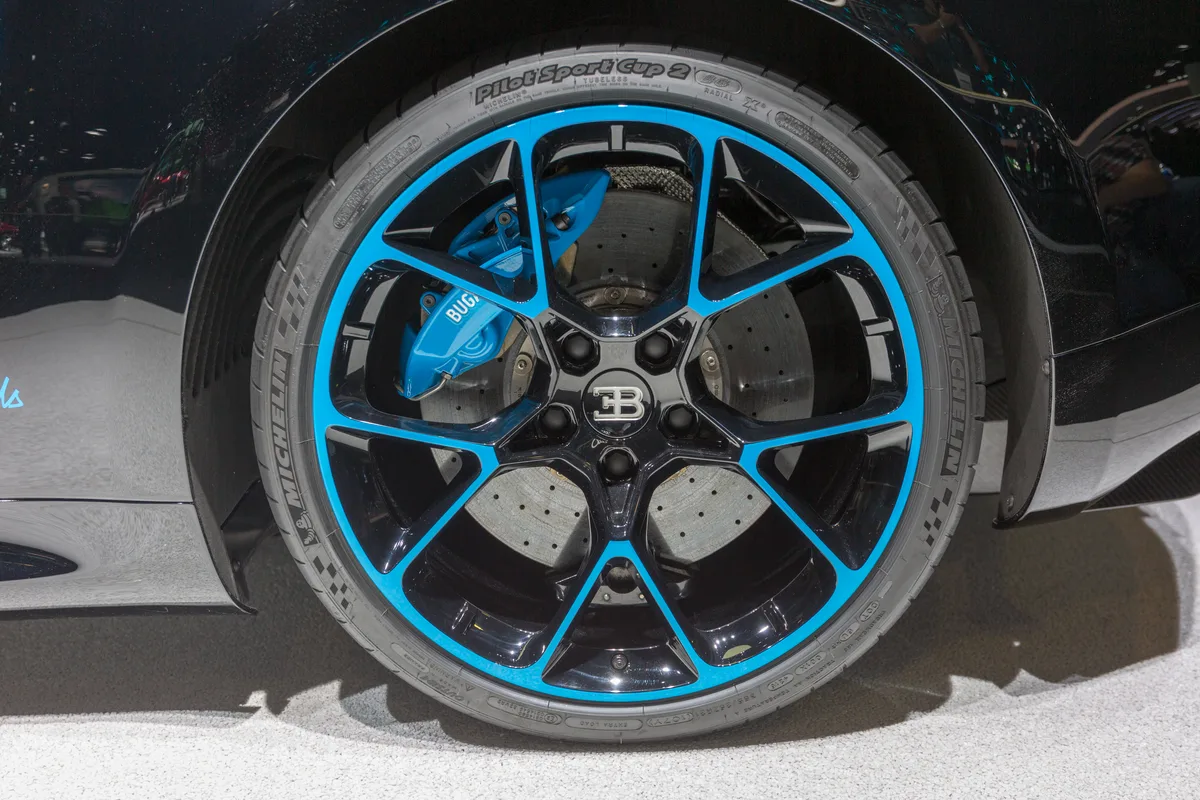
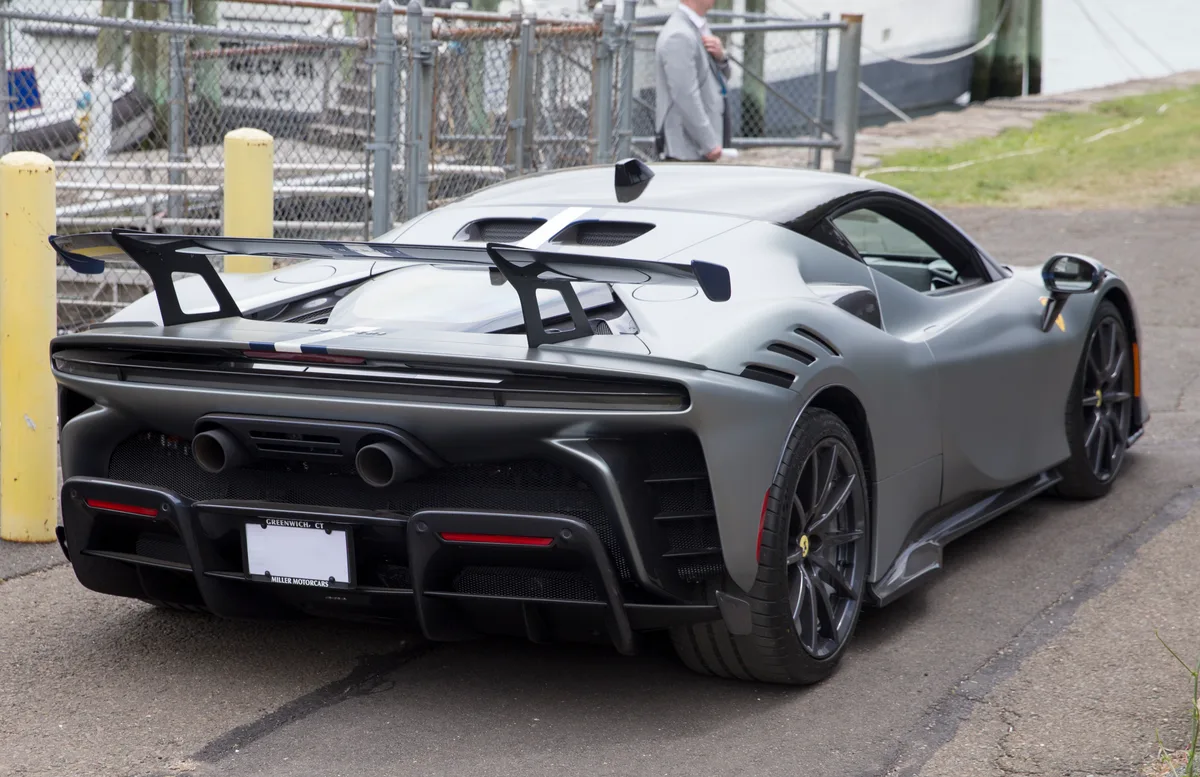
The line between supercar and hypercar is somewhat fluid. Generally, modern hypercars include the Bugatti Chiron (and Tourbillon successor), Pagani Huayra and Utopia, Koenigsegg Jesko, Hennessey Venom F5, Rimac Nevera, and limited production halo cars from established makers (Ferrari LaFerrari, Porsche 918 Spyder, McLaren P1, Mercedes-AMG ONE). All cost over $2 million and are produced in limited volumes (often under 500 units).
The 2010s saw the holy trinity of hybrid hypercars (LaFerrari, 918 Spyder, P1) launch within months of each other. The 2020s have seen electric hypercars (Rimac Nevera, Pininfarina Battista) compete with internal combustion (Bugatti Chiron successors, Pagani Utopia). The Koenigsegg Gemera blurs categories with its four-seat hypercar configuration.