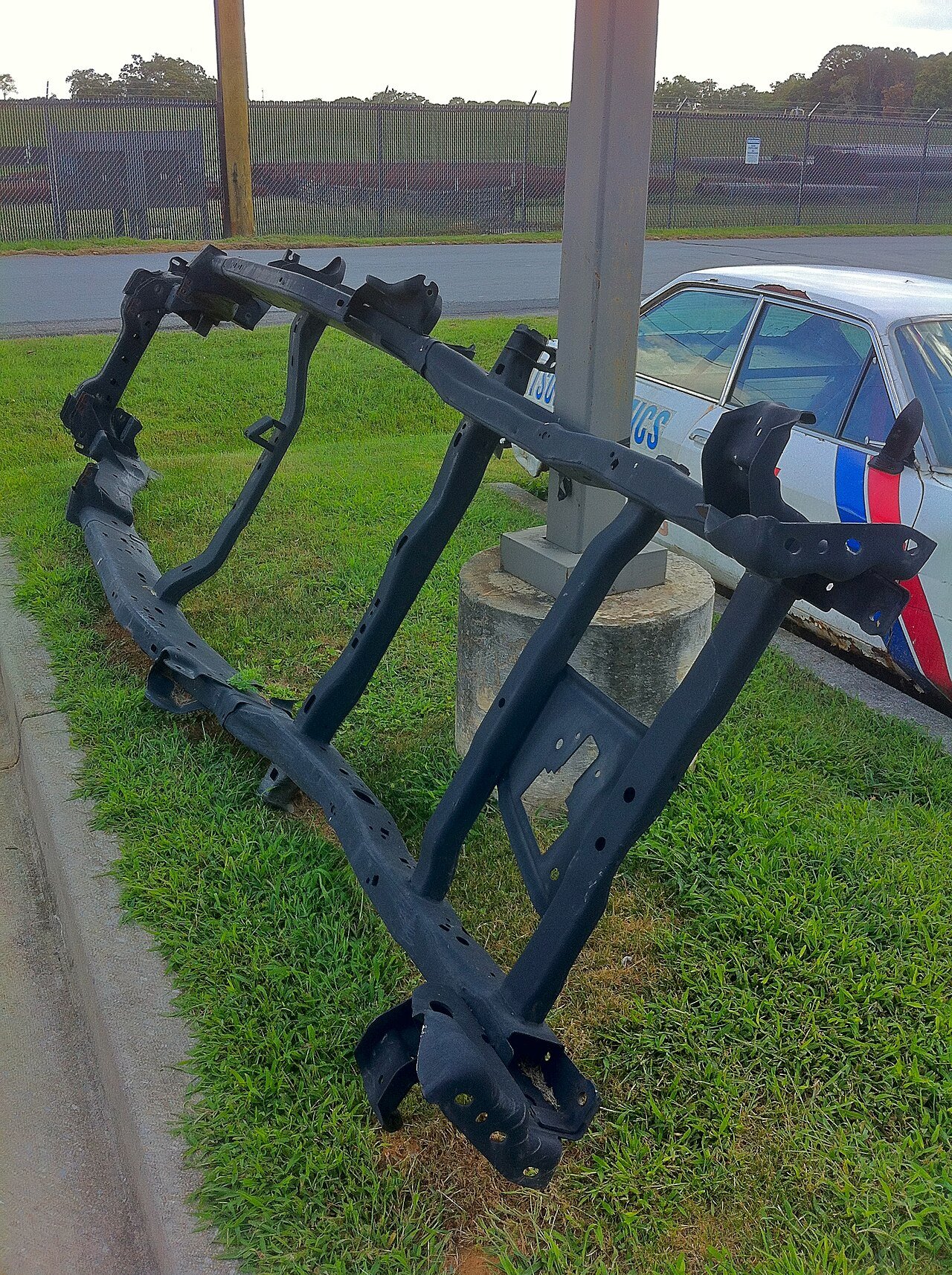
What is Body-on-frame?
A vehicle structure where the body sits on a separate ladder frame. Common in trucks, traditional SUVs, and serious off-roaders.
Body-on-frame is a vehicle structure where the body is mounted on a separate ladder-style frame. The frame carries structural loads (towing, suspension mounting, crash forces) while the body provides interior space and styling. The two are connected through body mounts that absorb some vibration. The approach is the traditional automotive structure dating to the early 20th century.
Body-on-frame remains common in trucks (Ford F-150, Ram 1500, GMC Sierra, Chevrolet Silverado, Toyota Tundra) and traditional full-size SUVs (Chevrolet Tahoe, Ford Expedition, Cadillac Escalade). The construction allows higher towing capacity, better off-road durability, and easier body damage repair (since the body and frame are separate components). The disadvantages are higher weight and lower torsional stiffness compared to monocoque.
The Wrangler Jeep, the Toyota Land Cruiser, and most off-road-focused vehicles retain body-on-frame for the off-road durability advantage. The structure can absorb hard impacts (rock crawling, severe washboard) without bending the passenger compartment. Modern body-on-frame designs use sophisticated frames (often with integrated crash structure and crash-optimized cross-members) to maintain crash safety while preserving the off-road advantages.