DuelsLeaderboardGarageBlogCarsGlossaryBrowse

Shakotan

Car culture term

What is Shakotan?

Japanese term for "low car" - the original Japanese low-ride-height aesthetic that influenced global stance culture.

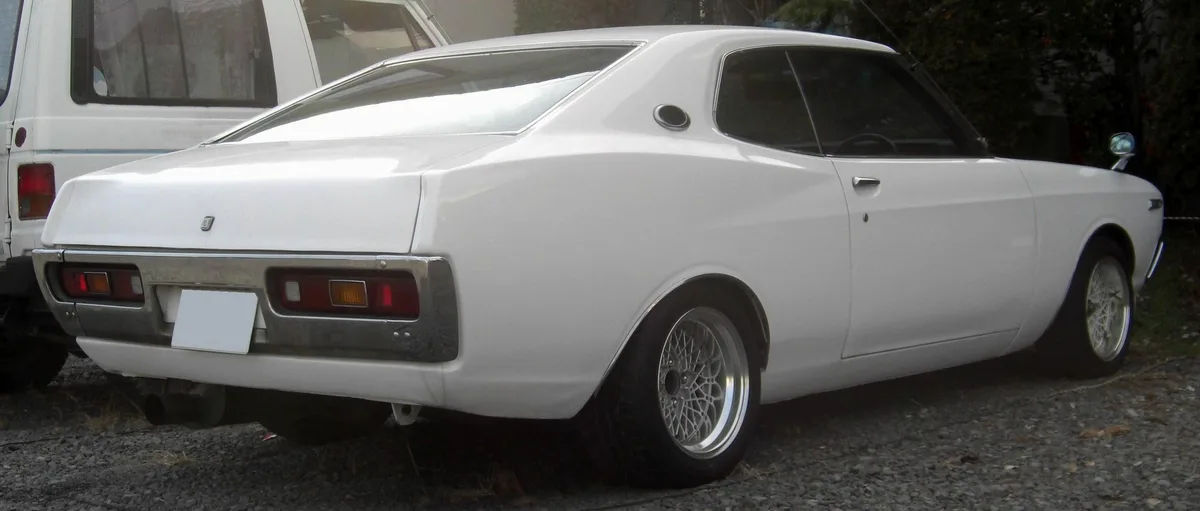
Shakotan is a Japanese term meaning "low car" (sha = car, kotan = low). The aesthetic emerged in Japan in the 1970s and 1980s as enthusiasts modified production cars with reduced ride heights, often with corresponding wheel and fender modifications. Shakotan is the conceptual ancestor of modern Japanese stance culture and a significant influence on global stance and Hellaflush trends.

Classic shakotan focused on the lowered ride height as the primary modification, often achieved through cut springs, custom-made spacers, or modified shock mounts (rather than purpose-built coilovers). The stance was often paired with deep-dish wheels, OE-style or aftermarket fender flares, and traditional Japanese tuner cosmetic touches. The aesthetic was the foundation that later movements (VIP styling, hellaflush, modern stance) built upon.

The shakotan label is still used in Japanese car culture today, often interchangeably with stance. Globally, the term is used to specifically reference Japanese-influenced lowered builds with traditional Japanese tuner aesthetic. The term carries cultural weight that the more generic "stance" or "lowered" labels do not.

Related terms

StanceHellaflushBosozoku

Frequently asked questions

What does shakotan mean?
Sha (車) means car or vehicle, and kotan (kotan) means low. Combined, shakotan means "low car." The term has been used in Japanese car culture since the 1970s to describe lowered modified vehicles, particularly Japanese sedans and coupes.
Is shakotan the same as stance?
Stance is the broader modern global term that derives partly from shakotan. Shakotan specifically refers to Japanese-influenced lowered builds. All shakotan cars are stance cars (they are lowered with attention to wheel fitment and aesthetics); not all stance cars qualify as shakotan because the label implies Japanese tuner culture origins.
When did shakotan start?
The 1970s in Japan. The exact origins are disputed (multiple Japanese tuner shops claim influence from the period), but the aesthetic was widely established by the early 1980s. The shakotan tradition predates the modern Western stance movement by 20-30 years.
What cars are good shakotan candidates?
1980s and 1990s Japanese sedans and coupes are classic. Toyota Cressida, Mark II, and Chaser. Nissan Cedric and Laurel. Honda Accord and Prelude. Mazda Cosmo and 929. The aesthetic translates well to modern Japanese sedans (Lexus IS, Honda Accord) but the most authentic shakotan builds use period-correct chassis.
Is shakotan legal?
Same legal questions as any extreme stance build. Japan has minimum ride height requirements and emissions inspection (Shaken) that strict shakotan modifications can fail. Many shakotan owners modify cars in ways that prevent street registration. In the US, similar minimum height laws apply (varying by state).

Shakotan on the blog

What is shakotan? Japan's original lowered car style

Shakotan literally means low car, and it's the 1970s Japanese style that every lowered car since has descended from. Deep-dish wheels, a scraped ride height, mild flares, and clean lines. Here's what separates it from bosozoku, kaido racer, and VIP style.

What Is Bosozoku Style?

Bosozoku is the most extreme corner of Japanese car culture: cars with exhaust pipes that stab into the sky, body kits that defy aerodynamics, and color schemes that refuse to be ignored. It started with rebel bikers, and it has never been about subtlety.

The Car Vocabulary That Changes How You See Every Faceoff

Car culture has its own language and it moves fast. A conversation about a Skyline build can cover RB26 specs, ATTESA AWD, coilovers, hellaflush stance, and RWB widebody kits before you've finished your first coffee. If you don't know the vocabulary, you're not lost exactly, but you're definitely translating while everyone else is talking.

Back to Glossary