DuelsLeaderboardGarageBlogCarsGlossaryBrowse

Daily driver

Car culture term

Daily driver
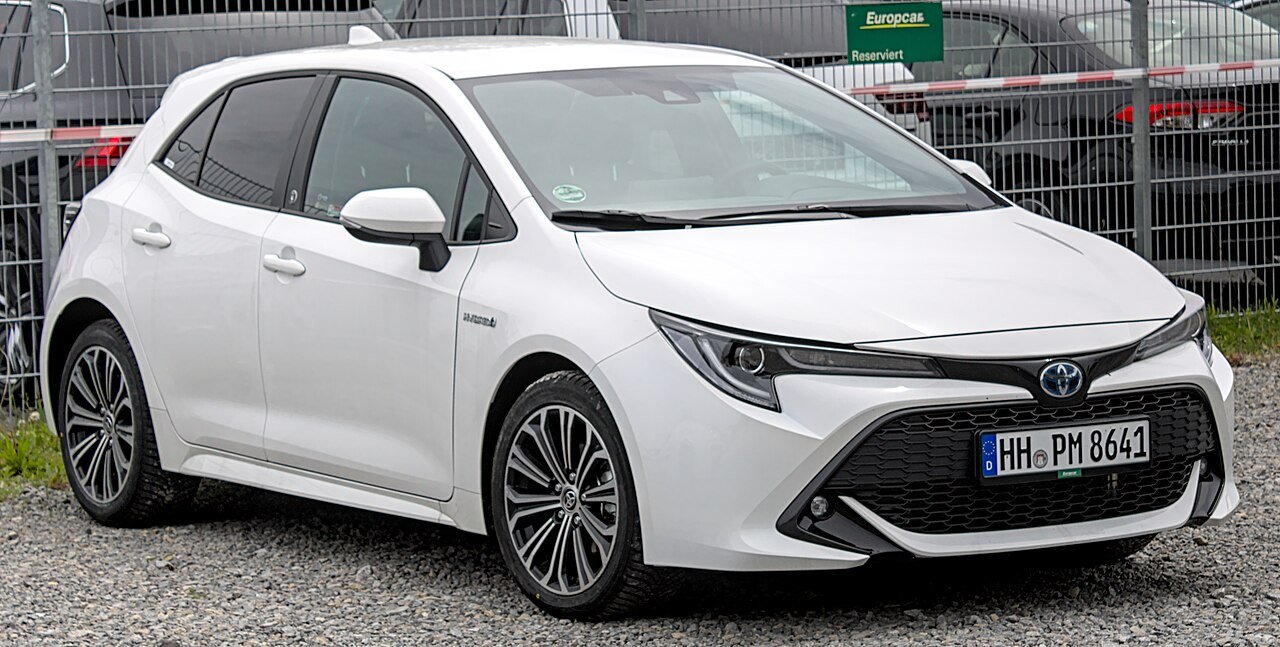
Photo: Alexander Migl / Wikimedia Commons · CC BY-SA 4.0

What is Daily driver?

A car driven regularly for everyday transportation, as distinct from a weekend, project, or show car. Often abbreviated DD.

Daily driver describes a car driven regularly for everyday transportation. The term contrasts with weekend cars, project cars, garage queens, and show cars that are driven only occasionally. Most enthusiasts have at least one daily driver and often a separate enthusiast vehicle (or several). The daily driver typically prioritizes reliability, comfort, fuel economy, and weather capability over outright performance or aesthetic.

The choice of daily driver varies significantly by enthusiast philosophy. Some choose practical and reliable cars (Honda Accord, Toyota Camry, modern crossovers) to handle commuting while preserving the enthusiast cars for weekend use. Others choose more interesting cars (Honda Civic Si, Volkswagen GTI, Subaru WRX) that balance daily practicality with some driver engagement. A small subset choose extreme cars (Lamborghini, Ferrari, modified track cars) as daily drivers despite the practical compromises.

The phrase "daily-driven" or "DD" is shorthand for any vehicle that someone drives regularly. A modified car described as "DD" usually has compromises (loud exhaust, stiff suspension, occasional reliability concerns) that the owner accepts in exchange for the daily fun. The opposite is a "garage queen" - a car that rarely leaves storage and is driven only for special occasions or short distances.

Related terms

SleeperOEM-plusRestomod

Frequently asked questions

What makes a good daily driver?
Reliability (predictable starting and operation in all weather), reasonable fuel economy, comfortable seating and ride, reasonable cargo capacity, and acceptable safety equipment. The car should handle commuting without drama. Personal preferences for transmission type, interior comfort, and driver engagement vary widely.
Is a sports car a good daily driver?
Depends on the sports car and the driver. Modern sports cars (Mazda Miata, BMW M2, Toyota GR86) can be reasonable daily drivers with manageable trade-offs. Hardcore track-focused cars (Porsche 911 GT3, Lotus Elise) work as dailies for some owners but require significant tolerance for stiff ride, road noise, and limited cargo. Climate matters: many sports cars are not ideal in winter conditions.
Can a stance car be a daily driver?
Yes, with compromises. Air suspension makes daily driving easier (raise for parking, lower for show). Static drops require constant attention to driveways, speed bumps, and parking situations. Tire wear and cosmetic damage are higher than for stock cars. Weather (snow especially) is challenging.
What is a beater?
A beater is an inexpensive, often older daily driver that the owner does not particularly value but uses for transportation. Owners typically drive beaters with minimal concern for cosmetic damage or the inevitable depreciation. The opposite end of the spectrum from a garage queen.
How is a daily driver different from a project car?
A daily driver is driven regularly for transportation. A project car is being modified, restored, or built and is typically not in regular driving service. The same vehicle can be both at different points in its life. A car owner might daily drive a 2005 Civic while building a 1987 RX-7 in the garage as a project.

Daily driver on the blog

Audi's boss says the pricier the car, the more buyers want an engine

Audi CEO Gernot Döllner says enthusiasm for combustion engines rises with price: the higher the segment, the more buyers want an engine, while EVs are accepted fastest at the cheap end. Audi's $700,000, 987-hp Nuvolari, with a V8 that revs to 10,000 rpm, is the proof.

Is Ceramic Coating Worth It?

Ceramic coating is worth it if you care how your paint looks and you understand what you are buying: a semi-permanent chemical layer that protects against UV fade, chemical etching, and dirt adhesion for two to five years. It is not worth it if you expect it to stop rock chips and scratches, because it will not.

How Many Miles Is Too Many for a Used Car?

There is no single mileage number that makes a used car a bad buy, but there is a useful baseline: American drivers average roughly 13,500 miles per year, so divide the odometer by the car's age and you know immediately whether it lived a normal life. The honest answer is that mileage stopped being the number that matters most.

What Is the 20/4/10 Rule for Buying a Car?

The 20/4/10 rule is a car-buying guideline that says you should put at least 20 percent down, finance for no more than 4 years, and keep your total monthly transportation costs under 10 percent of your gross monthly income. Transportation costs means everything: the loan payment, insurance, fuel, and maintenance.

Back to Glossary