What is Mid-engine?
An engine layout where the engine is placed behind the driver and in front of the rear axle. Used in most modern supercars for optimal weight distribution.
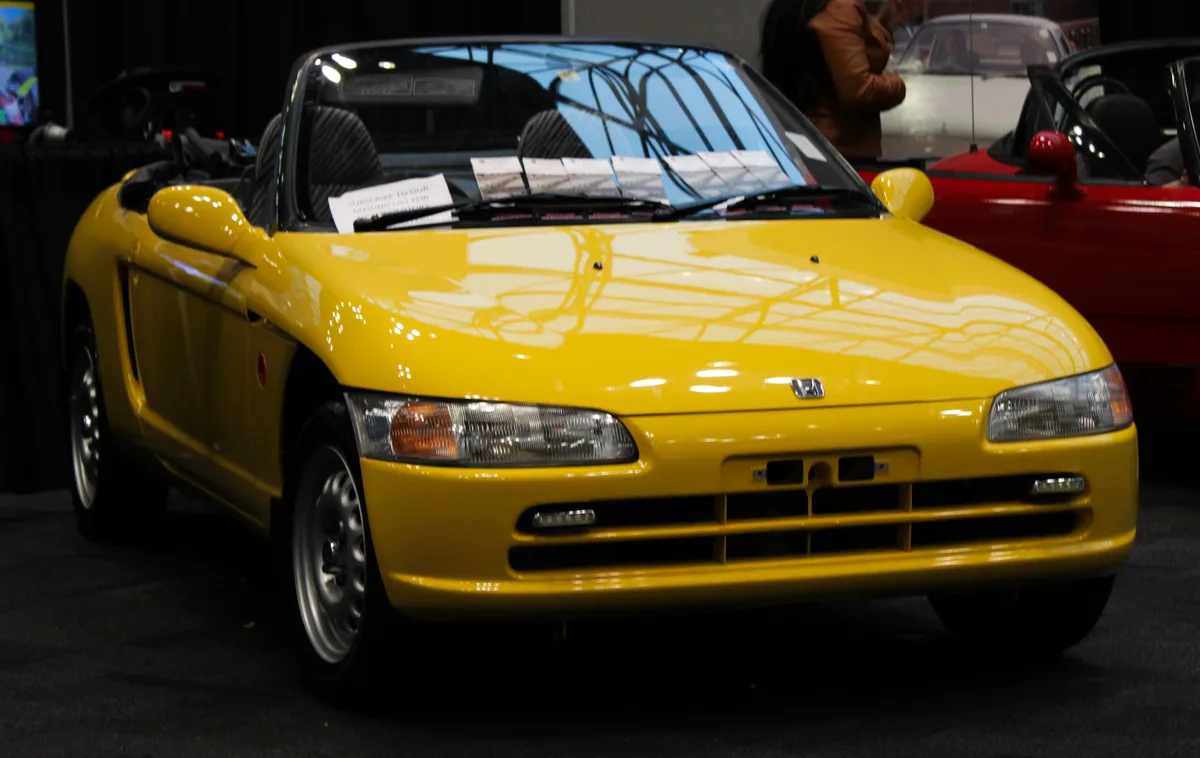
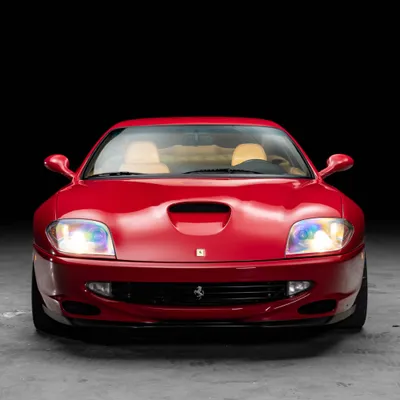
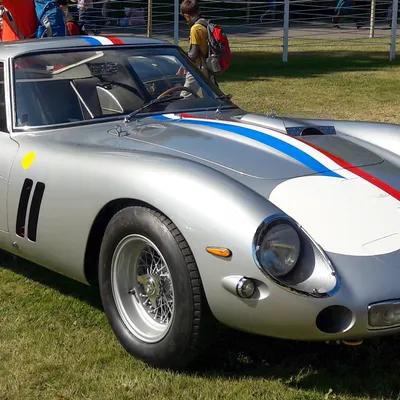
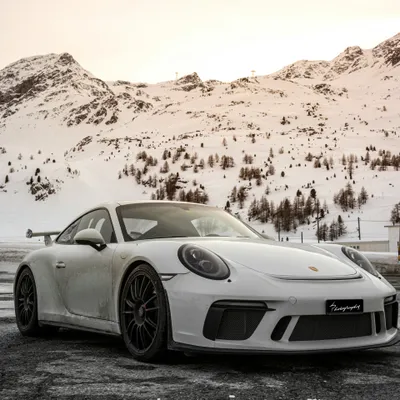
Mid-engine describes a drivetrain layout where the engine is placed behind the driver and in front of the rear axle. The result is centralized weight distribution (close to 50/50 front/rear, often slightly rear-biased), low polar moment of inertia, and excellent handling balance. Most modern supercars use mid-engine layouts: Ferrari V8 cars, Lamborghini Huracan, Lamborghini Aventador (technically mid-engine despite the V12 length), McLaren cars, Porsche 718 Cayman/Boxster, and the modern Corvette C8.
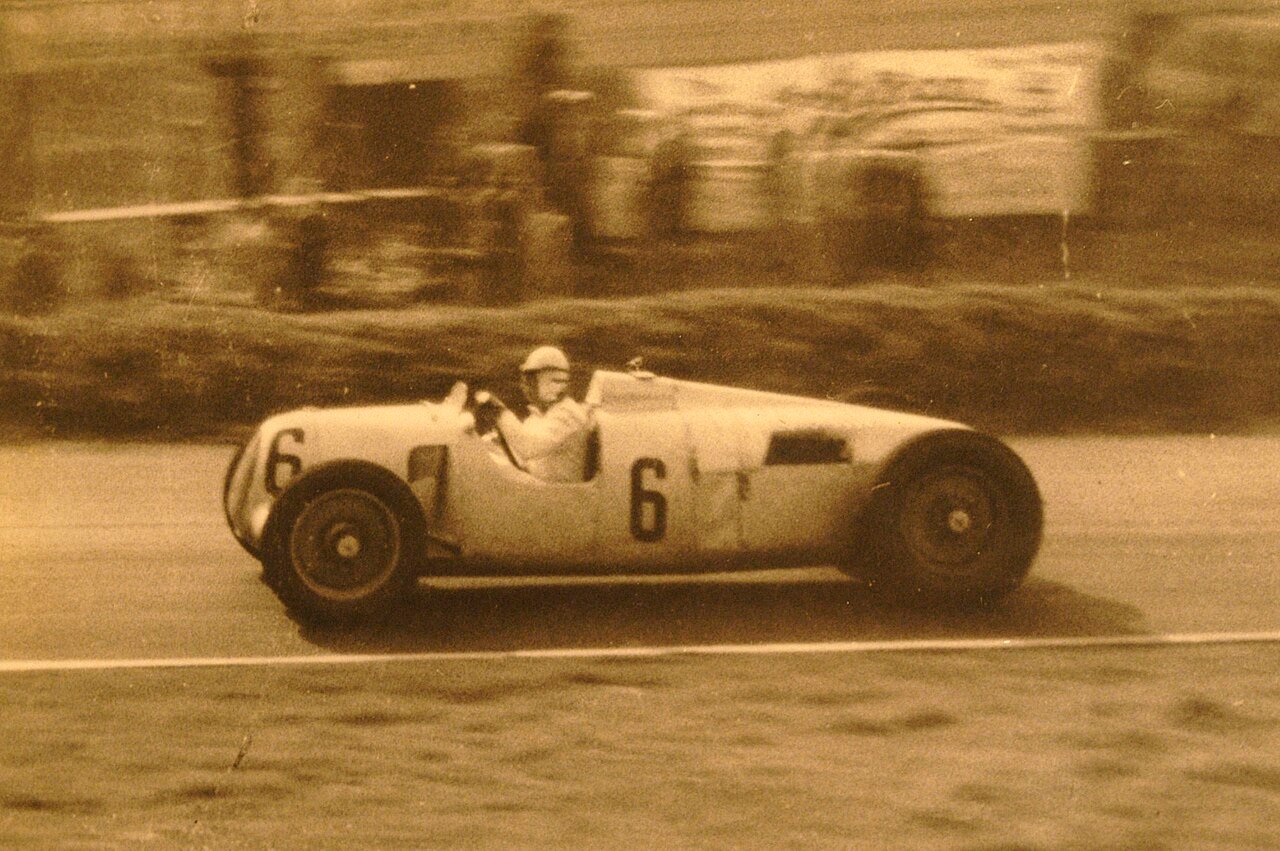
The mid-engine layout was uncommon in production cars until the 1960s. The Lamborghini Miura of 1966 popularized the modern mid-engine supercar formula. Earlier mid-engine cars include the Porsche 550 Spyder (1953-1956), various racing prototypes, and the Volkswagen Beetle (technically rear-engine, but the layout influenced thinking about non-front-engine design).
Mid-engine cars have practical disadvantages: limited cargo space (no front trunk because the engine is behind, often only a small front trunk and a small rear trunk), restricted rear visibility (the engine blocks rear sightlines), and packaging complexity (everything behind the driver and ahead of the rear axle competes for space). The handling and weight benefits typically outweigh these compromises in performance cars.