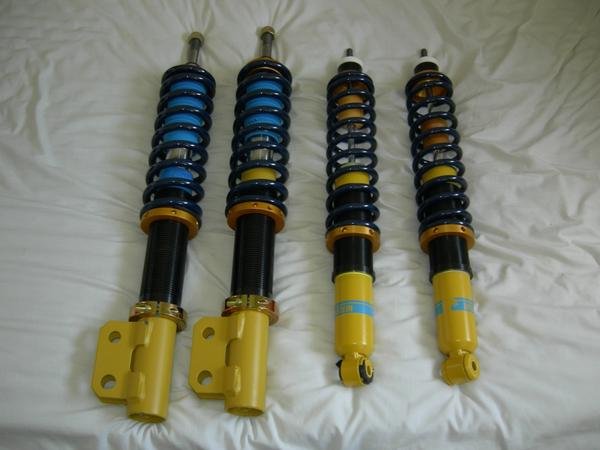
What is Coilovers?
An adjustable suspension system combining the coil spring and damper into one unit, with adjustable height and damping rate.
Coilovers are an adjustable suspension system combining the coil spring and shock absorber (damper) into a single integrated unit. The system allows owners to adjust ride height (by changing spring perch position), spring rate (by replacing the coil spring), and damping rate (through external adjusters on the damper body). Coilovers replace the factory spring and damper with a more capable, adjustable alternative.
Quality coilovers offer several advantages over factory springs and dampers: adjustable height for stance or track use, stiffer spring rates for performance applications, adjustable damping for changing road and driving conditions, and longer service life. The trade-off is cost (a quality set of coilovers costs $1,500-$3,000 plus installation) and ride harshness (stiffer springs reduce comfort over rough roads).
Major coilover manufacturers include KW Suspension (German, top-tier), Ohlins (Swedish, racing-focused), Bilstein (German, often factory supplier and aftermarket), Tein (Japanese, popular for street use), HKS (Japanese, performance-focused), and Bilstein (German, mid-range). Quality varies significantly by tier; budget coilovers ($300-$800) typically have shorter life and inferior dampers.
Related terms
Frequently asked questions
Coilovers on the blog
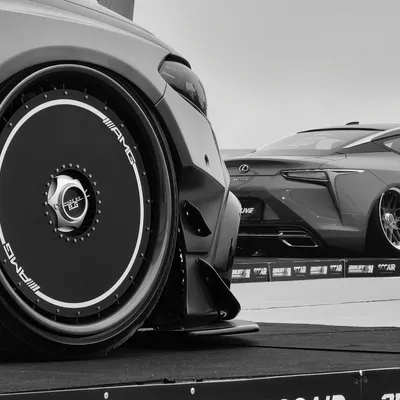
Hellaflush is a car modification style where the wheels sit as flush as possible with the outer edge of the fenders, achieved through a combination of lowered suspension, aggressive wheel offset...

Car culture has its own language and it moves fast. A conversation about a Skyline build can cover RB26 specs, ATTESA AWD, coilovers, hellaflush stance, and RWB widebody kits before you've finished your first coffee. If you don't know the vocabulary, you're not lost exactly, but you're definitely translating while everyone else is talking.
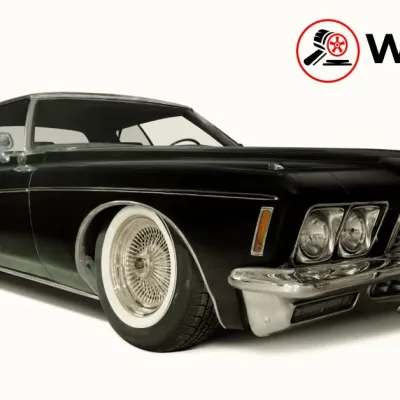
Ask any car person whether a lower ride height looks better and the answer is almost always yes. Slammed cars get photographed. Stanced builds get hundreds of thousands of views. The conventional wisdom in car culture is that closer to the ground equals better looking, full stop...