DuelsLeaderboardGarageBlogCarsGlossaryBrowse

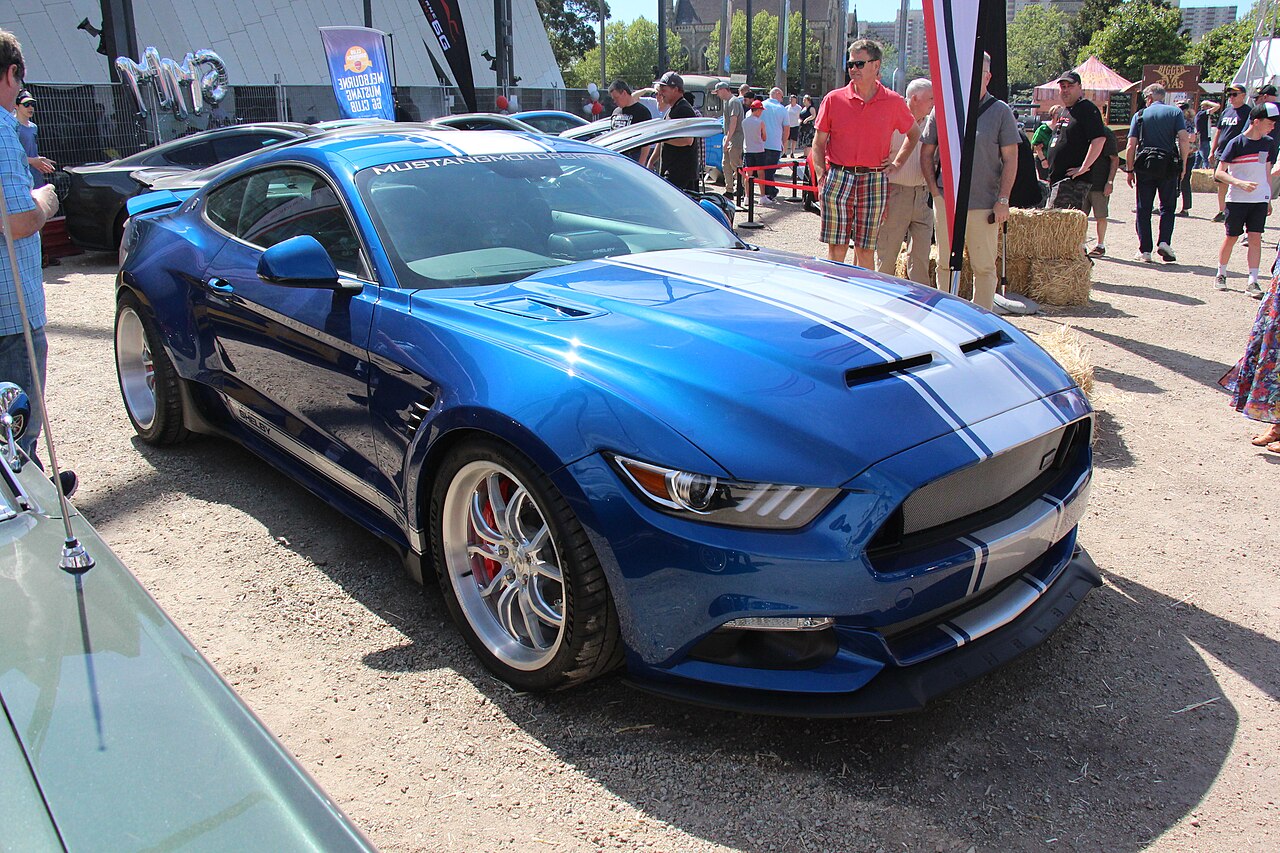
Widebody

Car culture term

Widebody
Photo: Sicnag / Wikimedia Commons · CC BY 2.0

What is Widebody?

A modification that adds wider fenders to a vehicle, accommodating wider wheels and tires than the original body would allow.

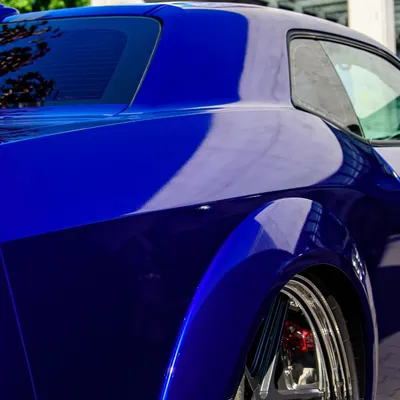
Widebody describes a vehicle modified with significantly wider fenders than the stock bodywork. The purpose is to accommodate wider wheels and tires for performance or styling reasons. Widebody kits range from bolt-on flares (often urethane or fiberglass parts that attach to the original fenders) to full hand-built fender modifications (cut and welded steel or aluminum, like RWB).

Widebody kits originated in motorsport. Group 5 racing in the 1970s and the original Porsche 911 Turbo Carrera (the famous "whale tail and flares") established the visual language. Modern widebody kits are influenced by both that motorsport heritage and Japanese tuner culture (RWB, Liberty Walk, Rocket Bunny).

The most famous modern widebody kit makers include Liberty Walk (Japanese, started by Wataru Kato), Rocket Bunny / Pandem (Japanese, by Kei Miura), and Rauh-Welt Begriff (covered separately). The aesthetic typically pairs widebody flares with deep-dish wheels, aggressive ride heights, and bold liveries.
Related terms

RWBStanceJDM

Frequently asked questions

Are bolt-on widebody kits good?
Quality varies. Premium kits from Liberty Walk, Rocket Bunny, and similar makers fit well and look factory-quality after proper installation and paint. Cheaper kits often have alignment issues, gap problems, and require significant modification to fit properly. The value of a widebody build depends heavily on the quality of the kit and installation.
What is the difference between Liberty Walk and Rocket Bunny?
Both are Japanese tuner houses producing widebody kits. Liberty Walk (LB Performance) is led by Wataru Kato and is known for aggressive, often bolt-on, sometimes bolt-screwed-on aesthetics. Rocket Bunny (and its Pandem subsidiary) is led by Kei Miura and is known for cleaner, more cohesive designs. Both have distinctive visual languages.
Does widebody hurt resale value?
For most buyers, yes. Widebody modifications appeal to a specific audience and reduce buyer interest from mainstream used car shoppers. For the right buyer (within the widebody enthusiast community), a clean professional installation can hold value well. Cheap installations almost always reduce resale value.
Are widebody flares legal in the US?
Generally yes, as long as the wheels and tires fit within the modified fenders without protruding (state law varies on this). Some states have specific requirements for fender coverage of tires; widebody modifications typically improve compliance with those rules.
Can a widebody be driven daily?
Yes, with care. Bolt-on kits are typically removable if needed (though paint matching becomes complex). Hand-fabricated widebody (like RWB) is permanent. Daily driving a widebody car requires attention to clearance for parking, speed bumps, and weather. The aggressive aesthetic generally restricts the car to enthusiast use.

Widebody on the blog

What is a ricer? Where the word came from, and why it still stings

A ricer is a car modified to look fast without being made faster: big wing, loud muffler, stick-on vents, decals for sponsors it doesn't have. The word comes from "rice burner," a slur aimed at Japanese bikes and cars, and the acronym people cite is a cover story. Here's the history, the line between a ricer and a real build, and why the industry does the same thing.

What Is a Widebody Kit and Does It Make a Car Look Better?

A widebody kit is a set of body modifications, usually flared or replaced fenders and quarter panels, that makes a car physically wider so it can cover wider wheels and a wider track. Done with intent, it gives a car the planted stance of a race car. Done as a costume, everyone can tell.

The Car Vocabulary That Changes How You See Every Faceoff

Car culture has its own language and it moves fast. A conversation about a Skyline build can cover RB26 specs, ATTESA AWD, coilovers, hellaflush stance, and RWB widebody kits before you've finished your first coffee. If you don't know the vocabulary, you're not lost exactly, but you're definitely translating while everyone else is talking.

Back to Glossary