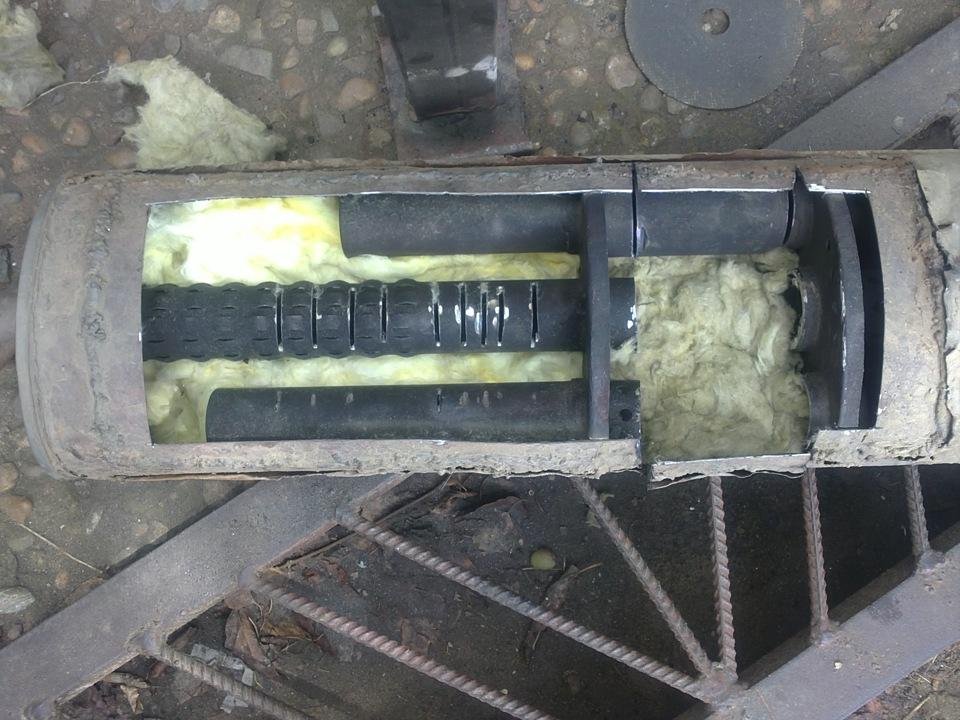
What is Muffler Delete?
The removal of one or more mufflers from a vehicle's exhaust system, increasing exhaust volume and altering tone, typically in exchange for a louder and more aggressive sound.
A muffler delete removes one or more mufflers from the exhaust system, usually replacing them with a straight pipe or resonator of the same diameter. Mufflers use chambers, baffles, or perforated tubes to cancel sound waves and reduce exhaust noise. Removing them allows exhaust gases to exit more freely, increasing exhaust volume and changing the tone toward a more raw, aggressive note. The modification is popular on muscle cars and sports cars where owners want a louder exhaust without the cost of a full catback system replacement.
The effect of a muffler delete varies significantly by platform. On a V8 muscle car (Mustang GT, Camaro SS, Dodge Challenger), a muffler delete produces a loud, throaty exhaust note that many enthusiasts find appealing. On a four-cylinder turbocharged car, a muffler delete may produce an unrefined raspy tone that is less desirable. The resonators earlier in the exhaust system play a role; deleting only the muffler while retaining the mid-resonators gives a different result than removing everything.
Legality is a significant consideration. Most jurisdictions have noise ordinances that limit vehicle exhaust sound levels. Many states in the US require that vehicles have functioning mufflers to pass inspection. A muffler delete may fail state inspection and make the vehicle non-compliant for street use. Some owners run muffler deletes on track-only cars where noise regulations are less relevant, or in jurisdictions with lax enforcement.