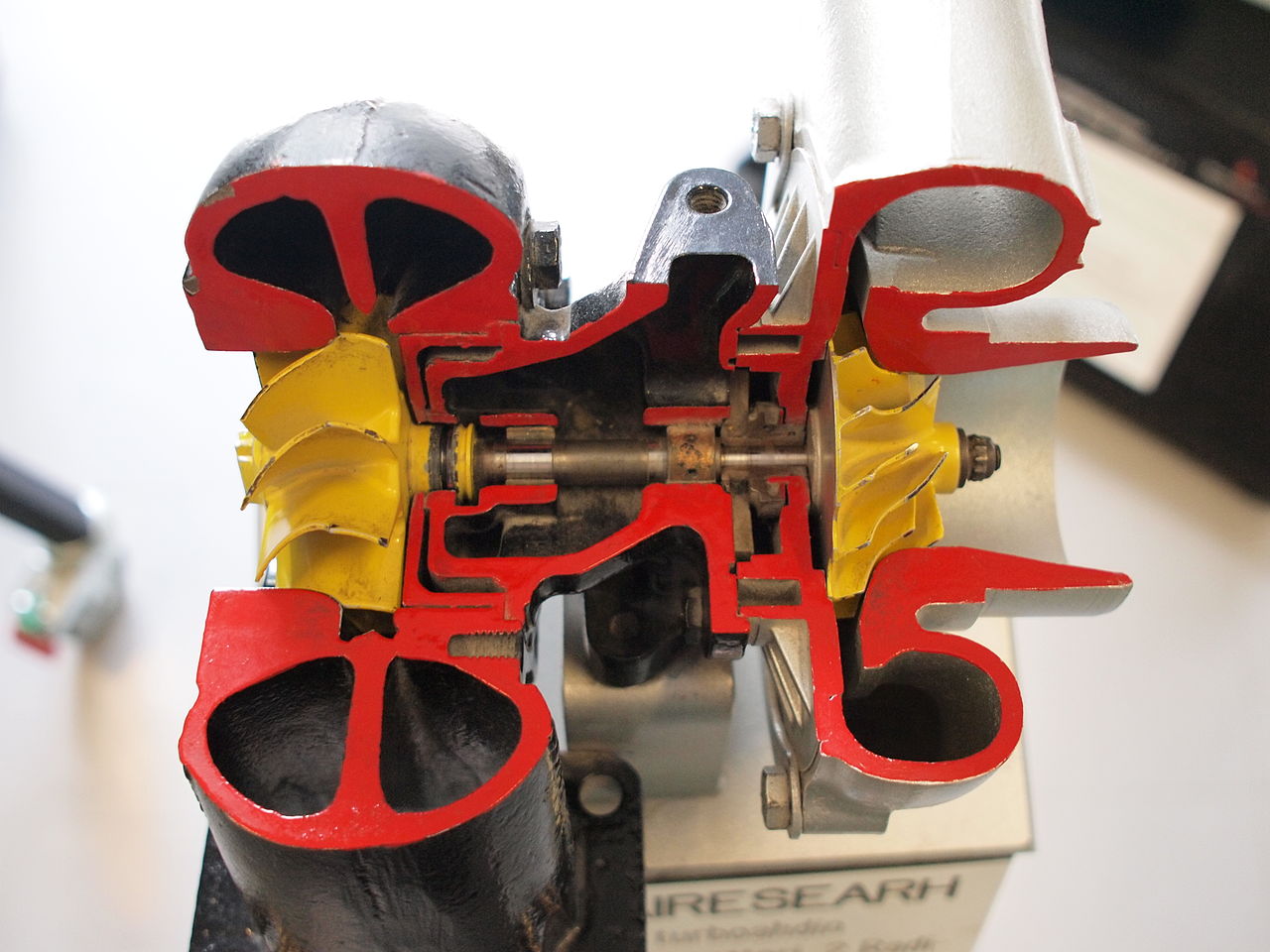
What is Turbo?
A turbocharger uses exhaust gas to spin a compressor, forcing more air into the engine. The result is significantly more power from the same displacement.
Turbo (turbocharger) is a forced induction device that uses exhaust gas to drive a compressor wheel, increasing the air pressure entering the engine. More air allows more fuel to be burned, producing significantly more power than a naturally aspirated engine of the same displacement. Turbocharging emerged for aircraft engines in WWII and has been used in production cars since the 1962 Oldsmobile Jetfire.
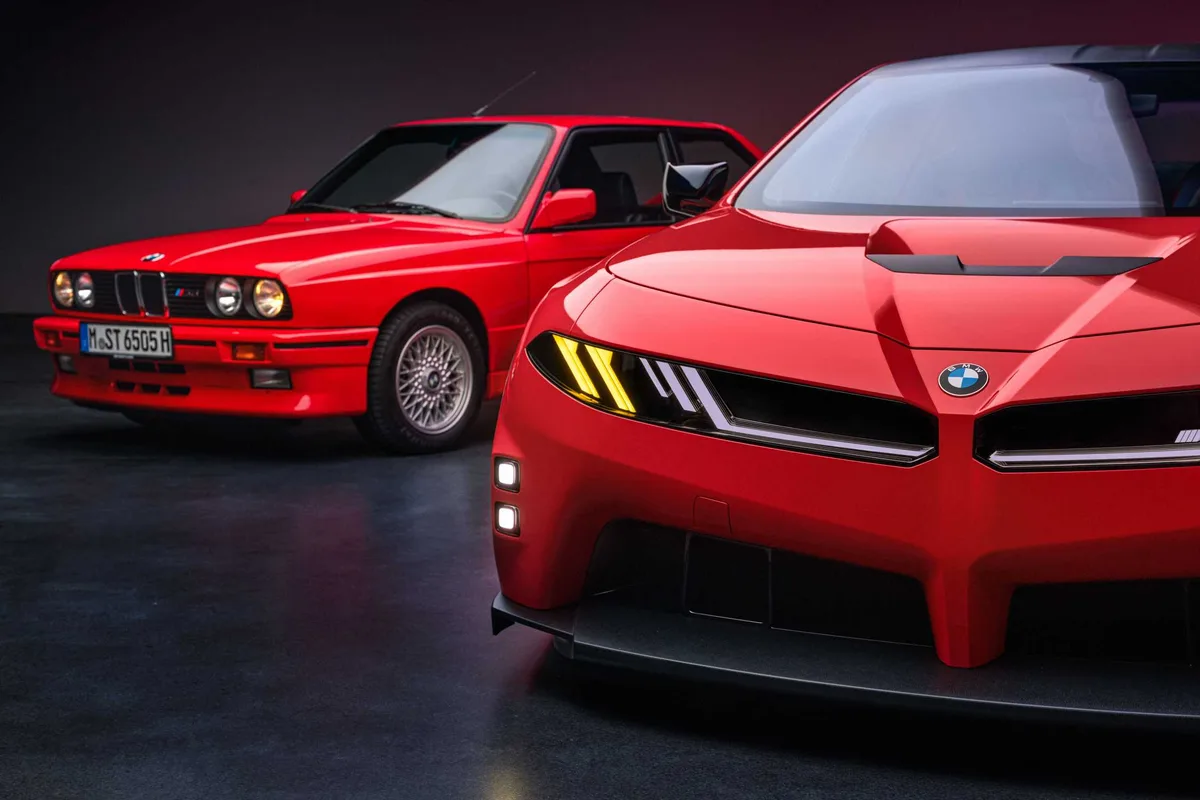
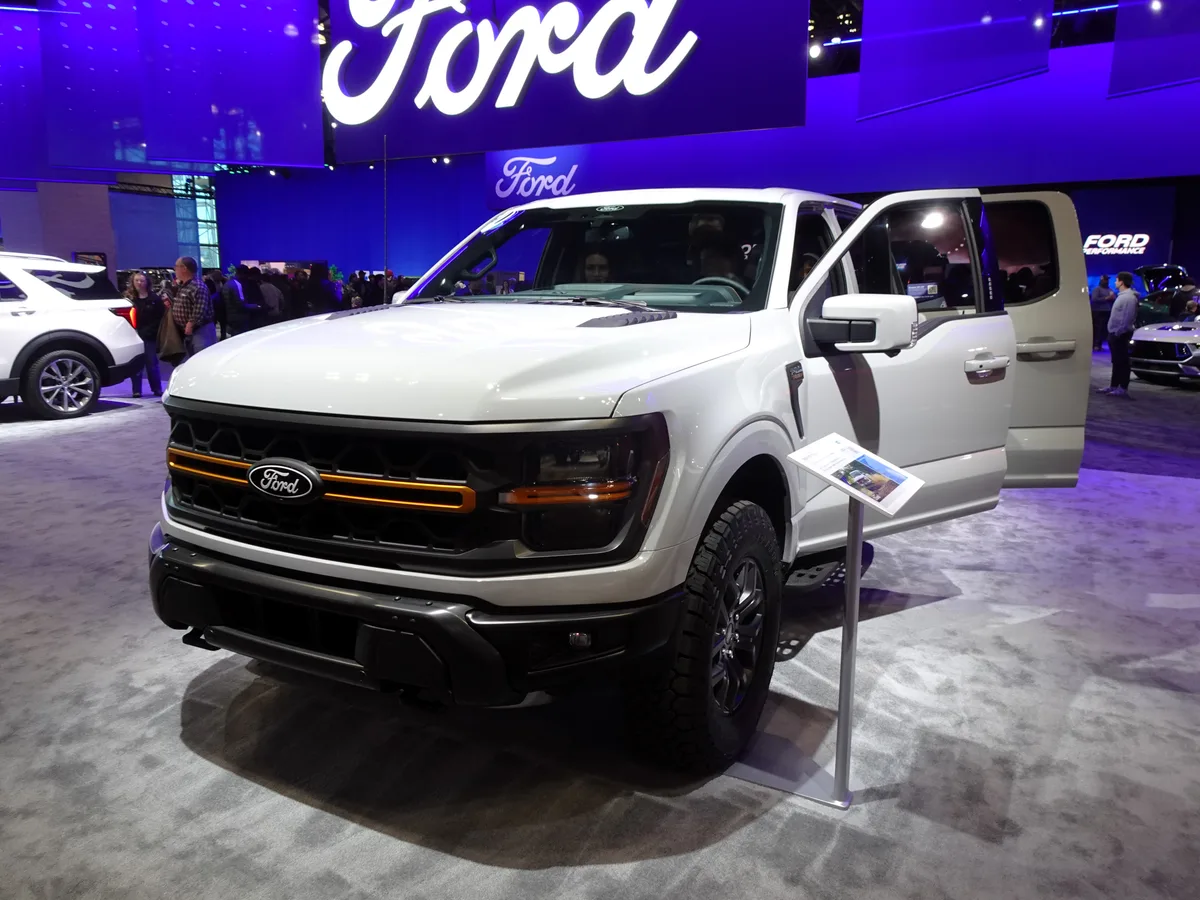
Modern turbocharged engines are common across the auto industry, from economy cars (Ford Ecoboost) through sport sedans (BMW M3 with twin-turbo I6) to supercars (Ferrari 296 GTB twin-turbo V6). Turbocharging allows smaller displacement engines to produce more power with better fuel economy at light load. The trade-off is complexity (more parts, more potential failure points) and turbo lag (delay between throttle input and boost response, mitigated in modern designs through twin-scroll turbos and turbo geometry advances).
Tuner culture has used turbocharging extensively. Common turbocharged tuner engines include the Mitsubishi 4G63T (Lancer Evolution), Toyota 2JZ-GTE (Supra Turbo), Nissan SR20DET (Silvia/180SX), Subaru EJ207 (WRX STI), and Volkswagen 1.8T and 2.0T (Golf GTI, Audi RS3). Aftermarket turbo upgrades on these platforms can produce dramatic power increases.