DuelsLeaderboardGarageBlogCarsGlossaryBrowse

Naturally aspirated

Car culture term

What is Naturally aspirated?

An engine without forced induction (no turbo, no supercharger). Air enters the cylinders only through atmospheric pressure during the intake stroke.

Naturally aspirated (often abbreviated NA or N/A) describes an engine that draws air into the cylinders without forced induction. The engine relies on atmospheric pressure pushing air through the intake during the cylinder downstroke; no turbocharger or supercharger is fitted. Power output is limited by displacement, valve sizing, intake/exhaust efficiency, and rpm range.

Naturally aspirated engines have several traditional advantages: linear power delivery (no boost threshold), often higher rpm capability, no turbo lag or supercharger parasitic loss, mechanical simplicity, and distinctive sound character. The disadvantages relative to forced induction are lower specific output (less power per liter of displacement) and typically lower fuel economy at light load.

Notable naturally aspirated performance engines include the Ferrari V8 family (348, 355, 360, 430, 458 series, F8), the Lamborghini V10 (Gallardo and Huracan), the BMW S54 and S65 (E46 M3 and E92 M3), the Porsche flat-six in 911 GT3 (4.0 high-revving), the Honda K20A2 in RSX Type S and Civic Type R EP3, and the Toyota 2GR-FSE (LFA V10 cousin). Modern emissions and efficiency regulations have pushed most production engines toward turbocharging, making naturally aspirated performance engines increasingly rare.
Related terms

TurboSupercharger

Frequently asked questions

Why are naturally aspirated engines becoming rare?
Emissions and efficiency regulations. Turbocharged engines achieve better fuel economy at light load (where most driving occurs) by using smaller displacement. Most manufacturers have shifted to turbocharging for new production engines. Naturally aspirated engines now mostly survive in halo performance cars (Ferrari V12s, Lamborghini V10, GT3 911 flat-six, Voodoo V8 in Mustang GT350).
Are naturally aspirated engines really linear?
Generally yes. Without boost threshold, throttle response and power delivery are smooth and predictable across the rpm range. The character of NA engines (especially high-revving ones like a Honda K20 or Ferrari V8) is widely considered more rewarding for spirited driving than turbo equivalents, even when slower in absolute terms.
Why do NA engines often rev higher?
Without forced induction, NA engines need to make their power through cylinder filling efficiency and rpm. Higher rpm allows more power strokes per minute, compensating for lower torque. NA engine designs often emphasize valvetrain and rotating assembly capability for high rpm operation. Honda VTEC engines and Ferrari V8s typically rev to 8,000-9,000 rpm, where comparable turbo engines rarely exceed 7,500.
What is the most powerful naturally aspirated production engine?
Around 800-840 horsepower territory. The Pagani Huayra Codalunga uses an AMG-supplied 6.0 V12 making 840 horsepower without forced induction. The Lamborghini Aventador SVJ V12 makes 759 horsepower naturally. The Lexus LFA V10 made 553 from 4.8 liters. Most extreme NA performance engines are in low-volume hypercars and supercars.
Will future cars all be turbo?
Most internal combustion engines, yes. Naturally aspirated will continue in halo performance applications and motorcycle engines but is largely retired from mainstream passenger car use. Electric vehicles are bypassing the question entirely. The era of mass-market naturally aspirated engines is largely over.

Naturally aspirated on the blog

Bugatti has left Volkswagen, and a 38-year-old now runs it

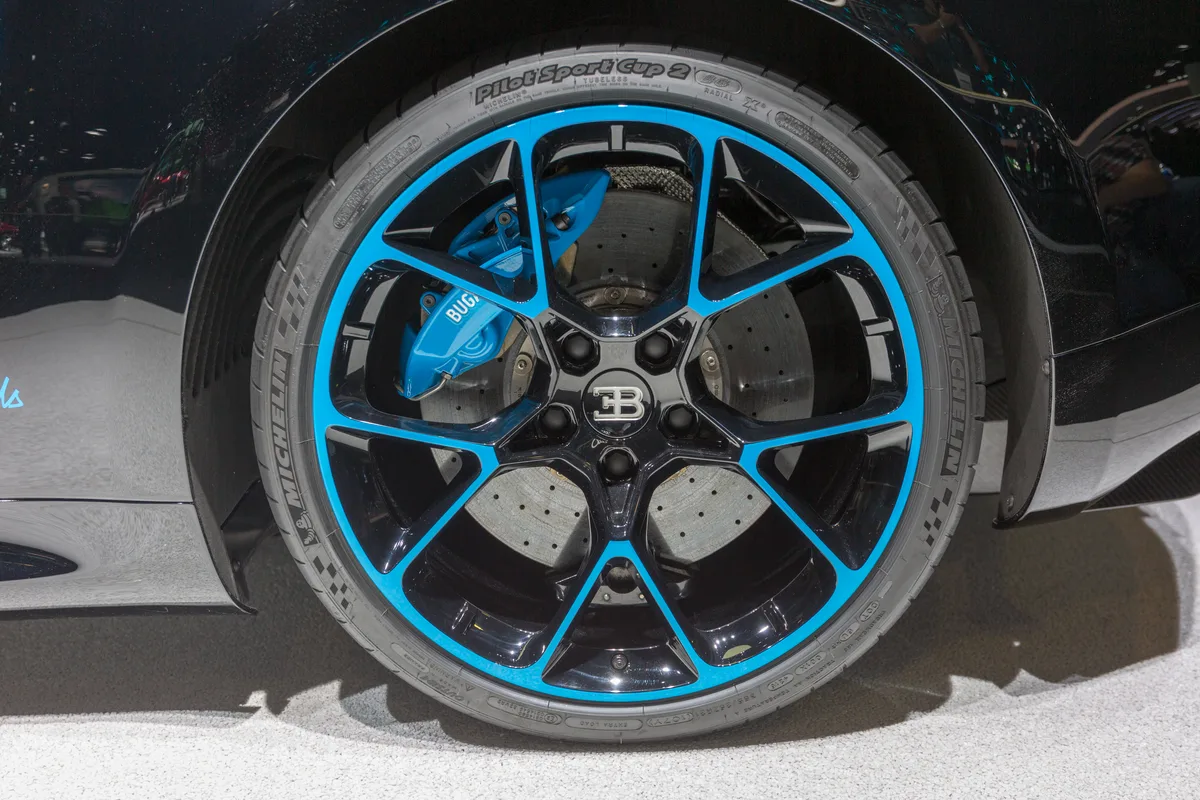
Porsche has sold its 21 percent of Rimac Group and 45 percent of the Bugatti Rimac joint venture for about €1 billion, ending Volkswagen Group's involvement with Bugatti. Mate Rimac, who started by converting an old BMW to electric power in a Croatian garage, is now president of a marque founded in 1909.

The Honda Beat is a mid-engined roadster that revs to 8,500 and makes 63 horsepower

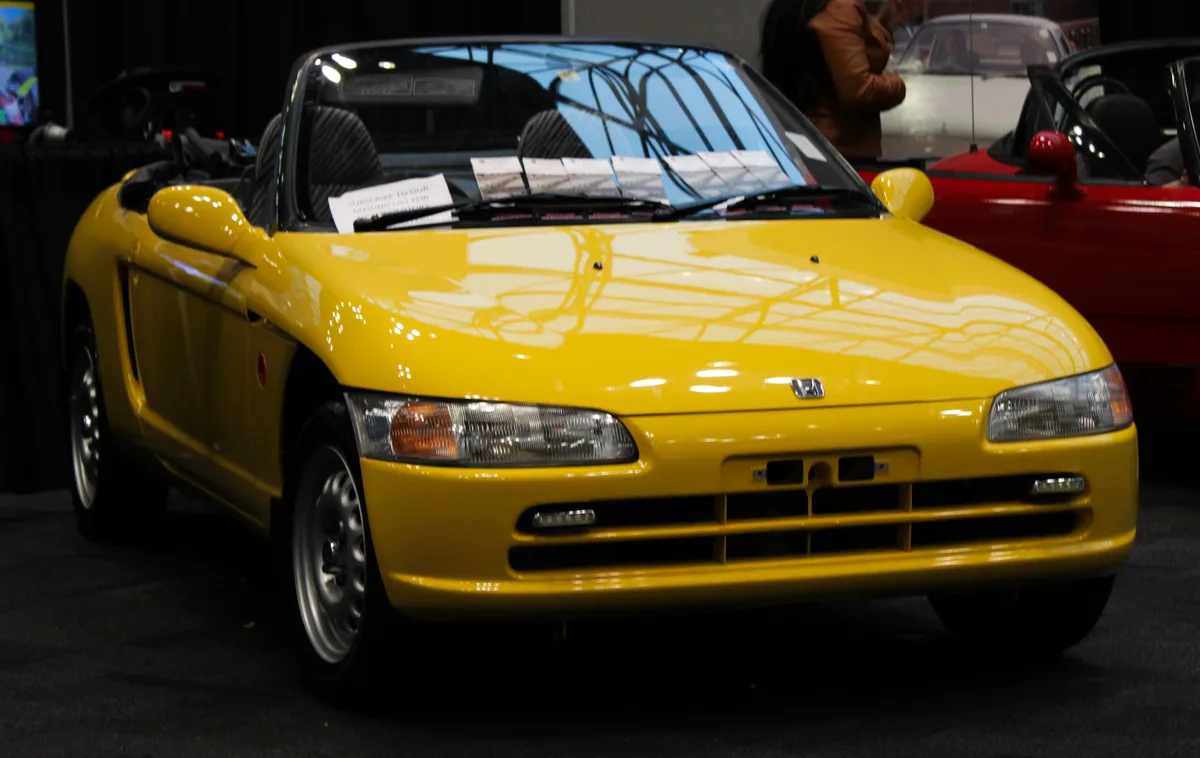
The Honda Beat is a mid-engined, rear-drive kei roadster with a 656cc triple that revs to 8,500 rpm, makes 63 horsepower, and weighs 1,680 pounds. Pininfarina drew it, Soichiro Honda approved it as his last car, and it's now legal to import into the US.

What Is a Hellcat Engine?

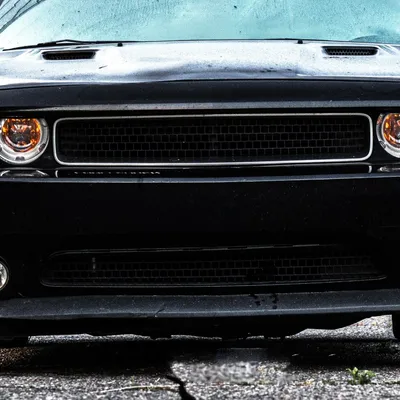
A Hellcat engine is Dodge's 6.2-liter supercharged HEMI V8, and it landed in 2015 making 707 horsepower in cars anyone could buy. Dodge kept escalating from there, ending with a 1,025 horsepower Demon 170. Here's what's inside it and why it mattered.

What Is VTEC, and why do people Yell about it?

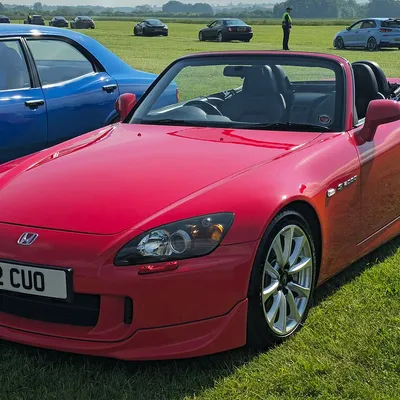
VTEC is Honda's variable valve system, and it is why so many Honda engines feel like two engines in one: calm and efficient at low rpm, then suddenly frantic up top. That switch is the moment behind the famous meme, and here is what is actually happening when VTEC kicks in.

Back to Glossary