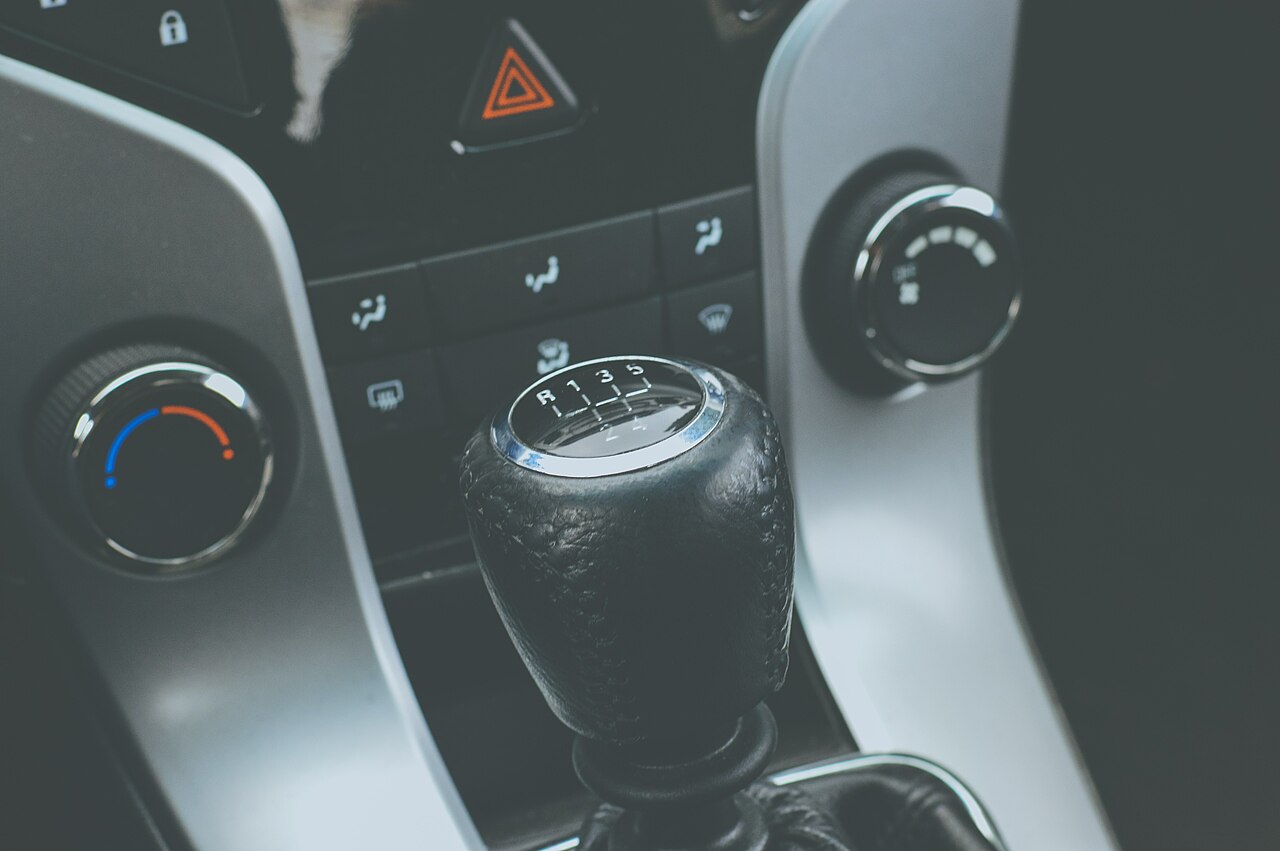
What is Manual transmission?
A transmission requiring driver operation of a clutch and gear lever. Increasingly rare in modern cars. The traditional driver-engagement option.
Manual transmission is a transmission requiring the driver to operate a clutch pedal and gear lever to change gears. The driver presses the clutch pedal to disengage the engine from the transmission, moves the gear lever to select a new gear, then releases the clutch to re-engage the engine and the new gear ratio. The technique requires coordination between feet (clutch, brake, throttle) and hand (gear lever).
Manual transmissions have been the traditional driver-engagement option for performance and economy cars. Advantages include lower cost, simpler maintenance, the ability to control the engine RPM directly, and the engagement of physical participation in the driving experience. Disadvantages include slower shift times compared to modern dual-clutch transmissions, fatigue in stop-and-go traffic, and reduced fuel economy in some applications compared to modern automatics.
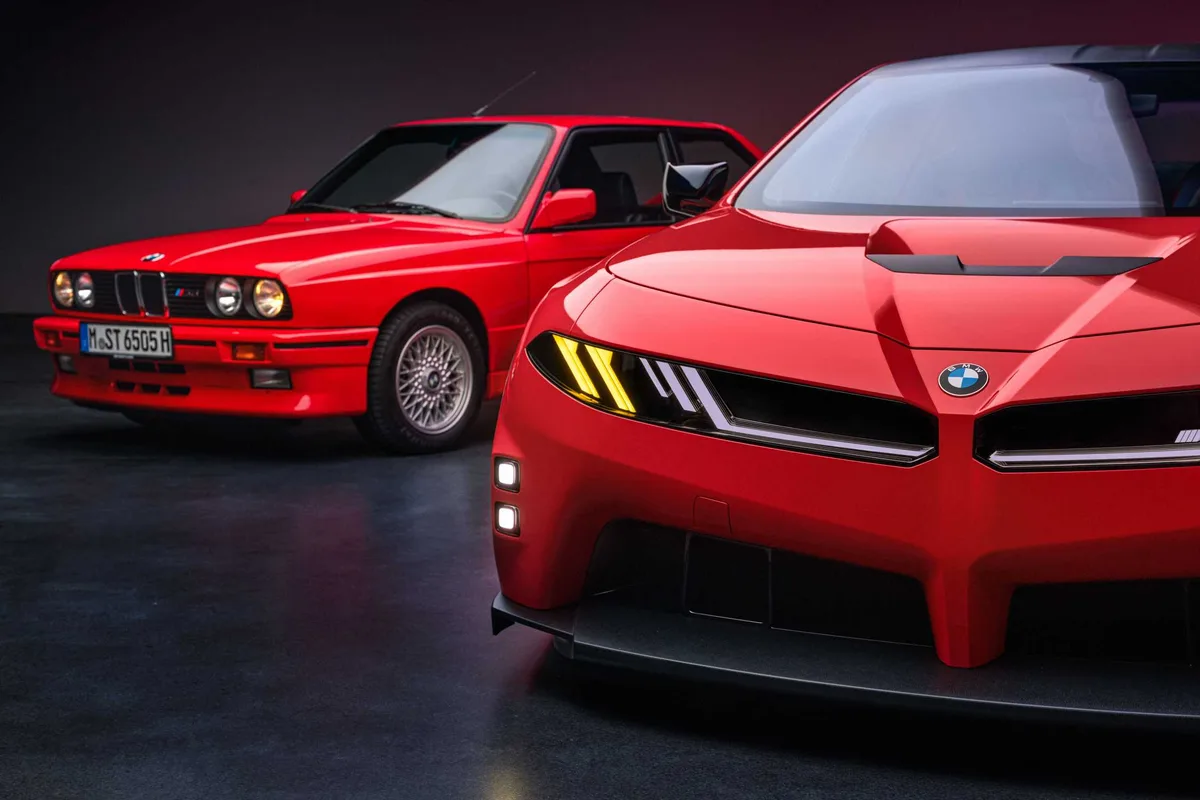
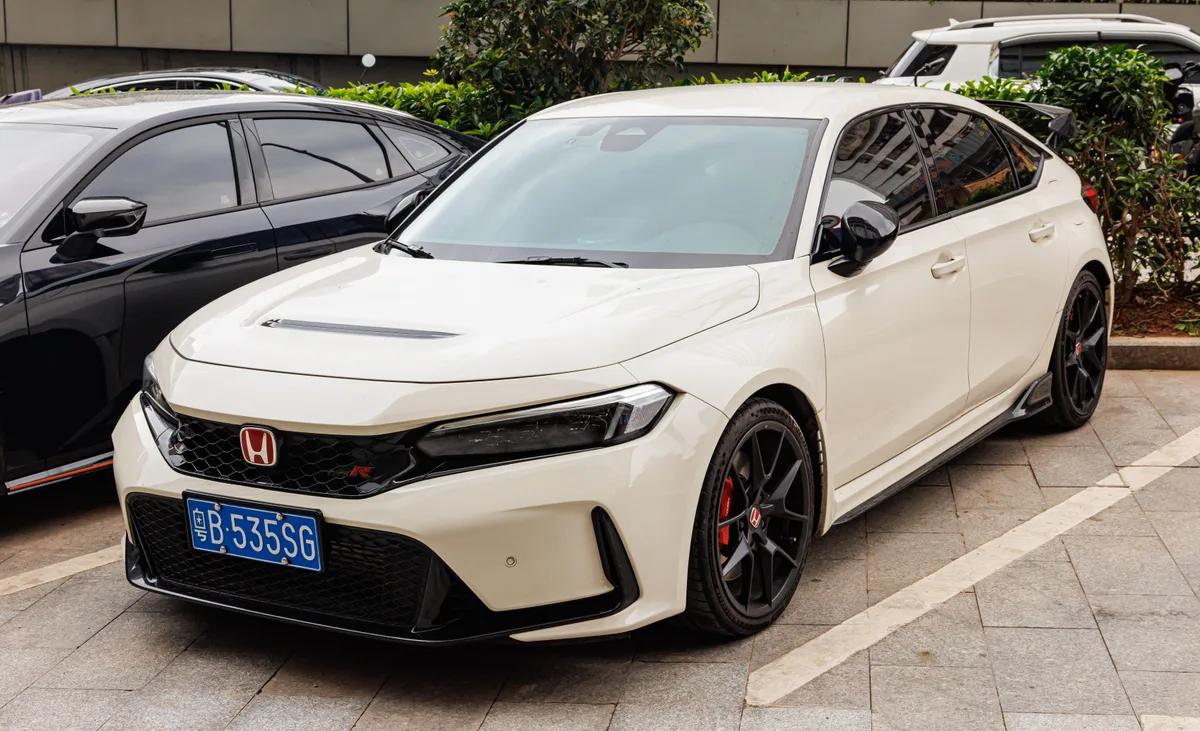
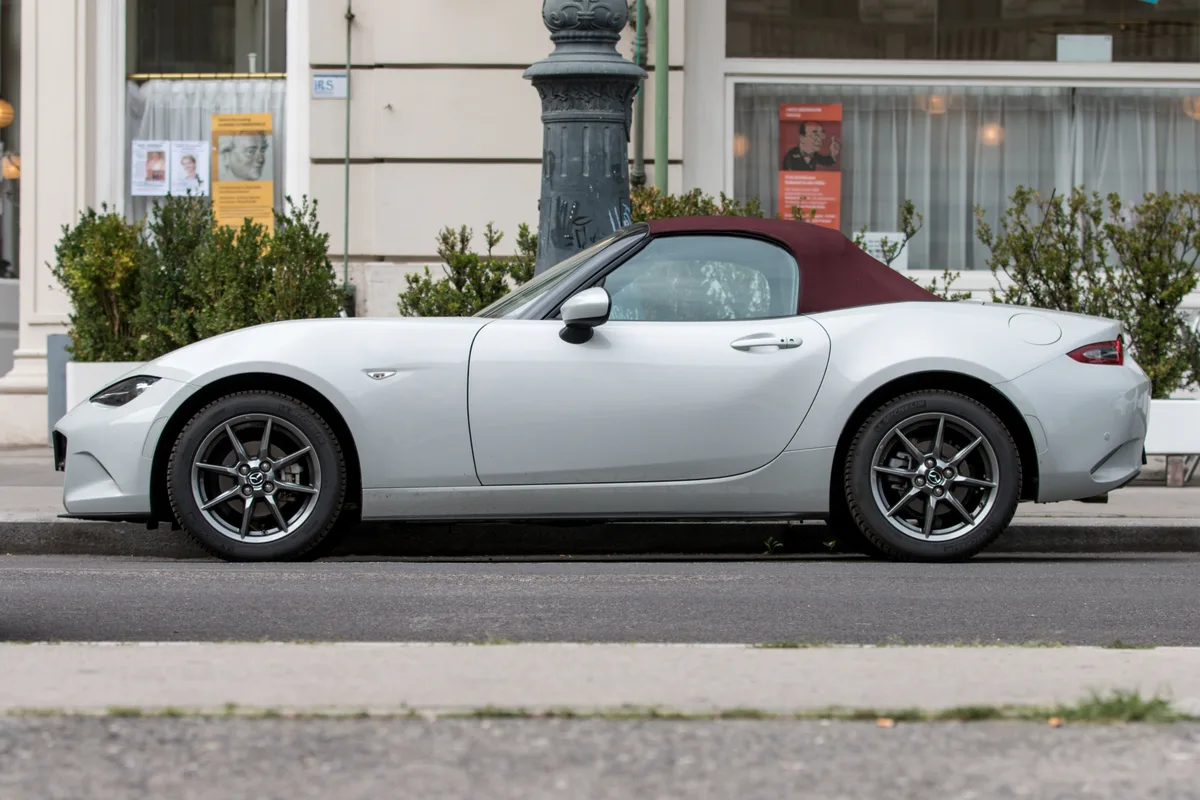
Manual transmission availability has decreased significantly in modern cars. Most luxury, performance, and even mainstream cars are now sold only with automatic transmissions. Manual remains available in selected enthusiast cars: Porsche 911 GT3, Ford Mustang, Mazda Miata, Honda Civic Type R, BMW M2 (and previously M3 and M4 variants), Toyota GR86, and Subaru BRZ. The percentage of new cars sold with manual transmissions has dropped to under 1 percent in the United States.