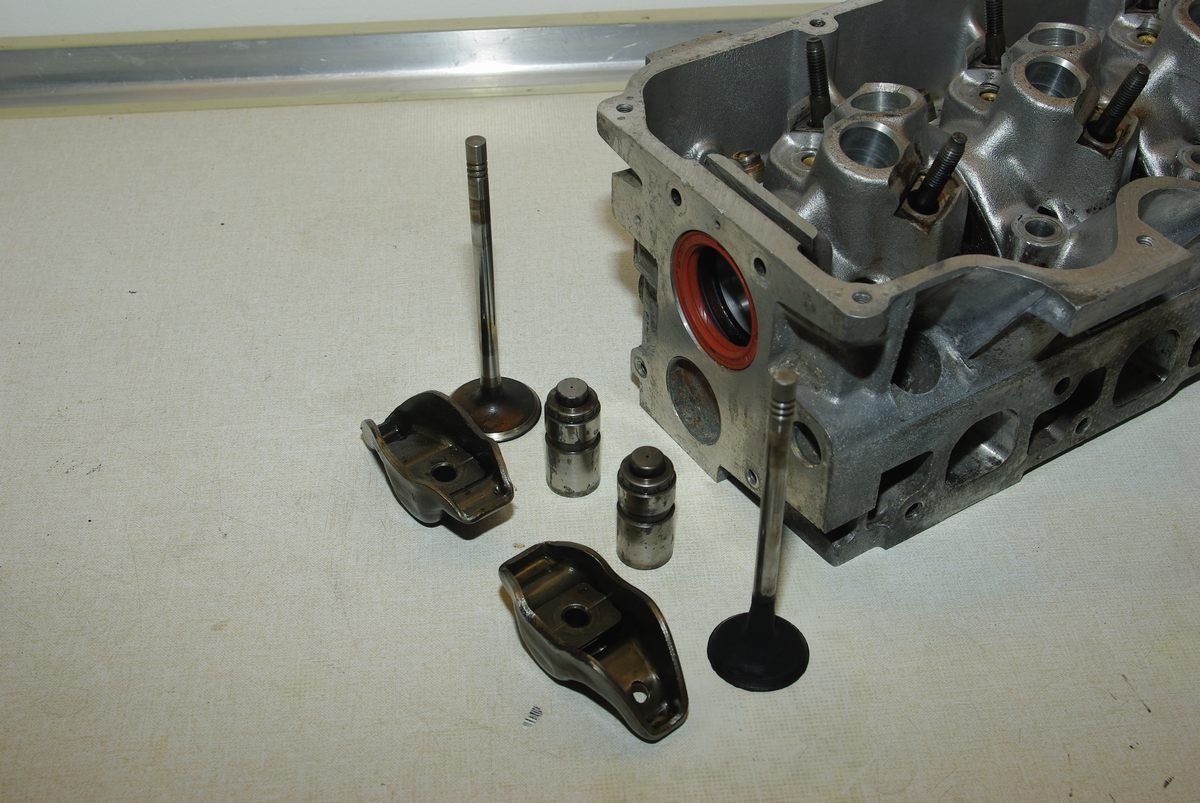
What is Valve adjustment?
Setting the clearance between the valves and the camshaft (or rocker arm). Required periodically on engines with mechanical valve trains.
Valve adjustment is the process of setting the clearance (gap) between the engine valves and the camshaft (or rocker arm). The clearance must be precise: too tight and the valves cannot seal properly during compression; too loose and the valves do not open fully or close properly. Different engines have different specifications; some specify exact measurements (typically 0.005 to 0.012 inches), and the technician adjusts using shims or rocker arm adjustments.
Valve adjustment is required periodically on engines with mechanical valve trains. Common service intervals are 50,000-100,000 miles, depending on the engine. Older Honda B-series, K-series, and S-series engines (Civic, Integra, S2000) require periodic adjustment. The Toyota 2JZ-GE and 2JZ-GTE require adjustment. Many BMW M cars require adjustment. Hydraulic valve trains (modern engines with hydraulic lifters) self-adjust and do not require manual adjustment.
The work is moderately complex but accessible to DIY mechanics with proper tools and patience. The process typically involves removing the valve cover, accessing each valve adjustment point, measuring the clearance with a feeler gauge, and adjusting if needed. Parts cost is minimal (typically just the valve cover gasket); labor cost is the main expense if done at a shop. The work can take 2-6 hours depending on the engine and complexity of adjustment system.