DuelsLeaderboardGarageBlogCarsGlossaryBrowse

Individual Throttle Bodies (ITBs)

Car culture term

Individual Throttle Bodies (ITBs)
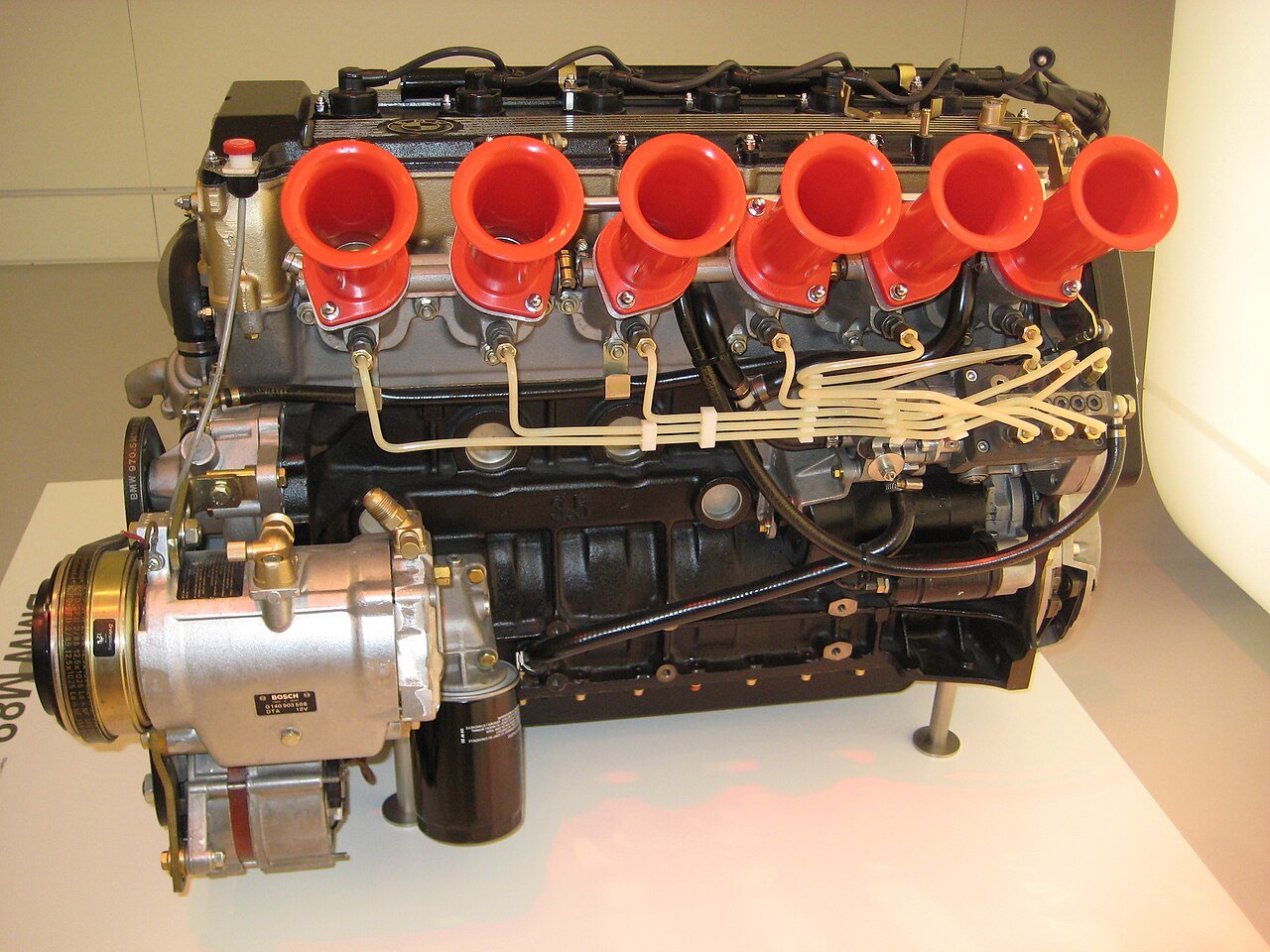
Photo: Buschtrommler / Wikimedia Commons · CC BY-SA 3.0

What is Individual Throttle Bodies (ITBs)?

A carburetor-inspired induction system with a separate throttle body for each engine cylinder, providing instantaneous throttle response and a distinctive intake sound.

Individual throttle bodies (ITBs) replace a single common throttle body and intake manifold with a separate throttle plate for each cylinder. The result is a direct, carburetor-like connection between throttle input and cylinder airflow with virtually zero lag. Because each cylinder has its own throttle plate positioned close to the intake port, the throttle response is nearly instantaneous, giving naturally aspirated engines a hyperresponsive character that pleases drivers seeking mechanical engagement.

ITBs are closely associated with classic motorsport engines and high-performance naturally aspirated builds. BMW's E30 M3 S14 engine used individual throttle bodies as factory equipment. The Honda S2000's F20C and F22C engines used a similar short-runner high-revving intake design. Many engine builders installing ITBs on K-series, SR20, or RB-series engines note dramatic improvements in mid-to-high-RPM throttle feel.

The primary challenge of ITBs is tuning. Because the throttle is so direct and the runner lengths are usually short and equal, the engine needs careful fueling calibration at low throttle openings where idle quality and part-throttle response can be poor without expert tuning. ITBs are not compatible with most modern drive-by-wire emissions setups without significant engineering effort.

Related terms

Naturally aspiratedVTECVariable Valve TimingCamshaftHeaderStandalone ECU

Frequently asked questions

Are ITBs better than a single throttle body?
For peak throttle response and high-RPM naturally aspirated performance, yes. For low-RPM drivability, fuel economy, and emissions compliance, a single throttle body with a well-designed intake manifold is usually better. ITBs are a performance trade-off, not a universal improvement.
Can you put ITBs on a turbocharged engine?
It is possible but less effective. ITBs on a turbo engine cannot open as freely because boost pressure acts against the throttle plates. The benefits are also reduced because the turbocharger itself dominates airflow control. ITBs on turbo builds are occasionally done for aesthetic or sound reasons but are not ideal engineering.
What does an ITB intake sound like?
At idle, properly tuned ITBs produce a lumpy, aggressive sound from the multiple throttle bores. Under acceleration, the combined intake noise is a roar or wail as the engine spins to redline. The sound is a major reason enthusiasts choose ITBs; the auditory experience of a high-revving ITB engine is distinctive and emotionally engaging.
Do ITBs require a standalone ECU?
In most cases, yes. The fueling and airflow calculations for ITBs are more complex than for a conventional setup. Stock ECUs are generally not equipped to manage the unique airflow signal and throttle characteristics of ITBs. A standalone ECU (AEM, Haltech, Link, MoTeC) with a proper map for the ITB setup is the standard approach.
What engines are known for factory ITBs?
BMW M3 E30 (S14), BMW M5 E34 (S38), Ferrari 348 and 456 (naturally aspirated V8 and V12 engines), Honda S2000 F20C and F22C (short-runner, effectively ITB-inspired design), and various racing engines across Formula 1 history.
Back to Glossary