DuelsLeaderboardGarageBlogCarsGlossaryBrowse

SEMA Show

Car culture term

SEMA Show
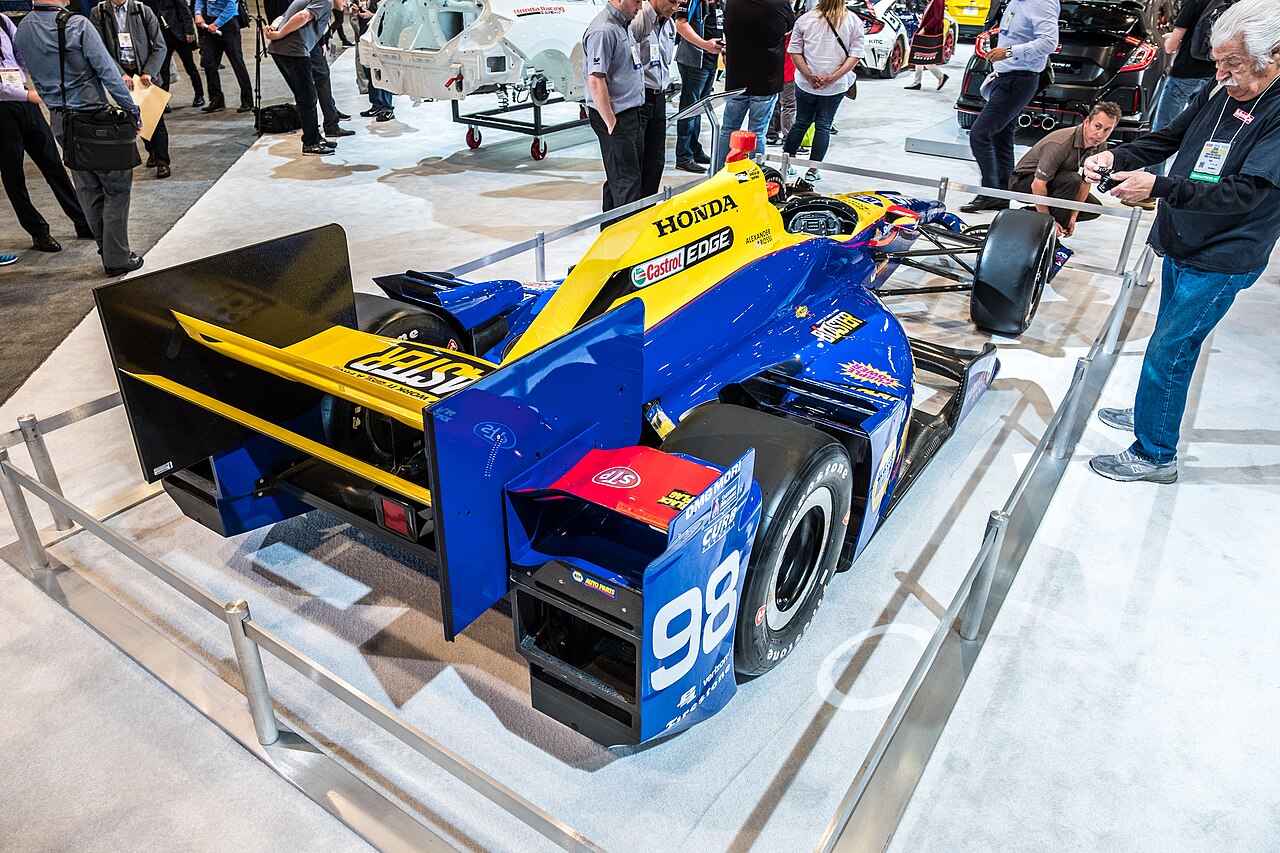
Photo: Kolin Toney from Crystal River, FL, USA / Wikimedia Commons · CC BY-SA 2.0

What is SEMA Show?

The Specialty Equipment Market Association trade show held annually in Las Vegas, the largest automotive specialty parts and accessories event in the world and a major stage for custom car reveals.

The SEMA Show (Specialty Equipment Market Association Show) is an annual trade show held in Las Vegas at the Las Vegas Convention Center each November. It is the largest automotive specialty products trade show in the world, drawing over 160,000 attendees and 2,400 or more exhibitors. SEMA is technically a trade-only event (not open to the general public), attended by retailers, manufacturers, media, and automotive professionals. However, the cars and products unveiled at SEMA reach enthusiasts globally through extensive media coverage.

SEMA functions as the primary reveal stage for major aftermarket brands, custom builders, and OEM performance divisions. It is where Liberty Walk reveals its widebody kits, where tuner brands unveil new products, where custom builders debut their most ambitious projects, and where automakers often show performance concepts and aftermarket accessories for new models. The SEMA Battle of the Builders competition, launched in 2015, awards the top custom builds across various categories with a Best in Show overall winner.

The event has been running since 1967 and has grown into a week-long event spanning multiple halls. Adjoining events include the SEMA Ignited aftermarket outdoor show (which is open to the public), and the AAPEX trade show running concurrently. SEMA heavily influences trends in the aftermarket industry; products and styles debuted at SEMA frequently set directions that filter into enthusiast garages over the following year.
Related terms

Cars and CoffeeRadwoodLiberty WalkRocket BunnyWidebodyJDMRestomod

Frequently asked questions

Is SEMA open to the public?
The main SEMA Show is trade-only (industry professionals, media, retailers, and manufacturers). The SEMA Ignited event on Friday evening of SEMA week is open to the general public and features many of the show cars outside the convention center. Tickets for SEMA Ignited are sold separately.
When and where is SEMA held?
SEMA is held annually in late October to early November at the Las Vegas Convention Center in Las Vegas, Nevada. It runs for four days (Tuesday through Friday). The adjacent AAPEX show for OEM replacement parts professionals runs concurrently.
What is the SEMA Battle of the Builders?
An annual competition at SEMA where custom-built vehicles compete in judged categories (Hot Rod, Sport Compact, Truck/Off-Road, Young Guns for builders under 27). Category winners compete for the overall Best in Show award, which carries significant prestige in the custom car building community.
How does SEMA affect car culture outside the US?
Significantly. SEMA is globally covered by automotive media. Products debuted at SEMA reach international markets through media coverage, social channels, and subsequent product launches. International automotive trends, particularly in Japanese, Australian, and European enthusiast scenes, are shaped by SEMA reveals, especially in the widebody, stance, and truck scenes.
What kinds of cars are at SEMA?
Everything from fully custom show cars and restomods to functional time attack builds, off-road trucks, JDM builds, lowriders, hot rods, electrified custom builds, and luxury cars with aftermarket upgrades. SEMA represents the breadth of the automotive aftermarket. The range in any given year spans from practical restyling to multi-year, high-budget builds.

SEMA Show on the blog

The Car Vocabulary That Changes How You See Every Faceoff

Car culture has its own language and it moves fast. A conversation about a Skyline build can cover RB26 specs, ATTESA AWD, coilovers, hellaflush stance, and RWB widebody kits before you've finished your first coffee. If you don't know the vocabulary, you're not lost exactly, but you're definitely translating while everyone else is talking.

Back to Glossary