DuelsLeaderboardGarageBlogCarsGlossaryBrowse

Big brake kit

Car culture term

Big brake kit
Photo: Unknown / Wikimedia Commons · CC BY-SA 3.0

What is Big brake kit?

An aftermarket brake upgrade with larger rotors, multi-piston calipers, and stainless steel braided lines. Common in track-focused builds.

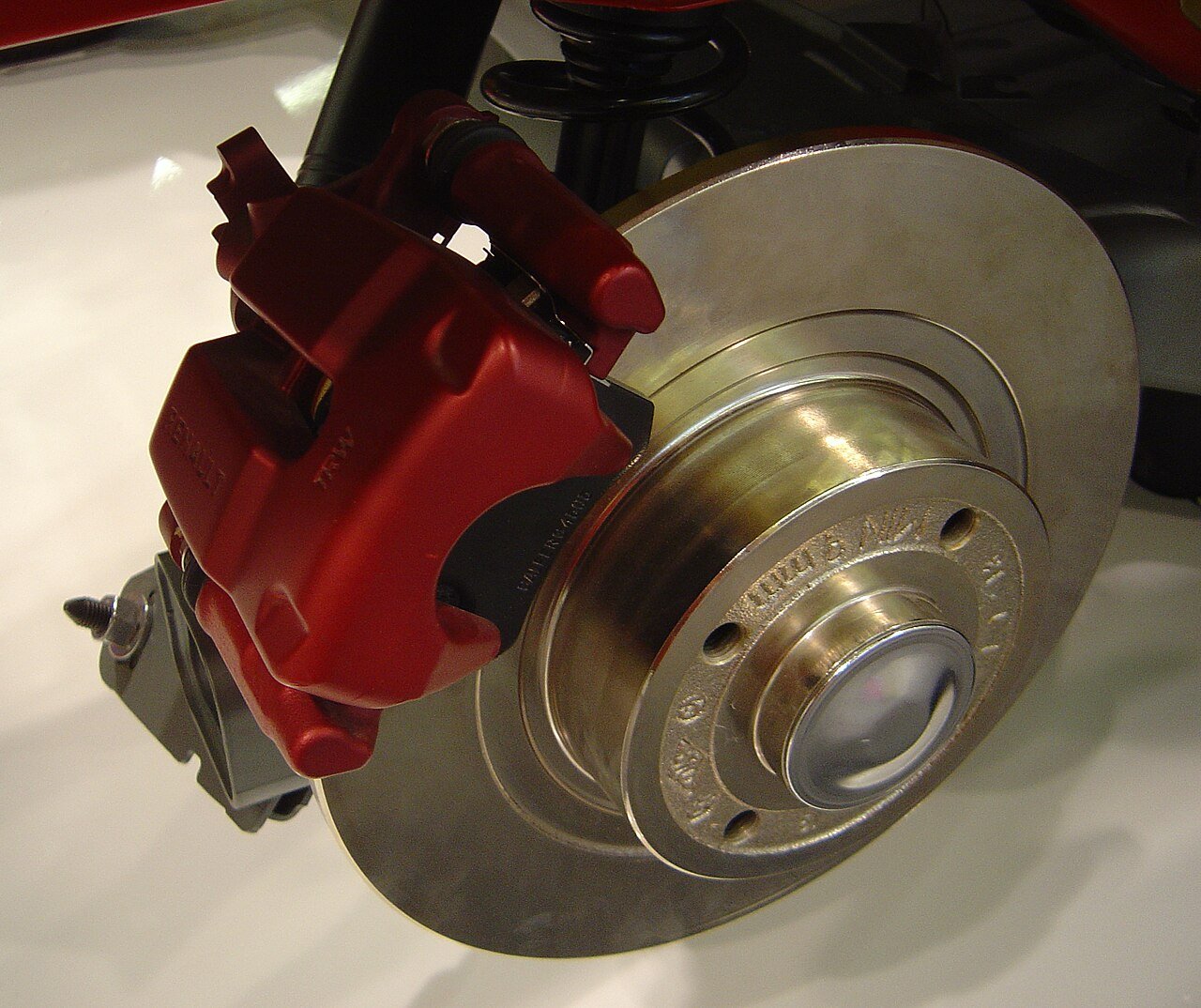
Big brake kit (BBK) is an aftermarket brake upgrade that replaces the stock brake system with significantly larger rotors, multi-piston calipers, and stainless steel braided brake lines. Common rotor sizes for BBKs are 13 to 15 inches (versus stock 10-12 inches), and calipers typically have 4 to 6 pistons (versus stock 1-2 pistons). The combination provides much greater braking force, better heat management, and improved feedback.

Big brake kits are essential for track-focused builds because stock brakes fade after a few aggressive laps due to heat. The larger rotors and multi-piston calipers absorb and dissipate heat much better than stock brakes. Quality kit manufacturers include Brembo, AP Racing, StopTech, Wilwood, and Alcon. The price ranges from $2,500 to $10,000+ depending on quality and complexity.

Beyond track use, BBKs are sometimes installed for visual effect or for owners who track their cars occasionally. The stopping power of a BBK exceeds what most road tires can transmit to the road, so the practical benefit on the street is limited. The sound (braided lines and high-quality pads create distinctive sounds) and visual statement (large red, yellow, or other colored calipers visible through wheel spokes) are part of the appeal.

Related terms

CoiloversTrack dayRoll cage

Frequently asked questions

How much does a big brake kit cost?
Entry-level BBKs (StopTech, Brembo Sport): $2,500-$4,500. Mid-range (Brembo GT, AP Racing): $4,500-$8,000. High-end (Brembo Race, AP Racing Pro): $8,000-$15,000+. Installation typically adds $500-$1,500. The investment is significant but provides meaningful performance gains.
Are big brake kits worth it for the street?
For pure street use, generally no. Stock brakes on most modern performance cars are excellent for street driving. The benefit of a BBK is primarily under track conditions where stock brakes fade. For occasional track use plus aggressive street driving, a BBK provides headroom but isn't essential.
Will a big brake kit fit my wheels?
Larger rotors require larger wheels typically. Most BBKs require 17-inch or larger wheels for clearance. Some kits are designed for 15-16 inch wheels but the rotor size is more limited. Verify caliper-to-spoke clearance and rotor-to-wheel-barrel clearance before installation.
Are Brembo brakes really better than stock?
Yes, for track and aggressive driving. Brembo monoblock calipers are stiffer than typical stock calipers, providing better pedal feedback. Brembo rotors are designed for racing heat cycles. The pad selection is more aggressive. For street driving, the difference is more about feel than capability; for track driving, the difference is significant.
Should I just upgrade pads instead of getting a BBK?
Often yes, for cost. Quality aggressive pads (Hawk, Carbotech, EBC) on stock rotors typically cost $300-$600 per axle and significantly improve stopping power compared to stock pads. The combination of aggressive pads + braided lines + good fluid handles most enthusiastic street driving. BBKs become necessary when track use exceeds what stock-sized brakes can handle.

Big brake kit on the blog

New vs Old: Does the Tesla Model Y Redesign Look Better or Worse?

The Tesla Model Y has been the best-selling vehicle on the planet. Not best-selling EV. Best-selling car, period. So when Tesla finally gave it a redesign in early 2025, codenamed Juniper, the whole car world paid attention. The question on WhipJury is simple: does it actually look better?

Back to Glossary