DuelsLeaderboardGarageBlogCarsGlossaryBrowse

Targa

Car culture term

Targa
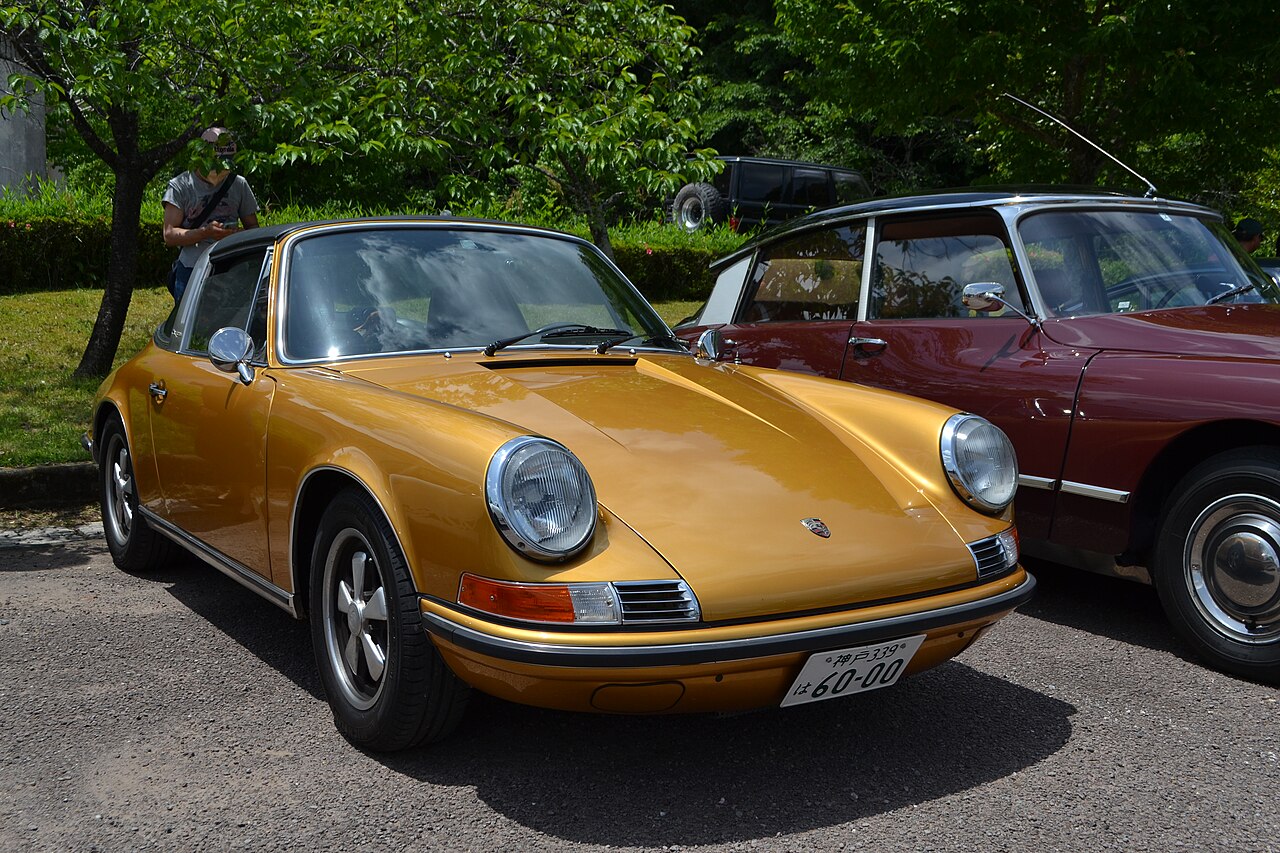
Photo: 先従隗始 / Wikimedia Commons · CC0

What is Targa?

A semi-convertible body style with a removable roof panel above the seats but a fixed rear roof or window. Originated by Porsche on the 911 in 1965.

Targa (also spelled Targa Top) is a semi-convertible body style with a removable roof panel above the front seats but a fixed rear roof or window. The term originated with Porsche on the 1965 911 Targa, which Porsche named after the Targa Florio Italian road race (where Porsche had been successful). The body style allows open-air driving without the structural compromises of a full convertible.

Targa body styles became popular in the 1970s and 1980s as a compromise between coupe and convertible. The format was particularly common in sport coupes (Porsche 911, Toyota MR2, Honda CR-X Si, Mazda RX-7 FB and FC, Lancia Stratos, and many others). Some Targa designs use a removable solid panel; others use a fabric or composite roof that retracts.

Modern Targa cars are less common than they were in their 1980s peak. The Porsche 911 Targa continues today (current 992 Targa with motorized roof retraction). The Mazda MX-5 RF (Retractable Fastback) is essentially a modern Targa design. Some convertible designs include Targa-style fixed rear roofs combined with retractable front sections. The body style remains in production but in fewer models than historically.

Related terms

ConvertibleCoupe

Frequently asked questions

Where did the Targa name come from?
The Targa Florio Italian road race. Porsche named the 1965 911 Targa after the race where Porsche had been successful. The name spread to refer to similar body styles from other manufacturers, even though the term originated as a Porsche-specific marketing term.
Is a Targa the same as a convertible?
No. Convertibles have fully retractable roofs (typically including the rear window) and have less rigid body structures than fixed-roof cars. Targas have only a removable section over the front seats; the rear of the car retains a fixed roof or window. Targas are typically structurally stiffer than convertibles.
Why are Targas less common than convertibles?
Convertibles offer more open-air feel (no rear roof). Targas were a compromise body style; modern convertible engineering has reduced the structural compromises of full convertibles. Some manufacturers still produce Targas (Porsche 911 Targa, Mazda MX-5 RF), but the format has lost ground to full convertibles in most segments.
Are Targa tops weatherproof?
When properly installed, yes. Most Targa tops are designed to be water-tight when in place. The seal around the removable section is critical; degraded seals can cause water leaks. Modern Targa designs (Porsche 992 Targa) include sophisticated seals and motorized retraction; the body style is generally weatherproof in good condition.
Where does the Targa top go when removed?
Depends on the design. Some Targa tops are stored in the trunk (Porsche 911 Targa earlier generations). Some are stored behind the seats (Toyota MR2). Some retract under the rear window or rear cowling (Porsche 992 Targa, Mazda MX-5 RF). The storage location affects cargo capacity and design integration.
Back to Glossary