DuelsLeaderboardGarageBlogCarsGlossaryBrowse

MAF sensor

Car culture term

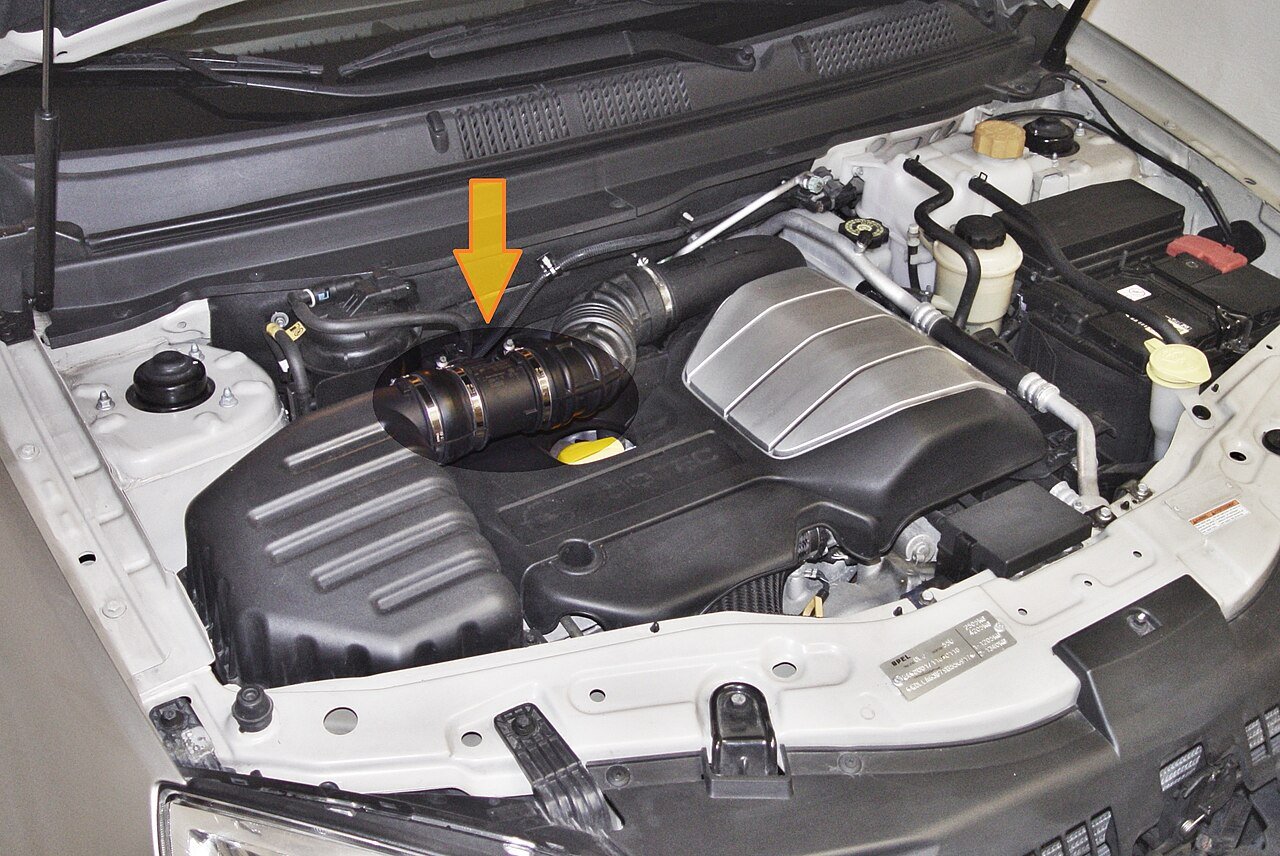
MAF sensor
Photo: Antonín Ryska / Wikimedia Commons · CC BY-SA 4.0

What is MAF sensor?

Mass Air Flow sensor. Measures the mass of air entering the engine intake. Used by ECUs to calculate fuel injection quantities.

MAF sensor (Mass Air Flow sensor) is an engine sensor that measures the mass of air flowing through the intake. The sensor uses a hot-wire or hot-film element heated to a specific temperature; as air flows over the element, it cools, and the sensor measures the cooling rate to calculate mass airflow. The ECU uses this measurement to determine fuel injection quantities and timing.

MAF sensors are common in production cars, particularly American and Asian designs. The advantage of MAF sensing is direct measurement of airflow, which is more accurate than indirect methods. The disadvantage is sensitivity to contamination (oil from oily air filters, dust, debris) and the requirement for the sensor to be in the intake stream, which can restrict airflow on heavily modified engines.

Aftermarket MAF sensor relocations or replacements are common in tuning. Common modifications include relocating the MAF to a less-restrictive location, replacing the stock MAF housing with a larger one (allowing higher airflow), or eliminating the MAF entirely in favor of MAP (manifold absolute pressure) calculation. K&N filter products are sometimes blamed for MAF contamination because oil-coated filters can foul the hot-wire element.

Related terms

MAP sensorECU tuneCold air intake

Frequently asked questions

What does MAF stand for?
Mass Air Flow. The sensor specifically measures air mass (not just volume), which is the measurement the ECU needs to calculate proper fuel injection quantities. Mass takes into account air temperature and pressure that simple volume measurement would miss.
Why do K&N filters cause MAF problems?
K&N filters use oil to capture small particles. When the filter is over-oiled (often during routine cleaning), oil can be pulled into the intake and contaminate the MAF sensor hot-wire element. This causes lean-running conditions, check engine lights, and potential engine damage. Most modern MAF sensors are sensitive to even small amounts of oil contamination.
Can MAF sensors fail?
Yes. Common failures include hot-wire contamination (from K&N oil, dust, debris), electrical signal degradation, and sensor drift over time. Symptoms include rough idle, hesitation under acceleration, decreased fuel economy, and check engine lights for fuel mixture codes. Cleaning or replacement typically resolves the issue.
What is the difference between MAF and MAP?
MAF measures actual air mass entering the intake. MAP (Manifold Absolute Pressure) measures pressure in the intake manifold. Both can be used to calculate fueling. MAF is direct measurement; MAP requires calculation to derive airflow. MAP is more reliable for forced induction; MAF is more direct for naturally aspirated.
Can I delete the MAF sensor?
Sometimes, with appropriate engine management. MAFless tuning (using MAP only) is common in standalone ECU applications and some tuned production cars. The benefit is reduced restriction in the intake. The drawback is loss of direct airflow measurement; the ECU must calculate airflow from MAP and other inputs.
Back to Glossary