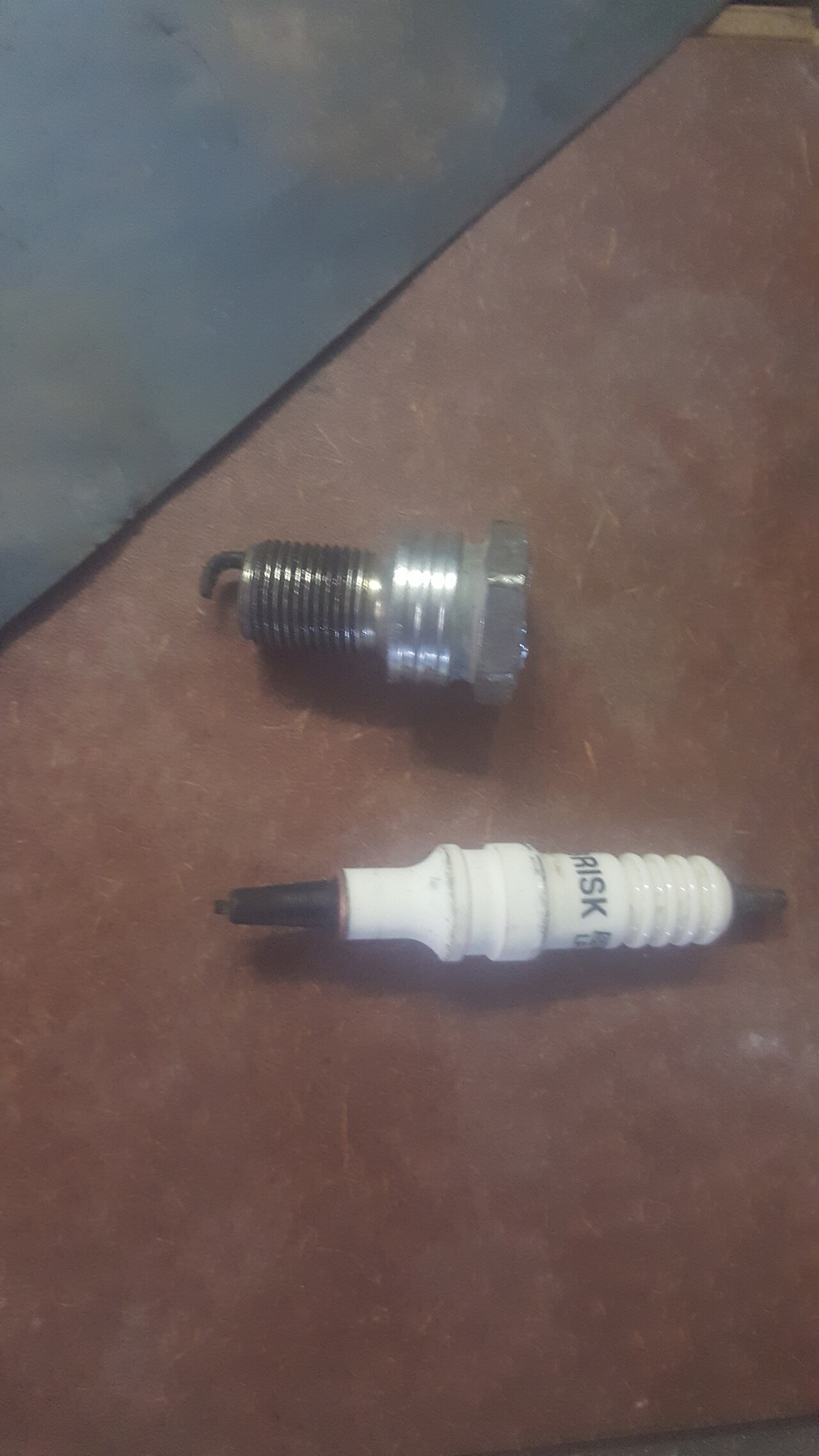
What is Spark plugs?
Devices that ignite the air-fuel mixture in gasoline engine cylinders. Different heat ranges suit different engine applications.
Spark plugs are devices that ignite the air-fuel mixture in gasoline engine cylinders. The plug delivers high-voltage electricity (typically 30,000-50,000 volts in modern ignition systems) across an air gap, creating a spark that ignites the mixture. Different spark plugs have different heat ranges, electrode materials, and gap specifications suited to different engines and operating conditions.
Heat range is a critical spark plug specification. Hotter heat range plugs run warmer in operation, which helps prevent fouling but can cause pre-ignition under high load. Colder heat range plugs run cooler, suitable for high-load operation but prone to fouling at idle. Most cars use a moderate heat range; modified or forced induction cars typically benefit from colder heat range plugs to prevent pre-ignition. Heat ranges are typically labeled with numbers (NGK uses higher numbers for colder; Champion uses lower numbers for colder; specific scales vary by manufacturer).
Modern spark plugs use various electrode materials. Iridium-tipped plugs (common in OE applications) are durable and last 100,000+ miles. Platinum-tipped plugs are also durable. Standard copper-core plugs are cheaper but require more frequent replacement (typically 30,000 miles). Some applications use specialized plugs (NGK BPR, Denso ITV, etc.). Spark plug gap specifications vary by engine; the gap is typically 0.030 to 0.044 inches for most production engines. Gap can be checked with a wire gauge during installation.