DuelsLeaderboardGarageBlogCarsGlossaryBrowse

Fender flares

Car culture term

What is Fender flares?

Aftermarket extensions added to the wheel arches to accommodate wider wheels and tires than the original body would allow.

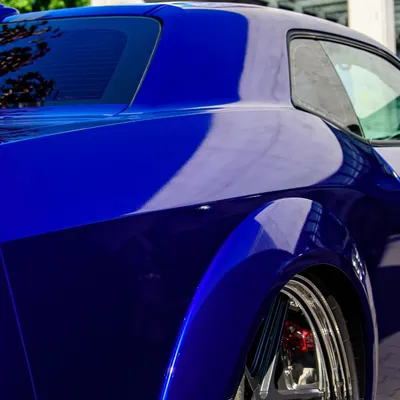
Fender flares are extensions added to vehicle wheel arches to accommodate wider wheels and tires than the original body design allowed. Flares may be bolt-on plastic or fiberglass parts (the most common), riveted aluminum or steel fabrication (Liberty Walk and similar widebody styles), or hand-fabricated steel that is welded to the existing fenders (more permanent, often used in restomod and high-end modification work).

Common fender flare types include subtle bolt-on flares (1-2 inches of additional width per side, popular in OE-style upgrades), aggressive bolt-on flares (3-6 inches of additional width per side, popular in stance and tuner applications), and full widebody fender extensions (Liberty Walk, Rocket Bunny styles, often with riveted hardware). Each style has different visual character and complexity of installation.

Fender flares allow wider wheel and tire combinations than the stock body permits. The visual benefit is aggressive stance, with wheels filling the wider wheel arches. The functional benefit is the ability to fit performance tires (wider tires for better grip) without rubbing on the fenders during compression or steering. Quality flare fitment depends on proper alignment with the original body, complete sealing against debris and water, and correct installation of mounting hardware.

Related terms

WidebodyLiberty WalkRocket Bunny

Frequently asked questions

Do fender flares require fender modifications?
Bolt-on flares typically require some fender modification (rolling the lip, possibly cutting slightly). Welded fender flares require significant cutting and fabrication. Liberty Walk-style riveted flares often require cutting the original fender to accommodate the flare. The amount of work depends on the flare style and the original body design.
Are fender flares legal?
Generally yes, as long as the wheel and tire stay within the modified fender. Most jurisdictions require the wheel/tire to be covered by some bodywork; flares satisfy this requirement. Specific regulations vary by state and country. Flares that don't fully cover the tires can violate state regulations.
How much do fender flares cost?
Bolt-on plastic flares: $200-$800 per car. Quality fiberglass flares: $400-$1,500. Liberty Walk or Rocket Bunny widebody kits with flares: $5,000-$25,000+. Custom welded steel or aluminum flares: $5,000-$20,000+ depending on complexity. Installation typically adds 50-100% to material costs.
Will fender flares affect resale value?
Mixed. Within enthusiast communities, well-executed flares are appreciated and may improve value. Among general buyers, fender flares typically reduce resale value because they signal modification and target a narrower buyer pool. The market depends on the specific car and modification quality.
Can I install fender flares myself?
Bolt-on plastic flares: typically yes, with basic tools. Fiberglass flares may require body work (filling, sanding, painting). Welded steel flares require professional fabrication and welding. Liberty Walk-style installations require body cutting and proper mounting; many enthusiasts use shops for these complex installations.

Fender flares on the blog

What is shakotan? Japan's original lowered car style

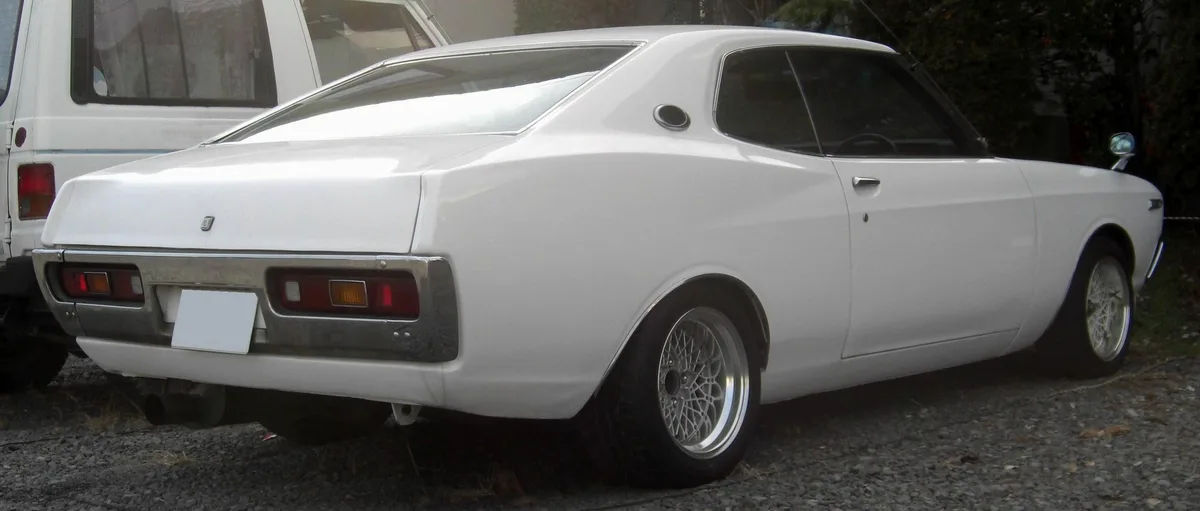
Shakotan literally means low car, and it's the 1970s Japanese style that every lowered car since has descended from. Deep-dish wheels, a scraped ride height, mild flares, and clean lines. Here's what separates it from bosozoku, kaido racer, and VIP style.

What Is Bosozoku Style?

Bosozoku is the most extreme corner of Japanese car culture: cars with exhaust pipes that stab into the sky, body kits that defy aerodynamics, and color schemes that refuse to be ignored. It started with rebel bikers, and it has never been about subtlety.

What Is a Widebody Kit and Does It Make a Car Look Better?

A widebody kit is a set of body modifications, usually flared or replaced fenders and quarter panels, that makes a car physically wider so it can cover wider wheels and a wider track. Done with intent, it gives a car the planted stance of a race car. Done as a costume, everyone can tell.

What is the Best Color for the Honda Civic Type R?

The Honda Civic Type R comes in five colors and the answer to which one is best is more settled than almost any other car color debate. It's Championship White. It has been Championship White...

Back to Glossary