What is RWD?
Rear-wheel drive. Power is delivered exclusively to the rear wheels. Common in performance cars and the foundation for drift culture.
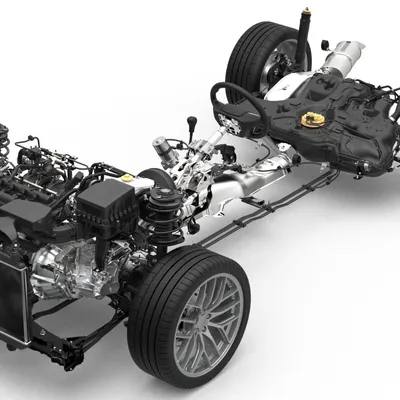
RWD (rear-wheel drive) describes a drivetrain that delivers power exclusively to the rear wheels. The engine drives through a transmission and driveshaft to a rear differential, which sends power to the rear axles. RWD is the traditional drivetrain for performance and luxury cars because the front wheels can focus on steering while the rear wheels focus on power delivery.
The advantages of RWD include better weight distribution (engine and transmission can be packaged differently), improved steering feel (no torque steer or front-axle compromise), and the ability to drift or oversteer (rear wheels exceed grip while fronts maintain control). The disadvantages include reduced traction in wet, snow, or low-grip conditions, and slightly higher manufacturing cost compared to FWD economy cars.
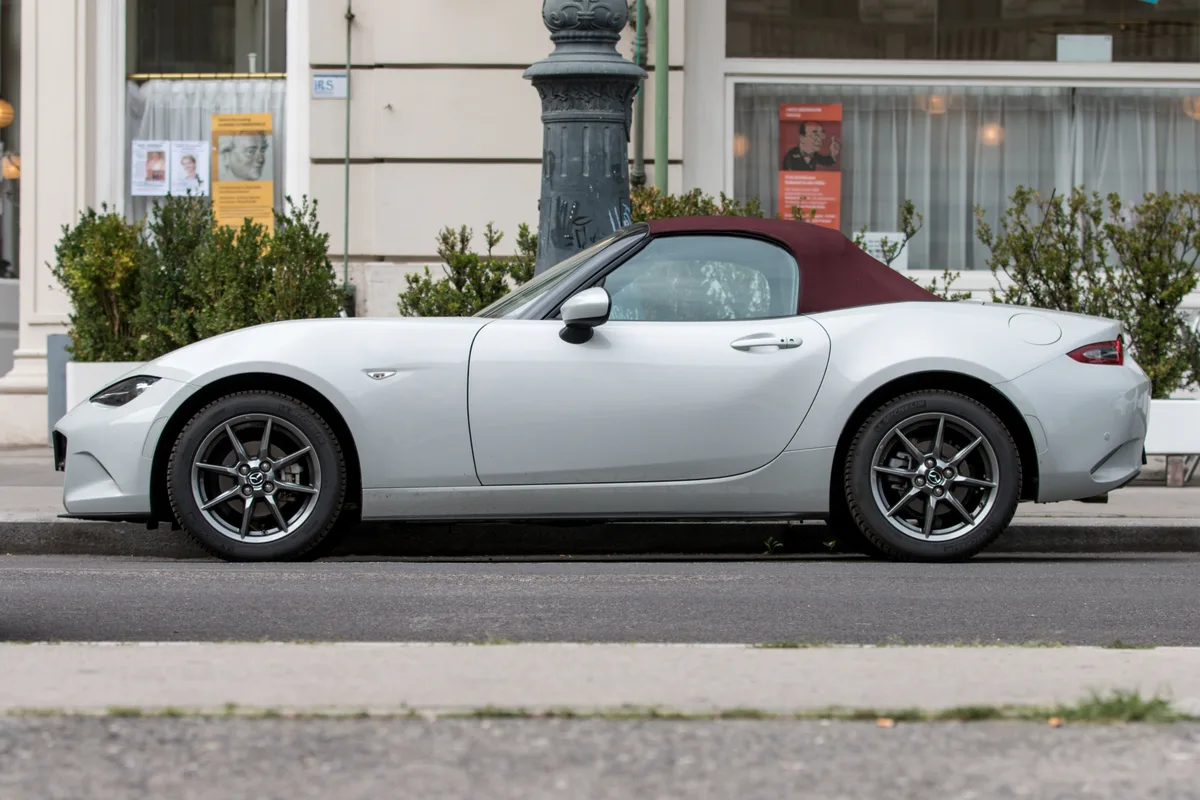
Modern RWD performance cars include the BMW M cars, Mercedes-AMG sport sedans, all Porsche 911 variants except 4WD trims, the Mazda Miata, the Toyota GR86 / Subaru BRZ, the Ford Mustang, and the Chevrolet Camaro. RWD is also the default for trucks, full-size SUVs, and traditional luxury sedans.