What is Kei car?
Japanese vehicle classification with strict size and engine displacement limits (currently 660cc maximum). Includes commuter cars, vans, trucks, and a sports segment.
Kei car (kei-jidosha, "light vehicle") is a Japanese vehicle classification with strict regulatory limits on size and engine displacement. Current limits (as of 2024) are 660cc maximum displacement, 11.2 feet maximum length, 4.9 feet maximum width, and 6.6 feet maximum height. Vehicles meeting these limits qualify for tax and registration benefits in Japan, including reduced annual taxes, lower toll rates, and exemption from certain parking requirements.
The kei classification emerged after World War II to encourage affordable transportation in postwar Japan. The displacement limit started at 100cc in 1949 and was progressively raised to the current 660cc by 1990. Today, kei cars represent roughly 30 percent of new car sales in Japan, dominating commuter, urban, and rural transport segments.
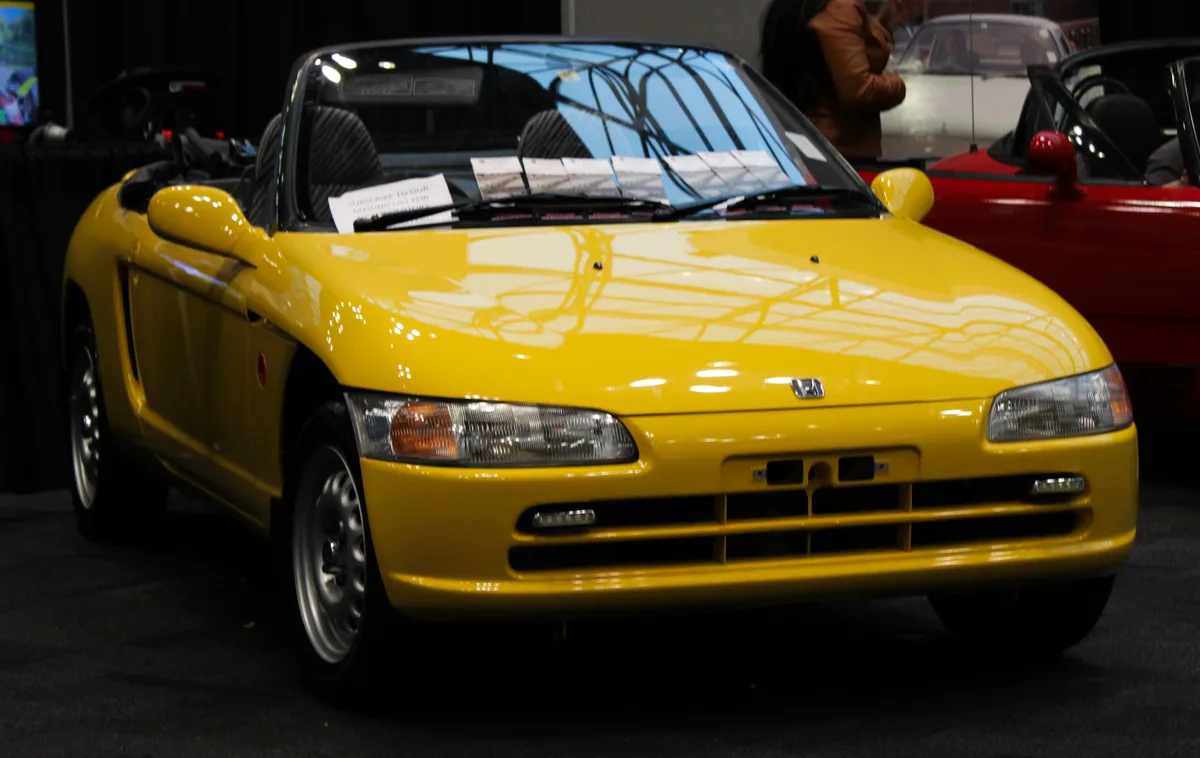
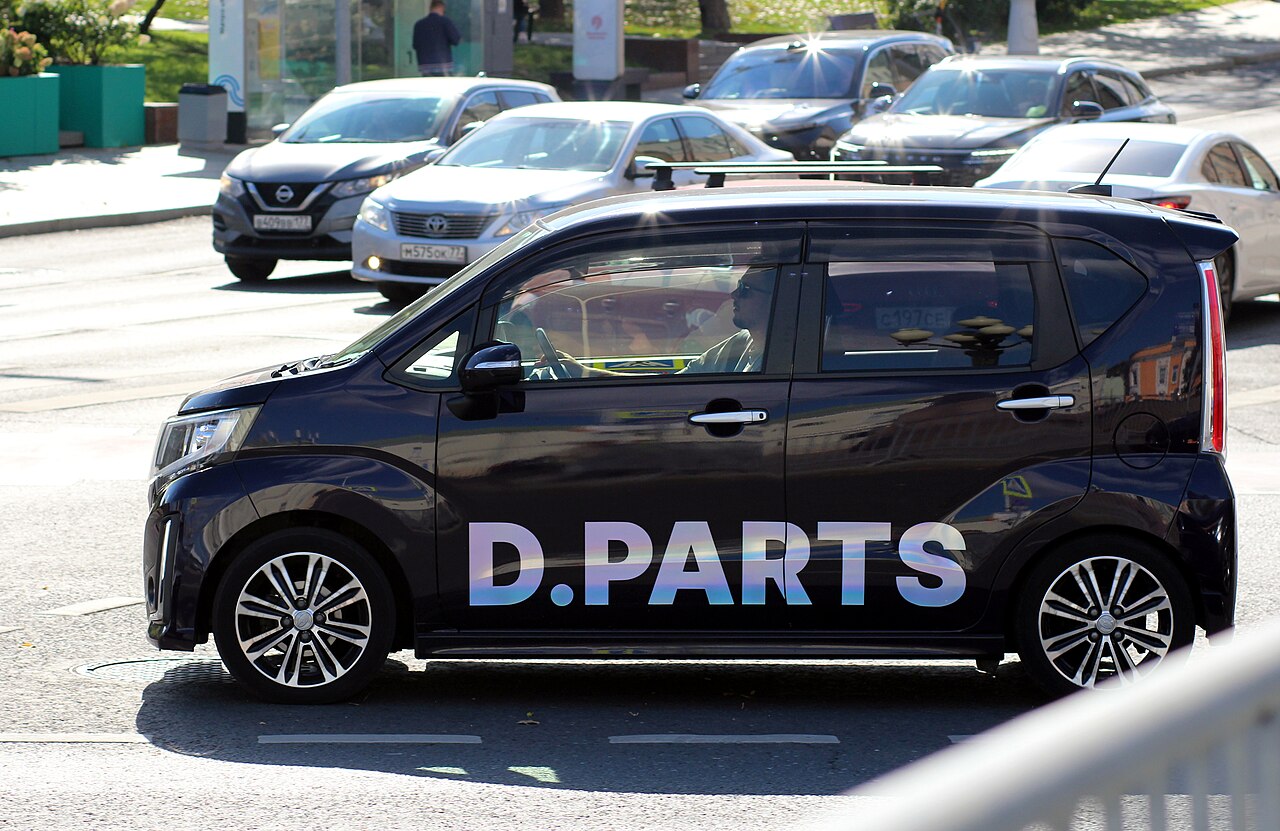
The kei category includes city commuters (Daihatsu Move, Suzuki Wagon R), small trucks (Daihatsu Hijet, Suzuki Carry, Honda Acty), vans, and a small but iconic sports segment. The kei sports car trio (Honda Beat, Suzuki Cappuccino, Mazda Autozam AZ-1) of the early 1990s defined the kei performance segment. The Honda S660 (2015-2022) revived the category in the modern era.