DuelsLeaderboardGarageBlogCarsGlossaryBrowse

OEM

Car culture term

OEM
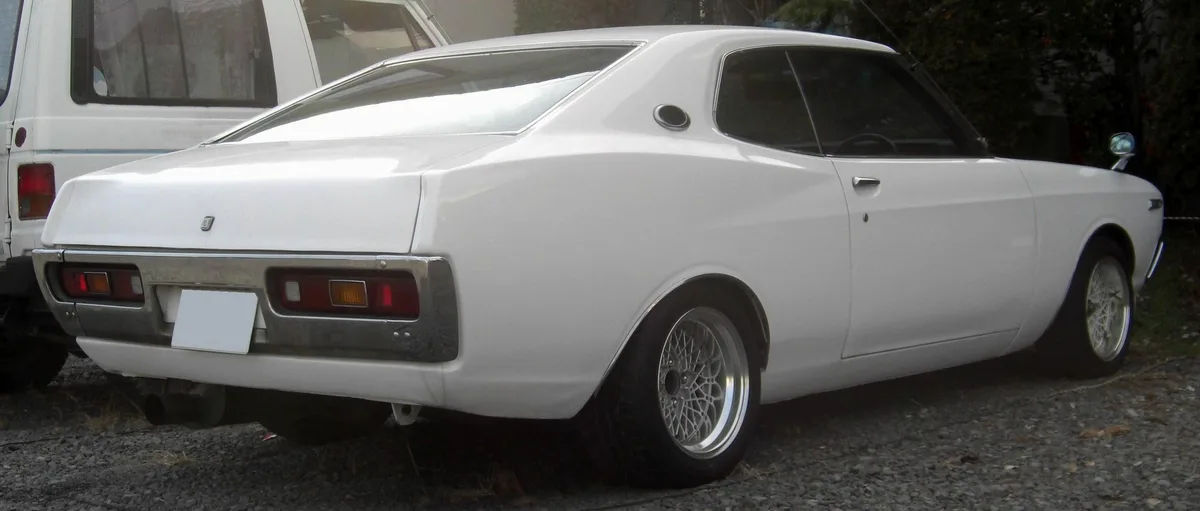
Photo: Original: DennisK Translated text: Kaasterly / Wikimedia Commons · CC BY 3.0

What is OEM?

Original Equipment Manufacturer. Refers to factory parts made by the same manufacturer that supplied the original vehicle. Counterpart to aftermarket.

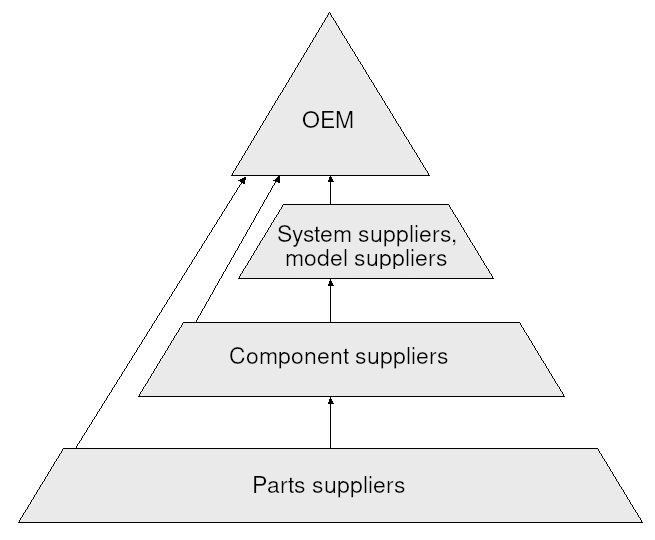
OEM stands for Original Equipment Manufacturer. The term refers to factory parts produced by the same manufacturer (or supplier under contract) that supplied the original vehicle. OEM parts are the same parts the vehicle came with from the factory. The counterpart is aftermarket, which refers to parts produced by independent manufacturers.

OEM parts have specific advantages: they are designed to factory specifications, they fit perfectly, they are warrantied by the manufacturer, and they are supported by dealer service networks. The disadvantages are higher cost (often 50-200% more than aftermarket equivalents) and limited choice (only one design typically available). Aftermarket parts may offer different price points, different design philosophies, or performance enhancements not available in OEM.

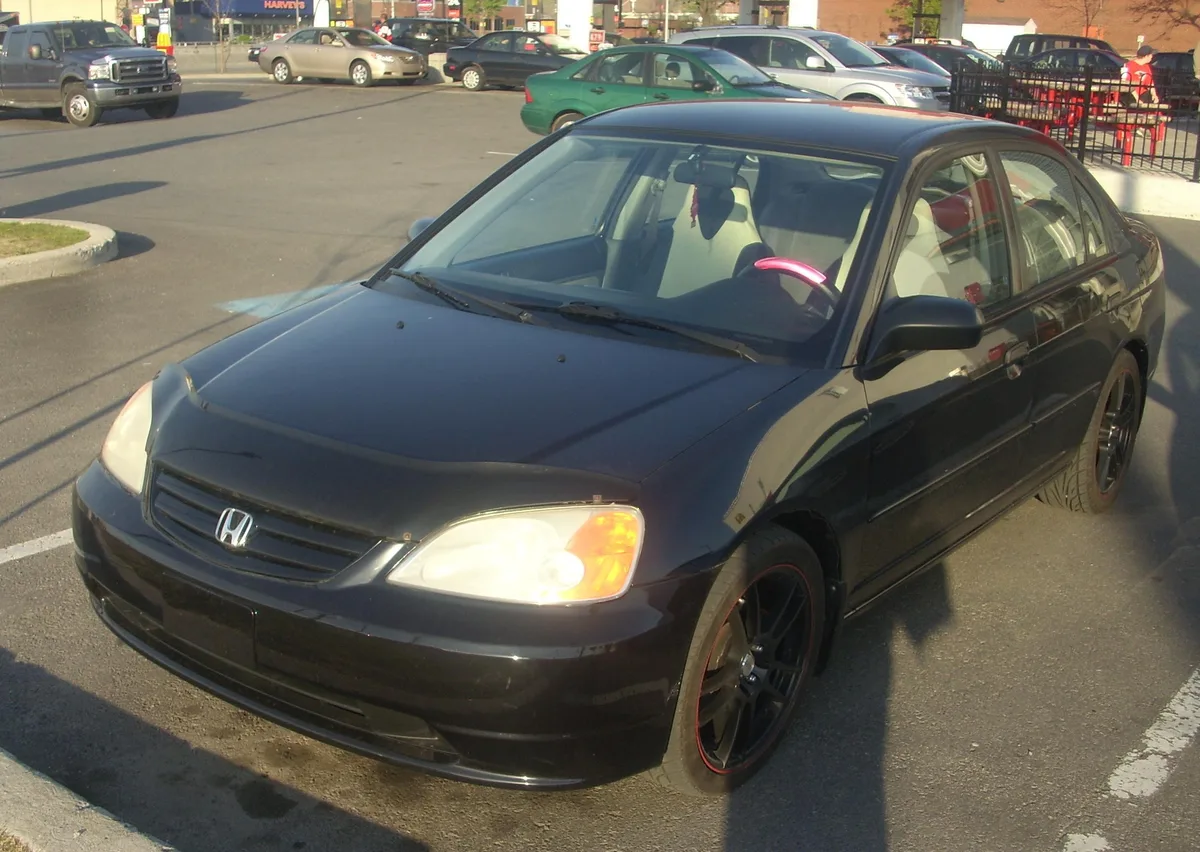
OEM-plus is a related term meaning "OEM parts from higher trims or related models." For example, fitting Civic Type R parts to a base Civic LX is OEM-plus modification: all parts are factory Honda parts, but they are upgrades from the original specification. This is often preferred over pure aftermarket because the parts are factory-engineered and tested.
Related terms

OEM-plusJDMUSDM

Frequently asked questions

Are OEM parts better than aftermarket?
Different priorities. OEM parts are designed to factory specifications and fit guaranteed. Aftermarket parts may offer better performance, lower cost, or different design philosophy. For repairs maintaining original character, OEM is preferred. For performance modifications, aftermarket often offers better value. Quality varies significantly within both categories.
Why are OEM parts so expensive?
Multiple factors. Manufacturer warranty support. Dealer pricing markup. Complexity of supply chain. The brand premium. The same physical part from the same supplier (e.g., Bosch, Denso, Sachs) is often available cheaper through aftermarket distributors than through dealer parts counters. Buyers paying OEM prices are partly paying for the warranty and service network.
Is OEM the same as factory original?
Yes. OEM parts are factory-specification parts produced by the manufacturer or its suppliers. The terms "OEM," "factory," "factory original," and "OE" are often used interchangeably. All refer to the original equipment specification.
Can I install OEM parts myself?
Generally yes. OEM parts are designed for the original vehicle and typically fit without modification. Most OEM parts come with installation instructions or service manual references. Common OEM installations (brake pads, filters, belts) are within the capability of most home mechanics with basic tools.
Why do enthusiasts care about OEM specifically?
Preserving originality. Some enthusiasts (concours-quality restorers, JDM purists) prefer OEM parts to maintain the car authentic specification. The OEM-plus movement extends this by using OEM parts from related models for subtle upgrades. The preference is partly about authenticity and partly about engineering trust in factory-specification parts.

OEM on the blog

What is shakotan? Japan's original lowered car style

Shakotan literally means low car, and it's the 1970s Japanese style that every lowered car since has descended from. Deep-dish wheels, a scraped ride height, mild flares, and clean lines. Here's what separates it from bosozoku, kaido racer, and VIP style.

What is a ricer? Where the word came from, and why it still stings

A ricer is a car modified to look fast without being made faster: big wing, loud muffler, stick-on vents, decals for sponsors it doesn't have. The word comes from "rice burner," a slur aimed at Japanese bikes and cars, and the acronym people cite is a cover story. Here's the history, the line between a ricer and a real build, and why the industry does the same thing.

What Is OEM Plus? The Build Style That Wins by Doing Less

OEM Plus, or OEM+, is a build philosophy: upgrade a car using factory or factory-style parts, often borrowed from higher trims or related models, so it looks like it could have left the factory that way. The whole point is restraint.

What Is a Sleeper Car and Why Do People Build Them?

A sleeper is a car with serious performance hiding under a completely unremarkable exterior. The classic formula is an economy car, family sedan, wagon, or even a minivan built to embarrass sports cars while looking like it is on its way to a dentist appointment. The whole point is that nothing warns you.

Back to Glossary