What is Bosozoku?
Japanese motorcycle gang culture from the 1970s-1980s, with a related car styling subculture featuring aggressive aero, exhaust, and paint schemes.
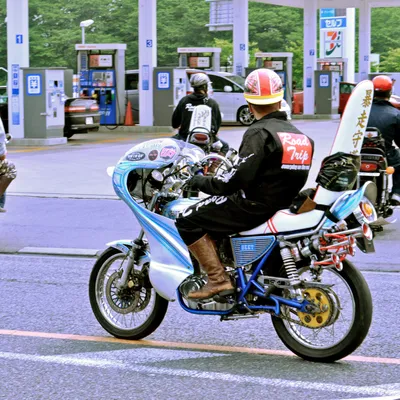
Bosozoku (literally "violent running tribe") originally referred to Japanese motorcycle gangs prominent in the 1970s and 1980s. The motorcycle gangs typically wore distinctive uniforms, modified motorcycles with extended exhaust pipes and stripped-down bodywork, and gathered in nighttime processions through Japanese cities. The culture peaked in the late 1980s with an estimated 40,000+ members nationally.
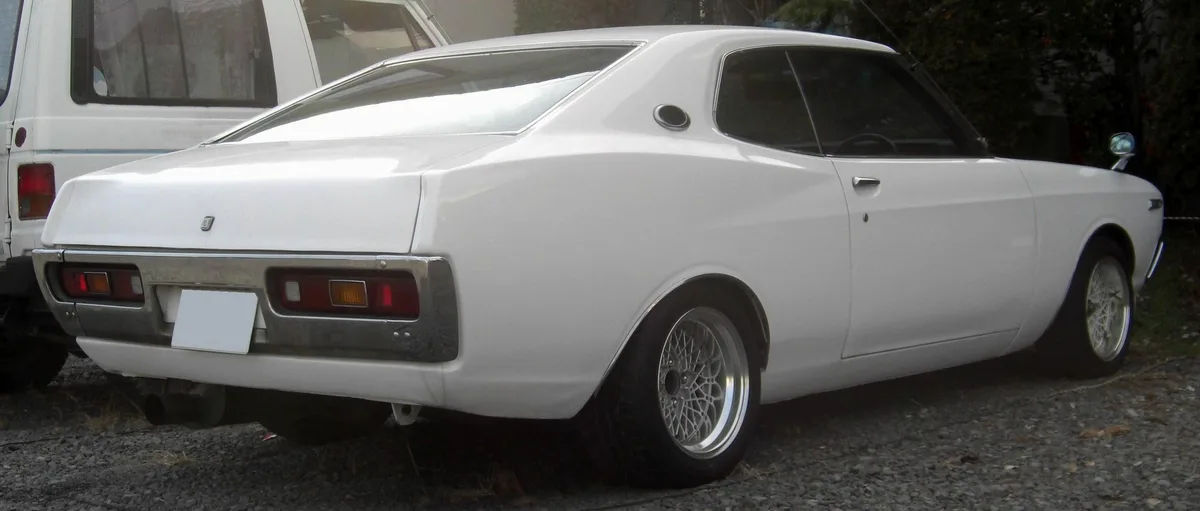
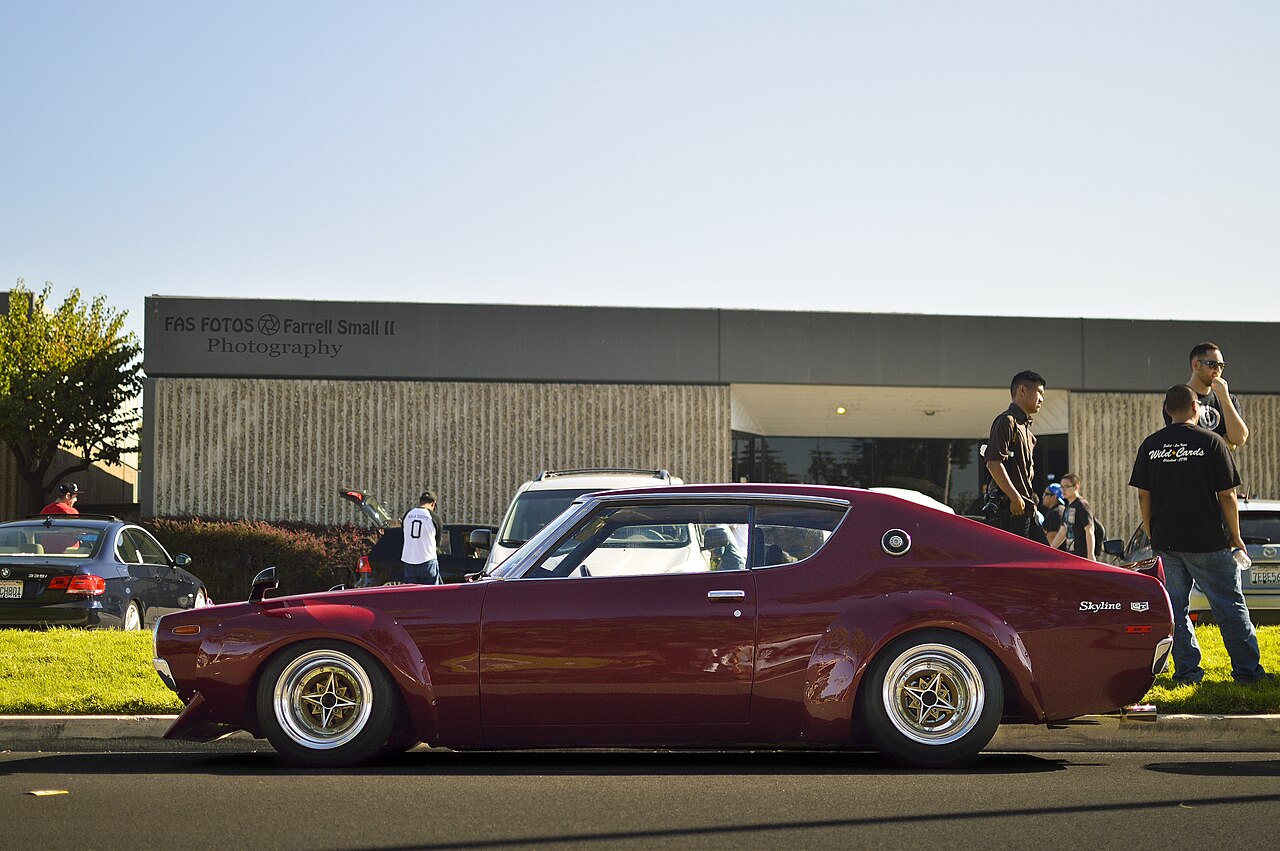
Bosozoku-style cars emerged in parallel and continued after the original motorcycle gangs declined. The defining elements include extremely long exhaust pipes (often extending several feet beyond the rear bumper), oversized rear wings ("shark fin"-style), front splitters, painted bumpers (typically with bright multi-color schemes), and very low ride height. Common base cars include 1970s and 1980s Japanese sedans (Toyota Cressida, Mazda Cosmo, Nissan Cedric).
The bosozoku car style is largely retired in Japan today (police crackdowns and changing youth culture reduced the practice through the 2000s) but survives as an aesthetic influence in JDM culture. Some imported cars from this era arrive at US events with bosozoku-style modifications. The aesthetic is distinct from modern stance and Japanese tuner culture.