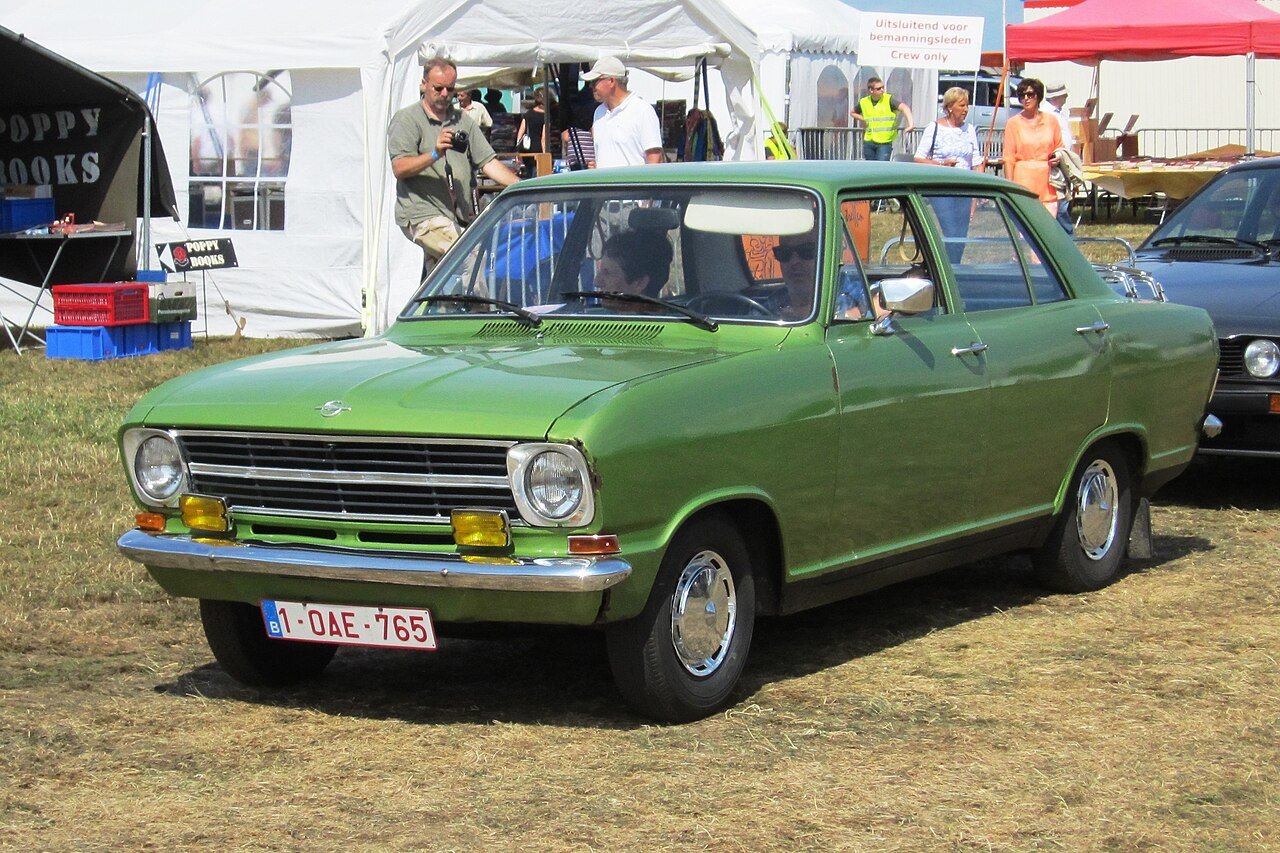
What is EDM?
European Domestic Market. Refers to vehicles, parts, and styling sold or used in Europe. Counterpart to JDM and USDM.
EDM stands for European Domestic Market. The term refers to vehicles, parts, or styling specifically for the European market. EDM has been used as a counterpart to JDM (Japanese Domestic Market) and USDM (United States Domestic Market) by enthusiasts who track market-specific variations.
EDM-specific variants often have different equipment than USDM or JDM versions. European emissions and noise regulations differ from US regulations, leading to different exhaust systems, different intake systems, and different engine tunings. Transmission options sometimes differ (manual transmissions are more available in Europe than in the US for many models). Body style and trim level availability often differs significantly.
European cars sold in the US often have specific differences from EDM equivalents. The Volkswagen GTI, BMW M cars, Mercedes-AMG models, and Audi RS variants are typically detuned for the US market in some respect compared to EDM versions. Some EDM models (Audi RS3 Sportback, BMW M3 Touring wagon, Volkswagen Touareg V8) are not sold in the US at all. EDM-spec wheels, lights, and other parts are sometimes preferred by enthusiasts on US-spec cars.
Related terms
Frequently asked questions
EDM on the blog
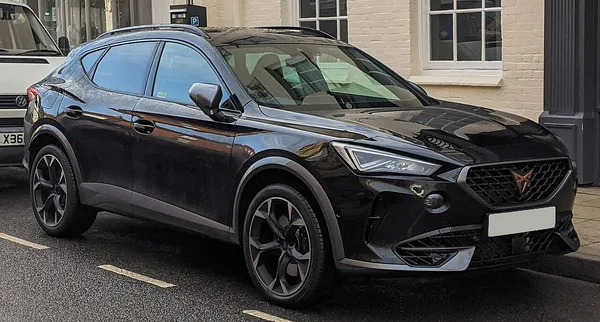
Cupra and SEAT are separate brands from the same Volkswagen Group company, SEAT S.A. Cupra started as SEAT's performance badge in 1996 and went solo in 2018. Here's how the Leon wears both badges, why Cupra now outsells SEAT, and where the US launch stands.
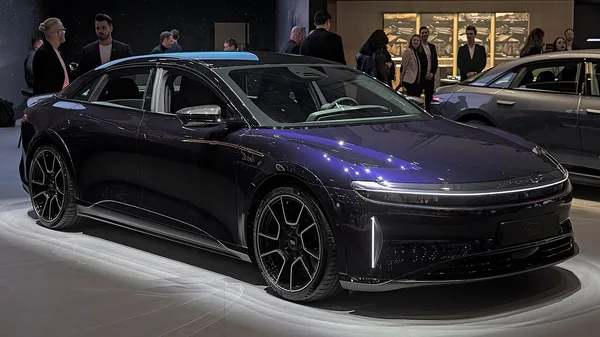
The Lucid Air Sapphire makes 1,234 hp from three motors and 1,430 lb-ft of torque. Lucid quotes 1.89 seconds to 60 mph and 205 mph, for $249,000. Here is how it compares with the Model S Plaid and Taycan Turbo GT, on paper and in testing.
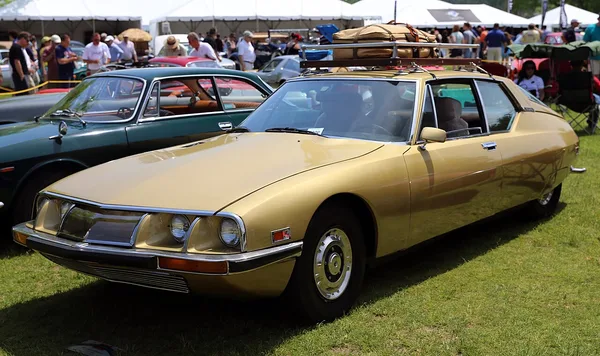
USDM stands for United States Domestic Market: cars and parts built to American rules. Those rules gave US cars side marker lights, 5 mph bumpers, and decades of round sealed-beam headlights, and they're why imports wait 25 years.
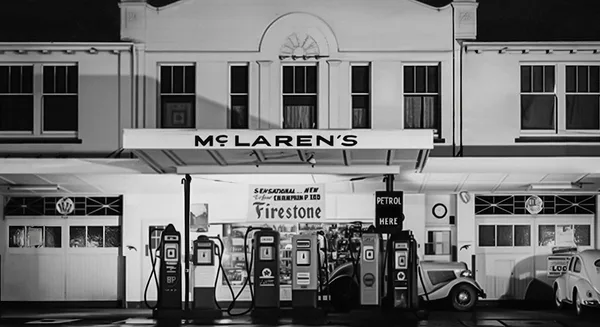
McLaren's new wordmark is based on the sign above the 1926 Auckland service station Bruce McLaren's parents owned. It's the biggest change to the logo since the Speedmark arrived in 1997, and the Speedmark is staying.