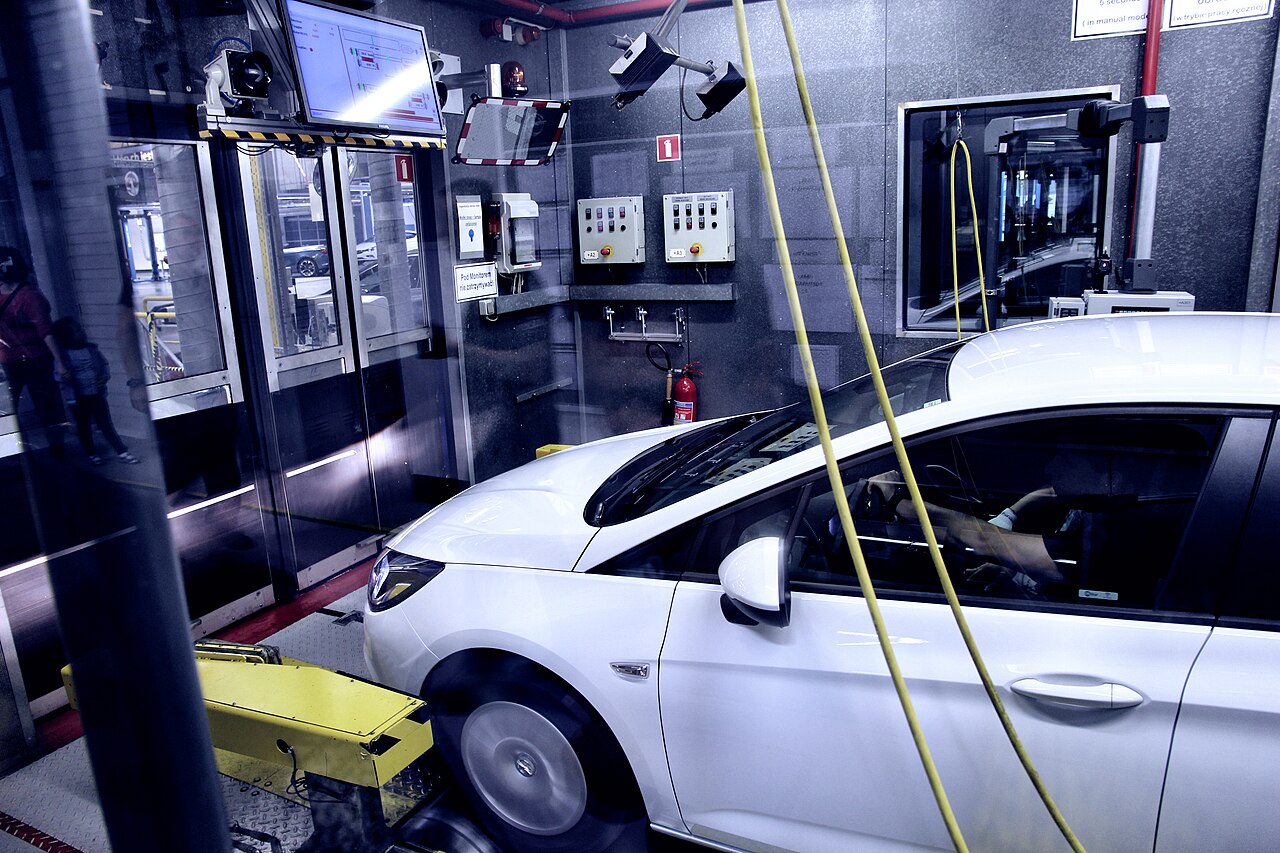
What is Dyno?
A device that measures engine power output (horsepower and torque) by applying load to the wheels or crankshaft.
Dyno (dynamometer) is a device that measures engine power output by applying mechanical or electrical load to the engine while measuring resistance. Two main types are used. Chassis dyno (also called rolling road) measures power at the wheels by spinning the drive wheels on rollers connected to a load device. Engine dyno measures power at the flywheel by connecting the engine directly to a load device.
Chassis dyno results are typically lower than engine dyno results due to drivetrain losses. A typical drivetrain loss is 15-20% for FWD/RWD cars and 20-25% for AWD cars. So a car producing 400 horsepower at the flywheel might dyno at 320-340 horsepower at the wheels (FWD/RWD) or 300-320 (AWD). The differential is consistent enough to estimate flywheel power from wheel dyno readings, though direct comparison between dynos requires care.
Major dyno manufacturers include Dynojet (US, the most common in North America), Mustang Dyno (US), MAHA (Germany), and Dynapack (New Zealand). Different dynos can produce different numerical results on the same car due to calibration differences. The Dynojet 248 (the standard model) is the most common reference point in tuner culture; "248-corrected" numbers are referenced for consistency.