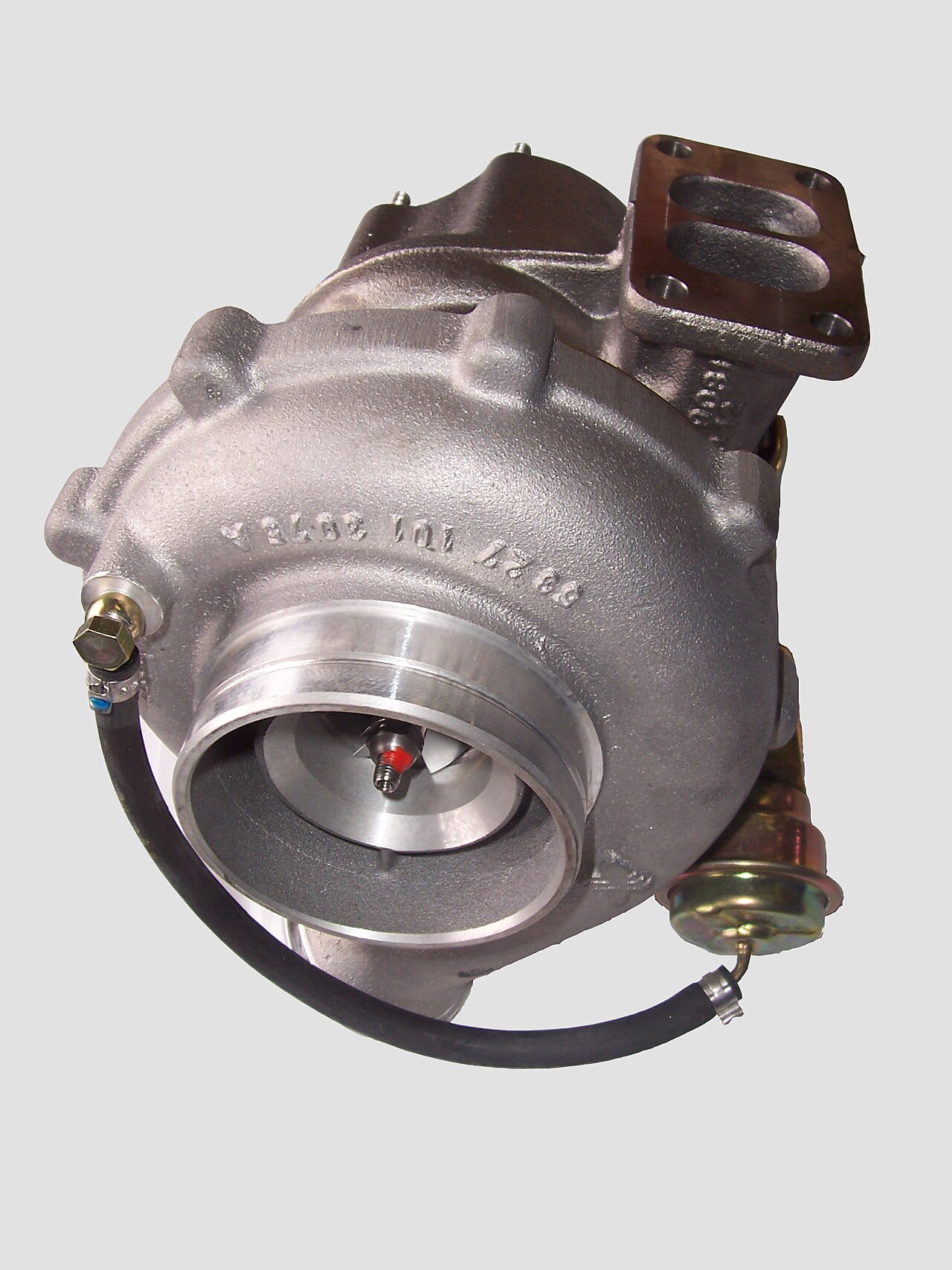
What is Wastegate?
A valve that diverts exhaust gas around the turbocharger turbine to control boost pressure. Internal (factory) or external (aftermarket race) variants.
Wastegate is a valve that diverts exhaust gas away from the turbocharger turbine to control maximum boost pressure. Without a wastegate, the turbocharger would continue to spool faster as exhaust flow increased, eventually producing excessive boost that could damage the engine. The wastegate opens when target boost is reached, bypassing exhaust around the turbine wheel and limiting further turbo speed increase.
Two main types exist. Internal wastegates are integrated into the turbocharger housing, with a flap valve that opens to vent exhaust around the turbine. External wastegates are separate units mounted upstream of the turbo, often vented through a dedicated exhaust pipe (which produces a distinctive screaming sound). External wastegates are common in serious aftermarket turbo applications because they offer larger valve sizes for high-flow applications.
The screaming sound of an external wastegate venting to atmosphere is a hallmark of competition turbocharged cars (drag racing, drift, time attack). The sound is the result of high-pressure exhaust flowing through the small wastegate orifice. Some street cars use external wastegates with the dump tube routed back into the main exhaust to reduce noise; race cars typically vent directly to atmosphere.