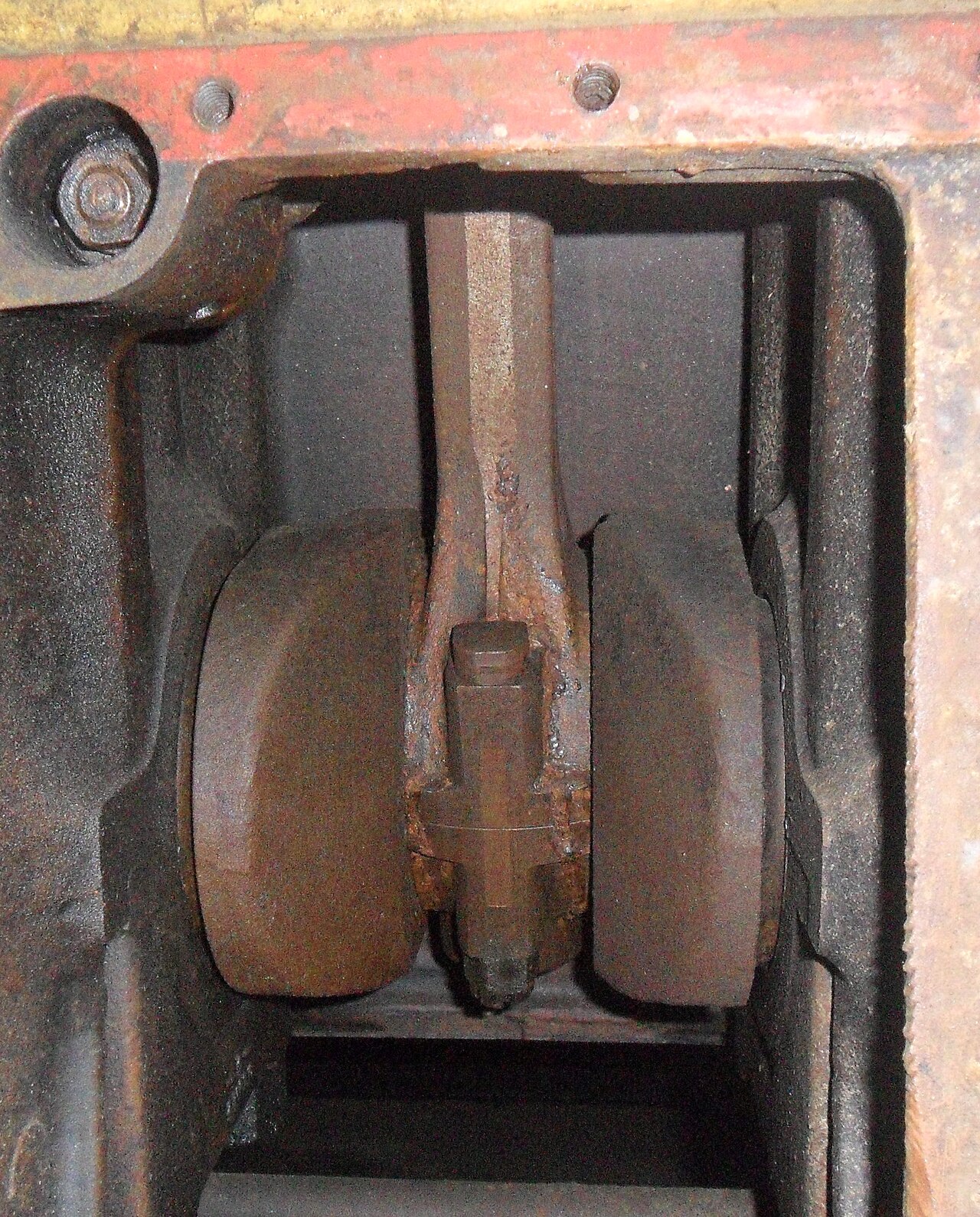
What is Connecting rods?
The rods connecting the pistons to the crankshaft. Stronger forged or billet rods are common in built engines for forced induction or high RPM.
Connecting rods (often shortened to rods) are the engine components connecting pistons to the crankshaft. Each piston has its own connecting rod. The rod converts the linear motion of the piston into rotational motion at the crankshaft. Connecting rods experience extreme stress during engine operation, especially under high RPM or high boost conditions.
Stock connecting rods are typically forged steel (in performance applications) or cast iron/steel (in economy applications). Aftermarket rods are typically billet steel or H-beam forged steel from manufacturers like Eagle, Carrillo, Manley, Pauter, or Crower. Premium rods (made from 4340 steel or aerospace-grade alloys) can withstand significantly more stress than stock.
Rod failure (often called "throwing a rod") is a catastrophic engine failure where a connecting rod breaks under load and exits through the engine block. Common causes include excessive RPM beyond rod design limit, sustained detonation, or fatigue from age and high mileage. Rod upgrades are essential for builds aimed at significant power increases over stock factory limits.