DuelsLeaderboardGarageBlogCarsGlossaryBrowse

Touge

Car culture term

Touge
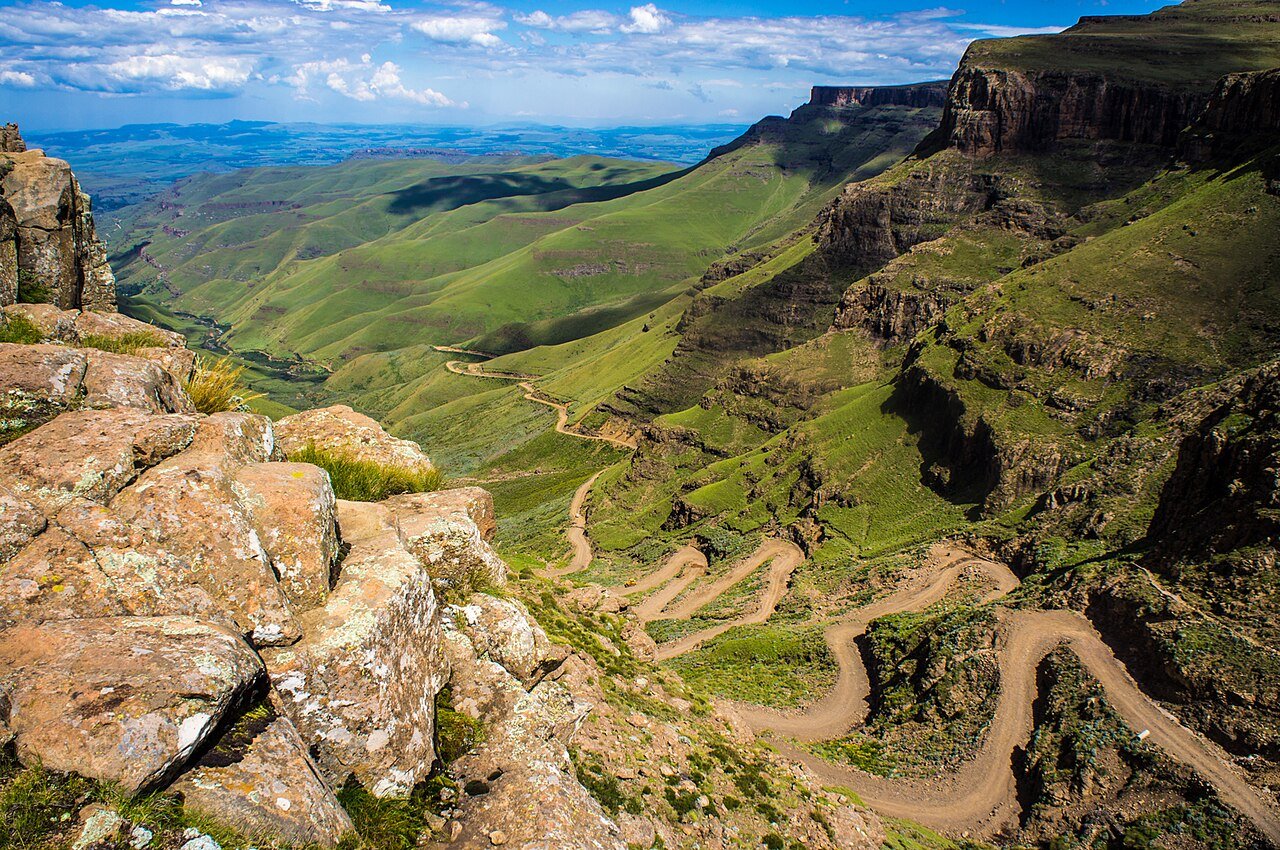
Photo: Vaiz Ha / Wikimedia Commons · CC BY 2.0

What is Touge?

Japanese mountain road driving, traditionally on tight winding passes. Origin of drift culture and many JDM driving traditions.

Touge (the Japanese word for mountain pass) describes driving on Japanese mountain roads, traditionally tight winding passes through steep terrain. The practice of recreational fast driving on these roads dates to the 1970s and 1980s, when young drivers in modified or sport cars would gather to practice spirited driving on closed-off mountain passes after hours.

Touge driving is the cultural origin of drift. Drivers initially used drift techniques to maintain speed through the tight uphill and downhill corners typical of mountain passes. Keiichi Tsuchiya, later known as the "Drift King," developed his technique through extensive touge driving in the Hakone area of Japan. Initial D (manga and anime, 1995+) is set primarily on touge roads and made the culture globally famous.

Modern touge driving is largely illegal everywhere (the practice has always been technically illegal, even in its 1980s heyday). Sanctioned events at closed circuits are the legal alternatives. The cultural references to touge persist in JDM tuner culture, with cars styled with touge aesthetics (battle scars, stickers, taped headlights) even when they are never driven on actual mountain passes.

Related terms

DriftJDMTime attack

Frequently asked questions

Where did touge driving come from?
Japanese mountain regions, particularly Hakone (Kanagawa Prefecture), Akina (the fictional setting of Initial D, based on real mountain passes), and the Touge Mountain region. Young drivers in modified sport cars would gather at night or early morning to practice spirited driving on the winding passes.
Is touge driving legal?
No, it has always been technically illegal. Public mountain passes have speed limits and rules of the road that touge driving routinely violates. Periodic crackdowns by Japanese police have reduced the practice over the years. Sanctioned circuit events are the legal alternative.
What cars are popular for touge?
Lightweight rear-drive cars with balanced chassis. The Toyota AE86 (made famous by Initial D) is the classic. Honda Civics, Nissan Silvias, and Mazda RX-7s have all been touge favorites at different periods. The general theme is light weight and chassis dynamics rather than absolute power.
Is Initial D realistic about touge?
Largely yes. The driving sequences are exaggerated for dramatic effect (extended drifts, perfect technique under impossible conditions) but the basic culture is accurate. The cars depicted (AE86, FC RX-7, FD RX-7, R32 GT-R, S13 Silvia, etc.) are the actual cars used in touge driving in the manga era. The Hakone setting is real.
Can I drive touge in real Japanese mountains?
The roads exist and are public, but driving them at touge speeds is illegal. Many of the famous Initial D-referenced roads (Akagi, Akina, Usui Pass) are still drivable today, but observing speed limits and other road rules is required. Several Japanese tour services offer guided touge experiences for tourists, run as legitimate driving tours within legal limits.
Back to Glossary