What is Drift?
A driving technique where the rear wheels exceed grip and slide laterally, with the driver controlling the slide through steering, throttle, and clutch.
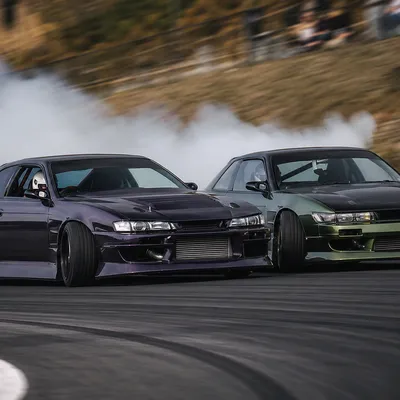
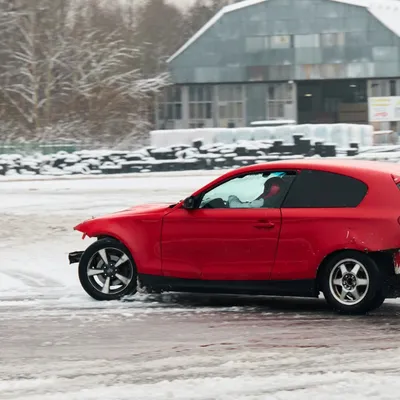
Drift is a driving technique where the rear wheels deliberately exceed traction and slide laterally while the driver maintains control through steering, throttle, and clutch inputs. The car follows a curved path with the rear of the vehicle pointed outside the corner radius (the slide angle). Successful drifting requires precise control of throttle, steering counter-input, and braking.
Drifting originated in Japanese touge (mountain pass) driving culture in the 1970s and 1980s, with Kunimitsu Takahashi and later Keiichi Tsuchiya popularizing the technique. The 1995 release of the Initial D manga (and subsequent anime) brought drift to a global audience. The first organized drift competition (D1 Grand Prix) launched in Japan in 2000, and Formula Drift launched in North America in 2003.
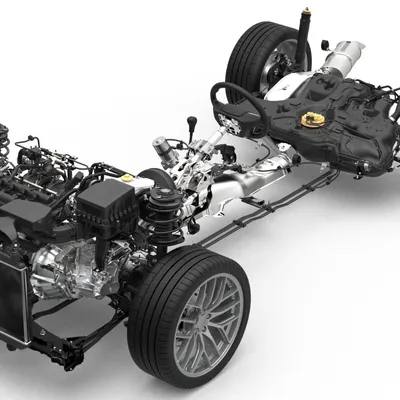
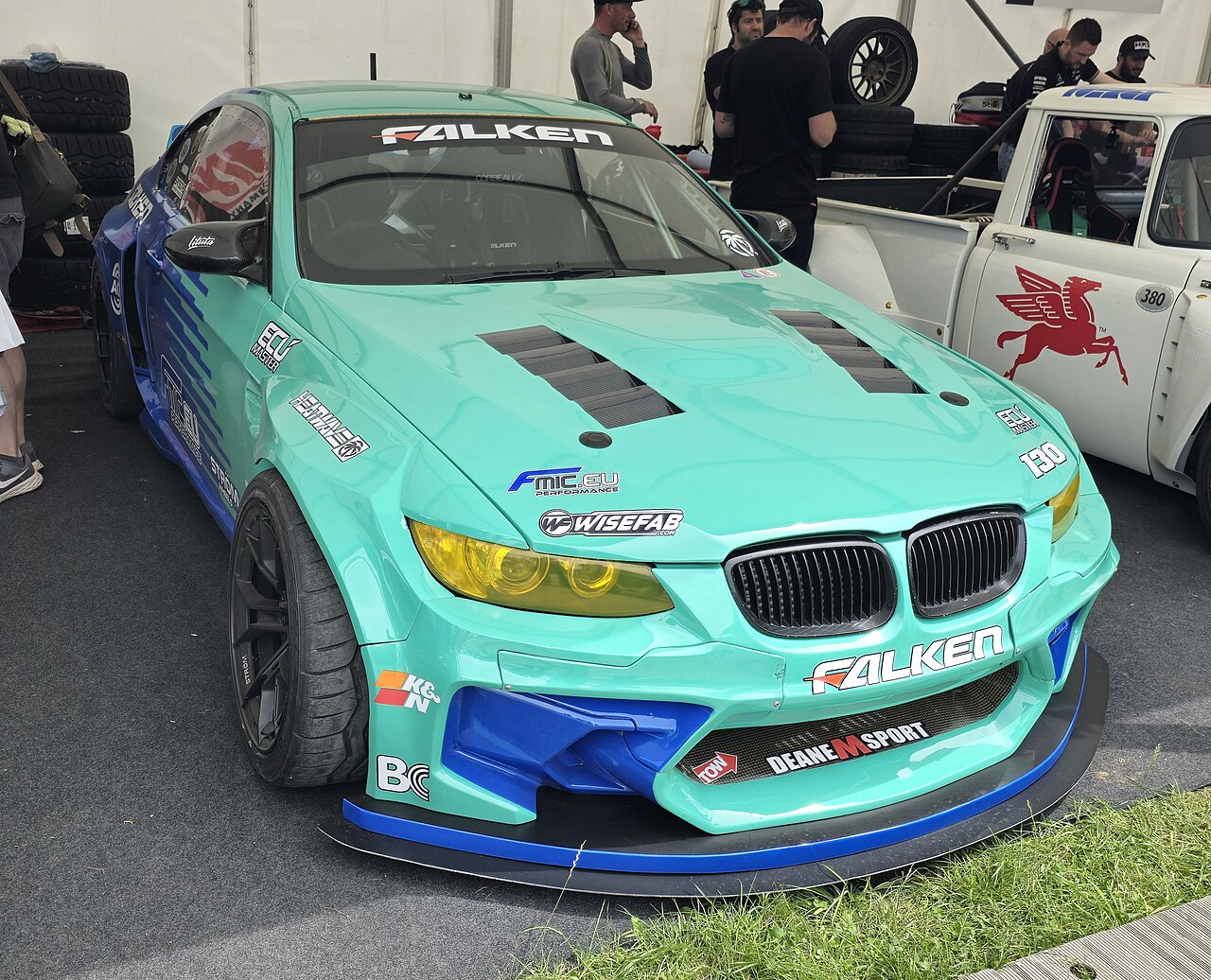
Modern competitive drift cars use specialized chassis (most commonly Nissan 240SX/Silvia, BMW E46, Toyota AE86, Mazda MX-5, and various V8-swapped chassis), hydraulic handbrakes, modified front suspension geometry for extreme steering angles, locking rear differentials, and high-power engines (typically 600+ horsepower). The aesthetic of drift culture (loud engines, smoke, slid car body angles) has influenced broader car culture.