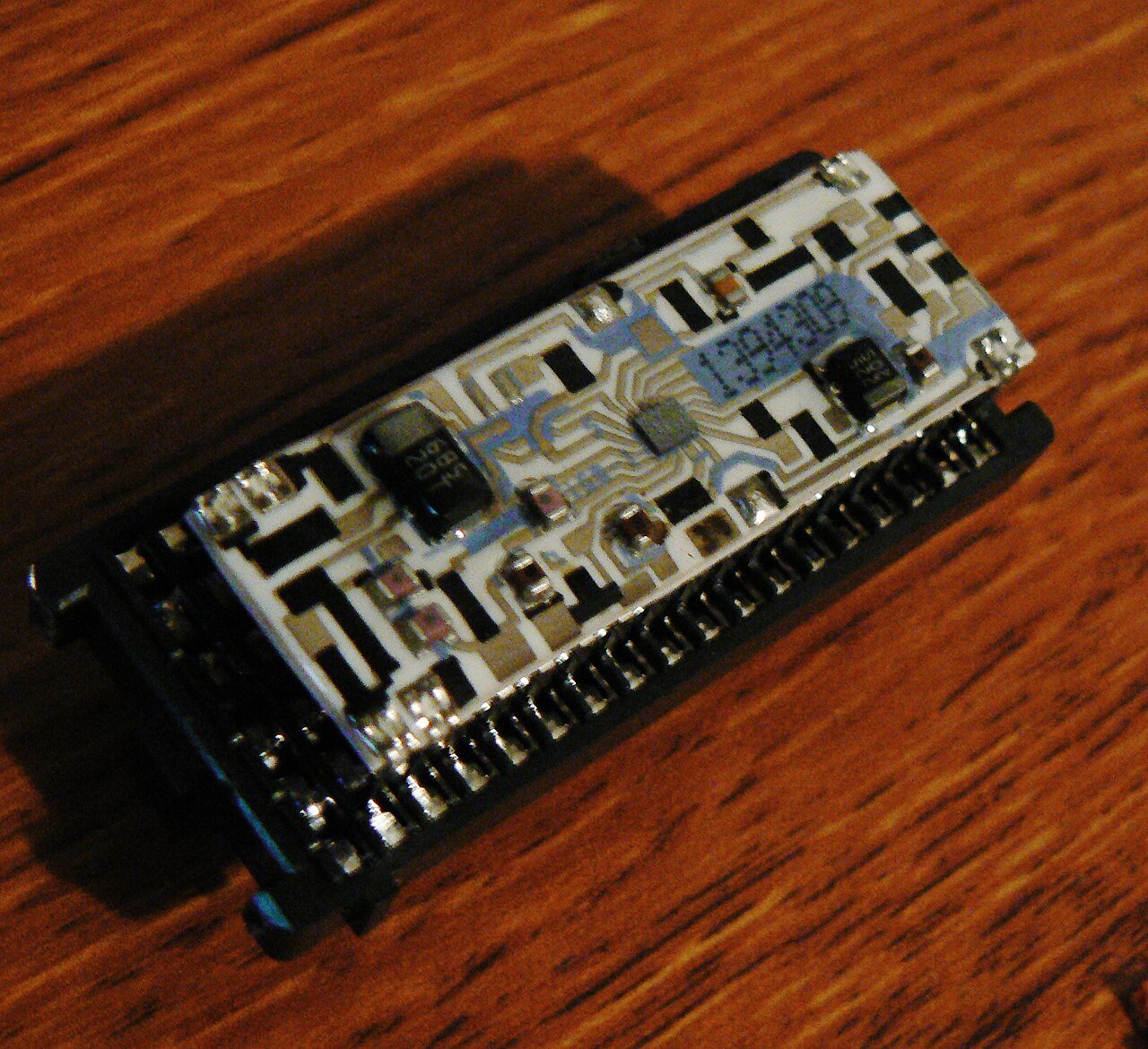
What is ECU tune?
Modifying the engine control unit (ECU) software to optimize fuel, ignition, and boost parameters for more power.
ECU tune (engine control unit tune) is the modification of the software running on the vehicle electronic engine controller. The ECU controls fuel injection, ignition timing, boost levels (on turbocharged engines), and many other parameters. Modifying the software (often called flashing the ECU) can extract significantly more power from the same hardware by optimizing these parameters beyond the conservative factory settings.
Tunes are typically classified as Stage 1, Stage 2, or higher. Stage 1 is a software-only modification that does not require additional hardware. Stage 2 typically includes a tune plus supporting hardware (intake, exhaust, intercooler). Higher stages (Stage 3, Stage 4) require progressively more extensive hardware modifications and tuning. Some platforms (Volkswagen, Audi, BMW, Mercedes) have well-established tune ecosystems with multiple reputable shops competing.
ECU tunes can deliver dramatic power increases on turbocharged cars. A Volkswagen Golf R might gain 50-100 horsepower from a Stage 1 tune alone. Larger gains are possible with hardware upgrades (Stage 2+). Naturally aspirated cars typically see smaller gains (5-20 horsepower) because the conservative tuning of factory NA engines is closer to the engine actual capability. Tuning is essential for forced induction modifications because the ECU must adapt to changes in airflow.